
The vibrant, ever-expanding universe of Roblox is more than just a gaming platform; it’s a dynamic social space where millions of users connect, create, and play. Within this digital realm, understanding the nuances of user status is crucial for navigating interactions and comprehending the platform’s functionality. One such status that often sparks curiosity among players is “inactive.” While seemingly straightforward, the designation of “inactive” on Roblox carries implications for user visibility, account management, and the overall health of the platform’s community. This article delves into the technical underpinnings and practical significance of what it means for a Roblox user to be marked as inactive, focusing on the technological aspects of user presence and account management.
The Technical Definition of Roblox Inactivity
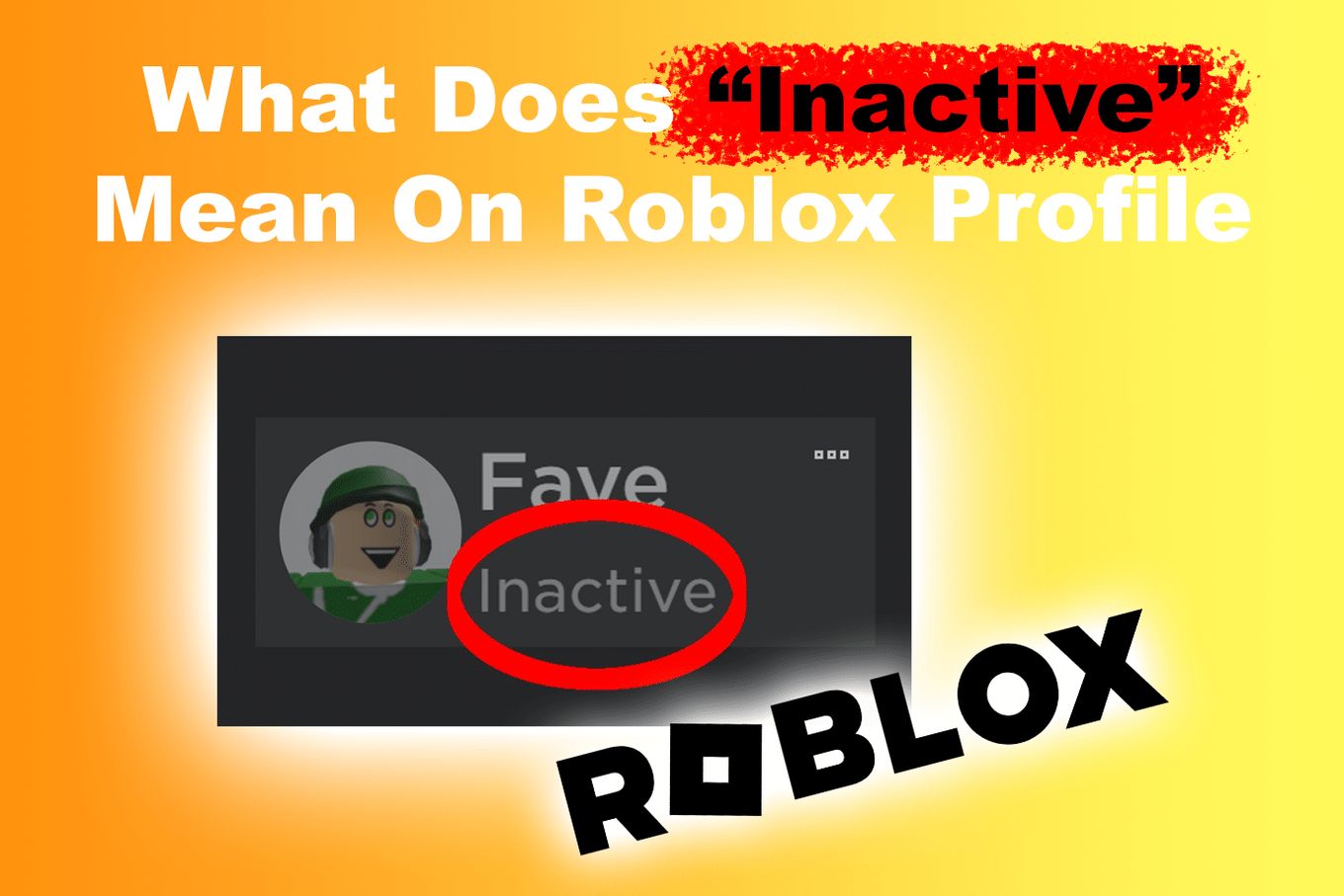
At its core, “inactive” on Roblox is a technical state assigned to user accounts that haven’t engaged with the platform for a sustained period. This isn’t a punitive measure but rather a system-driven classification designed to manage resources, maintain data integrity, and potentially reclaim resources associated with dormant accounts. The specific duration that defines “inactive” can vary and is subject to Roblox’s internal policies and system updates. However, the underlying principle remains consistent: a lack of user interaction signals a departure from active participation.
Defining the Threshold: How Roblox Identifies Inactivity
Roblox, like many online platforms, employs algorithms to track user activity. This tracking typically encompasses a range of actions, from logging into the platform to launching games, interacting with the friends list, or engaging with the creation tools. The system monitors these events to establish a user’s “last seen” timestamp. When this timestamp exceeds a predefined threshold without any recorded activity, the account is flagged as inactive.
The exact time frame for this flagging is not publicly disclosed by Roblox, and it’s plausible that different thresholds might exist for various aspects of the platform or for different user groups. For instance, an account that hasn’t been logged into for several months is far more likely to be deemed inactive than one that was last seen a few days ago. This dynamic approach allows Roblox to efficiently manage its vast user database and server resources.
The Mechanics of Activity Tracking
Behind the scenes, Roblox utilizes a robust backend infrastructure that continuously records user interactions. This system is designed to be performant and scalable, capable of handling billions of events daily. When a user logs in, their session is registered. When they join a game, this action is logged. Even minor interactions, like sending a chat message or browsing the avatar shop, contribute to the account’s activity log.
This data is essential not only for determining inactivity but also for powering many of Roblox’s features, such as displaying online friends, recommending games based on past play, and personalizing the user experience. The system must be precise in its tracking to ensure that “active” users are accurately represented and that the distinction between active and inactive is meaningful.
Implications of Inactivity for User Accounts
The designation of “inactive” on Roblox carries several practical implications, primarily centered around account visibility and potential administrative actions taken by Roblox. It’s important for users to understand these consequences to manage their accounts effectively and to maintain their presence within the Roblox community.
Visibility and Presence on the Platform
A primary consequence of being marked as inactive is the impact on a user’s visibility within the Roblox ecosystem. When an account is inactive, its status often changes from “Online” or “In-Game” to a less prominent display. This means that for their friends, or for the broader community, they will appear offline.
This can affect social interactions, as friends may not be able to readily see when an inactive user is available to play. It also means that the user’s profile might not appear in “online friends” lists or search results for active users. This diminished presence is a direct result of the system’s effort to prioritize and display current, engaged users, thus decluttering the social interface and providing a more relevant experience for active participants.
Account Management and Potential Reclaiming
Roblox, like any digital service, incurs costs associated with maintaining user accounts, storing data, and managing server resources. Dormant accounts, even if they contain virtual assets or a history of gameplay, represent a portion of these resources that are not actively being utilized. Consequently, Roblox reserves the right to manage these inactive accounts, which can include various administrative actions.

While Roblox is generally hesitant to permanently delete accounts without a compelling reason, prolonged inactivity can sometimes lead to account reclamation or suspension. This is often done to free up usernames that have been held by inactive accounts for extended periods, allowing new users to claim them. It can also be a measure to reduce the overall data load on their servers. It’s crucial for users who wish to preserve their accounts and usernames to ensure they engage with the platform periodically.
Understanding the User Experience and Community Impact
The concept of inactivity extends beyond mere technical flags; it has a tangible impact on the user experience and the overall health of the Roblox community. By managing inactive accounts, Roblox aims to foster a more dynamic and engaging environment for its active user base.
Maintaining a Vibrant Community Ecosystem
A thriving online community relies on active participation. When a significant portion of accounts are inactive, it can dilute the sense of community and make it harder for active users to connect and find others to play with. By identifying and potentially managing inactive accounts, Roblox can help ensure that the “online” and “active” statuses are more indicative of genuine engagement. This, in turn, promotes a more vibrant and interactive community where users are more likely to find fellow players and collaborators.
The platform’s algorithms that suggest games, friends, and content often rely on recent user activity. If a user remains inactive for too long, these recommendations may become stale or irrelevant, further reducing the likelihood of their return. By encouraging activity or managing dormancy, Roblox aims to keep its community ecosystem fresh and responsive.
The Role of User Engagement in Platform Longevity
From a platform perspective, user engagement is paramount to longevity and growth. Active users are the lifeblood of any online service. They contribute to the economy of the platform, generate content, and provide the social fabric that keeps users returning. Inactive accounts, while they might represent past engagement, do not contribute to the current dynamic.
Therefore, Roblox’s approach to managing inactivity is, in essence, a strategy to optimize for current and future engagement. By understanding that “inactive” means a user has not interacted with the platform recently, developers and players alike can better grasp the operational dynamics of Roblox. This awareness helps in understanding why certain features might behave in a certain way and how to ensure one’s own account remains a visible and active part of the metaverse.
Strategies for Maintaining Account Activity
For users who value their Roblox presence and wish to avoid their account being classified as inactive, proactive engagement is key. There are numerous ways to ensure an account remains active, ranging from casual logins to more involved participation.
Simple Steps to Keep Your Account Active
The easiest way to prevent your account from becoming inactive is to simply log in regularly. Even a brief login session, without necessarily playing a game, can reset your “last seen” timestamp and keep your account status active. Browsing the avatar shop, checking out new games, or interacting with your friends list can all contribute to this.
Regularly updating your avatar, reviewing your inventory, or even exploring the Roblox blog can also be sufficient to register as an activity. The platform is designed to recognize a broad spectrum of user interactions, so consistent, albeit not necessarily intensive, engagement is generally enough.
Deeper Engagement for Long-Term Presence
For users who are invested in their Roblox experience, deeper engagement offers the best assurance of maintaining an active status. This includes regularly playing games, whether solo or with friends. Creating and publishing experiences using Roblox Studio is an even more significant form of engagement that will undoubtedly keep an account active.
Participating in community events, joining groups, and interacting with other users through forums or social features also contribute to a robust activity log. The more a user integrates themselves into the various facets of the Roblox platform, the less likely it is that their account will ever be flagged as inactive. This consistent involvement not only keeps the account active but also enriches the user’s overall experience and their contribution to the Roblox metaverse.
aViewFromTheCave is a participant in the Amazon Services LLC Associates Program, an affiliate advertising program designed to provide a means for sites to earn advertising fees by advertising and linking to Amazon.com. Amazon, the Amazon logo, AmazonSupply, and the AmazonSupply logo are trademarks of Amazon.com, Inc. or its affiliates. As an Amazon Associate we earn affiliate commissions from qualifying purchases.