
Green. It’s a color that evokes nature, growth, and prosperity. On a flag, however, its meaning transcends simple botanical associations. From a brand strategy perspective, the use of green on a national or organizational banner is a deliberate choice, a potent visual signifier designed to communicate a specific identity, values, and aspirations to its audience. Understanding these nuances is crucial for anyone involved in branding, be it on a national scale or within a corporate setting. This article delves into the multifaceted meanings of green on flags, analyzing how this versatile hue functions as a powerful branding tool, shaping perceptions and forging connections.

The Core Symbolism of Green: A Foundation for Brand Identity
At its heart, green carries a universal resonance tied to nature and life. This inherent symbolism provides a robust foundation upon which national and organizational brands can build. When a flag features green, it taps into deeply ingrained human associations, creating an immediate, albeit often subconscious, connection with its viewers.
Growth, Fertility, and Prosperity
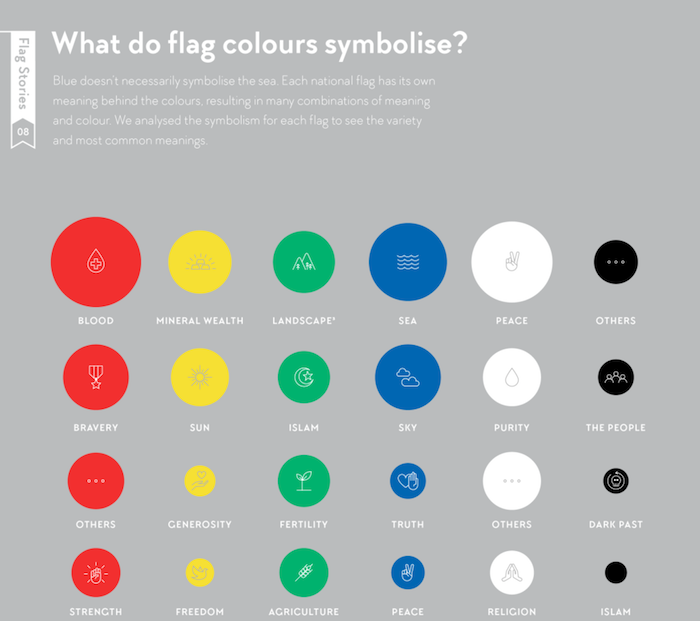
One of the most prevalent meanings of green on a flag is its association with growth, fertility, and prosperity. This is particularly evident in nations with economies heavily reliant on agriculture. The lushness of cultivated land, the promise of a bountiful harvest, and the overall sense of abundance are powerfully conveyed through the presence of green. Think of flags from countries where fertile plains and agricultural output are central to their national identity and economic well-being. This visual cue communicates a brand promise of stability, resourcefulness, and a positive economic outlook. For a national brand, this can translate to attracting investment, tourism, and international partnerships, all while fostering a sense of pride and optimism among its citizens.
Renewal, Hope, and New Beginnings
Beyond economic prosperity, green also signifies renewal, hope, and new beginnings. This is a powerful emotional anchor for any brand. In the context of flags, green can represent a fresh start, a nation emerging from conflict, or a society committed to progress and positive change. It speaks to resilience and the belief in a brighter future. For an organization, this translates to a brand identity that is forward-thinking, adaptable, and dedicated to innovation. It suggests a company that is not content with the status quo but is actively pursuing growth and positive impact. This message of hope can be particularly impactful in forging emotional connections with stakeholders, building loyalty, and inspiring a sense of shared purpose.
Environmentalism and Sustainability: A Modern Brand Imperative
In the contemporary global landscape, the symbolism of green has expanded significantly to encompass environmentalism and sustainability. As awareness of ecological challenges grows, nations and organizations are increasingly using green to signal their commitment to the planet. A flag featuring green can therefore be a powerful statement of ecological responsibility, a pledge to protect natural resources, and a dedication to sustainable practices. For a corporate brand, this is no longer a niche consideration but a fundamental aspect of its identity. Consumers, investors, and employees are increasingly looking for brands that align with their own values, and a clear commitment to sustainability, visually represented by green, can be a significant differentiator. This positioning can attract environmentally conscious consumers, enhance brand reputation, and even lead to operational efficiencies and cost savings through greener practices.
Green as a Brand Differentiator: Crafting a Unique National or Corporate Identity
The strategic use of green on a flag goes beyond simply conveying inherent meanings; it’s about differentiating a brand in a crowded marketplace. Just as a company carefully selects its logo colors and brand palette, nations employ flag design to craft a distinct visual identity that resonates with their target audiences – both domestic and international.
Establishing a Distinct Visual Identity

In the realm of national branding, the flag is the ultimate visual emblem. When green is a prominent color, it immediately sets a nation apart. Consider the vast spectrum of flag designs; green offers a distinct visual language. Its presence can convey a sense of natural beauty, a connection to the land, or a commitment to a particular ethos. This distinctiveness is crucial for building recognition and recall. A well-designed flag with a memorable color scheme, including green, can become instantly recognizable, fostering a sense of national pride and facilitating international diplomacy and trade. For businesses, this translates directly to brand recognition. A company whose logo or branding consistently utilizes green is, in essence, projecting these associated meanings. The goal is to create a visual signature that is not only aesthetically pleasing but also deeply resonant with the brand’s core message.
Communicating Values and Aspirations
Flags are more than just decorative elements; they are powerful communication tools that articulate a nation’s values and aspirations. Green, with its multifaceted symbolism, can be employed to convey a range of these important messages. A flag that features green alongside other colors might be signaling a particular historical narrative, a specific political ideology, or a future vision for the nation. For instance, green paired with white might represent peace and prosperity achieved through natural abundance, while green alongside red could symbolize the struggle for independence and the subsequent flourishing of the nation. For corporate branding, this translates to using green to communicate specific organizational values. Is the company focused on organic growth? Is it a leader in sustainable technology? Is it dedicated to employee well-being and personal development? Green can be a powerful visual shorthand for these aspirations, helping to shape public perception and attract like-minded individuals, whether they be customers, partners, or potential employees.
Building Emotional Connections and Trust
The most effective brands are those that forge emotional connections with their audience. Green, with its innate association with life, nature, and well-being, possesses a unique capacity to evoke positive emotions. On a national flag, this can translate to fostering patriotism and a sense of belonging among citizens. It can also create a welcoming and benevolent image for the nation on the global stage. In the corporate world, this emotional resonance is paramount. A brand that successfully leverages green to communicate its commitment to growth, health, or environmental responsibility can build trust and loyalty. Consumers are more likely to support brands that they perceive as having positive intentions and contributing to a better world. This emotional connection, nurtured through consistent branding, can lead to enduring customer relationships and a strong, resilient brand equity.
Case Studies: Green Flags in Action – Lessons in Brand Messaging
Examining specific flags and their use of green provides invaluable insights into how this color functions as a strategic branding element. These examples illustrate the power of color to convey complex narratives and shape perceptions.
The Emerald Isle’s Global Persona: Ireland
Ireland’s flag, a tricolor of green, white, and orange, prominently features green. This green is deeply intertwined with the nation’s nickname, “The Emerald Isle,” a testament to its lush, verdant landscape. Beyond its natural beauty, the green on the Irish flag also historically symbolizes the Catholic majority and the nationalist tradition. In a branding context, this green communicates a rich cultural heritage, a deep connection to the land, and a vibrant national identity. For Irish businesses looking to project a global image, this strong green association can evoke notions of quality, tradition, and a welcoming spirit. It’s a powerful visual cue that resonates internationally, tapping into both the romantic imagery of Ireland and its progressive modern identity.
The Symbol of Pan-Arabism: Saudi Arabia
The flag of Saudi Arabia, featuring a green background with an Arabic inscription and a sword, offers a different, yet equally powerful, use of green. Here, the green background is not primarily about landscape but about religious significance. Green is considered a sacred color in Islam, associated with the Prophet Muhammad and paradise. The inscription itself is the Shahada, the Islamic declaration of faith. In this context, green on the flag serves as a potent symbol of religious identity, faith, and the nation’s commitment to Islamic principles. For Saudi Arabia as a brand, this green communicates deeply held religious values, historical continuity, and a commitment to a specific spiritual and cultural framework. It’s a powerful signal to its own citizens and to the wider Muslim world, while also presenting a distinct facet of its national identity to international observers.
The Green Gold Standard: A Future-Forward Nation (Hypothetical Example)
Imagine a hypothetical nation, “Veridia,” whose flag is predominantly a vibrant, almost electric green, perhaps with a subtle silver or gold emblem. This design choice would immediately brand Veridia as a leader in sustainability and technological innovation. The vibrant green signals a commitment to ecological preservation, renewable energy, and a thriving green economy. The potential silver or gold emblem could further suggest advanced technology, precision, and high value. Veridia’s brand message would be clear: a forward-thinking nation dedicated to a sustainable future, where environmental responsibility and technological advancement go hand in hand. This hypothetical case illustrates how contemporary branding can leverage green to communicate a progressive and aspirational identity, attracting talent, investment, and international collaboration focused on building a better world.
In conclusion, the color green on a flag is far more than a mere aesthetic choice. It is a sophisticated branding element, a strategic decision that conveys a wealth of meanings related to prosperity, hope, environmental consciousness, and cultural identity. By understanding the nuanced symbolism of green, nations and organizations can effectively craft compelling brand narratives, forge deeper connections with their audiences, and establish a distinctive and resonant presence in the global landscape. The strategic application of color, as seen in the diverse use of green on flags, remains a cornerstone of impactful brand strategy.
aViewFromTheCave is a participant in the Amazon Services LLC Associates Program, an affiliate advertising program designed to provide a means for sites to earn advertising fees by advertising and linking to Amazon.com. Amazon, the Amazon logo, AmazonSupply, and the AmazonSupply logo are trademarks of Amazon.com, Inc. or its affiliates. As an Amazon Associate we earn affiliate commissions from qualifying purchases.