
Financial guilt is one of the most pervasive yet least discussed psychological burdens in the modern world. Whether it stems from a mountain of student loan debt, a history of impulsive spending, or the paralyzing fear of not being “good enough” with one’s resources, guilt acts as a silent anchor, dragging down financial progress and mental well-being. When we ask, “What does God say about guilt?” in the context of money, we are essentially exploring the intersection of ethics, stewardship, and personal finance.
In the realm of money management, guilt is often the result of a disconnect between our actions and our values. To achieve true financial freedom, one must move beyond the cycle of shame and toward a framework of stewardship. This article examines how to process financial guilt through the lens of higher principles, transforming economic regret into a strategic roadmap for wealth and security.
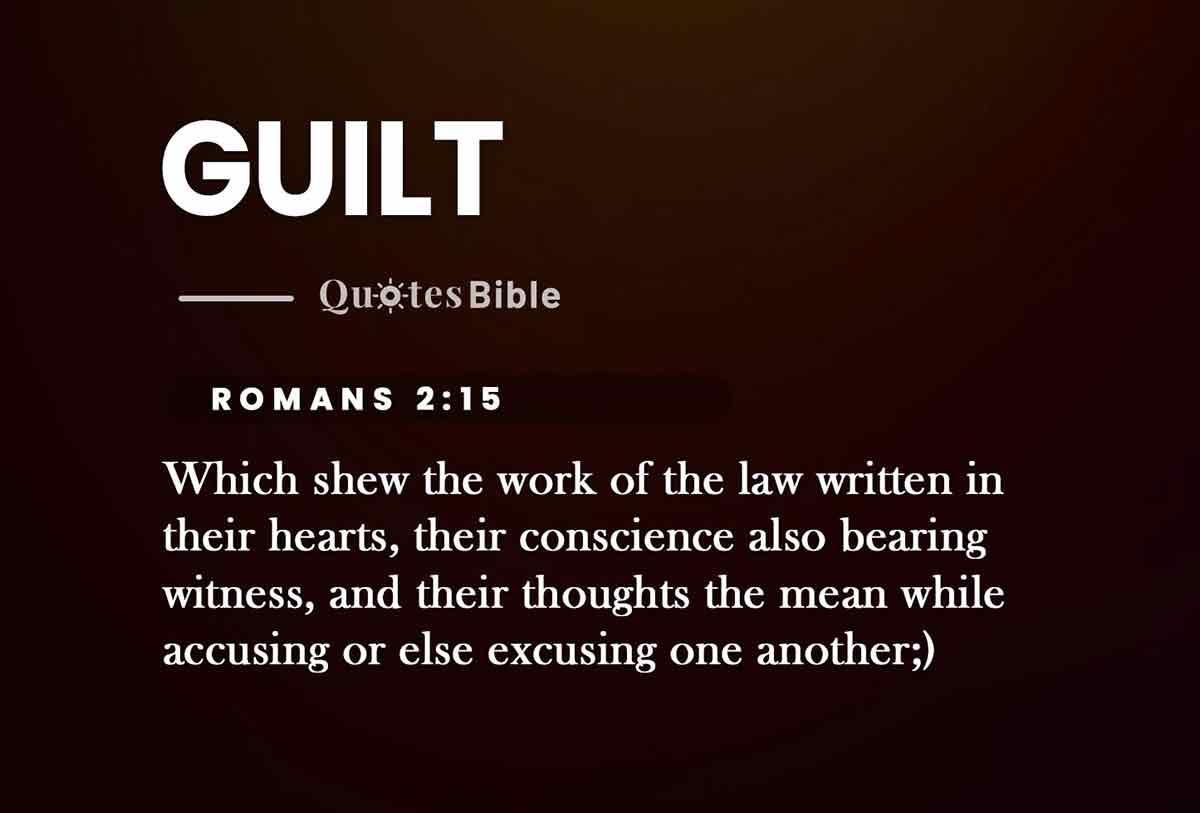
The Anatomy of Financial Guilt: Why We Feel “Debt Shame”
Guilt in the financial sector is rarely about the numbers themselves; it is about what those numbers represent. For many, a low credit score or a high debt-to-income ratio feels like a moral failing rather than a mathematical challenge. This “debt shame” can lead to financial paralysis, where individuals avoid looking at bank statements or making necessary investment decisions because the emotional weight is too heavy to bear.
The Psychology of Overspending and Regret
At its core, financial guilt often follows a period of “lifestyle inflation” or emotional spending. When we use money to fill an emotional void—buying gadgets, luxury goods, or experiences we cannot afford—we are essentially borrowing from our future selves to satisfy a present insecurity. The “guilt” that follows is our internal moral compass signaling that we have violated the principle of self-control. Understanding that this guilt is a signal, rather than a permanent state of being, is the first step toward reclaiming your financial narrative.
The Burden of the “Borrower is Servant”
From a classical financial perspective, debt is often viewed as a form of modern-day servitude. When you owe a creditor, your future labor is already “sold” to pay for your past choices. This realization often triggers a profound sense of guilt. However, the path to liberation lies in recognizing that while the “borrower is servant to the lender,” service can be concluded through a disciplined repayment strategy. The guilt should serve as the catalyst for an aggressive debt-snowball or debt-avalanche method, turning a negative emotion into a tactical advantage.
Principles of Stewardship: Moving from Guilt to Growth
To overcome financial guilt, one must adopt a “Stewardship Mindset.” In the niche of personal finance and investing, stewardship is the philosophy that we are managers of our resources, not just consumers of them. When you view money as a tool entrusted to you to build a legacy, provide for your family, and contribute to society, your relationship with every dollar changes.
Defining Money as a Tool, Not a Master
Guilt thrives when money is our master—when our happiness is dictated by the balance in our brokerage account. To break this cycle, you must redefine money as a neutral tool. A hammer can build a house or destroy a wall; similarly, money can build security or create chaos depending on the hand that holds it. By stripping the “moral weight” off the currency itself and placing the focus on your management skills, you can approach your finances with the objective mindset of a CEO rather than a victim of circumstance.
The Concept of Ethical Wealth Accumulation
Many people feel a subtle sense of “wealth guilt”—the idea that having more than enough is inherently wrong. However, the principles of financial growth suggest that wealth accumulation, when done ethically and through value creation, is a positive force. Ethical investing and business ownership allow you to create jobs, fund innovations, and support causes. When your “Higher Power”—be it your personal values or religious convictions—is aligned with your wealth-building goals, the guilt of “having” evaporates, replaced by the responsibility of “doing.”

Releasing the Weight of Past Financial Mistakes
The question of “what God says about guilt” is ultimately a question about forgiveness and fresh starts. In finance, this translates to the concept of “Financial Redemption.” No matter how many bad investments you’ve made or how many times you’ve filed for bankruptcy, the economic system—and your own personal journey—allows for a reboot.
Forgiveness and the Financial Fresh Start
Just as many spiritual traditions speak of a “Jubilee” or a year of debt forgiveness, modern financial systems have mechanisms for recovery. Forgiving yourself for past financial ignorance is crucial. You cannot make sound investing decisions for the year 2025 if you are still punishing yourself for a car loan you took out in 2018. True financial redemption involves an honest audit of past mistakes, an acceptance of the consequences, and a firm commitment to a new strategy.
Building a Guilt-Free Budget
A common misconception is that a budget is a tool for restriction. In reality, a well-constructed budget is a permission slip. When you allocate funds for “fun,” “savings,” and “charity” in advance, you eliminate the guilt associated with spending. If you know that your rent is paid and your retirement fund is growing, you can spend $100 on a dinner without the nagging feeling that you are doing something wrong. This is the essence of financial peace: knowing that your actions are in total alignment with your plan.
The Intersection of Integrity and Financial Freedom
The final stage of moving past financial guilt is integrating your values into your wealth-building strategy. This ensures that your future growth is built on a foundation of integrity, preventing the return of shame.
Investing with a Conscience (ESG and Faith-Based Funds)
Modern investors have more tools than ever to ensure their money is doing good in the world. Environmental, Social, and Governance (ESG) investing, as well as faith-based mutual funds, allow you to grow your net worth without compromising your ethics. When you know that your portfolio is supporting clean energy or medical breakthroughs, the act of investing becomes a source of pride rather than a source of moral ambiguity. This alignment is the ultimate “cure” for financial guilt.
Generosity as a Tool for Healing
One of the most effective ways to break the power of money over your life—and to silence the voice of guilt—is through radical generosity. It sounds counterintuitive to give money away when you feel you don’t have enough, but the act of giving breaks the “scarcity mindset.” Generosity proves to your subconscious that you have “more than enough” and that you are a person of value who can impact others. This shifts the focus from your past failures to your present capacity for good.
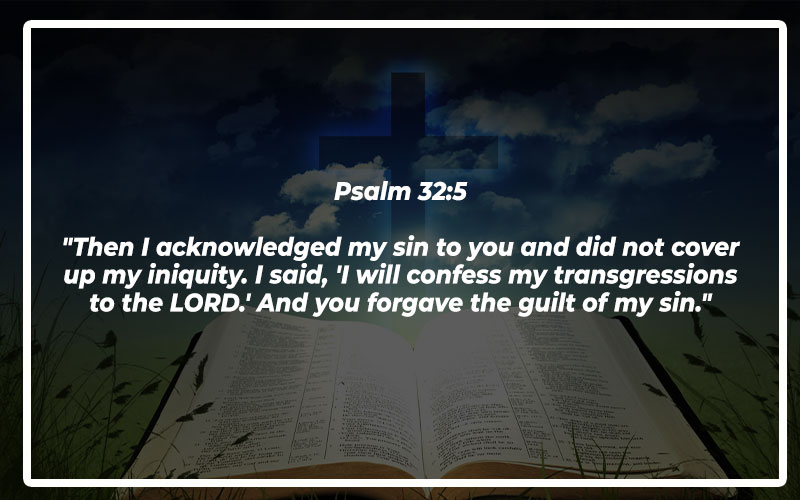
Conclusion: The Path to a Clear Financial Conscience
What does God—or the highest version of your moral self—say about guilt? It says that guilt is a temporary teacher, not a permanent prison. In the world of money and personal finance, guilt is a signal that your management (stewardship) is out of sync with your values.
To find redemption, you must move through a three-step process:
- Acknowledge: Face the debt and the mistakes without flinching.
- Adjust: Implement a rigorous, values-based budget and investment plan.
- Ascend: Focus on building wealth not just for consumption, but for contribution and legacy.
Financial freedom is not just about the number of zeros in your bank account; it is about the ability to look at your financial life and feel a sense of peace, integrity, and purpose. By applying the principles of stewardship and ethical management, you can leave the weight of guilt behind and step into a future of disciplined, purposeful prosperity.
aViewFromTheCave is a participant in the Amazon Services LLC Associates Program, an affiliate advertising program designed to provide a means for sites to earn advertising fees by advertising and linking to Amazon.com. Amazon, the Amazon logo, AmazonSupply, and the AmazonSupply logo are trademarks of Amazon.com, Inc. or its affiliates. As an Amazon Associate we earn affiliate commissions from qualifying purchases.