
In an era dominated by contactless payments, mobile wallets, and instantaneous digital transfers, the traditional paper check remains a surprisingly resilient fixture of the financial landscape. Whether you are setting up a direct deposit for a new job, authorizing an automatic mortgage payment, or paying a vendor who hasn’t yet embraced digital invoicing, the humble check serves as a vital bridge between your liquid assets and the rest of the world.
However, for many modern consumers, the layout of a check can be confusing. It is a document dense with numbers and symbols, each serving a specific regulatory or logistical purpose. Understanding exactly where your account number is—and how to distinguish it from the other strings of digits—is a fundamental skill in personal finance management.

Anatomy of a Personal Check: Understanding the MICR Line
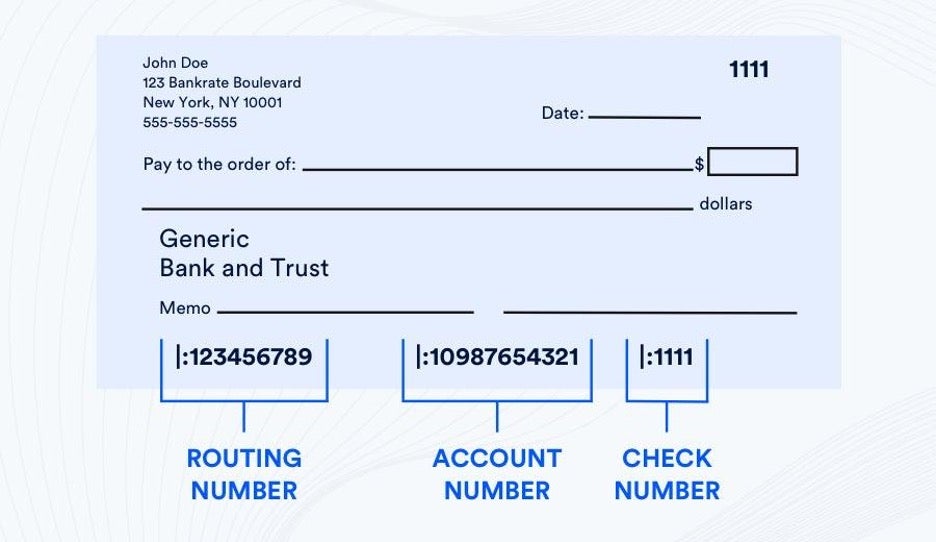
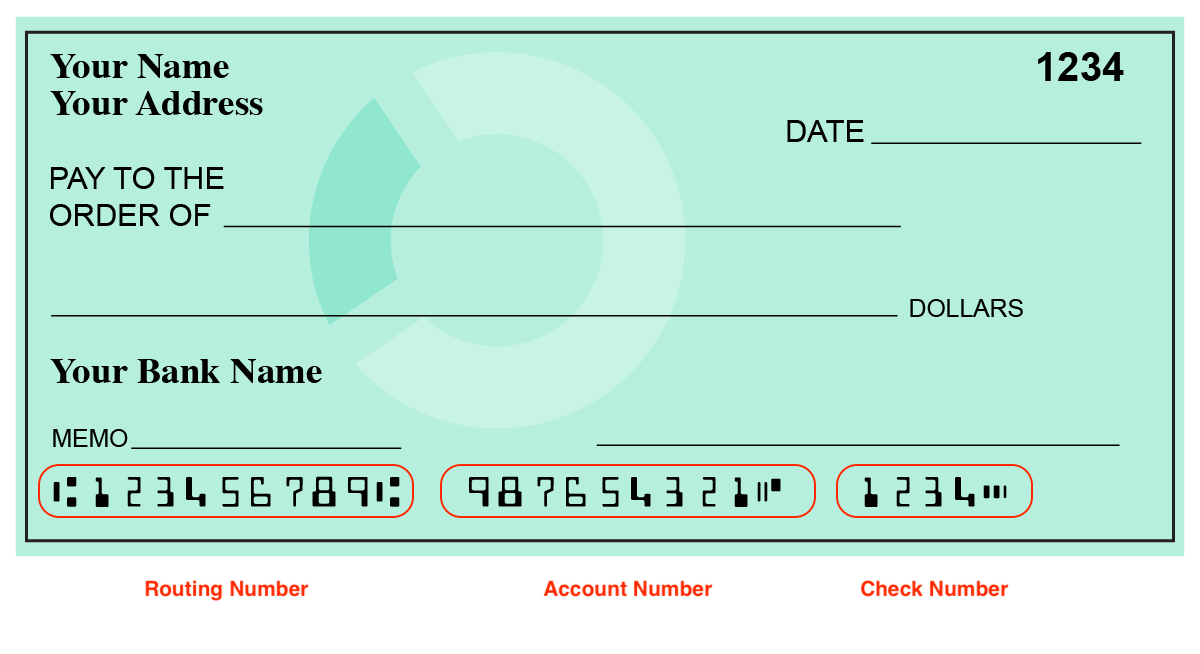
At the bottom of every legitimate personal or business check is a string of characters printed in a unique, blocky font. This is known as the MICR (Magnetic Ink Character Recognition) line. This technology was developed in the late 1950s to allow computers to read and process checks quickly and accurately. To find your account number, you must first understand the three distinct sets of numbers that comprise this line.
The Routing Number (The First Set)
The first sequence of numbers, usually located on the far left of the bottom line, is your bank’s ABA (American Bankers Association) routing transit number. This nine-digit code acts as an address for your financial institution. It tells the Federal Reserve and other banks exactly where the money should be sent or requested from. It is important to note that everyone who uses your specific bank branch or region will likely have the same routing number; it is not unique to you, but rather to the institution.
The Account Number (The Second Set)
The second set of numbers is your unique account number. This is the “ID” for your specific checking account. In most standard check layouts, the account number is located in the middle of the MICR line, positioned between the routing number and the check number. It is usually 8 to 12 digits long, though this can vary depending on the bank’s internal systems. This number is your “financial fingerprint” for that specific account and must be guarded carefully.
The Check Number (The Third Set)
The final set of numbers on the MICR line, typically found on the far right, is the check number. This should match the number printed in the top right-hand corner of the check. Its purpose is purely for record-keeping, allowing you and your bank to track which specific check has been processed and to help prevent the accidental double-processing of a single payment.
The Critical Differences Between Account and Routing Numbers
In the world of personal finance, confusing the routing number with the account number is a common mistake that can lead to failed transactions, late fees, or even “returned item” penalties from your bank. Understanding the functional difference between these two identifiers is essential for maintaining a healthy financial life.
Identifying Your Specific Bank (Routing)
Think of the routing number as the “Zip Code” of your bank. When you provide a routing number for a wire transfer or a direct deposit, you are telling the financial system, “Go to this specific building.” The routing number identifies the financial institution’s size, location, and its ability to process electronic transactions. Without a correct routing number, your money is essentially lost in the mail; it has no destination.
Your Unique Financial Identity (Account)
If the routing number is the Zip Code, your account number is the “Street Address and Apartment Number.” It identifies you specifically among the thousands or millions of customers at that bank. When an employer initiates a direct deposit, they use the routing number to find the bank and the account number to ensure the funds land in your specific pocket rather than a stranger’s. Because this number provides direct access to your funds, it is the most sensitive piece of information on the check.
Practical Applications: When You Need Your Account Number
While we rarely “read” our checks for fun, there are several high-stakes scenarios in personal and business finance where accurately identifying your account number is mandatory.
Setting Up Direct Deposits
When you start a new job, the HR department will likely ask for a voided check or your account and routing numbers. They use this information to create an Automated Clearing House (ACH) link. By correctly identifying your account number on your check, you ensure that your hard-earned paycheck arrives in your balance on time, every time. Many modern payroll systems now allow you to upload a photo of your check, where AI tools automatically extract these numbers, but manual verification remains a best practice.
Automating Bill Payments
To avoid late fees and maintain a high credit score, many financial experts recommend automating recurring payments like utilities, insurance, and rent. When you set up “Auto-Pay” via a service provider’s portal, you are usually given the choice between using a credit card (which may incur fees) or a bank account (which is usually free). Choosing the bank account option requires you to input the account number found on your check.
Electronic Fund Transfers (EFT)
Whether you are transferring money to a brokerage account to invest in the stock market or sending a large sum for a down payment on a home, Electronic Fund Transfers (EFT) are the standard. These transfers rely entirely on the accuracy of the MICR line data. A single transposed digit in your account number can result in the funds being rejected or, in rare and stressful cases, sent to the wrong individual.
Security and Privacy: Protecting Your Banking Information
Because your account number is the “key” to your liquid cash, it is a primary target for identity thieves and fraudsters. Managing the security of your checks is as important as managing the balance within the account.
Safe Storage of Physical Checks
Even if you primarily use debit cards, your checkbook should never be left in a vehicle or an unsecured drawer at work. A thief who gains access to a single check has all the information they need—your name, address, routing number, and account number—to attempt fraudulent ACH withdrawals or to create counterfeit checks. If you no longer use a specific checking account, ensure that any remaining checks are shredded using a cross-cut shredder.
Recognizing Common Check Scams
Financial literacy includes being aware of “check washing” and other fraudulent schemes. Check washing involves using chemicals to erase the ink on a check you’ve written to change the payee and the amount. However, even without the physical check, if a scammer has your account number, they can attempt “e-check” fraud. Always monitor your bank statements weekly to ensure that every withdrawal matches a transaction you authorized.
Digital Alternatives to Paper Checks
For those concerned about the security risks of paper, many banks now offer “digital checks” or “Zelle” integrations. Furthermore, you can often find your account and routing numbers by logging into your bank’s secure mobile app or website, usually under “Account Details.” This allows you to provide necessary information for transfers without ever having to pull out a physical checkbook in public.
Troubleshooting and Strategic Financial Tips
Sometimes, identifying the numbers isn’t as straightforward as it seems. There are nuances to banking documents that can trip up even seasoned investors.
What if the Numbers are Smudged?
If you have an old checkbook or a check that has been exposed to moisture, the MICR line may become blurred. In these instances, do not guess. Using the wrong account number can trigger automated fraud alerts at your bank. Instead, refer to your monthly bank statement (either paper or PDF). The account number is always listed at the top of your statement, usually near your name and the period of the report.
Finding Numbers Without a Physical Check
Many “Neo-banks” or digital-first financial institutions do not issue physical checkbooks by default. If you are using a high-yield savings account or a digital checking account and need to find your numbers for a transfer, look for a tab labeled “Direct Deposit Info” or “Direct Deposit Form” within your app. These platforms usually provide a digital “mock check” that displays your routing and account numbers in the traditional format to prevent confusion.
Understanding Business vs. Personal Check Layouts
If you are an entrepreneur, you may notice that business checks are sometimes larger and have the account numbers in slightly different positions. Some business checks place the check number at the beginning of the MICR line instead of the end. Regardless of the order, the account number is almost always the longest string of digits and is never the one starting with the “0” or “1” associated with the nine-digit routing code.
In conclusion, while the world moves toward a paperless future, the data contained on a check remains the bedrock of the global financial system. By mastering the anatomy of your check, you empower yourself to manage your money with greater precision, set up automated wealth-building tools with confidence, and protect your personal identity from the evolving threats of the digital age. Knowing where your account number is isn’t just about reading a document; it’s about taking command of your financial identity.
aViewFromTheCave is a participant in the Amazon Services LLC Associates Program, an affiliate advertising program designed to provide a means for sites to earn advertising fees by advertising and linking to Amazon.com. Amazon, the Amazon logo, AmazonSupply, and the AmazonSupply logo are trademarks of Amazon.com, Inc. or its affiliates. As an Amazon Associate we earn affiliate commissions from qualifying purchases.