
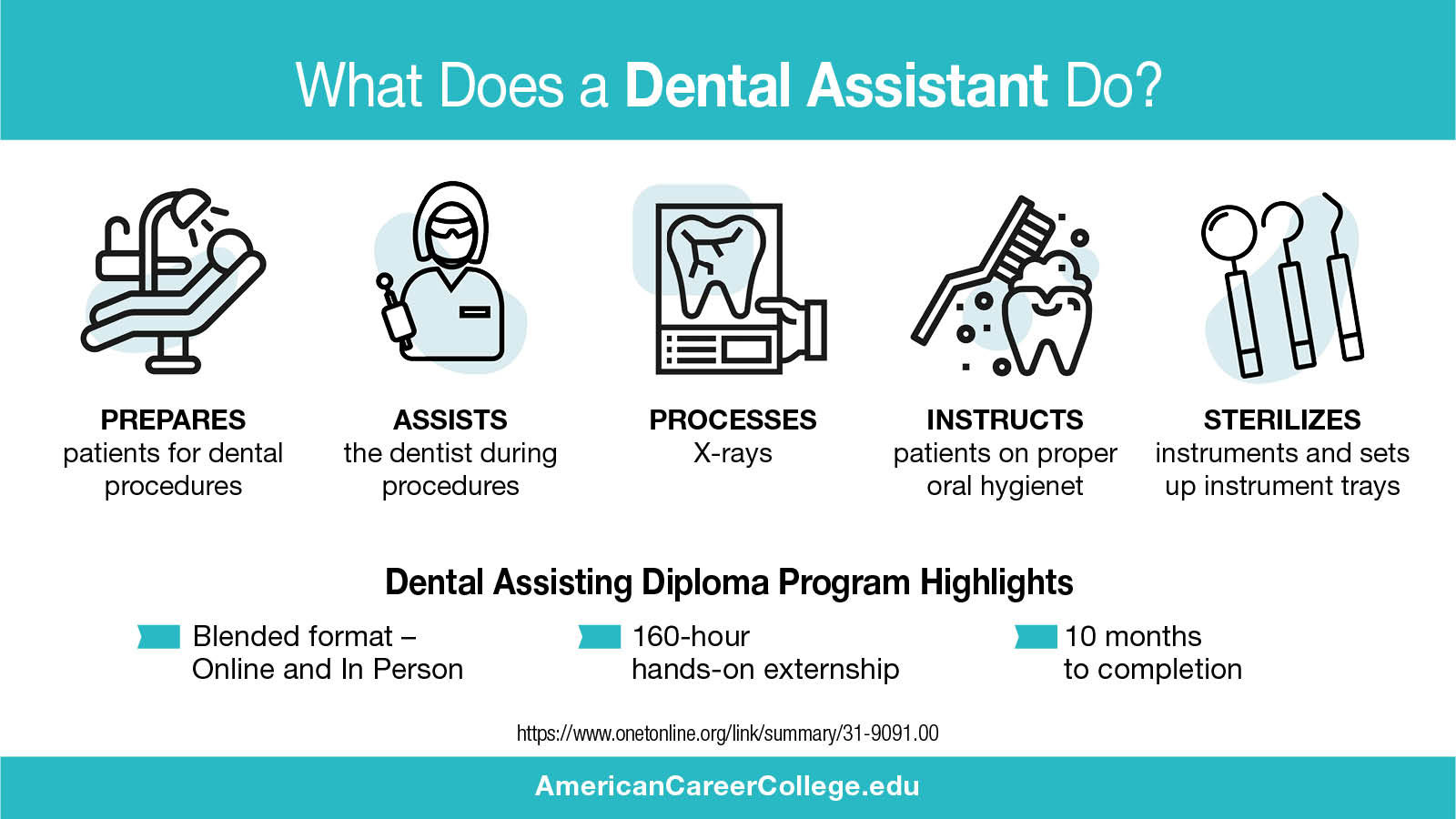
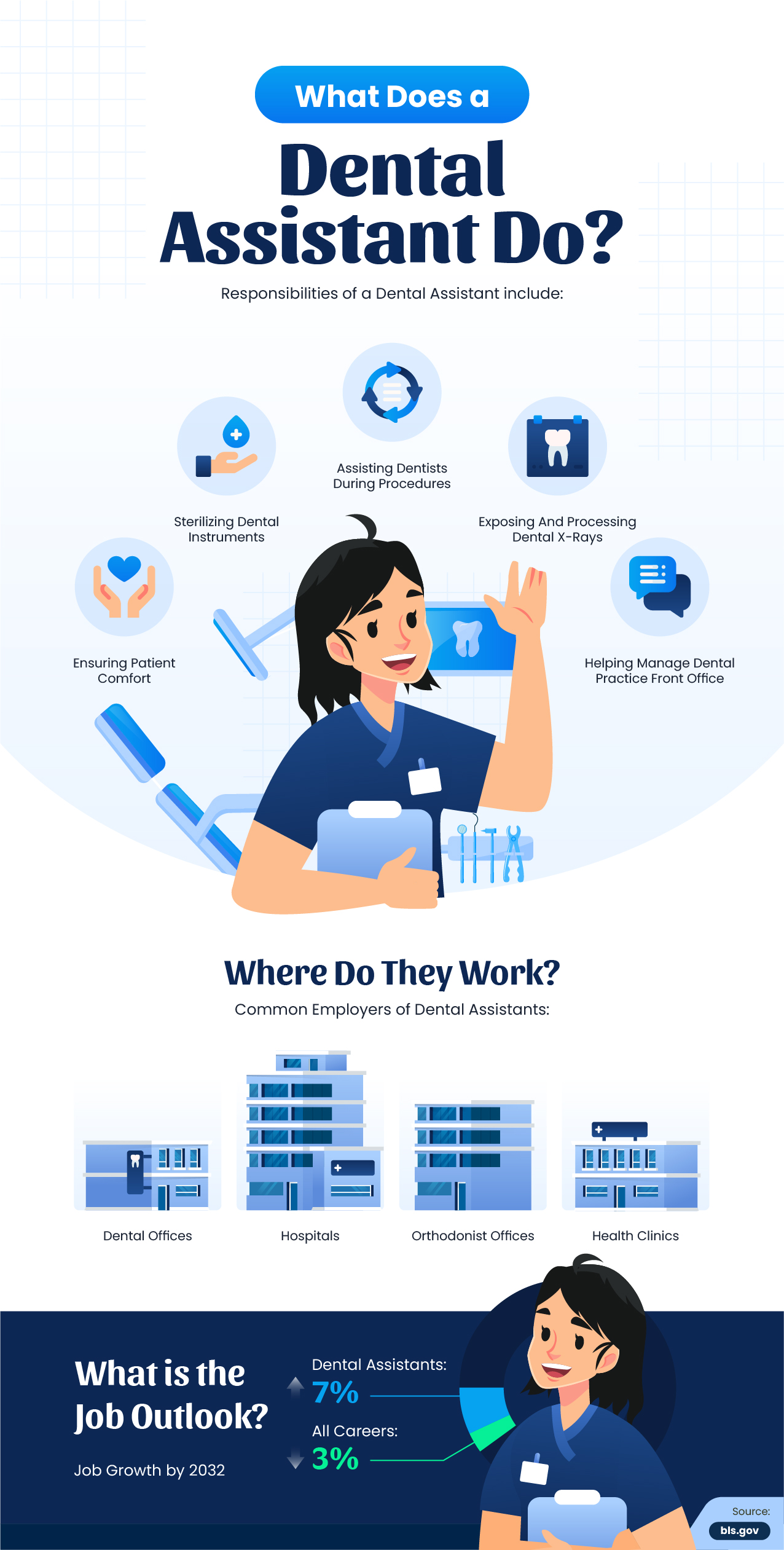
The role of a dental assistant is multifaceted, extending far beyond simple chairside tasks. In today’s technologically advanced healthcare landscape, dental assistants are increasingly integral to the efficient and effective delivery of oral healthcare services. Their responsibilities span a wide spectrum, encompassing patient care, administrative duties, and the crucial management of dental equipment and materials. Understanding the depth and breadth of a dental assistant’s contributions is key to appreciating their value within a dental practice and their impact on patient experience and outcomes. This article will delve into the core functions and specialized skills that define the modern dental assistant, focusing on their critical role in leveraging technology for optimal patient care and practice management.
The Technological Backbone of Modern Dentistry: How Dental Assistants Drive Innovation
In contemporary dental practices, technology is no longer a mere adjunct but a fundamental component of service delivery. Dental assistants are at the forefront of integrating and utilizing these advancements, ensuring that patients benefit from the latest in diagnostic, treatment, and patient management solutions. Their proficiency with digital tools not only streamlines workflows but also enhances the precision and comfort of dental procedures, directly contributing to a higher standard of care.
Embracing Digital Diagnostics and Imaging
Modern dentistry has undergone a significant digital transformation, and dental assistants are key players in this evolution. Gone are the days of solely relying on film-based X-rays. Today, digital radiography is the norm, and dental assistants are responsible for operating and maintaining these sophisticated systems.
Mastering Digital Radiography and Intraoral Cameras
Dental assistants are trained to expertly position patients and acquire high-quality digital radiographs. This includes panoramic, bitewing, and periapical X-rays, which are essential for diagnosing cavities, bone loss, and other oral health issues. The immediate display of these images on a monitor allows for real-time discussion with the patient and facilitates seamless integration into electronic health records. Beyond static images, intraoral cameras are another vital technological tool. Dental assistants use these cameras to capture detailed, magnified images of a patient’s teeth and gums, which can be displayed on a screen for the patient to see. This visual aid significantly improves patient understanding and engagement, empowering them to make informed decisions about their oral health. The ability to document these visual findings digitally also aids in treatment planning and tracking progress over time.
Navigating 3D Imaging and Cone Beam CT (CBCT) Technology
The advent of Cone Beam Computed Tomography (CBCT) has revolutionized diagnostic capabilities in dentistry. CBCT machines produce detailed 3D images of the teeth, jaws, and surrounding facial structures. Dental assistants are often responsible for operating these units, ensuring correct patient positioning, and managing the acquisition of scan data. This technology is invaluable for complex procedures such as dental implant placement, endodontic treatments, and orthodontic assessments, providing a level of detail previously unattainable. The data generated by CBCT scans can be manipulated in specialized software, allowing dentists to visualize anatomical structures from multiple angles, plan surgeries with greater precision, and identify potential complications before they arise. Dental assistants play a crucial role in the efficient transfer and organization of this voluminous data.
Utilizing Digital Patient Records and Practice Management Software
The transition from paper charts to digital records has been a game-changer for dental practices. Dental assistants are instrumental in this digital ecosystem, managing patient information and facilitating efficient practice operations.
Efficiently Managing Electronic Health Records (EHRs)
Electronic Health Records (EHRs) are now standard in most dental settings. Dental assistants are tasked with accurately inputting and updating patient demographics, medical histories, treatment plans, and appointment schedules. They ensure that all information is entered correctly, securely, and in compliance with privacy regulations like HIPAA. This digital management of records allows for quick retrieval of information, reducing administrative burden and minimizing the risk of human error associated with paper-based systems. Furthermore, EHRs enable seamless communication between different members of the dental team and can be integrated with other healthcare systems for comprehensive patient care.
Streamlining Appointment Scheduling and Communication with Practice Management Systems
Practice management software is the central nervous system of a modern dental office. Dental assistants are often the primary users of these systems, handling tasks such as scheduling appointments, managing patient recall systems, sending appointment reminders, and processing insurance claims. These systems allow for optimized scheduling, reducing patient wait times and maximizing the dentist’s efficiency. Automated reminders, often sent via text or email, have proven highly effective in reducing no-shows and improving patient adherence to their treatment plans. The ability to manage billing and insurance information within these systems also streamlines financial operations and ensures timely reimbursement.
Implementing Sterilization and Infection Control Technologies
Maintaining a sterile environment is paramount in dentistry. Dental assistants are the gatekeepers of infection control, and modern technology plays a vital role in this process.
Operating and Maintaining Sterilization Equipment
Dental assistants are responsible for the meticulous sterilization of all dental instruments. This involves operating advanced autoclaves (steam sterilizers), instrument washers, and ultrasonic cleaners. They must understand the different sterilization cycles, monitor their effectiveness through biological and chemical indicators, and maintain detailed logs. Proper sterilization is not only a regulatory requirement but also a critical component of patient safety, preventing the transmission of infectious diseases. The ongoing advancements in sterilization technology, such as faster cycle times and improved monitoring systems, rely on the dental assistant’s expertise to implement them effectively.
Utilizing Disinfection and Barrier Technologies
Beyond instrument sterilization, dental assistants employ a range of disinfection protocols and barrier techniques to maintain a clean and safe operatory. This includes using EPA-approved disinfectants for surfaces, understanding proper hand hygiene protocols, and utilizing disposable barriers on equipment. They are also responsible for disposing of biohazardous waste safely and appropriately. The selection and proper application of these technologies are crucial in preventing cross-contamination and ensuring a hygienic environment for both patients and staff.
Enhancing Patient Experience Through Digital Integration
The integration of technology in a dental assistant’s role extends beyond operational efficiency to directly impact the patient’s experience. By leveraging digital tools, dental assistants can foster better communication, provide more personalized care, and alleviate patient anxiety.
Improving Patient Education and Engagement with Digital Tools
Traditionally, patient education relied on brochures or verbal explanations. Today, dental assistants can utilize a wealth of digital resources to empower patients with knowledge.
Interactive Educational Software and Videos
Many dental practices now use interactive software and digital displays to educate patients about various dental conditions, treatment options, and oral hygiene techniques. Dental assistants are proficient in using these platforms, guiding patients through visual presentations that can explain complex procedures in an easily understandable manner. This visual approach helps demystify dental treatments and encourages active patient participation in their oral healthcare journey. Videos demonstrating brushing techniques, flossing, or the benefits of fluoride treatments can be played chairside, providing a dynamic and engaging learning experience.
Utilizing Digital Smile Design and Visualization Tools
For aesthetic dentistry, digital smile design (DSD) software is becoming increasingly popular. Dental assistants may be involved in capturing the initial photos and videos of a patient’s smile, which are then used by the dentist and DSD software to create a visual representation of the proposed outcome. This allows patients to see a virtual preview of their future smile, helping them to visualize the potential results of cosmetic procedures. This technology significantly enhances patient confidence and satisfaction by setting clear expectations.
Streamlining Patient Check-in and Communication Protocols
Technology has also transformed the way patients interact with a dental practice from the moment they arrive.
Implementing Digital Check-in Systems and Patient Portals
Many modern dental offices have adopted digital check-in systems, allowing patients to complete registration forms and update their information on tablets or kiosks. Dental assistants often manage these systems, ensuring they are operational and assisting patients who may require help. Furthermore, patient portals provide a secure online platform where patients can access their medical history, view appointment details, request prescription refills, and communicate with the dental team. Dental assistants play a role in onboarding patients to these portals and assisting with any technical queries.
Leveraging Tele-dentistry and Remote Monitoring Technologies
While still evolving, tele-dentistry holds significant promise for expanding access to care and improving patient convenience. In situations where appropriate, dental assistants may be involved in facilitating tele-dentistry appointments, ensuring the remote connection is stable and assisting patients with any technical requirements. They might also assist in the initial collection of data for remote monitoring, which could involve patients submitting photos or videos of their oral health between appointments. This technology is particularly beneficial for patients with mobility issues or those living in remote areas.
The Evolving Role of the Dental Assistant in Technology Adoption
The dental assistant’s role is dynamic, constantly adapting to the introduction of new technologies and workflows. Their willingness to embrace and master these advancements is critical for the success of any forward-thinking dental practice.
Continuous Learning and Professional Development in Digital Dentistry
The field of dental technology is perpetually advancing. Dental assistants are expected to engage in continuous learning to stay abreast of the latest innovations. This includes attending workshops, webinars, and training sessions focused on new software, equipment, and digital imaging techniques. Professional organizations and continuing education providers offer specialized courses that equip dental assistants with the skills needed to operate and maintain cutting-edge dental technology effectively. This commitment to ongoing education ensures they remain valuable assets to their practices and contribute to the adoption of best practices.
Staying Updated on Software Updates and New Gadgets
New software versions are released regularly, often with enhanced features or updated security protocols. Dental assistants need to be proactive in learning about these updates to ensure seamless operation. Similarly, new gadgets and diagnostic tools are continually emerging in the market. A proactive dental assistant will research these innovations, understand their potential benefits, and advocate for their adoption if they align with the practice’s goals for improving patient care and efficiency. This proactive approach to technology adoption is a hallmark of a progressive dental assistant.
Contributing to Workflow Optimization Through Technology Integration
Dental assistants are not just users of technology; they are active contributors to how it is integrated into the practice’s workflow. Their hands-on experience provides invaluable insights into what works best in practice.
Providing Feedback on Software and Equipment Performance
Dental assistants are often the first to identify potential issues or areas for improvement with new technologies. They can provide crucial feedback to dentists and practice managers regarding the usability, efficiency, and reliability of dental software and equipment. This feedback loop is essential for optimizing workflows, troubleshooting problems, and making informed decisions about future technology investments. A dental assistant who actively contributes to this process helps to shape a more efficient and technologically advanced practice.
Advocating for Technology that Enhances Patient Care and Practice Efficiency
As frontline caregivers, dental assistants are well-positioned to advocate for the adoption of technologies that demonstrably enhance patient care, improve diagnostic accuracy, or streamline practice operations. Whether it’s recommending a new piece of imaging equipment, a more intuitive practice management system, or an innovative patient education tool, their informed recommendations can drive positive change within the dental setting. By championing technologies that align with the practice’s mission, dental assistants play a pivotal role in ensuring the practice remains competitive and at the forefront of dental care delivery.
In conclusion, the modern dental assistant is a technically proficient professional who plays a vital role in integrating and utilizing a wide array of dental technologies. From digital imaging and advanced diagnostic tools to electronic health records and sophisticated sterilization equipment, their expertise ensures that dental practices operate efficiently, safely, and deliver the highest standard of patient care. Their commitment to continuous learning and their active participation in technology adoption make them indispensable members of the dental healthcare team, driving innovation and improving the patient experience in every aspect of modern dentistry.
aViewFromTheCave is a participant in the Amazon Services LLC Associates Program, an affiliate advertising program designed to provide a means for sites to earn advertising fees by advertising and linking to Amazon.com. Amazon, the Amazon logo, AmazonSupply, and the AmazonSupply logo are trademarks of Amazon.com, Inc. or its affiliates. As an Amazon Associate we earn affiliate commissions from qualifying purchases.