
Honda’s CRF designation is more than just an alphanumeric code; it represents a lineage of high-performance, off-road motorcycles that have shaped the landscape of dirt biking, motocross, and even adventure touring. For enthusiasts and newcomers alike, understanding what CRF stands for and the history it embodies offers a deeper appreciation for the brand’s commitment to engineering excellence and rider experience. While Honda’s nomenclature can sometimes be intricate, the CRF series consistently signals a focus on competition-bred technology and unwavering reliability.
The Genesis of the CRF: A Racing Pedigree
The “CRF” designation emerged as Honda sought to differentiate its four-stroke off-road machines from its long-standing two-stroke CR (Competition Racing) line. This shift was not merely cosmetic; it signified a fundamental evolution in off-road motorcycle technology, driven by the burgeoning popularity and competitive success of four-stroke engines.

The Four-Stroke Revolution in Off-Road
By the late 1990s and early 2000s, the advantages of four-stroke engines in off-road applications were becoming increasingly apparent. Four-strokes offered broader, more tractable power delivery, improved fuel efficiency, and a smoother, less fatiguing riding experience compared to their two-stroke counterparts. This was particularly beneficial in longer races and demanding off-road conditions where rider endurance and consistent power were paramount.
Honda, a pioneer in engine technology, embraced this transition wholeheartedly. The development of the CRF line was a direct response to the evolving demands of motocross, supercross, and off-road racing. The goal was to create motorcycles that not only competed but dominated, leveraging Honda’s extensive research and development capabilities to push the boundaries of what was possible.
From Competition to Consumer: A Shared DNA
The early CRF models were almost exclusively focused on professional racing. The CRF450R and CRF250R became instant icons in the motocross world, known for their potent engines, advanced suspension, and agile chassis. These machines were engineered with the sole purpose of winning races, and their design philosophy was directly translated from the track to the showroom floor.
This meant that consumers who purchased a CRF were getting a motorcycle that was essentially a detuned race bike. The technology, the performance characteristics, and even the rider ergonomics were all influenced by the demands of professional athletes. This provided a unique selling proposition for Honda, offering a tangible connection between the bikes ridden by champions and the machines available to the public. The “CRF” thus became synonymous with a direct link to racing success, a powerful symbol for any aspiring rider.
Decoding the “F”: Functionality and Future-Forward Design
While “CR” in Honda’s lineup historically stood for “Competition Racing,” the addition of the “F” in CRF marked a significant evolutionary step. The “F” itself doesn’t have a singular, universally declared meaning by Honda in the same way a technical acronym might. However, within the context of Honda’s product development and marketing, it strongly implies “Four-Stroke.” This distinction was crucial as it clearly separated these new machines from their two-stroke brethren and highlighted a commitment to the future of off-road propulsion.
The Four-Stroke Advantage Engineered
The decision to focus on four-stroke technology for the CRF line was a strategic one. Four-stroke engines, while often more complex in design, offered several key advantages for off-road use:
- Broader Powerband: Four-strokes typically produce power over a wider rev range, making them more forgiving and easier to manage in varied terrain. This translates to less clutch work and a smoother, more predictable power delivery.
- Improved Torque: Four-stroke engines generally offer more low-end and mid-range torque, which is essential for climbing hills, navigating technical sections, and getting out of corners quickly.
- Fuel Efficiency: Compared to two-strokes, four-strokes are generally more fuel-efficient, a benefit for longer rides and endurance events.
- Reduced Emissions and Noise: Four-stroke engines produce cleaner emissions and are typically quieter than their two-stroke counterparts, aligning with increasing environmental regulations and rider comfort.
Honda’s engineers meticulously developed these four-stroke engines for the CRF series, focusing on power, responsiveness, and reliability. They implemented advanced technologies like Unicam or Showa suspension systems, sophisticated fuel injection, and lightweight, durable engine components to ensure the CRF line lived up to its performance expectations.
Beyond Motocross: The Expanding CRF Family
The success of the CRF designation in the motocross and supercross arena paved the way for its expansion into other off-road disciplines. Honda recognized that the core principles of performance, reliability, and rider-centric design that defined the CRF motocross bikes could be adapted to a wider range of applications.
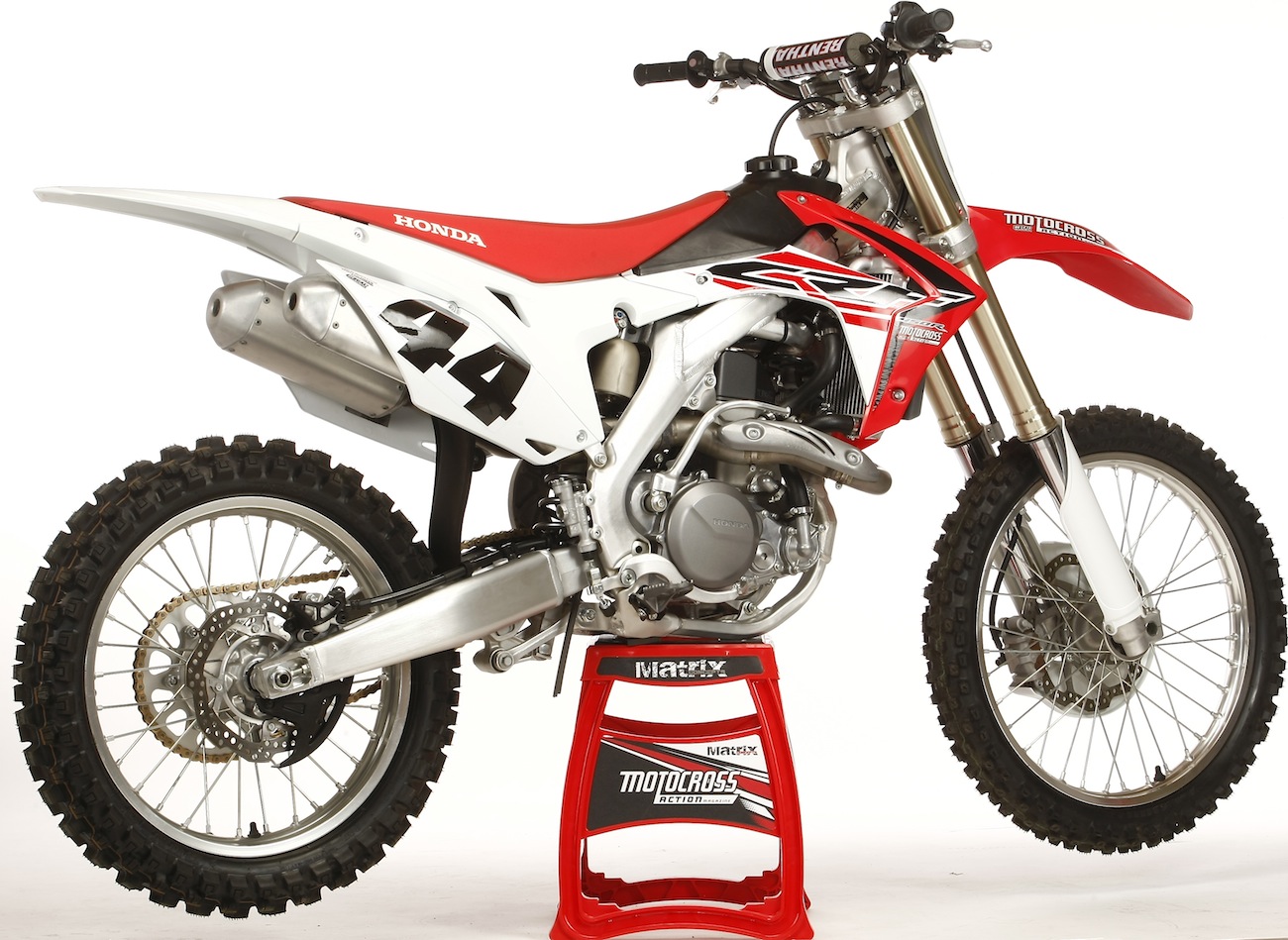
This led to the introduction of CRF models tailored for enduro, dual-sport, and even adventure touring. These variations, while sharing the fundamental CRF DNA, incorporated features specific to their intended use. For example, CRF-X models (like the CRF250X and CRF450X) are designed for extreme enduro and off-road trails, featuring wider gear ratios, electric starters, and often lighting for legality.
The CRF-L and CRF-Rally models represent Honda’s foray into the dual-sport and adventure segments. These bikes retain the off-road prowess of their siblings but are equipped with features like larger fuel tanks, longer-travel suspension, more comfortable ergonomics, and street-legal components (lights, mirrors, turn signals) to allow for seamless transitions between pavement and dirt. This diversification under the CRF banner demonstrated Honda’s commitment to catering to a broader spectrum of riders, from the weekend warrior to the seasoned globetrotter, all united by the promise of the CRF experience.
Technological Advancements Driving the CRF Line
The CRF designation has consistently been at the forefront of off-road motorcycle technology. Honda’s relentless pursuit of innovation is evident in the features and engineering that have defined the series throughout its evolution. These advancements are not merely about adding bells and whistles; they are about enhancing performance, improving rider control, and increasing the overall capability of the motorcycles.
Engine and Drivetrain Innovations
At the heart of every CRF is a sophisticated engine designed for optimal performance and reliability. Honda has been a leader in developing compact, powerful, and efficient four-stroke engines.
- Unicam Cylinder Head: A hallmark of many CRF motocross and off-road models is the Unicam cylinder head design. This innovative system utilizes a single overhead camshaft to actuate both intake and exhaust valves, reducing weight and complexity compared to a traditional dual-overhead camshaft (DOHC) setup. This contributes to a more compact engine, improved mass centralization, and lighter overall bike weight, all crucial for nimble handling.
- Fuel Injection (FI): The transition to electronic fuel injection was a significant leap for the CRF line, offering precise fuel metering for improved throttle response, consistent power delivery across different altitudes and temperatures, and easier starting. FI also contributes to better fuel economy and reduced emissions.
- Performance Tuning: Honda has implemented various engine management systems, including different engine maps selectable by the rider, allowing them to tailor the engine’s power delivery to specific track conditions or riding preferences. This further enhances the adaptability of CRF models.
- Clutch Technology: Innovations in clutch design, such as hydraulic clutches for lighter lever pull and improved modulation, have also been integrated into CRF models, enhancing rider comfort and control, especially during demanding off-road riding.
Chassis and Suspension Excellence
The performance of an off-road motorcycle is as much about its chassis and suspension as it is about the engine. Honda has consistently invested in cutting-edge chassis and suspension technology for the CRF series.
- Lightweight Frame Design: CRF frames are typically constructed from aluminum, offering a strong yet lightweight structure that contributes to agility and responsive handling. Honda’s frame design focuses on optimizing rigidity for precise control while minimizing weight for ease of maneuverability.
- Advanced Suspension Systems: Honda has partnered with suspension specialists like Showa to equip its CRF models with high-performance suspension components. This includes inverted front forks with adjustable compression and rebound damping, and sophisticated rear shock absorbers offering a wide range of adjustability. These systems are designed to absorb impacts, maintain tire contact with the ground, and provide a stable platform for aggressive riding.
- Mass Centralization: A key focus in CRF chassis design is mass centralization. By strategically placing components like the engine, fuel tank, and battery, Honda aims to concentrate the bike’s weight as close to its center of gravity as possible. This results in a more planted feel, easier cornering, and a more confidence-inspiring ride.
- Ergonomics and Rider Interface: Beyond raw performance, Honda pays close attention to rider ergonomics. The seating position, handlebar placement, and control layout on CRF models are designed to facilitate rider comfort and control, allowing riders to effectively manage the machine through challenging terrain and for extended periods.
The Enduring Legacy and Future of CRF
The CRF designation has become a powerful symbol of Honda’s dedication to off-road excellence. From its competitive roots in motocross to its expansion into diverse off-road disciplines, the CRF line has consistently delivered performance, reliability, and innovation.
A Brand Synonymous with Off-Road Prowess
For decades, the “CRF” has been a signal to riders that they are getting a machine built with a competitive spirit and a deep understanding of off-road demands. This has cultivated a strong brand loyalty among enthusiasts who trust Honda’s engineering and the performance capabilities of their CRF motorcycles. The brand’s association with top-tier racing, supported by numerous championships and rider accolades, further solidifies the CRF’s reputation. This consistent delivery of high-quality, high-performance machines has built a legacy of trust and aspirational appeal.

Adapting to Evolving Demands
As the off-road landscape continues to evolve, so too does the CRF line. Honda is not resting on its laurels. The brand consistently invests in research and development to refine its existing models and introduce new ones that cater to emerging trends and rider needs. This includes:
- Electrification: While the current CRF lineup is predominantly internal combustion, Honda is actively exploring electrification in its motorcycle division. It is conceivable that future CRF models could incorporate electric powertrains, offering a new dimension of performance and environmental consciousness.
- Advanced Rider Aids: The integration of more sophisticated electronic rider aids, such as traction control and advanced ABS systems tailored for off-road use, is a likely future development for the CRF series, further enhancing safety and control.
- Sustainability: Honda is increasingly focused on sustainable manufacturing practices and materials. This commitment will likely be reflected in the design and production of future CRF models, aligning with global environmental concerns.
The “CRF” designation represents a continuous journey of improvement. It signifies a commitment to pushing boundaries, embracing new technologies, and delivering exceptional off-road riding experiences. Whether you’re a seasoned racer, an aspiring adventurer, or a trail rider seeking reliable performance, the Honda CRF stands as a testament to a legacy built on passion, innovation, and the thrill of the ride. The enduring appeal of the CRF lies in its ability to consistently offer a competitive edge, a reliable partner, and a gateway to the untamed world of off-road exploration.
aViewFromTheCave is a participant in the Amazon Services LLC Associates Program, an affiliate advertising program designed to provide a means for sites to earn advertising fees by advertising and linking to Amazon.com. Amazon, the Amazon logo, AmazonSupply, and the AmazonSupply logo are trademarks of Amazon.com, Inc. or its affiliates. As an Amazon Associate we earn affiliate commissions from qualifying purchases.