
The question of “what does coyote taste like” might initially conjure images of campfire tales or survivalist guides. However, when viewed through the lens of modern culinary exploration, sustainable protein sourcing, and the burgeoning interest in “novel” or “underutilized” meats, the query takes on a more professional and insightful dimension. This article aims to dissect the potential flavor profiles of coyote meat, not from a sensationalist perspective, but by examining the factors that influence the taste of any wild animal and considering its potential place within a diversified and responsible food system.
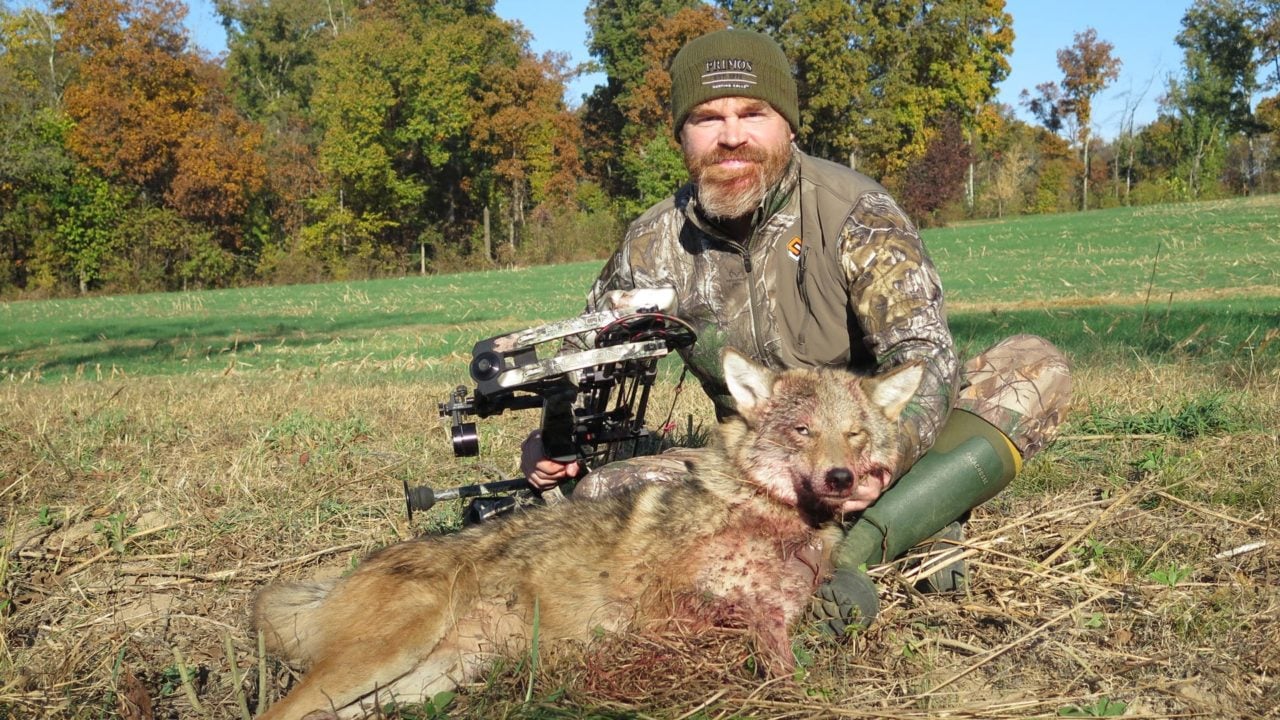
Understanding the Influences on Wild Game Flavor
The taste of any animal’s meat is a complex interplay of genetics, diet, age, and environment. For wild animals like coyotes, these factors are amplified and more variable than for domesticated livestock.
The Impact of Diet on Flavor
A primary determinant of an animal’s flavor is its diet. Coyotes are opportunistic omnivores, with a diet that can vary significantly depending on their geographical location and the season. This dietary plasticity means that the “coyote taste” is not a monolithic entity but rather a spectrum.
Rodents, Rabbits, and Small Game
A significant portion of a coyote’s diet consists of small mammals such as rodents (mice, voles, ground squirrels) and rabbits. These prey animals have lean muscle tissue and a relatively low-fat content. The meat of these small game animals is often described as having a mild, slightly gamey flavor, sometimes compared to rabbit or lean venison. When a coyote consumes a diet rich in these prey, its own meat is likely to inherit some of these characteristics. The muscle fibers would be lean, and the fat, if present, would be minimal and likely to carry some of the subtle savory notes derived from the prey’s tissues. The lack of significant fat marbling would also contribute to a leaner, less rich texture.
Insects, Berries, and Carrion
However, coyotes are not solely reliant on live prey. They will also consume insects, fruits and berries, and scavenge on carrion. The consumption of insects, particularly beetles and grasshoppers, can introduce a slightly earthy or even nutty undertone. The presence of berries, depending on their type and ripeness, can impart subtle sweet or tart notes. When a coyote scavenges, the flavor profile becomes even more unpredictable. The condition of the carrion, the species of the animal it came from, and the time elapsed since death all play a role. This can introduce a more intense, sometimes pungent or even slightly metallic flavor, which would be absorbed into the coyote’s own tissues. This variability underscores the importance of understanding the specific dietary history of an individual animal when considering its culinary potential.
Environmental and Lifestyle Factors
Beyond diet, the environment in which a coyote lives and its overall lifestyle contribute to its meat’s flavor and texture.
Activity Levels and Muscle Composition
Coyotes are active predators, constantly on the move, hunting, and traversing large territories. This high level of physical activity means that their muscle tissue is likely to be lean and well-developed. Leaner meats often have a more pronounced “gamey” flavor compared to fattier meats. This gameyness is not necessarily a negative attribute; for many consumers of wild game, it is a desirable characteristic that signifies a connection to the wild and a departure from the uniform, often bland, flavors of conventionally farmed meats. The texture of lean, active muscle tends to be firmer and more fibrous, requiring appropriate preparation techniques to ensure tenderness.
Stress and Adrenaline
The natural stress and adrenaline present in a wild animal’s system, particularly during a hunt or a confrontation, can also influence the taste of its meat. While this is a less quantifiable factor than diet, it is theorized that adrenaline can cause muscles to contract and store glycogen differently, potentially leading to a slightly tougher texture and a more intense, sometimes metallic, flavor. This is why proper field dressing and aging of wild game are crucial for mitigating such effects and improving palatability.
Analogies and Comparative Flavor Profiles
To better understand the potential taste of coyote meat, it’s useful to draw comparisons to other animals that are more commonly consumed, considering the factors discussed above.
Comparing to Other Wild Game
The most direct comparisons can be made to other North American wild canids and similarly sized game animals.
Fox vs. Coyote
Foxes, particularly red foxes, are often described as having a meat that is mild, somewhat similar to rabbit, but with a more pronounced gamey note and a slightly tougher texture. Given that coyotes are larger and likely more active hunters with a broader diet, their meat might share some similarities with fox but potentially be leaner and have a more complex flavor profile influenced by a wider range of prey. The absence of significant fat marbling in both species would mean that neither would be particularly rich or buttery.

Rabbit and Hare
Rabbit and hare are often considered benchmarks for mild game meat. Their flavor is lean, slightly sweet, and with a subtle earthiness. If a coyote’s diet is heavily reliant on rabbits, its meat might exhibit similar qualities, albeit with a greater degree of “wildness” or intensity due to the coyote’s more robust digestive system and metabolic processes. The texture, however, would likely differ, with the coyote’s more developed musculature leading to a firmer bite.
Other Small Mammal Predators
Consideration can also be given to other small mammal predators, though these are less commonly consumed. The general principle for lean, active predators is a tendency towards a more intense, savory flavor that is less “beefy” or “porky” and more focused on the subtle notes of their prey and their own metabolic processes.
The “Gamey” Factor: A Subjective Assessment
It is essential to address the concept of “gamey.” For some, this term evokes an unpleasant, strong, or “wild” taste that is off-putting. For others, it signifies a desirable, authentic flavor that is distinct from farmed meats. The gameyness of coyote meat would likely fall somewhere on this spectrum and be heavily influenced by preparation. Proper aging, trimming of fat, and cooking methods such as braising or stewing can significantly mellow any perceived strong flavors and enhance tenderness. The natural leaness of the meat would mean that fat-soluble flavor compounds are less concentrated, potentially leading to a less overwhelming “gamey” profile than might be found in fatter wild animals.
Culinary Potential and Preparation Considerations
Given the potential flavor profile, the culinary applications for coyote meat would lean towards dishes that can tenderize and complement its inherent characteristics.
Traditional and Modern Approaches to Wild Game
Historically, wild game meats were essential staples in many cultures. Their preparation often involved techniques that could transform tougher cuts into palatable meals.
Braising, Stewing, and Slow Cooking
For a lean, potentially fibrous meat like coyote, slow-cooking methods would be paramount. Braising in flavorful liquids such as wine, stock, or broth, often with aromatic vegetables like onions, carrots, and celery, would help to break down connective tissues and introduce moisture. Stews, where the meat is simmered for extended periods with vegetables and herbs, would be an excellent way to develop rich flavors and achieve a tender texture. Think of classic wild boar stews or venison pot roasts; similar principles would apply to coyote.
Marinades and Seasoning
Given the lean nature and potential for a more pronounced flavor, marinades can play a crucial role. Acidic marinades, using ingredients like vinegar, citrus juice, or wine, can help to tenderize the meat. Herbs and spices that complement gamey flavors, such as juniper berries, rosemary, thyme, and bay leaves, would be ideal. Smoked paprika, garlic, and onion powder can also add depth and complexity. The key would be to use seasonings that enhance, rather than mask, the inherent taste of the coyote.
Grinding and Sausage Making
Another excellent application for leaner wild game is grinding. Coyote meat, when ground, could be incorporated into sausages, pâtés, or burgers. When blended with a small percentage of fattier meat, such as pork or beef, the resulting ground product would have improved texture and moisture retention. The robust flavor of coyote would lend itself well to richly seasoned sausages, perhaps with a blend of traditional spices or even more adventurous combinations.
The Ethical and Sustainable Dimension
The discussion of “what does coyote taste like” also touches upon broader themes of ethical sourcing and sustainable food practices. In many regions, coyotes are considered abundant, and in some areas, they are managed through hunting. Foraging for food, including game, is an age-old practice that promotes a deeper connection to the environment.
Population Management and Food Security
In areas where coyotes are abundant and can impact livestock or wildlife populations, regulated hunting can be a tool for population management. If this harvested meat is utilized rather than discarded, it contributes to a more sustainable food system by reducing waste and providing a source of protein that has a lower environmental footprint than conventionally farmed meat. The “waste not, want not” ethos is increasingly relevant in discussions about food security and resource management.
The Novelty Factor and Culinary Exploration
The growing interest in diverse and novel food sources is also a driving force behind exploring meats like coyote. Food enthusiasts and adventurous cooks are constantly seeking new flavors and ingredients. Understanding the potential taste of coyote, and how to prepare it, opens up new avenues for culinary creativity and a deeper appreciation for the diverse protein sources available to us, both wild and cultivated. The journey to answer “what does coyote taste like” is ultimately a journey into the complexities of flavor, sustainability, and the rich tapestry of the natural world.
aViewFromTheCave is a participant in the Amazon Services LLC Associates Program, an affiliate advertising program designed to provide a means for sites to earn advertising fees by advertising and linking to Amazon.com. Amazon, the Amazon logo, AmazonSupply, and the AmazonSupply logo are trademarks of Amazon.com, Inc. or its affiliates. As an Amazon Associate we earn affiliate commissions from qualifying purchases.