
In the realm of finance, the phrase “bonding out” can be encountered in a few distinct, though related, contexts. Primarily, it refers to the process of securing one’s release from jail while awaiting trial by posting a bail bond. However, beyond this immediate, often stressful, situation, the concept of bonding can extend to broader financial instruments and strategies. Understanding these nuances is crucial for individuals navigating the legal system or seeking to leverage financial tools for security and investment. This exploration delves into the core meaning of “bonding out” within the financial sphere, focusing on its implications for personal and business finance.

The Bail Bond System: A Financial Lifeline
The most common interpretation of “bonding out” directly relates to the criminal justice system and the mechanisms in place to ensure a defendant’s appearance in court. When an individual is arrested, a judge typically sets a bail amount. This amount serves as a financial guarantee that the defendant will return for all scheduled court appearances. If the defendant cannot afford to pay the full bail amount themselves, they can turn to a bail bond agent.
The Mechanics of a Bail Bond
A bail bond is essentially a contract between three parties: the defendant, the bail bond agent (also known as a surety agent or bondsman), and the court. The defendant, or someone on their behalf, pays a non-refundable fee, typically 10-15% of the total bail amount, to the bail bond agent. This fee is the agent’s premium for taking on the risk. In exchange, the bail bond agent posts the full bail amount with the court, guaranteeing the defendant’s release.
The Role of Collateral
In addition to the premium, bail bond agents often require collateral to secure the bond. This collateral can take various forms, such as real estate, vehicles, jewelry, or other valuable assets. The purpose of collateral is to protect the bail bond agent in case the defendant fails to appear in court. If the defendant absconds, the bail bond agent forfeits the full bail amount to the court and can then seize and sell the collateral to recoup their losses. This financial risk-sharing is fundamental to the bail bond system.
Understanding the Defendant’s Obligations
Once a bail bond is posted and the defendant is released, they are obligated to adhere to specific conditions, most importantly, appearing at all subsequent court dates. Failure to do so is known as “skipping bail” or “forfeiting bail.” In such cases, the court will issue a warrant for the defendant’s arrest, and the bail bond will be forfeited. The bail bond agent will then be responsible for paying the full bail amount to the court. This is where the collateral becomes critical for the agent’s financial recovery.
The Financial Implications for the Defendant
For the defendant, “bonding out” represents an immediate financial outlay. The premium paid to the bail bond agent is not refundable, regardless of the outcome of the case. This means that even if the defendant is found not guilty, they will not get this portion of the money back. This can be a significant financial burden, particularly for individuals with limited financial resources. Furthermore, if the defendant fails to appear in court, they not only face additional legal charges but also risk the forfeiture of any collateral provided, potentially leading to substantial financial losses for themselves or their loved ones.
Beyond Bail: The Broader Financial Context of “Bonding”
While the bail bond scenario is the most prevalent context for “bonding out,” the term “bond” itself has a broader significance in finance, referring to a debt instrument. Understanding these other forms of bonding provides a more comprehensive financial perspective.
Bonds as Debt Instruments
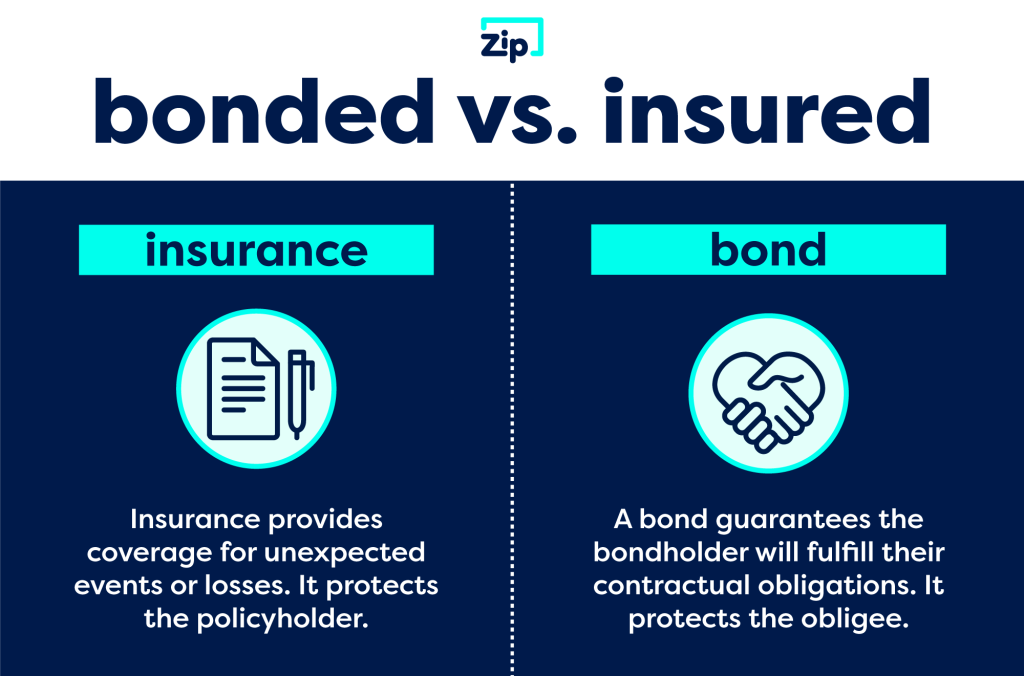
In the world of finance, a bond is a type of loan made by an investor to a borrower, typically a corporation or a government. The borrower promises to repay the principal amount of the loan on a specified maturity date and usually pays periodic interest payments (coupons) to the bondholder. This is fundamentally different from a bail bond, where the “borrower” is the defendant or their guarantor, and the “lender” is the bail bond agent, with the “repayment” being the defendant’s appearance in court.
Types of Bonds and Their Financial Significance
There are numerous types of bonds, each with its own characteristics and risk profiles. Government bonds, issued by national, state, or local governments, are generally considered low-risk investments. Corporate bonds, issued by companies, carry varying levels of risk depending on the financial health of the issuing corporation. Municipal bonds, issued by states and cities, can offer tax advantages to investors.
The Concept of “Bonding Out” in Investment Terms
While not directly synonymous with “bonding out” in the legal sense, the concept of “bonding” in investment can sometimes be interpreted as a means of securing financial stability or guaranteeing a financial outcome. For instance, an investor might “bond out” a portion of their portfolio by investing in highly secure, low-yield bonds to preserve capital, thus “bonding” themselves against significant losses in more volatile assets. This is a metaphorical use of the term, highlighting the idea of security and guarantee.
Financial Guarantees and Suretyship
The underlying principle of a bail bond – a financial guarantee – is mirrored in various financial instruments. For example, a performance bond is a type of surety bond provided by an insurer or a bank to guarantee the fulfillment of a contract. If the contractor fails to complete the job as agreed, the bond ensures that the client can recover their losses. This is akin to the bail bond agent guaranteeing the defendant’s appearance. Similarly, a financial guarantee issued by a bank can assure a third party that a particular financial obligation will be met.
Navigating the Financial Landscape of Bonding
Whether one is dealing with the immediate concern of “bonding out” of jail or considering the broader implications of financial bonds, a clear understanding of the financial mechanisms, risks, and obligations is paramount.
For Individuals Facing Legal Charges
For individuals who find themselves needing to “bond out” of jail, it’s crucial to:
- Understand the Costs: Be aware of the non-refundable premium and any collateral requirements.
- Communicate with the Bail Bond Agent: Maintain open lines of communication to understand the terms of the bond and any upcoming court dates.
- Prioritize Court Appearances: The absolute most important obligation is to appear for all scheduled court dates. Missing a court date can have severe financial and legal repercussions.
- Seek Legal Counsel: A good attorney can guide you through the legal process and potentially assist in reducing bail amounts or negotiating release conditions.
For Investors and Businesses
For those looking to understand bonds in a broader financial context:
- Diversify Investments: Bonds can play a vital role in a diversified investment portfolio, offering stability and income.
- Assess Risk: Thoroughly research the creditworthiness of bond issuers to understand the associated risks.
- Understand Maturity Dates and Yields: Be aware of when the principal will be repaid and the expected return on investment.
- Consider Financial Guarantees: For businesses, understanding performance bonds and financial guarantees can be crucial for securing contracts and managing financial risk.

The Ethical and Economic Considerations of Bail Bonding
The bail bond system itself is a subject of ongoing debate. Critics argue that it creates a two-tiered justice system where those who can afford bail are free to await trial while those who cannot remain incarcerated, regardless of their guilt or innocence. This disproportionately affects low-income individuals and communities of color. Proponents argue that it provides a necessary mechanism for ensuring court appearances while also allowing defendants to maintain their employment and family connections during the legal process. The economic model of bail bonding, with its reliance on premiums and potential forfeitures, is a significant aspect of the financial industry surrounding the justice system.
In conclusion, “bonding out” most commonly refers to the process of securing release from jail through a bail bond. This financial arrangement involves a premium paid to a bail bond agent who guarantees the defendant’s appearance in court. While this is the primary meaning, the broader concept of “bonds” in finance encompasses debt instruments used for investment and capital raising. Understanding both these aspects is vital for navigating personal finances, legal entanglements, and investment strategies. The financial implications, from the immediate costs of a bail bond to the long-term considerations of bond investments, underscore the importance of financial literacy and careful planning.
aViewFromTheCave is a participant in the Amazon Services LLC Associates Program, an affiliate advertising program designed to provide a means for sites to earn advertising fees by advertising and linking to Amazon.com. Amazon, the Amazon logo, AmazonSupply, and the AmazonSupply logo are trademarks of Amazon.com, Inc. or its affiliates. As an Amazon Associate we earn affiliate commissions from qualifying purchases.