
In the modern landscape of personal finance and life planning, individuals are increasingly looking for “the edge”—that specific piece of insider information that might predict a market shift, a career breakthrough, or a life-changing windfall. This pursuit has fueled a multi-billion dollar industry: the psychic and occult services market. However, for those who look to the Bible as their primary manual for life and asset management, the engagement with psychic mediums is not merely a spiritual question, but a fundamental issue of financial ethics and resource stewardship.

By examining the biblical perspective on psychic mediums through the category of Money, we can uncover a blueprint for how practitioners of faith should view the commercialization of the supernatural and the risks associated with seeking financial guidance from prohibited sources.
The Monetization of Mystery: The Economic Reality of the Psychic Industry
Before diving into the scriptural prohibitions, it is essential to understand the sheer scale of the industry in question. In the United States alone, the “psychic services” industry—which includes astrology, palmistry, and mediumship—has grown into a significant economic sector. Consumers spend billions of dollars annually, often during times of economic recession or personal financial instability.
Market Valuation of Spiritual Services
From a business perspective, psychic mediums operate within a service-based economy that thrives on information asymmetry. The medium claims to possess “insider information” from the spiritual realm that the consumer lacks. In economic terms, this creates a high-demand product during periods of volatility. When the stock market is uncertain or job security is low, the “prophetic” industry sees a surge in revenue. However, from a biblical standpoint, this monetization of spiritual insight is often framed as a predatory business model. The Bible views the desire to “buy” knowledge of the future as a misallocation of capital, suggesting that true wisdom is a gift from God that cannot be appraised by market standards.
The Opportunity Cost of Occult Consultation
Every dollar spent on a psychic medium represents an opportunity cost. In personal finance, stewardship involves directing resources toward things that provide a tangible return or align with one’s core values. When individuals invest in mediumship, they are essentially paying a premium for speculative advice. The Bible repeatedly warns that these sources are “broken cisterns” (Jeremiah 2:13). From a financial management perspective, redirecting those funds toward debt repayment, emergency savings, or legitimate education offers a guaranteed return on investment (ROI) that the vague promises of a medium cannot match.
Biblical Directives and the Ethics of “Profit through Prophecy”
The Bible does not view mediumship in a vacuum; it often links it directly to the exploitation of individuals and the pursuit of dishonest gain. Scripture characterizes the use of mediums as a violation of the “Covenant Agreement” between a person and God, which has significant implications for how one manages their “human capital” and spiritual integrity.
Exploitation in the Book of Acts: A Case Study in Corporate Divination
One of the most striking financial narratives involving mediumship is found in Acts 16. The text describes a slave girl who had a spirit by which she predicted the future. The Bible explicitly notes that she “earned a great deal of money for her owners by fortune-telling.” When the Apostle Paul cast the spirit out of her, the owners’ immediate reaction was not one of spiritual concern, but of financial outrage: “the hope of their making money was gone” (Acts 16:19).
This passage highlights a crucial biblical insight into the psychic industry: it is frequently a business of exploitation. The “owners” of the gift—whether they are modern-day corporations or ancient masters—prioritize profit over the well-being of the individual. For the biblically-minded investor or consumer, this serves as a warning against participating in any industry that commodifies spiritual brokenness for corporate gain.

The Prohibition of Mediums as a Protection of Human Capital
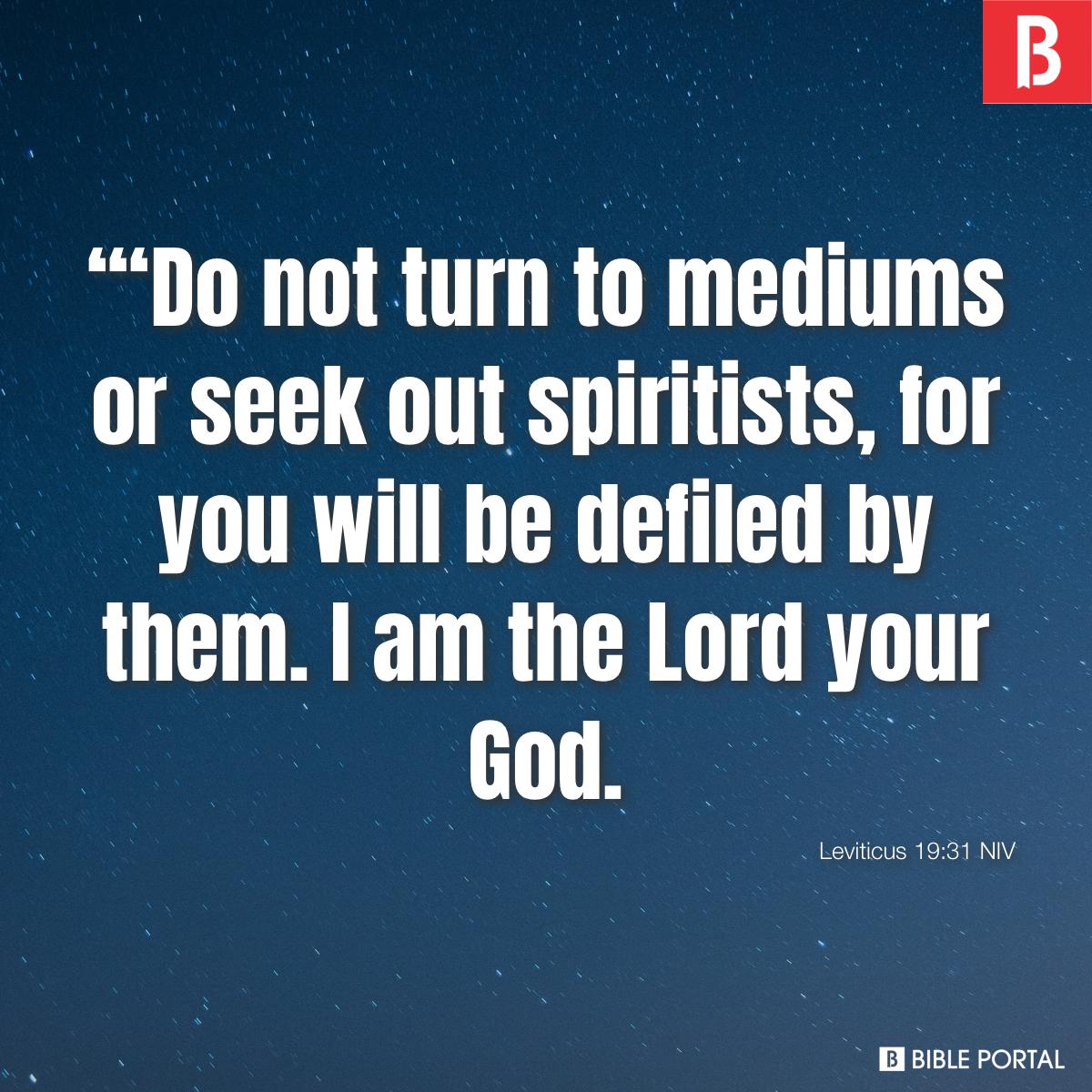
In Leviticus 19:31 and Deuteronomy 18, the Bible issues stern warnings against seeking out mediums or spiritists. While these are often read as purely religious laws, they also function as a form of “consumer protection.” By forbidding these practices, the biblical text protects the “human capital” of the community. It prevents people from becoming dependent on fraudulent advisors and ensures that their trust—and their financial resources—remain focused on the Source that provides for their needs. The Bible suggests that seeking a medium is an “unprofitable” venture that leads to spiritual and personal bankruptcy.
Wealth Management vs. Seeking Fortune: The Stewardship Paradigm
A core tenet of biblical money management is the concept of stewardship—the idea that we do not own our assets, but are managing them on behalf of a higher authority. Seeking out psychic mediums for financial “fortunes” is a direct contradiction of this paradigm.
Speculative Risks in Psychic Predictions
In the world of investing, “speculation” is the act of conducting a financial transaction that has a substantial risk of losing all value but with the expectation of a significant gain. Relying on a medium for financial direction is the ultimate form of speculation. The Bible views this as “chasing fantasies,” which Proverbs 28:19 warns leads to poverty.
Psychic mediumship often promises a shortcut to wealth—identifying a “lucky” number, a specific investment, or a future windfall. This bypasses the biblical requirement for diligent labor and wise planning. From a financial perspective, the Bible encourages a “slow wealth” approach: “Wealth gained hastily will dwindle, but whoever gathers little by little will increase it” (Proverbs 13:11). Mediums offer the “hasty” path, which scripture identifies as a recipe for financial ruin.
Biblical Principles for Sustainable Financial Growth
Rather than seeking a medium to peer into the future, the Bible advocates for several pillars of financial stability:
- Diversification: “Give a portion to seven, or even to eight, for you know not what disaster may happen on earth” (Ecclesiastes 11:2).
- Counsel: “Without counsel plans fail, but with many advisers they succeed” (Proverbs 15:22). Note that these “advisers” are characterized as wise, godly peers, not occult practitioners.
- Contentment: Financial peace is found not in knowing the future, but in being content with what one has (1 Timothy 6:6).
By following these principles, an individual builds a financial foundation that is not reliant on the shifting “predictions” of a medium, but on the enduring laws of economics and faith.
Consumer Protection: Defending Personal Assets against Spiritual Fraud
Finally, the Bible’s stance on mediums serves as a warning for modern consumers to practice “due diligence.” In the same way that an investor would vet a hedge fund manager, a believer must vet the sources of their life advice.
Identifying Red Flags in “Paid Revelation”
The Bible suggests that truth is not for sale in the way that psychics sell it. Micah 3:11 critiques leaders who “judge for a bribe” and prophets who “tell fortunes for money.” When a “spiritual” service is locked behind a paywall—where the quality of the “revelation” is commensurate with the fee paid—it is a major red flag for fraud. Biblical “prophecy” or guidance was historically given for the benefit of the community, not for the personal enrichment of the practitioner. For the consumer, recognizing this distinction is a vital part of protecting one’s assets from spiritual scams.
The Value of Sound Counsel over Supernatural Shortcuts
Ultimately, the Bible’s discouragement of psychic mediums is a call to return to “sound counsel.” In the niche of money and business, this means relying on verifiable data, ethical practices, and the guidance of the Holy Spirit through prayer—none of which require a financial transaction with a medium.
When we ask “What does the Bible say about psychic mediums?” through a financial lens, the answer is clear: the practice is a high-risk, low-reward venture that violates the principles of stewardship. It encourages speculative behavior, supports exploitative business models, and diverts resources away from productive, God-honoring uses. True financial security, according to the Bible, comes from trusting the Provider of the future, rather than paying a medium to guess what that future might hold. By adhering to this biblical wisdom, individuals can protect their wealth, their peace of mind, and their spiritual integrity in an increasingly complex marketplace.
aViewFromTheCave is a participant in the Amazon Services LLC Associates Program, an affiliate advertising program designed to provide a means for sites to earn advertising fees by advertising and linking to Amazon.com. Amazon, the Amazon logo, AmazonSupply, and the AmazonSupply logo are trademarks of Amazon.com, Inc. or its affiliates. As an Amazon Associate we earn affiliate commissions from qualifying purchases.