
While ketchup is a staple in many households, its familiar tomato-based tang is often taken for granted. However, culinary innovation, particularly in regions with distinct agricultural products, has led to fascinating variations on this beloved condiment. Among these, banana ketchup stands out as a unique and intriguing option. Often found in Filipino cuisine and increasingly gaining international recognition, banana ketchup challenges our preconceived notions of what ketchup can be. But beyond its vibrant hue and unusual base, what does banana ketchup taste like? This exploration delves into its flavor profile, its ingredients, and the culinary contexts that make it a compelling, albeit unconventional, taste experience.

The Unpacking: Deconstructing the Flavor Profile
The essence of banana ketchup’s taste lies in its departure from the expected. While it shares some superficial similarities with traditional ketchup, its underlying fruitiness and distinct spice profile create a flavor that is both familiar and novel. Understanding this complexity requires a breakdown of its key sensory components.
Sweetness: Beyond the Tomato
The most immediate and striking characteristic of banana ketchup is its sweetness. Unlike tomato ketchup, which derives its sweetness from cooked tomatoes and added sugar, banana ketchup leverages the inherent sugary nature of ripe bananas. This sweetness is not the sharp, bright sweetness of, say, a candy, but rather a deeper, more mellow sweetness that can range from subtly fruity to distinctly saccharine, depending on the brand and recipe. This inherent sweetness forms the foundation upon which other flavors are built, offering a distinct contrast to the acidic bite of tomato ketchup. The ripeness of the bananas used is a crucial factor here; overly ripe bananas will contribute a more pronounced sweetness, sometimes bordering on caramelization, while less ripe ones will offer a milder fruity note. This variation in sweetness is a key differentiator and contributes to the diverse range of banana ketchup experiences.
Acidity: A Balancing Act
While sweetness dominates, acidity plays a vital role in balancing the flavor and preventing banana ketchup from becoming cloyingly sweet. This acidity is typically achieved through the addition of vinegar, much like traditional ketchup. However, the type and amount of vinegar used can influence the overall profile. Some recipes might opt for milder vinegars, allowing the banana flavor to shine, while others might incorporate sharper varieties to provide a more pronounced tang. The interplay between the banana’s sweetness and the vinegar’s acidity creates a characteristic sweet-and-sour dynamic that is familiar in many Asian condiments. This balance is critical; without sufficient acidity, banana ketchup can feel flat and one-dimensional. The acidity also serves to cut through richness, making it a surprisingly versatile accompaniment to various dishes.
Umami and Savory Notes: The Unexpected Depth
This is where banana ketchup truly distinguishes itself. While tomato ketchup often has a subtle umami depth derived from the tomatoes themselves, banana ketchup achieves this through a judicious blend of spices and seasonings. The inclusion of ingredients like onion, garlic, and various spices, including allspice, cloves, and sometimes a hint of chili, introduces savory and umami elements that round out the flavor. These savory notes prevent the sweetness from being overwhelming and add a layer of complexity that is unexpected from a fruit-based condiment. The subtle warmth from spices like allspice and cloves provides a gentle complexity that is more nuanced than the sometimes sharp, almost metallic undertones found in certain tomato ketchups. The savory foundation is what allows banana ketchup to function effectively as a condiment, providing a satisfying depth that complements rather than competes with the main dish.
Spice and Heat: A Hint of Fire
The presence of spice, and sometimes heat, is another significant differentiator. While not all banana ketchups are spicy, many incorporate chili or other warming spices to add a subtle kick. This heat is typically mild, designed to enhance the other flavors rather than overpower them. It provides a pleasant warmth that lingers on the palate, adding another dimension to the sweet and savory profile. The level of heat can vary considerably, from a mere whisper of warmth to a noticeable, but not aggressive, spice. This element makes banana ketchup adaptable to a wider range of palates and dishes, offering an exciting alternative for those who enjoy a bit of heat in their condiments.
The Ingredient Story: What Goes Into the Bottle?
Understanding the taste of banana ketchup is inextricably linked to its constituent ingredients. The deliberate selection and proportioning of these elements are what transform humble bananas into a savory, tangy condiment.
The Banana Base: Ripe and Ready
At its core, banana ketchup is made from mashed or pureed ripe bananas. The ripeness is paramount; this is where the characteristic sweetness and much of the fruit’s body are derived. While less ripe bananas might be used in some niche recipes, the hallmark flavor profile relies on the naturally occurring sugars and softer texture of well-ripened fruit. The banana’s inherent flavor, while not as dominant as one might expect, subtly underpins the entire condiment, providing a smooth, almost creamy mouthfeel that is distinct from the chunkier texture of some tomato ketchups. The process of cooking down the bananas also concentrates their flavor and sweetness, creating a richer base.
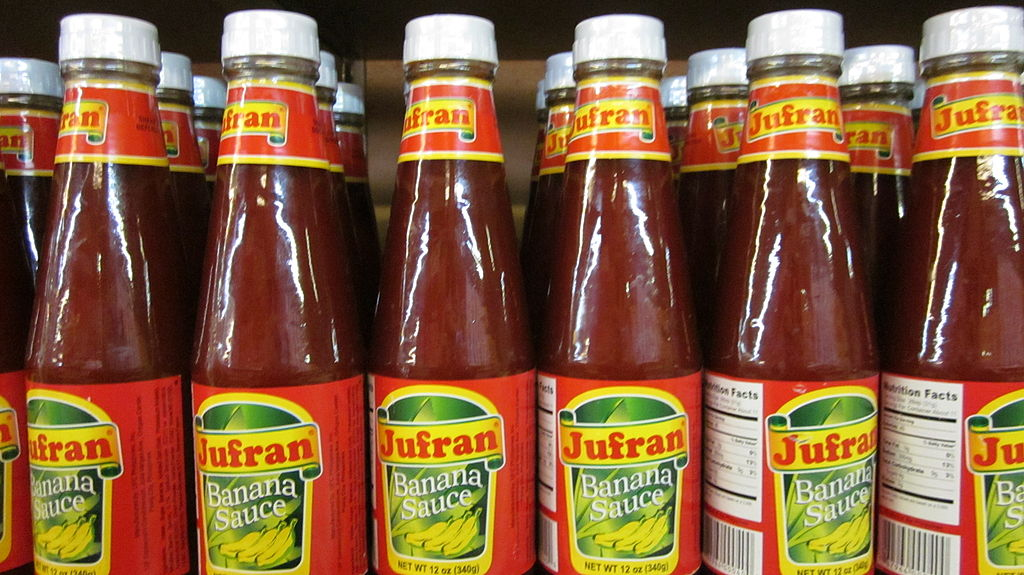
The Tangy Foundation: Vinegar and Beyond
Vinegar is the primary source of acidity in banana ketchup. Common choices include white vinegar or distilled vinegar, which offer a clean, sharp tang. The amount of vinegar is crucial for achieving the desired balance between sweetness and sourness. Beyond vinegar, some recipes may incorporate other acidic elements, such as tamarind or even a touch of calamansi juice (a Filipino citrus fruit), to add further complexity and a distinct regional flair. These additions can introduce subtle fruity or floral notes that further differentiate banana ketchup from its tomato counterpart. The careful calibration of acidity ensures that the condiment remains bright and refreshing, preventing it from becoming too heavy or cloying.
The Savory Symphony: Spices and Seasonings
This is where the magic happens, transforming a sweet fruit puree into a complex condiment. Common additions include:
- Onion and Garlic: Finely minced or powdered, these provide an aromatic and savory base, much like in many other savory sauces and stews. They contribute to the umami depth and prevent the flavor from being one-dimensionally sweet.
- Allspice: This warm, aromatic spice is a cornerstone of many banana ketchup recipes. It imparts notes reminiscent of cinnamon, cloves, and nutmeg, adding a fragrant complexity.
- Cloves: A small amount of ground cloves can contribute a pungent, sweet, and slightly bitter note that adds depth and a warming sensation.
- Chili: Depending on the desired heat level, chili powder, flakes, or even fresh chilies can be incorporated. This introduces a gentle warmth that complements the sweetness and savory notes.
- Salt: Essential for enhancing all the other flavors and balancing the sweetness.
- Other Spices: Some variations may include star anise, ginger, or even a touch of paprika for color and subtle flavor.
The specific blend of these spices is often a closely guarded secret of individual manufacturers, leading to the diverse range of flavor profiles available on the market. The careful layering of these savory and aromatic elements is what gives banana ketchup its surprisingly complex and satisfying taste.
Culinary Applications: Where Does Banana Ketchup Shine?
The unique flavor profile of banana ketchup makes it a versatile condiment that can elevate a variety of dishes. While its origins are rooted in Filipino cuisine, its appeal is expanding globally as adventurous eaters discover its potential.
The Filipino Connection: A Staple in Its Homeland
In the Philippines, banana ketchup is a beloved staple, often used in a similar fashion to tomato ketchup. It is a common accompaniment to fried foods, grilled meats, and savory dishes. Its sweet and tangy profile makes it a particularly popular choice with dishes that have a slightly smoky or rich flavor. One of its most iconic pairings is with Tapa (marinated and fried beef), where the sweet and tangy notes of the banana ketchup cut through the richness of the beef and complement the savory marinade. It is also frequently found alongside Lumpia (spring rolls), adding a sweet and slightly spicy counterpoint to the savory filling. Its presence on dinner tables in the Philippines is a testament to its ability to complement and enhance a wide array of local flavors.
Beyond the Tropics: A Global Palette Expander
As banana ketchup gains traction internationally, chefs and home cooks are discovering its potential in diverse culinary contexts. Its sweetness can be used to create interesting flavor contrasts in dishes.
- Glazes and Marinades: The inherent sweetness and tang make it an excellent base for glazes for grilled or roasted meats, such as pork, chicken, or even fish. It can add a unique sticky sweetness and a hint of spice.
- Sandwich Spreads: For those seeking an alternative to traditional ketchup or mayonnaise, banana ketchup can add an unexpected sweet and savory note to sandwiches, particularly those with roasted meats or plant-based alternatives.
- Dipping Sauce for Fries and Appetizers: It offers a refreshing departure from standard ketchup for french fries, onion rings, or chicken tenders. Its distinct flavor provides a novel and exciting dipping experience.
- Burger Topping: For the adventurous burger enthusiast, banana ketchup can offer a sweet and tangy counterpoint to the savory patty, creating a complex flavor profile that is surprisingly addictive.
- Sauce Base for Stir-fries: A small amount can add a unique fruity sweetness and tang to Asian-inspired stir-fries, balancing out the savory and spicy elements.
The key to successfully using banana ketchup is to understand its flavor profile and to use it judiciously. It is a condiment that can add a distinctive character to a dish, so it’s best employed where its unique sweetness and tang can be appreciated and complement the other ingredients.

The Verdict: A Sweet, Tangy, and Savory Revelation
Ultimately, what does banana ketchup taste like? It’s a complex, multi-layered experience that defies simple categorization. It is undeniably sweet, but not in an artificial or cloying way, thanks to the natural sugars of ripe bananas. It possesses a balancing tang from vinegar, reminiscent of traditional ketchup, but with a fruitier undertone. Crucially, it offers an unexpected depth of savory and umami notes, derived from spices like onion, garlic, and allspice, which prevent it from being solely a sweet condiment. Many varieties also offer a subtle warmth from chili, adding another layer of complexity.
For those accustomed to tomato ketchup, the initial taste might be surprising, but it is rarely off-putting. Instead, it often elicits curiosity and a desire to explore its versatility further. Banana ketchup is a testament to culinary ingenuity, demonstrating how a common fruit can be transformed into a sophisticated and flavorful condiment. It’s a taste that bridges the familiar with the exotic, offering a delightful revelation for anyone willing to venture beyond the conventional. Its journey from a regional specialty to a globally recognized condiment is a delicious testament to its unique appeal and its ability to satisfy a diverse range of palates.
aViewFromTheCave is a participant in the Amazon Services LLC Associates Program, an affiliate advertising program designed to provide a means for sites to earn advertising fees by advertising and linking to Amazon.com. Amazon, the Amazon logo, AmazonSupply, and the AmazonSupply logo are trademarks of Amazon.com, Inc. or its affiliates. As an Amazon Associate we earn affiliate commissions from qualifying purchases.