
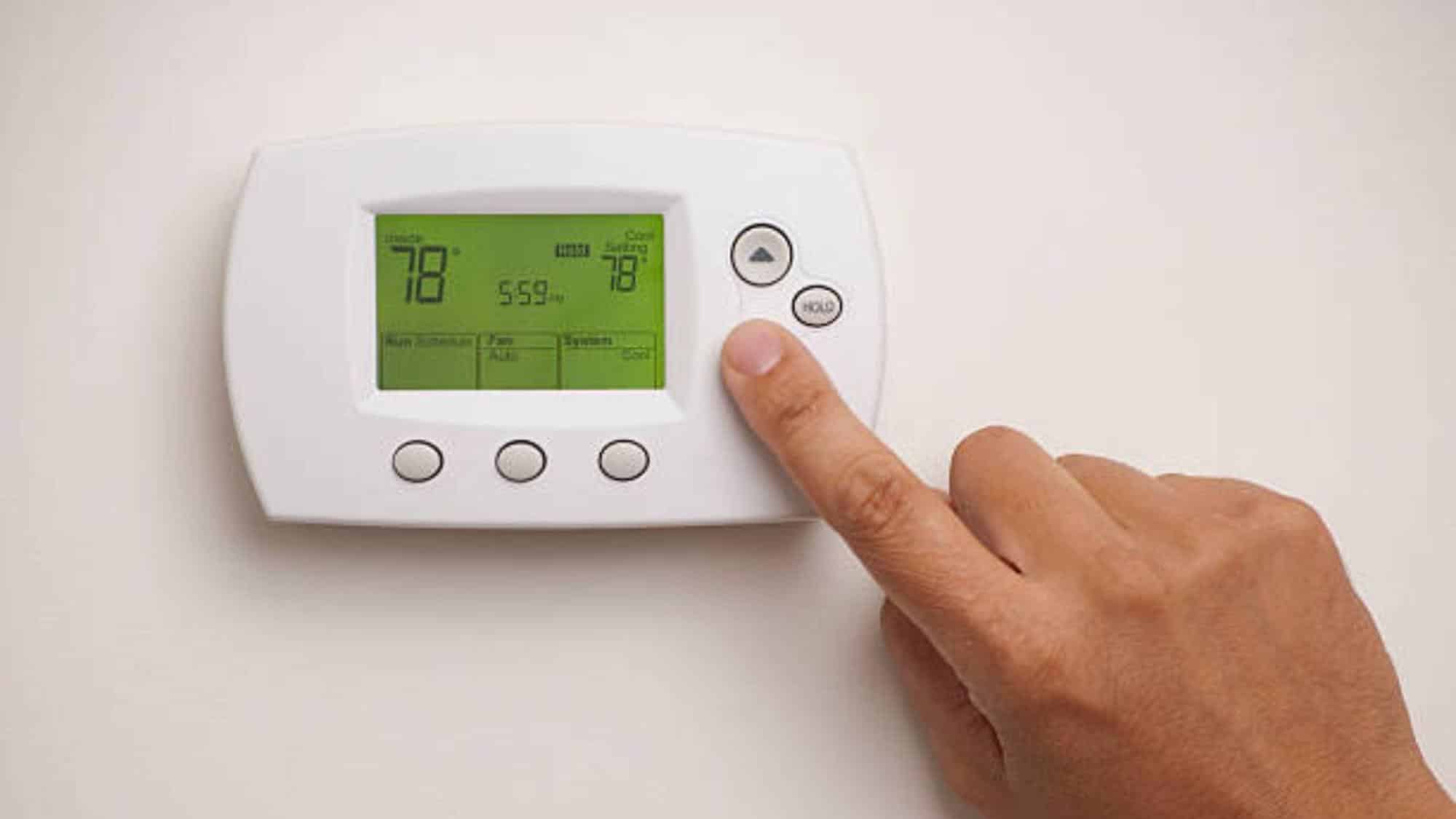
The ubiquitous digital thermostat, a staple in modern homes, offers a fascinating glimpse into the intricate workings of our climate control systems. Among the various cryptic indicators and settings it displays, the “Aux Heat” or “Auxiliary Heat” function often sparks curiosity and, sometimes, confusion. For many homeowners, it’s a symbol that appears during colder months, but its precise role and implications remain somewhat obscure. Understanding “Aux Heat” is crucial, not just for optimizing comfort, but also for managing energy consumption and potentially reducing utility bills. This article will demystify this important feature, exploring its technical underpinnings, its place within your HVAC system, and the practical considerations for homeowners navigating its usage.
The Anatomy of Your HVAC System: Understanding the Primary and Auxiliary Heat Sources
To truly grasp what “Aux Heat” signifies, we must first contextualize it within the broader architecture of a typical home heating, ventilation, and air conditioning (HVAC) system. Most modern heating systems are designed with redundancy and efficiency in mind, particularly in regions with significant temperature fluctuations. This is where the distinction between primary and auxiliary heating becomes critical.
The Primary Heating Mechanism: The Workhorse of Your System
The primary heating source is the engine that drives your home’s warmth during most of the colder periods. The nature of this primary system can vary significantly, impacting how and when auxiliary heat is engaged.
Heat Pumps: The Versatile Dual-Function Units
In many homes, especially in milder climates or those transitioning towards energy efficiency, the primary heating mechanism is a heat pump. A heat pump is a remarkable piece of technology that operates on the principle of transferring heat rather than generating it. In heating mode, it extracts ambient heat from the outside air (even when it’s cold) and transfers it indoors. This process makes heat pumps significantly more energy-efficient than traditional electric resistance heating. However, their efficiency diminishes as outdoor temperatures plummet. Below a certain threshold, typically around 30-40°F (-1 to 4°C), the heat pump struggles to extract enough heat from the frigid air to adequately warm the home. This is precisely where the auxiliary heat system comes into play.
Furnaces: The Traditional Powerhouses
In other regions, particularly those experiencing harsh winters, a furnace is the dominant primary heating system. Furnaces can be powered by natural gas, propane, or oil. They generate heat by burning fuel, a process that is generally very effective even at extremely low temperatures. When a furnace is the primary heating source, the concept of “Aux Heat” might be interpreted differently, or it might not be a prominent display on the thermostat, as the furnace itself is designed to handle extreme cold. However, some advanced HVAC systems might still incorporate a supplemental electric resistance heating element that could, in some contexts, be referred to as auxiliary.
The Auxiliary Heating System: The Backup Powerhouse
The auxiliary heating system, often represented by “Aux Heat” on your thermostat, serves as a secondary heat source. Its purpose is to supplement or, in some cases, completely take over the heating duties when the primary system is insufficient or unavailable.
Electric Resistance Heating: The Direct and Simple Approach
The most common form of auxiliary heat is electric resistance heating. This technology works by passing an electric current through resistive elements, such as coils or heating strips. As the electricity flows, these elements heat up and radiate warmth. Think of it like a toaster or an electric space heater – direct conversion of electricity into heat. This method is highly effective at producing heat quickly, regardless of the outside temperature. However, it is also considerably less energy-efficient than a heat pump operating in its optimal range. This is why electric resistance heating is typically reserved for times when the heat pump is struggling or when rapid temperature increases are needed.
Integrated Electric Elements in Heat Pump Systems
In heat pump systems, the auxiliary electric resistance heating is often integrated directly into the indoor air handler unit. When the thermostat detects that the heat pump is not meeting the set temperature, or when the outdoor temperature drops below a predetermined point, it signals the auxiliary heat to engage. This can be a staged process: the thermostat might first attempt to boost the heat pump’s output, and only if that proves insufficient will it activate the electric resistance elements. In some cases, the thermostat might be programmed to use auxiliary heat exclusively if the heat pump is in a defrost cycle (a process where the heat pump reverses itself to melt ice buildup on the outdoor coil).
When and Why Your Thermostat Calls for “Aux Heat”
The activation of auxiliary heat is not arbitrary. Your thermostat, acting as the brain of your HVAC system, monitors various conditions and makes intelligent decisions about when to engage this powerful, albeit less efficient, backup. Understanding these triggers is key to managing your home’s comfort and energy expenditures.
Temperature Thresholds and Performance Limitations
The primary driver for engaging auxiliary heat is the ambient outdoor temperature, especially for heat pump systems.
The Heat Pump’s Efficiency Curve
As mentioned, heat pumps have an efficiency curve. Their Coefficient of Performance (COP) – a ratio of heating output to energy input – gradually decreases as the outdoor temperature drops. At a certain point, known as the “balance point,” the heat pump can no longer generate enough heat to satisfy the home’s heating demand. Below this balance point, the energy required to extract heat from the outside air becomes greater than the energy required to produce heat directly through electric resistance.
The “Auxiliary Heat Lockout” Setting
To prevent the heat pump from working inefficiently at very low temperatures, thermostats often have an “auxiliary heat lockout” setting. This is a programmable temperature below which the heat pump will not operate, and auxiliary heat will be the sole or primary source of warmth. This setting is crucial for energy management, as running a heat pump below its balance point can lead to significantly higher electricity bills compared to using the auxiliary heat.
Demand for Rapid Heating or Specific Comfort Levels
Beyond simply struggling to keep up, there are other scenarios where auxiliary heat might be activated.
Recovering from Significant Temperature Drops
If your thermostat is programmed to setback temperatures during unoccupied periods (e.g., overnight or when you’re at work) to save energy, it will need to raise the temperature significantly when you return. In colder weather, the heat pump alone might take too long to reach the desired temperature. In such cases, the thermostat will intelligently engage the auxiliary heat to accelerate the recovery process, ensuring you don’t have to wait long for a comfortable environment. This is a practical application where the rapid heating capability of electric resistance is beneficial.
Defrost Cycles in Heat Pumps
Heat pumps, during cold and humid weather, can accumulate ice on their outdoor coils. To maintain efficiency, they periodically enter a “defrost cycle.” During this cycle, the heat pump temporarily reverses its operation to melt the ice. While in defrost mode, it is not effectively heating the home. To prevent a significant drop in indoor temperature, the auxiliary heat is typically activated to provide warmth during this brief period. Some thermostats may display “Aux Heat” or a similar indicator when the defrost cycle is active.
System Malfunctions or Maintenance
In rare instances, the “Aux Heat” indicator might appear if there’s a malfunction with the primary heating system or if the heat pump is undergoing maintenance. The thermostat might default to the auxiliary heat as a failsafe to ensure some level of heating is available. If you see the “Aux Heat” light illuminated for extended periods when the outdoor temperature is mild, or if you experience inconsistent heating, it’s advisable to consult an HVAC professional.
Optimizing Your Comfort and Energy Usage with Aux Heat
The presence of auxiliary heat on your thermostat offers a powerful tool for managing your home’s climate. However, its use, particularly the electric resistance component, can impact your energy bills. Smart usage and proper understanding can help you strike a balance between comfort and cost.
Understanding Your Thermostat’s Programming
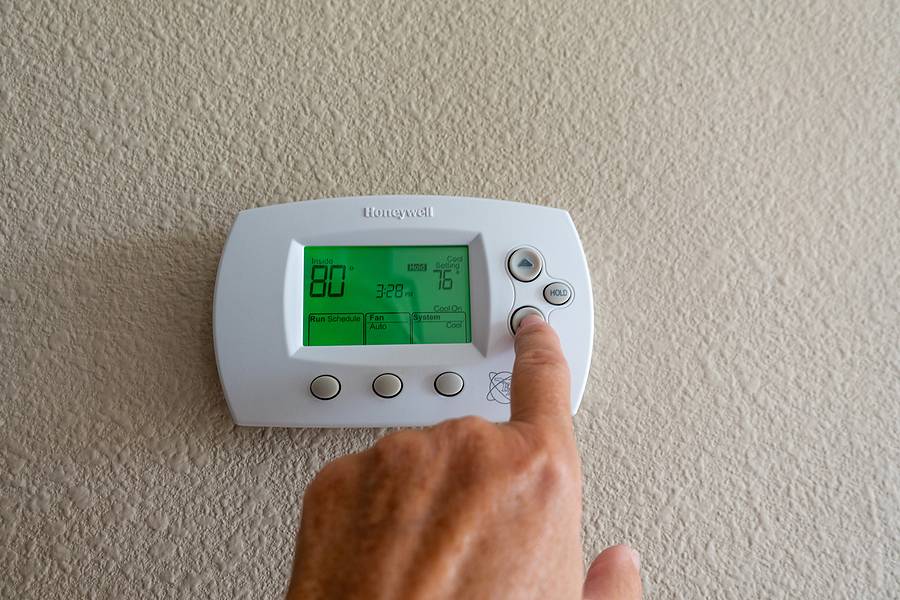
Modern thermostats offer a range of programming options that can significantly influence when and how auxiliary heat is used.
Programmable Setbacks and Recovery Strategies
The energy savings achieved through temperature setbacks are only realized if the system can efficiently recover. If your auxiliary heat engages frequently and for extended periods during recovery, the energy savings from setbacks might be diminished. Experiment with different setback temperatures and recovery times to find the optimal balance. For instance, a smaller setback temperature might allow the heat pump to maintain sufficient warmth without needing to call on the more expensive auxiliary heat.
“Em Heat” vs. “Aux Heat” Settings
Some thermostats differentiate between “Emergency Heat” (Em Heat) and “Auxiliary Heat” (Aux Heat). “Auxiliary Heat” is typically the automatically controlled backup for your primary system. “Emergency Heat,” on the other hand, is a mode you manually select. Engaging “Em Heat” forces your system to use only the auxiliary heat source, bypassing the primary system entirely. This is intended for situations where the primary heating system has failed, and you need heat immediately. It’s crucial not to run your system on “Em Heat” unnecessarily, as it is generally the most expensive way to heat your home. Always ensure you are in the correct mode.
The Cost Implications of Auxiliary Heat
The financial aspect of auxiliary heat is a primary concern for many homeowners. Recognizing the cost difference between your primary and auxiliary heating sources is vital for making informed decisions.
Electric Resistance vs. Other Heating Methods
As established, electric resistance heating is typically the least energy-efficient and therefore the most expensive method of generating heat. This is particularly true when compared to a high-efficiency heat pump operating within its optimal temperature range or a natural gas furnace. The higher the cost of electricity in your region, the more significant the impact of prolonged auxiliary heat usage will be on your utility bills.
Strategies for Minimizing Auxiliary Heat Usage
Several strategies can help reduce reliance on auxiliary heat:
- Proper Sizing and Installation: Ensure your HVAC system, particularly your heat pump, is correctly sized for your home and climate. An undersized system will struggle and be more prone to engaging auxiliary heat. Professional installation is paramount.
- Regular Maintenance: A well-maintained heat pump operates more efficiently. Regular check-ups by an HVAC technician can identify and address issues that might lead to increased auxiliary heat usage. This includes cleaning coils, checking refrigerant levels, and inspecting electrical components.
- Sealing and Insulation: A well-insulated and air-sealed home requires less heating overall. Addressing drafts, adding insulation to attics and walls, and ensuring windows and doors are properly sealed will reduce the heating load, making it easier for your primary system to keep pace.
- Thermostat Optimization: Fine-tune your thermostat’s programming. Understand the balance point for your heat pump and consider setting your setbacks to a level that doesn’t force excessive reliance on auxiliary heat during recovery. Some smart thermostats can even learn your habits and optimize heating schedules automatically.
- Ductwork Inspection: Leaky ductwork can lose a significant amount of heated air before it reaches your living spaces. Inspecting and sealing your ductwork can improve system efficiency and reduce the need for supplementary heating.
- Considering a Dual-Fuel System: In regions with very cold winters, a “dual-fuel” system combines a heat pump with a fossil fuel furnace (often natural gas). The thermostat is programmed to use the heat pump for most of the year and automatically switch to the furnace when outdoor temperatures drop too low for the heat pump to be efficient. This offers a more cost-effective solution than relying solely on electric resistance auxiliary heat.
When to Seek Professional Assistance
While understanding the basics of “Aux Heat” can empower homeowners, there are instances where professional expertise is indispensable. Recognizing the signs that warrant a call to an HVAC technician can save you from costly repairs and ensure your system operates at peak performance and efficiency.
Persistent “Aux Heat” Activation
If your thermostat consistently displays “Aux Heat” even during mild outdoor temperatures, or if it seems to be engaging much more frequently than usual, this is a strong indicator of a potential problem.
Issues with the Heat Pump’s Performance
This could signify that the heat pump itself is not functioning optimally. Perhaps the refrigerant levels are low, the outdoor coil is excessively dirty, or there’s an issue with the compressor. These problems reduce the heat pump’s ability to extract heat from the outside air, forcing the system to rely on the less efficient auxiliary heat.
Problems with the Thermostat’s Settings or Functionality
The thermostat itself might be miscalibrated, or its programming could be set in a way that unnecessarily triggers auxiliary heat. In some cases, a faulty thermostat sensor could be providing inaccurate temperature readings, leading to incorrect system operation.
Unusual Noises or Smells Associated with Auxiliary Heat
While electric resistance heating is generally quiet, any sudden or unusual sounds emanating from your indoor unit when the auxiliary heat is engaged should be investigated.
Electrical Component Concerns
Unusual humming, buzzing, or even popping sounds could indicate an issue with the electrical components of the auxiliary heating elements or associated wiring. These are safety concerns and should be addressed immediately by a qualified professional.
Potential Fire Hazards
While rare, if you notice any burning smells when the auxiliary heat is on, this could be a sign of overheating or a more serious electrical issue. Do not ignore such smells; turn off the system at the breaker and contact an HVAC technician without delay.
Inconsistent Heating or Comfort Issues
If you’re experiencing cold spots in your home, or if the desired temperature is not being consistently maintained, even with the “Aux Heat” indicator on, there’s an underlying issue.
Airflow Restrictions
Blocked air filters, dirty evaporator coils, or restricted ductwork can all impede the flow of warm air throughout your home, regardless of the heat source.
System Balancing and Zoning
In larger homes or those with multiple zones, the heating system might require professional balancing to ensure even distribution of heat.
Comprehensive System Evaluation
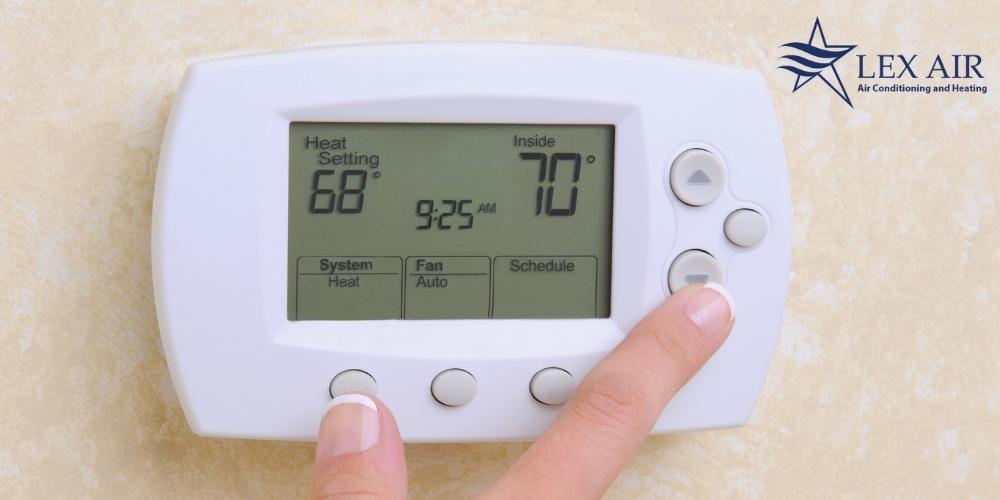
When faced with persistent comfort issues, it’s essential to have a qualified technician perform a comprehensive evaluation of your entire HVAC system, including the heat pump, auxiliary heat components, thermostat, and ductwork. They can diagnose the root cause of the problem and recommend the most effective and cost-efficient solution, ensuring your home remains warm and comfortable throughout the colder months.
In conclusion, understanding “Aux Heat” is more than just deciphering a cryptic symbol on your thermostat. It’s about comprehending the sophisticated interplay of components that keep your home warm and comfortable. By demystifying its function, recognizing the conditions under which it operates, and implementing smart usage strategies, homeowners can optimize their comfort, manage energy consumption effectively, and ensure the longevity and efficiency of their HVAC systems. When in doubt, always rely on the expertise of HVAC professionals to diagnose and resolve any issues.
aViewFromTheCave is a participant in the Amazon Services LLC Associates Program, an affiliate advertising program designed to provide a means for sites to earn advertising fees by advertising and linking to Amazon.com. Amazon, the Amazon logo, AmazonSupply, and the AmazonSupply logo are trademarks of Amazon.com, Inc. or its affiliates. As an Amazon Associate we earn affiliate commissions from qualifying purchases.