
The visual identification of asbestos-containing materials (ACMs) in building products, particularly drywall, is a critical skill for homeowners, renovators, and building professionals alike. While the presence of asbestos is not always visually obvious without laboratory testing, understanding the common characteristics and contexts where asbestos was used in drywall can significantly increase the likelihood of recognizing potential hazards. This article will delve into the visual cues, historical context, and associated materials that help one answer the question: “What does asbestos drywall look like?”
Understanding the Evolution of Drywall and Asbestos Integration
The widespread adoption of drywall, also known as gypsum board or plasterboard, revolutionized interior construction in the mid-20th century. Its ease of installation, cost-effectiveness, and fire-resistant properties made it a preferred material over traditional lath and plaster. During this period, asbestos was a highly valued additive in many building materials due to its excellent insulating, fire-retardant, and structural reinforcing properties. Asbestos fibers, when mixed with drywall components, offered enhanced durability and fire resistance, making it an attractive, albeit ultimately dangerous, addition.
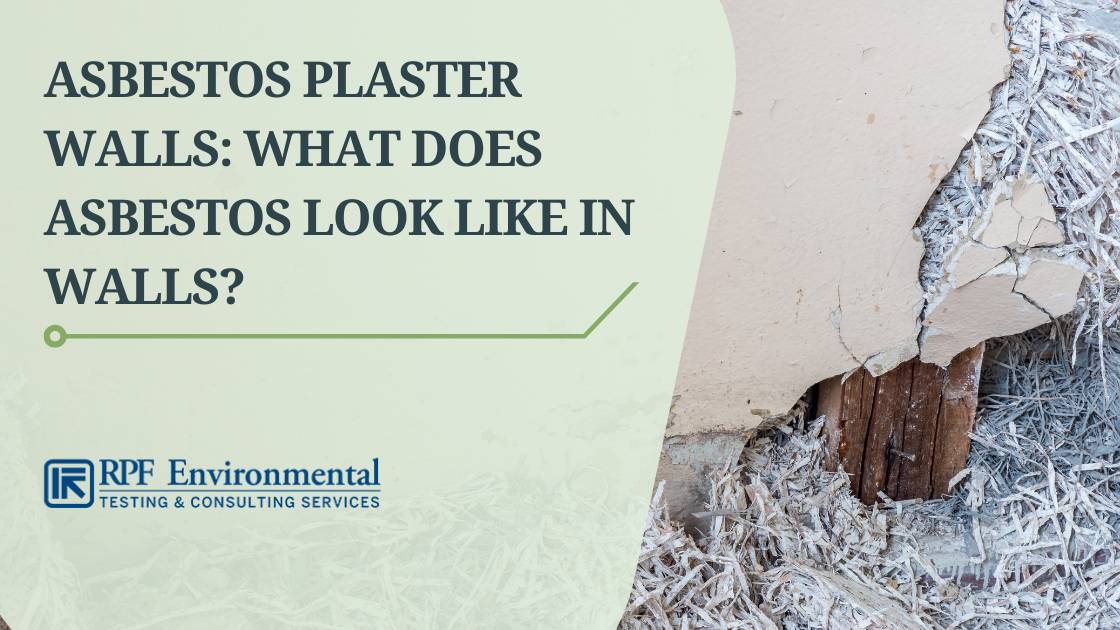
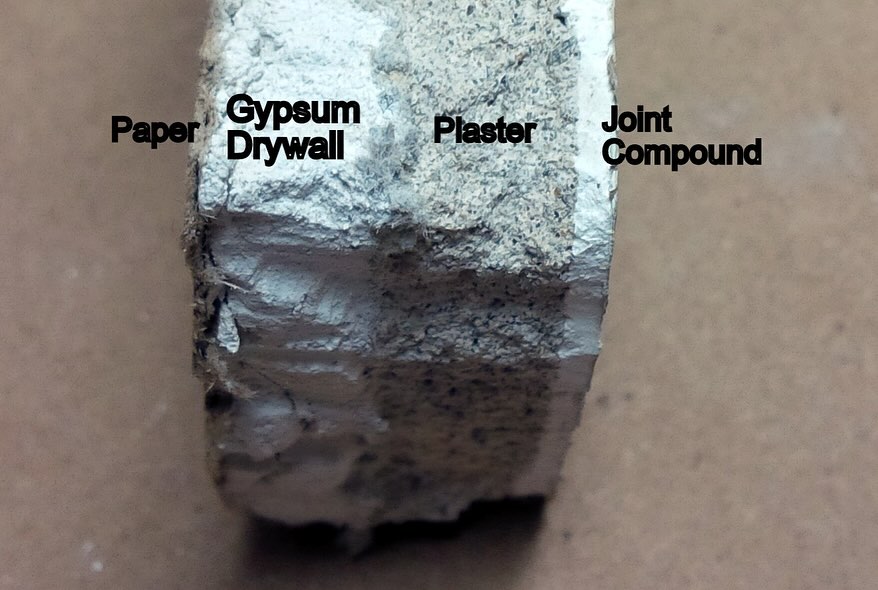
The integration of asbestos into drywall varied over time and across manufacturers. Early forms of drywall might have incorporated asbestos in the gypsum core itself, acting as a binder and strengthening agent. More commonly, asbestos was found in the joint compound (mud) used to tape and finish drywall seams, as well as in textured ceiling finishes, commonly known as popcorn ceilings, applied over drywall. Understanding these variations is key to recognizing potential asbestos presence.
The Gypsum Core: A Subtle Indicator
While it’s challenging to definitively identify asbestos within the gypsum core of drywall through visual inspection alone, certain characteristics can raise suspicion. Asbestos fibers, when present in the gypsum, could contribute to a denser, more homogeneous appearance. Older drywall panels, particularly those manufactured before the late 1970s (when regulations began to tighten), might exhibit a slightly different texture or color compared to modern, asbestos-free drywall.
The color of the paper facing on older drywall can also offer subtle clues. While modern drywall typically features a white or light gray facing, older materials might present with a more yellowish or off-white hue. The texture of the gypsum core itself, when exposed, could appear chalky or crumbly, a characteristic that asbestos fibers could potentially exacerbate. However, it’s crucial to reiterate that these are not definitive indicators. A comprehensive assessment would involve observing these visual cues in conjunction with other contextual factors, such as the age of the building and the presence of other known ACMs.
Joint Compound and Textures: More Prominent Visual Clues
The most common and visually recognizable asbestos-containing component associated with drywall is the joint compound, often referred to as drywall mud or spackle. This material, used to cover drywall tape and screw or nail heads, was frequently manufactured with asbestos additives to improve its workability, strength, and crack resistance.
Asbestos-laden joint compounds often have a distinct texture. They tend to be denser and may appear somewhat granular or gritty compared to modern, asbestos-free compounds, which are typically smoother and more pliable. When dry, older joint compound might exhibit a chalkier residue when handled or disturbed. Visually, it can appear a dull white or light gray, but the texture is often the more revealing characteristic.
Textured ceiling finishes, such as popcorn ceilings, are also highly suspect for asbestos. These finishes were sprayed onto the drywall surface and were popular for their ability to hide imperfections and add aesthetic appeal. Asbestos fibers were a common additive in these spray-on textures for fireproofing and sound dampening. Visually, asbestos-containing popcorn ceilings often have a more pronounced, irregular, and chunky texture compared to newer, asbestos-free versions, which tend to be finer and more uniformly granular. The flakes in asbestos popcorn ceilings can be larger and more varied in size and shape.
Historical Context and Age as a Predictive Factor
The timeline of asbestos use in building materials is a significant factor in determining the likelihood of encountering asbestos in drywall. Asbestos was widely mined and utilized from the late 19th century until the 1980s. Its prevalence in drywall and associated products peaked between the 1950s and the early 1970s. As regulatory bodies, such as the Environmental Protection Agency (EPA) in the United States, began to phase out or ban certain asbestos-containing products, manufacturers reformulated their materials.
Therefore, any building constructed or renovated during the mid-20th century, particularly between 1930 and 1980, has a higher probability of containing asbestos in its drywall and related products. Homes built before the widespread awareness of asbestos dangers are more likely to have original drywall materials that may contain asbestos. Renovations undertaken during this period, even if not involving a complete tear-down, could have introduced asbestos-containing joint compounds or texturing materials.
Conversely, buildings constructed after the mid-1980s are generally less likely to contain asbestos in their drywall. However, it’s not impossible, as some products may have continued to be manufactured with existing stockpiles of asbestos-containing raw materials, or regulations might have been less strictly enforced in certain regions or for specific applications. This is why relying solely on the age of a building for asbestos assessment can be misleading.
Identifying Building Eras of Concern
To assess the potential for asbestos in drywall, it’s helpful to break down the construction eras where its presence was most common:
- Pre-1950s: While less common in widespread drywall application, asbestos was used in some plaster and wallboard products. Buildings from this era may have more traditional plaster and lath construction, but some early forms of drywall might contain asbestos.
- 1950s – 1970s: This is the peak period for asbestos use in drywall and joint compounds. Buildings constructed during this time are highly likely to contain asbestos in these materials. Textured ceilings were exceptionally popular during this era, and many of these contain asbestos.
- 1970s – Early 1980s: Asbestos use began to decline due to growing health concerns and early regulations. While many products still contained asbestos, manufacturers started transitioning to asbestos-free alternatives. There’s a moderate to high probability of encountering asbestos in drywall from this period.
- Mid-1980s Onward: Most drywall and joint compound manufacturers had phased out asbestos by this time, and regulations became more stringent. The likelihood of asbestos in new drywall is significantly lower, but not zero, especially if older materials were used or imported products with less stringent regulations were involved.
Renovations as a Key Indicator
It is crucial to consider renovation history. If a building constructed before the mid-1980s has undergone renovations, the original asbestos-containing drywall might still be present behind newer layers of material, or the renovation work itself may have introduced asbestos-containing products if older materials were used or if the contractors were not fully aware of asbestos abatement practices. Disturbing older layers during renovation, even if the primary focus is on newer additions, can expose asbestos. Therefore, understanding the renovation timeline and the materials used during those periods is as important as knowing the original construction date.
The Crucial Step: Professional Testing and Identification
While visual cues and historical context can raise a strong suspicion of asbestos in drywall, they are not definitive proof. The only way to confirm the presence of asbestos is through laboratory analysis. Homeowners and renovators should never rely solely on visual identification when dealing with materials that could contain asbestos. Attempting to scrape, cut, or drill into suspected materials without proper protective equipment and procedures can release dangerous asbestos fibers into the air, posing significant health risks.
The process of professional testing involves taking small samples of the suspected drywall or joint compound and sending them to an accredited laboratory. These labs use specialized microscopy techniques, such as polarized light microscopy (PLM) or transmission electron microscopy (TEM), to identify and quantify the types and amounts of asbestos fibers present.
Why Visual Cues Aren’t Enough
Several factors underscore the limitations of visual identification:
- Mimicry: Modern building materials can sometimes mimic the appearance of older, asbestos-containing materials. Manufacturers can create textures and finishes that look similar to older popcorn ceilings or joint compounds without using asbestos.
- Internal Composition: The critical asbestos fibers are microscopic. Even if the bulk material looks familiar, the presence and type of asbestos within it are not visually apparent.
- Degradation and Damage: Over time, drywall can degrade, and its appearance can change, making visual assessment even more unreliable.
- Mixed Materials: Drywall systems often involve multiple layers and types of compounds. A visual inspection might only reveal the surface layers, leaving underlying asbestos-containing materials undetected.
The Safe Approach: Sampling and Professional Assessment
When in doubt, the safest course of action is to assume the material contains asbestos and proceed with caution. This involves:
- Minimizing Disturbance: Avoid any activity that could disturb the material, such as sanding, scraping, cutting, drilling, or demolition.
- Contacting Professionals: Engage a licensed asbestos inspector or abatement professional. They are trained to safely collect samples for laboratory analysis and can provide expert advice on remediation if asbestos is detected.
- Laboratory Analysis: The inspector will collect samples following strict safety protocols and submit them to an accredited lab.
- Understanding the Report: The lab report will detail whether asbestos is present, its type, and its concentration. This information is crucial for making informed decisions about renovation, repair, or removal.
In conclusion, understanding what asbestos drywall might look like involves recognizing older building materials, particularly joint compounds and textured finishes, and considering the age of the building. However, this visual reconnaissance is merely the first step. The definitive answer, and the only path to true peace of mind and safety, lies in professional testing and analysis. This methodical approach ensures that potential asbestos hazards are identified and managed appropriately, protecting the health of occupants and workers alike.
aViewFromTheCave is a participant in the Amazon Services LLC Associates Program, an affiliate advertising program designed to provide a means for sites to earn advertising fees by advertising and linking to Amazon.com. Amazon, the Amazon logo, AmazonSupply, and the AmazonSupply logo are trademarks of Amazon.com, Inc. or its affiliates. As an Amazon Associate we earn affiliate commissions from qualifying purchases.