
An emotional support letter, often referred to as a supporting documentation or recommendation letter, is a formal document written by a qualified mental health professional to verify that an individual is experiencing a mental health condition that necessitates the presence of an emotional support animal (ESA). This letter plays a crucial role in enabling individuals to live with their ESAs in housing situations that might otherwise prohibit pets, as well as for other purposes such as travel. While the specific content and formatting can vary, understanding the core components and purpose of such a letter is essential for both the individual seeking accommodations and the recipient of the letter. This article delves into the typical appearance and essential elements of an emotional support letter, offering insight into its structure, content, and the credibility it carries.
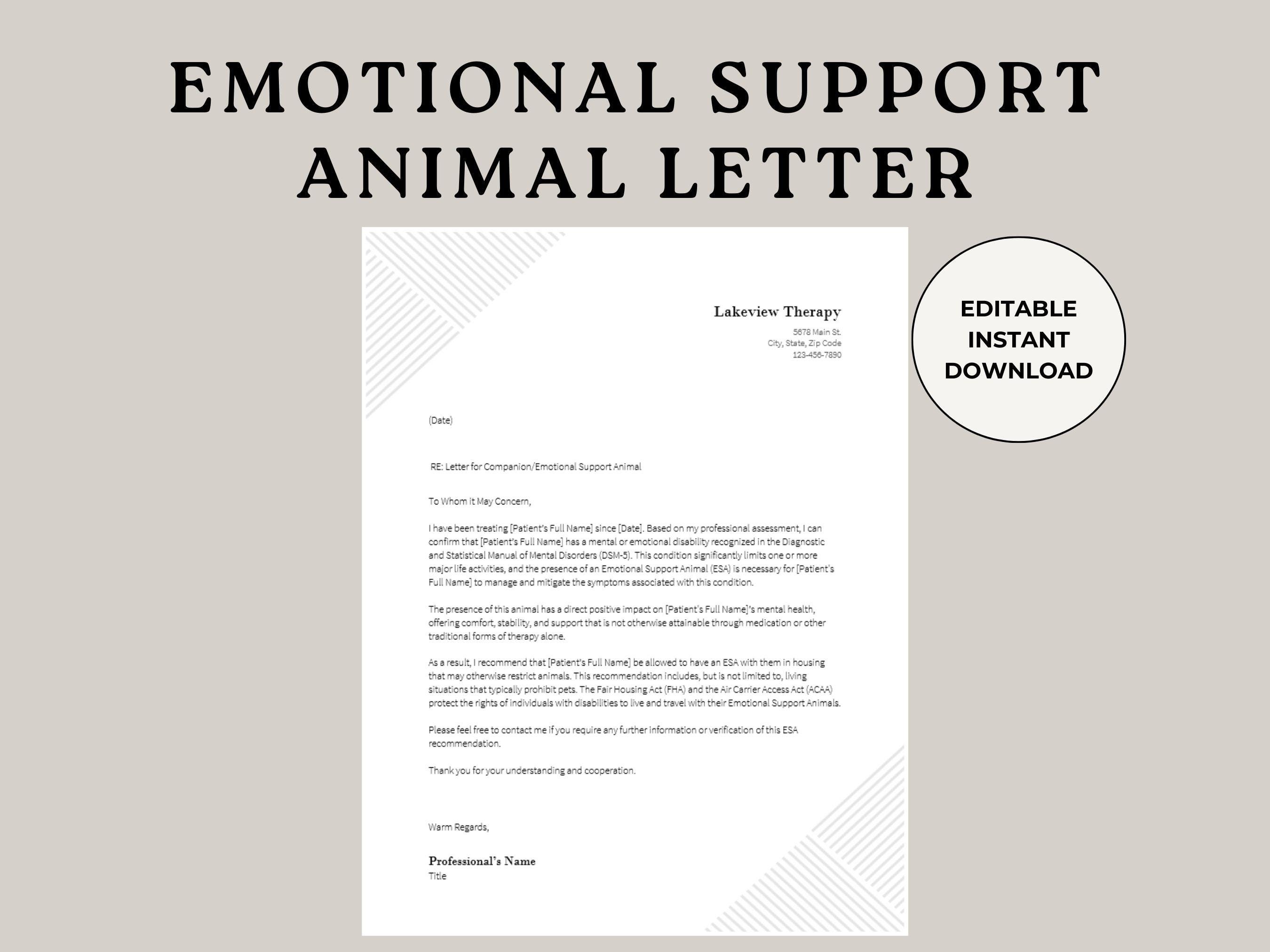
The Essential Components of an Emotional Support Letter
An effective emotional support letter is more than just a simple statement of need; it’s a professionally crafted document that clearly articulates the relationship between the individual and their animal and the positive impact the animal has on the individual’s mental well-being. It should be written on the letterhead of the mental health professional, lending an air of authority and legitimacy to the document. This ensures that the information presented is not only from a credible source but also presented in a professional and organized manner.
Professional Credentials and Licensing Information
The cornerstone of a valid emotional support letter is the mental health professional’s credentials. This includes their full name, professional title (e.g., Licensed Clinical Social Worker, Licensed Professional Counselor, Psychologist, Psychiatrist), and their license number. The licensing board under which they are registered should also be clearly indicated, along with the state where the license is valid. This information is paramount for verification purposes. Housing providers, airlines, or other entities that receive these letters often need to confirm the authenticity of the professional and their right to practice. Without this information, the letter loses significant credibility and may be easily dismissed. The inclusion of contact information, such as a phone number and email address, further facilitates verification and allows for follow-up questions if necessary. This transparency builds trust and ensures that the documentation is taken seriously.
Patient-Professional Relationship and Treatment Duration
A critical element within the letter is the establishment of a clear patient-professional relationship. The letter must state that the mental health professional has a therapeutic relationship with the individual seeking the accommodation. This isn’t a casual acquaintance or a one-time consultation; it signifies an ongoing professional engagement where the individual’s mental health has been assessed and is being managed. The letter should also specify the duration of this relationship, indicating how long the professional has been treating the individual. This longevity of care suggests a thorough understanding of the individual’s condition and the role the ESA plays in their treatment plan. For instance, stating “I have been treating Ms. Jane Doe for anxiety disorders for the past two years” provides concrete evidence of the established therapeutic bond. This timeframe helps to distinguish genuine therapeutic needs from casual requests.
Diagnosis and Treatment Necessity
The core of the emotional support letter lies in its articulation of the individual’s mental health diagnosis and the necessity of an emotional support animal as part of their treatment. The letter should clearly state the diagnosis, referencing diagnostic criteria from sources like the Diagnostic and Statistical Manual of Mental Disorders (DSM-5) if appropriate, without necessarily divulging overly sensitive personal details unless relevant to the ESA’s role. More importantly, it must explain how the animal alleviates symptoms associated with the diagnosed condition. This goes beyond simply stating the animal provides comfort. The professional should detail the specific ways the ESA’s presence contributes to the individual’s mental and emotional well-being. This might include reducing feelings of loneliness, anxiety, or depression; providing a sense of security; encouraging routine and responsibility; or facilitating social interaction. The letter needs to connect the animal’s presence directly to the management of the individual’s symptoms, demonstrating that the ESA is not merely a pet but a vital component of their therapeutic regimen. For example, a letter might state, “Mr. John Smith’s service animal helps mitigate his panic attacks by providing a calming presence and grounding him during episodes, significantly reducing his reliance on medication.” This specific explanation highlights the functional role of the ESA in his treatment.
Formatting and Professional Presentation
Beyond the content, the physical and digital presentation of an emotional support letter significantly influences its perceived legitimacy and professionalism. A well-formatted and clearly presented letter conveys that the information within is important and has been prepared with due diligence. This attention to detail can make a positive impression on the recipient and reduce potential for misinterpretation or dismissal.
Letterhead and Contact Information
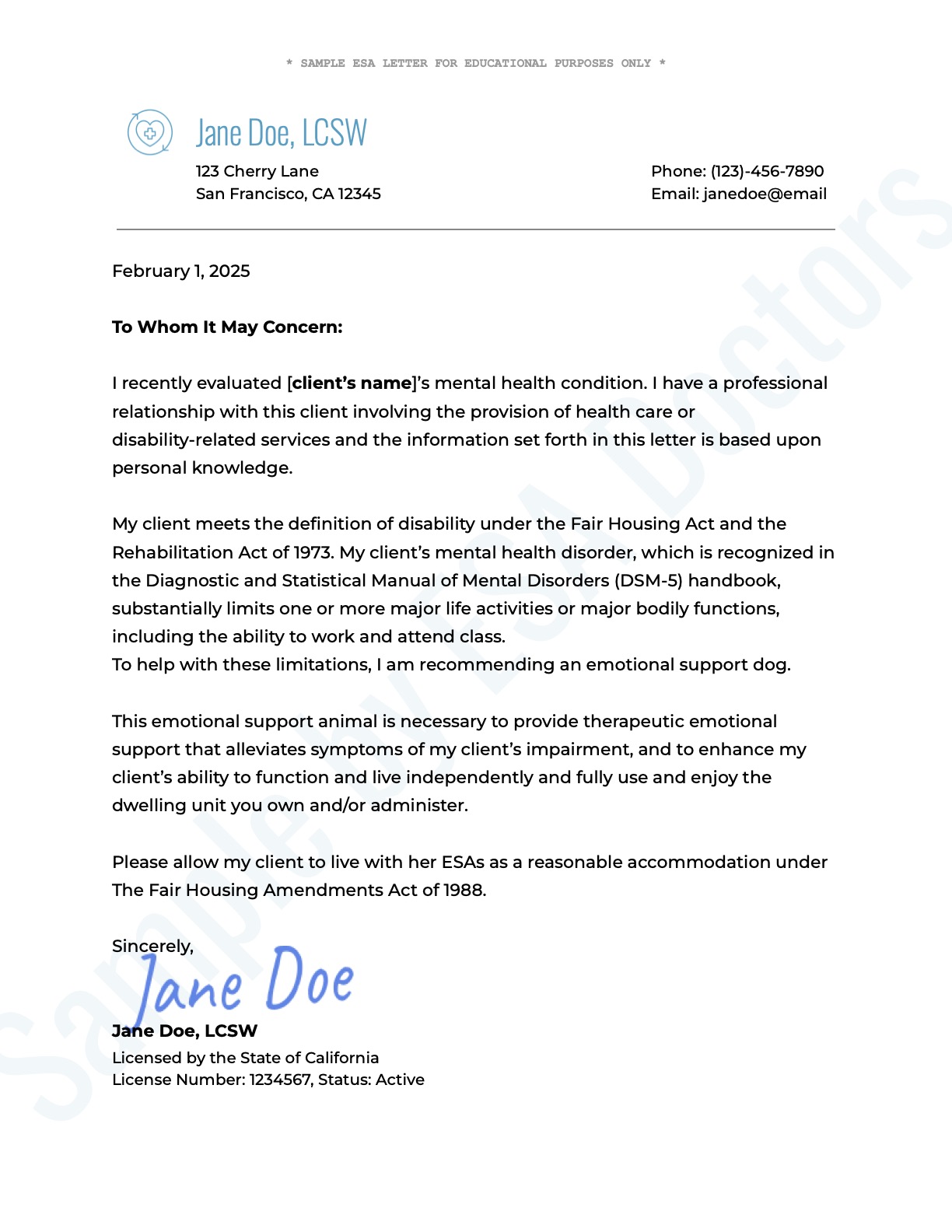
As previously mentioned, the use of official letterhead is a standard and expected practice. This typically includes the mental health professional’s name, practice name, address, phone number, and email address. This not only lends an air of professionalism but also provides immediate contact points for verification. Some professionals may also include their website if applicable. The consistent branding and clear contact details ensure that the letter can be easily traced back to its source and that any inquiries can be efficiently addressed. This visual cue of legitimacy is often the first indicator of a credible document.
Clear and Concise Language
Emotional support letters should be written in clear, concise, and professional language. Avoid jargon that might be misunderstood by a layperson, but also avoid overly casual or informal phrasing. The tone should be objective and informative, focused on the facts of the diagnosis and the therapeutic benefits of the ESA. Complex clinical terms should be explained in accessible language. The letter should be direct and to the point, clearly stating the purpose of the letter and the required accommodations. Ambiguity can lead to confusion and may necessitate further clarification, potentially delaying the accommodation process. A well-structured letter with logical paragraphing makes the information easy to digest and understand.
Date and Signature
Every emotional support letter must be dated to indicate its currency. This is important because a person’s mental health status and treatment plan can evolve over time. A dated letter assures the recipient that the information provided is current and relevant. The letter must also be signed by the mental health professional. A handwritten signature, if on a physical letter, or a scanned signature on a digital copy, adds a personal touch and further validates the document. The signature should be accompanied by the professional’s typed name and title below it, reinforcing their identity and credentials.
The Role and Limitations of an Emotional Support Letter
Understanding what an emotional support letter is also involves recognizing its specific role and its inherent limitations. It is a tool to facilitate accommodations based on a diagnosed mental health condition, but it is not a universal pass or a medical prescription in the traditional sense. Its effectiveness is tied to the validity of the professional issuing it and the clarity with which the need for the ESA is communicated.
Facilitating Accommodations
The primary purpose of an emotional support letter is to support an individual’s request for reasonable accommodations. For instance, under the Fair Housing Act (FHA) in the United States, individuals with disabilities are entitled to reasonable accommodations that are necessary to afford them an equal opportunity to use and enjoy a dwelling. This can include the right to have an emotional support animal in housing, even in buildings with “no pets” policies, as the animal is not considered a pet but a necessary part of the individual’s treatment. Similarly, in some travel contexts, these letters can be used to request that an ESA fly in the cabin. It’s crucial to note that the letter is a request for accommodation, not a guarantee. The recipient of the letter, such as a landlord or airline, has the right to review the documentation and may ask for further clarification if needed, though they generally cannot deny a legitimate request based on a properly issued letter.
Differentiating from Service Animals
It is critically important to distinguish an emotional support letter from documentation related to service animals. Service animals are specifically trained to perform tasks for individuals with disabilities. The Americans with Disabilities Act (ADA) provides protections for individuals with service animals, and there is no requirement for them to provide documentation or letters from mental health professionals. Emotional support animals, on the other hand, provide comfort and support through their presence, but they are not trained to perform specific tasks. Therefore, the accommodations they enable are generally limited to housing and, in some cases, air travel. The legal frameworks and protections differ significantly between ESAs and service animals, and this distinction is often clarified through the professional language used in an emotional support letter. The letter should clearly state that the animal is an emotional support animal and not a service animal.
Legal and Ethical Considerations
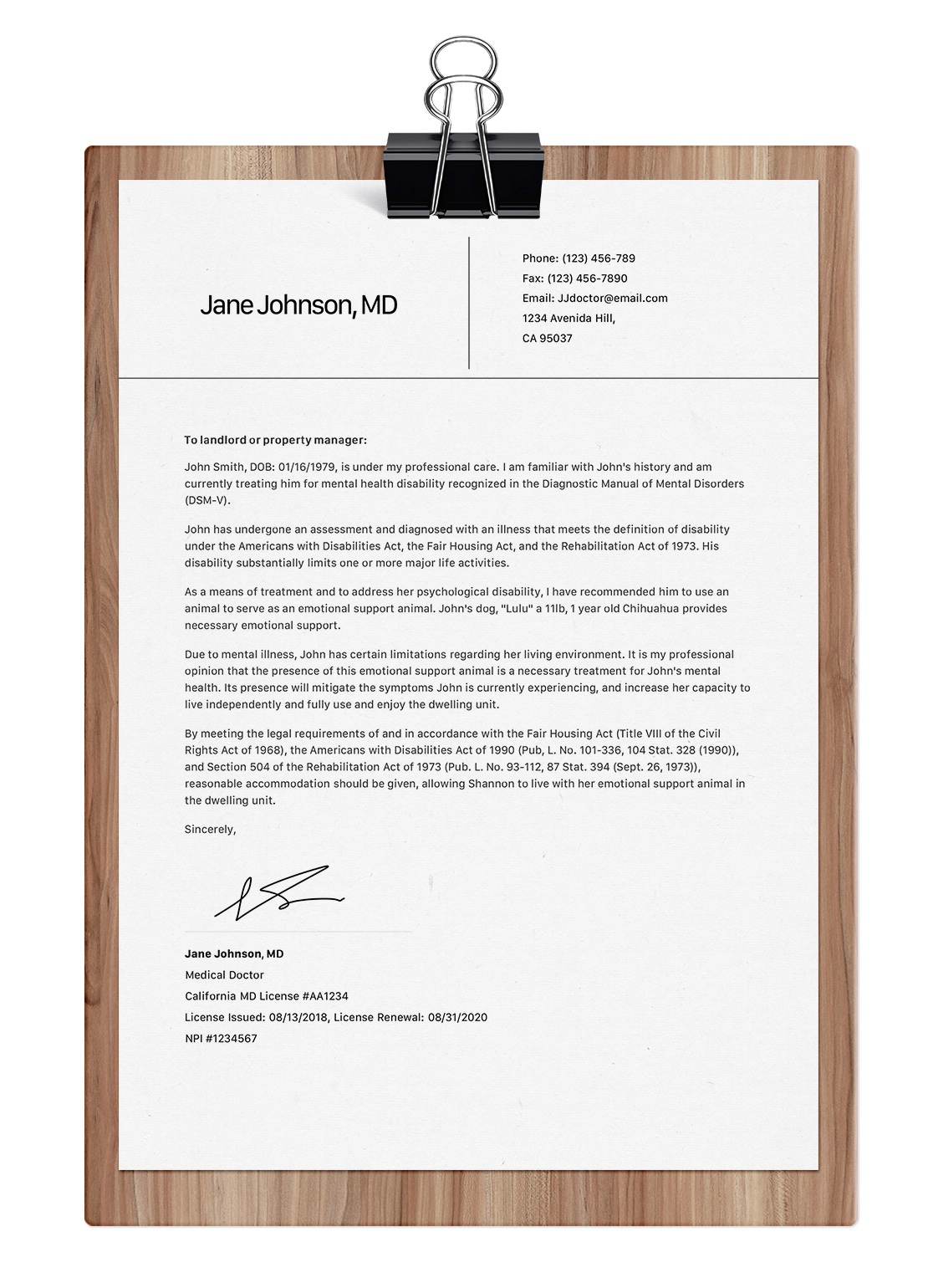
The issuance of emotional support letters is governed by legal and ethical guidelines. Mental health professionals must adhere to ethical codes that prioritize client well-being and confidentiality. They are obligated to provide accurate assessments and recommendations based on their professional judgment. Issuing a letter without a genuine therapeutic relationship or a valid diagnosis would be unethical and could have legal repercussions. Conversely, individuals seeking to misuse these letters can face consequences, as many jurisdictions are increasingly cracking down on fraudulent ESA documentation. The letter should reflect a genuine assessment and a professional opinion that the ESA is integral to the individual’s mental health treatment. It’s a professional opinion, not a blanket endorsement for any animal in any situation.
aViewFromTheCave is a participant in the Amazon Services LLC Associates Program, an affiliate advertising program designed to provide a means for sites to earn advertising fees by advertising and linking to Amazon.com. Amazon, the Amazon logo, AmazonSupply, and the AmazonSupply logo are trademarks of Amazon.com, Inc. or its affiliates. As an Amazon Associate we earn affiliate commissions from qualifying purchases.