
In the intricate world of branding, every element, no matter how small, contributes to the overarching narrative and perception of an entity. From logos to taglines, color palettes to customer service, each facet is meticulously crafted to convey a specific message and evoke a desired emotion. But what about the name itself? Long before a brand has a visual identity or a marketing campaign, it often has a name. And in the journey of building a compelling brand, understanding the meaning, connotations, and historical resonance of that name can be a powerful strategic asset.

Consider a name like “Abram.” On the surface, it might seem like just another name, perhaps a historical one, or a personal identifier. However, when viewed through the lens of brand strategy, “Abram” transforms into a potential cornerstone of identity, a narrative starting point, or even a brand’s very soul. This article delves into the profound implications of “Abram’s” meaning, exploring how its etymology, cultural associations, and inherent gravitas can be leveraged in personal branding, corporate identity, and compelling brand storytelling. Understanding what “Abram” means isn’t just an exercise in linguistics; it’s an insightful exploration into how names carry weight, influence perception, and can be strategically woven into the fabric of a powerful brand.
The Etymology and Historical Resonance of “Abram”
The journey to understanding “Abram” as a brand element begins with its roots. Names are not arbitrary; they are imbued with history, culture, and profound meanings that can subtly or overtly shape perception. For a brand, tapping into these foundational layers can provide a richness and depth that sets it apart.
Tracing the Roots: “Exalted Father” and Its Implications
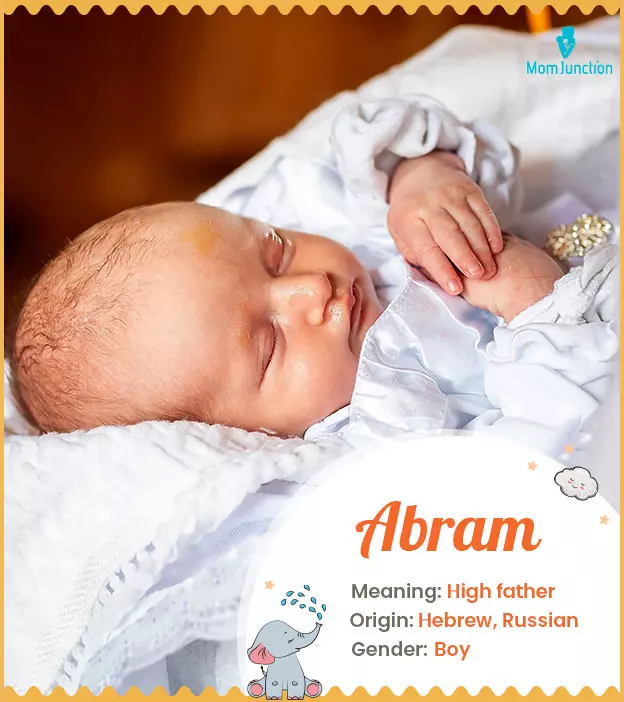
The name “Abram” originates from Hebrew, a Semitic language with a rich historical and religious heritage. Its core meaning is typically translated as “exalted father” or “high father” (from ab, meaning father, and ram, meaning high or exalted). This literal translation immediately suggests qualities that are highly desirable in many branding contexts: leadership, authority, wisdom, foundational strength, and a sense of legacy.
For a brand, being associated with an “exalted father” archetype can imbue it with a sense of gravitas and trustworthiness. Imagine a financial institution named “Abram Wealth Management” or a leadership consultancy called “Abram Ascent.” The name itself subtly communicates a promise of reliable guidance, experienced leadership, and a paternalistic commitment to client success. It evokes an image of someone who is revered, respected, and capable of leading others to greater heights. This foundational meaning provides a sturdy conceptual base upon which a strong brand identity can be built.
Cultural and Historical Associations: Strength, Leadership, and Legacy
Beyond its direct translation, “Abram” carries significant cultural and historical weight, primarily through its association with Abraham (originally Abram) in Abrahamic religions. This figure is revered as a patriarch, a progenitor of nations, and a figure of immense faith, steadfastness, and divine promise. While a brand might not overtly reference religious texts, these deep-seated cultural associations unconsciously color perception.
These associations bring with them:
- Strength and Resilience: Abram’s journey involved challenges and perseverance, reflecting a brand that can endure and overcome obstacles.
- Leadership and Vision: As a leader of his family and a people, Abram embodies foresight and the ability to guide. A brand with this association can position itself as an industry leader, an innovator, or a thought leader.
- Legacy and Foundation: The concept of being a “father” implies a beginning, a source, and an enduring heritage. For a brand, this can translate to being a pioneer, a long-standing institution, or a brand committed to building something lasting.
These underlying currents contribute to a brand’s perceived character, making it appear more established, reliable, and possessing a deep sense of purpose.
Beyond the Literal: Understanding Connotations and Subtext
The power of a name like “Abram” extends beyond its dictionary definition. It’s about the connotations it evokes – the feelings, ideas, and qualities it implicitly suggests.
- Trust and Reliability: The image of an “exalted father” often translates to someone dependable and honorable.
- Wisdom and Experience: Paternal figures are typically associated with accumulated knowledge and sound judgment.
- Stability and Security: The idea of a strong foundation provides a sense of grounding and safety.
These subtle cues can be invaluable in shaping a brand’s subtext, influencing how customers feel about it, even before they interact with its products or services. A brand named “Abram” inherently carries a certain gravitas, demanding respect and projecting an image of quiet authority.
“Abram” as a Foundation for Personal Branding
In an increasingly competitive professional landscape, personal branding has become paramount. For individuals, their name is often their most fundamental brand asset. For someone named Abram, or someone choosing “Abram” as a moniker for their personal brand, understanding its inherent meaning offers a powerful framework for self-positioning and communication.
Crafting a Narrative: Leveraging Name Meaning for Authenticity
For an individual, embracing the meaning of “Abram” – “exalted father” – can be a profound starting point for crafting an authentic personal brand narrative. If one embodies leadership, mentorship, or pioneering spirit, linking these traits to the etymology of their name creates a seamless and compelling story.
- Consultants and Mentors: An “Abram” who excels in guiding others can lean into the “father” aspect, positioning themselves as a trusted advisor, a source of wisdom, and a foundational support for their clients’ growth.
- Innovators and Founders: The “exalted” aspect can be highlighted to underscore ambition, aspiration, and the drive to create something significant and lasting, akin to a patriarch founding a lineage.
- Speakers and Thought Leaders: The gravitas associated with the name can enhance credibility and project an aura of authority and deep insight.
By intentionally weaving the meaning of “Abram” into their personal narrative, individuals can build a brand that feels genuine, deeply rooted, and powerfully resonant with their core values and aspirations.
Consistency Across Platforms: Aligning Your Name with Your Message
A strong personal brand is characterized by consistency across all touchpoints – from LinkedIn profiles and personal websites to presentations and networking events. For someone leveraging “Abram’s” meaning, this means ensuring that their professional presence reflects the qualities associated with “exalted father.”
- Content Creation: Articles, blog posts, and social media updates should exude the wisdom, leadership, and stability implied by the name.
- Visual Identity: Professional headshots, personal branding colors, and website design can be chosen to convey gravitas, authority, and trustworthiness, aligning with the dignified nature of “Abram.”
- Communication Style: The tone of voice in emails, speeches, and conversations can be measured, insightful, and authoritative, reinforcing the “exalted father” archetype.
This consistent alignment builds trust and strengthens the personal brand’s impact, making the individual’s message more coherent and memorable.
The Power of a Strong Identity: How “Abram” Can Project Authority
A name like “Abram” inherently carries a certain weight that can project authority and influence. In a world saturated with information and fleeting attention spans, a strong, clear personal identity is a significant advantage.
- First Impressions: The name “Abram” can immediately signal a person of substance, someone to be taken seriously.
- Credibility: The historical and etymological depth of the name lends an air of established credibility.
- Memorability: Distinctive names with clear meanings tend to be more memorable, helping individuals stand out in a crowded professional environment.
For those seeking to establish themselves as leaders, experts, or foundational figures in their respective fields, the inherent authority and gravitas of “Abram” can be a powerful, unspoken asset that underpins their professional identity.
Brand Naming Strategy: When “Abram” Becomes a Corporate Identity
Choosing a name for a company, product, or service is one of the most critical decisions in brand development. It’s the first touchpoint, the first impression, and often the last thing remembered. For corporate branding, selecting a name like “Abram” involves a strategic evaluation of its psychological impact, target audience fit, and practical considerations.
The Psychology of Name Choice: What Emotions Does “Abram” Evoke?
A successful brand name taps into specific emotions and associations. “Abram” evokes feelings of:
- Trust and Security: As discussed, the “father” aspect suggests protection and reliability, crucial for financial services, security firms, or long-term investment products.
- Leadership and Expertise: The “exalted” quality points to high standards, authority, and specialized knowledge, ideal for consulting, advanced technology, or educational institutions.
- Tradition and Heritage: The historical resonance offers a sense of stability and an established presence, beneficial for heritage brands, luxury goods, or organizations emphasizing timeless quality.
- Dignity and Seriousness: Unlike playful or trendy names, “Abram” conveys gravitas, suitable for professional services, legal firms, or high-end products where solemnity and quality are paramount.
Brand strategists must carefully consider if these emotional cues align with the desired brand personality and the core values the company wishes to communicate.
Target Audience Perception: Is “Abram” Right for Your Market?
The appropriateness of “Abram” as a brand name also hinges on the target audience.
- Conservative vs. Progressive Markets: “Abram” might resonate strongly with more traditional, established markets seeking reliability and heritage. It might be less appealing to younger, more avant-garde audiences who prefer modern, innovative, or highly descriptive names.
- B2B vs. B2C: For business-to-business (B2B) services, especially in sectors like law, finance, or enterprise technology, “Abram” can convey professionalism and trustworthiness. For some consumer-facing brands, particularly those targeting youth culture or lighthearted products, it might feel too formal or archaic.
- Cultural Context: While “Abram” has a strong historical and cultural base, brand managers must also consider its perception in different global markets, ensuring it doesn’t have unintended negative connotations.
Understanding the target audience’s demographics, psychographics, and existing brand preferences is vital to determine if “Abram” will effectively connect and resonate.
Legal and Global Considerations: Availability and Cross-Cultural Interpretation
Practical considerations are as important as emotional ones.
- Trademark Availability: Before committing to “Abram,” extensive trademark searches are essential to ensure the name is available and won’t infringe on existing intellectual property, both domestically and internationally.
- Domain Names: Securing relevant domain names (e.g., abram.com, abramsolutions.co) is crucial for digital presence and brand protection.
- Linguistic Nuances: In a globalized market, it’s critical to research how “Abram” might be pronounced or interpreted in various languages and cultures. While its primary associations are positive, cultural research can prevent potential missteps.
A thorough due diligence process ensures that choosing “Abram” as a brand name is not only strategically sound but also legally viable and culturally sensitive.
Infusing Meaning into Brand Storytelling and Marketing
Once a brand name like “Abram” is chosen, its inherent meaning isn’t just a static attribute; it becomes a dynamic resource for brand storytelling and marketing efforts. The goal is to consistently communicate the essence of “exalted father” throughout all brand expressions.
From Name to Narrative: Weaving “Abram’s” Essence into Your Story
The core meaning of “Abram” provides a rich foundation for developing a compelling brand story.
- Origin Story: If a company founder is named Abram, their personal journey can be interwoven with the name’s meaning – perhaps a story of a pioneer who built something significant, or a mentor who guided others to success.
- Brand Mission: The mission statement can reflect the “exalted father” archetype – e.g., “Our mission is to provide foundational guidance for your financial future” (finance), or “We build exalted solutions that lead industries forward” (tech).
- Company Values: Values like integrity, leadership, wisdom, and resilience can be directly linked to the historical and etymological implications of “Abram.”
By consciously tying the brand’s narrative back to the meaning of its name, marketers can create a story that feels authentic, deeply resonant, and consistently reinforces the brand’s identity.
Visual Identity: Designing Logos and Imagery That Reflect Meaning
The visual elements of a brand are powerful communicators. For “Abram,” the visual identity should reinforce the ideas of strength, authority, heritage, and perhaps a touch of classical elegance.
- Logo Design: A logo could incorporate strong, stable geometric shapes, a classic serif font, or an abstract representation of a foundation, a mountain (exalted), or even a guiding star. Colors might lean towards deep blues, rich greens, or earth tones that convey stability and trustworthiness.
- Imagery and Photography: Marketing visuals could feature images that evoke leadership (e.g., a leader at a helm, a group ascending a summit), wisdom (e.g., an elder statesman, an ancient tree), or a solid foundation (e.g., classical architecture, a sturdy anchor).
- Website and UI/UX: The design of digital platforms can reflect gravitas through clean layouts, thoughtful typography, and an overall sense of order and reliability.
Every visual cue should subtly echo the “exalted father” concept, ensuring that the brand’s aesthetics are congruent with its inherent meaning.
Messaging and Tone: Ensuring Brand Communications Resonate with “Abram’s” Core
The language a brand uses, and the tone it adopts, are crucial for conveying its personality. For a brand named “Abram,” the messaging should be:
- Authoritative and Knowledgeable: Positioning the brand as an expert, a trusted source of information and guidance.
- Professional and Respectful: Maintaining a tone that reflects the dignity and gravitas of the name, avoiding overly casual or frivolous language.
- Secure and Confident: Projecting an image of stability and assurance, instilling trust in the audience.
- Purposeful and Visionary: Communicating a clear sense of direction and a long-term perspective, aligning with the idea of a legacy builder.
Whether it’s website copy, ad campaigns, social media posts, or customer service interactions, the consistent application of this tone ensures that the brand’s communications are always “on brand” and resonate with the powerful meaning of “Abram.”
The Evolving Brand: Adapting “Abram’s” Meaning for Modern Audiences
While “Abram” carries historical weight, a successful brand is never static. It must evolve and adapt to remain relevant. The challenge and opportunity lie in translating its timeless essence into a contemporary appeal without losing its core identity.
Staying Relevant: How Historical Names Gain Contemporary Appeal
To prevent a historical name like “Abram” from feeling outdated, brands must strategically infuse it with modern relevance.
- Modern Interpretations of Core Values: While “father” implies tradition, “exalted father” can be reinterpreted to mean a “leading innovator,” a “founding visionary,” or a “master architect” of the future.
- Contemporary Design: Pairing a classic name with modern, minimalist, or sleek design elements can create a powerful juxtaposition that signals both heritage and forward-thinking.
- Technological Integration: Even if the name feels traditional, the brand’s operations, products, and services can be at the cutting edge of technology, demonstrating a commitment to progress.
By consciously bridging the gap between its historical roots and contemporary applications, a brand named “Abram” can appeal to diverse audiences seeking both reliability and innovation.
Differentiation in a Crowded Market: Using Meaning to Stand Out
In today’s saturated markets, differentiation is key. The deep meaning of “Abram” offers a unique avenue for standing out.
- Beyond Generic Descriptors: Instead of a generic name, “Abram” provides a distinct identity that can’t be easily replicated.
- Storytelling Advantage: The inherent narrative depth allows for richer, more memorable brand stories compared to brands with less meaningful names.
- Perceived Value: The gravitas and trust associated with “Abram” can create a perception of higher quality, reliability, and expertise, allowing the brand to command a premium.
Leveraging the unique connotations of “Abram” allows a brand to carve out a distinct niche, differentiating itself not just on features or price, but on the very essence of its identity.

Future-Proofing Your Brand: Building a Legacy with Lasting Significance
Ultimately, understanding and strategically applying the meaning of “Abram” contributes to building a future-proof brand – one that can endure and maintain its relevance over time.
- Timeless Values: The core values associated with “Abram” (leadership, integrity, foundation, wisdom) are universal and timeless, providing a stable bedrock for long-term brand equity.
- Adaptability: A brand built on fundamental meaning, rather than fleeting trends, can adapt its external expressions (marketing campaigns, product lines) while maintaining a consistent internal identity.
- Legacy Building: The name itself implies a legacy, a lasting impact. By living up to this promise, a brand named “Abram” can build a reputation that transcends generations, becoming a true institution.
In conclusion, “what does Abram mean?” is far more than a linguistic query when approached from a branding perspective. It’s an invitation to explore a rich tapestry of meaning, history, and psychological resonance that can be strategically harnessed to build powerful personal brands, authoritative corporate identities, and compelling brand narratives that resonate deeply with audiences. The name “Abram,” with its implications of “exalted father,” offers a foundation of strength, wisdom, and leadership – qualities that, when thoughtfully integrated, can elevate a brand from merely existing to truly thriving with lasting significance.
aViewFromTheCave is a participant in the Amazon Services LLC Associates Program, an affiliate advertising program designed to provide a means for sites to earn advertising fees by advertising and linking to Amazon.com. Amazon, the Amazon logo, AmazonSupply, and the AmazonSupply logo are trademarks of Amazon.com, Inc. or its affiliates. As an Amazon Associate we earn affiliate commissions from qualifying purchases.