
In the vast and intricate tapestry of branding, symbolism plays a crucial role. It’s the silent language that communicates deeper meaning, evokes emotions, and helps a brand forge a unique identity. While the natural world is rich with potent symbols, the white moth, often overlooked, holds a surprisingly potent potential for brands seeking to convey specific messages. Its delicate appearance belies a powerful resonance, capable of signifying transformation, purity, intuition, and even a touch of the ethereal. Understanding this symbolism, and how to integrate it effectively, can elevate a brand’s narrative and connect with its audience on a more profound level.
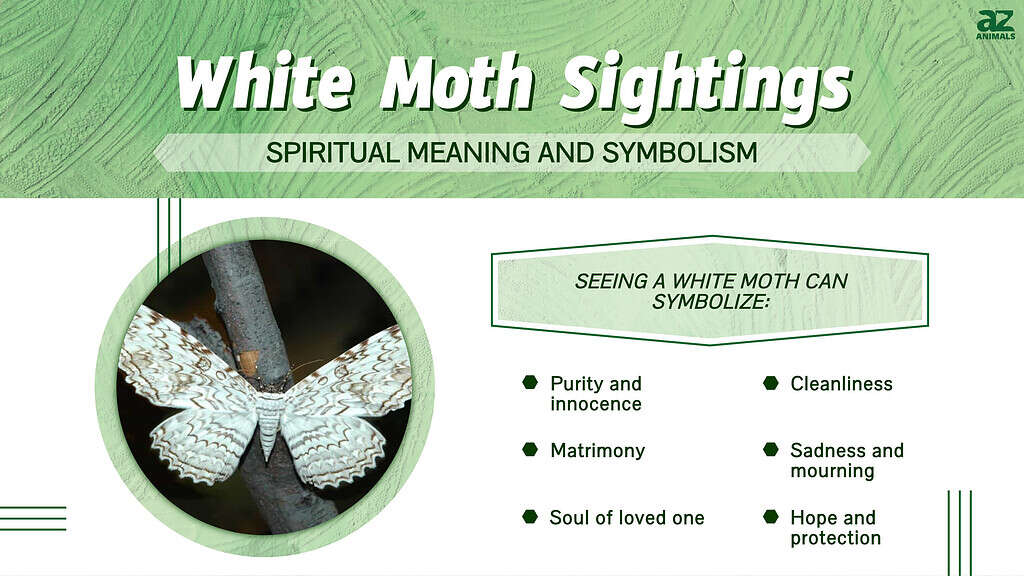
The Symbolism of the White Moth: A Foundation for Brand Identity
The white moth, in its natural state, is an emblem of subtlety and transformation. Its lifecycle, from a humble caterpillar to a winged creature of the night, mirrors the journey of many businesses and personal brands – a process of growth, change, and eventual emergence. This inherent duality makes it a compelling symbol for brands that emphasize evolution, innovation, or the journey of self-discovery.
Purity and Innocence: A Clean Slate for Brand Perception
The color white itself is universally associated with purity, innocence, clarity, and new beginnings. When combined with the moth, this association is amplified. A white moth can represent a brand that is transparent, ethical, and committed to providing unadulterated quality. It can signal a fresh start, a departure from old paradigms, or a commitment to a simplified, streamlined approach.
- Brand Applications: For companies offering organic products, sustainable solutions, or services focused on clarity and mental well-being, the white moth symbol can be a powerful visual cue. Imagine a skincare brand using a minimalist logo featuring a white moth to convey natural ingredients and gentle efficacy. Or a consulting firm specializing in simplifying complex business processes, leveraging the white moth to represent clarity and a fresh perspective.
Transformation and Metamorphosis: The Journey of Growth and Evolution
The most striking aspect of the moth’s existence is its metamorphosis. This dramatic transformation from larva to imago is a potent metaphor for growth, change, and the realization of potential. For brands, this symbolism can be incredibly valuable in communicating a journey of improvement, innovation, or personal development.
- Brand Applications: A fitness brand could use the white moth to represent the transformation clients undergo on their wellness journey. A software company launching a groundbreaking new version of its product could tap into this symbolism to signify a significant leap forward. Educational institutions or personal development coaches can also find resonance here, highlighting the transformative power of learning and growth. The narrative can be one of overcoming challenges and emerging stronger and more beautiful.
Intuition and the Unseen: Connecting with Deeper Insights
Moths are often associated with the night, and in many cultures, the nocturnal world is linked to intuition, introspection, and the subconscious. The white moth, with its often elusive nature, can embody a connection to deeper wisdom, inner knowing, and the ability to perceive what lies beneath the surface.
- Brand Applications: Brands that focus on creativity, innovation, or mental well-being might find this symbolism particularly resonant. A design agency could use the white moth to suggest creative insight and the ability to bring abstract ideas to fruition. A mindfulness app or a spiritual wellness brand could leverage this to represent inner peace and intuitive guidance. It speaks to a brand that understands its audience’s deeper desires and needs, often before they are consciously articulated.
Integrating the White Moth Symbol: From Logo to Narrative
The power of the white moth symbol lies not just in its inherent meaning, but in how it is strategically woven into a brand’s visual identity and narrative. This is where brand strategy comes into play, ensuring that the symbol is not merely an arbitrary choice but a deliberate communication tool.

Visual Representation: Crafting a Memorable Logo and Identity
The visual execution of the white moth symbol is paramount. It needs to be adaptable across various platforms and mediums, while retaining its essence. The style of the moth, its color palette, and its integration into the overall design will dictate the specific nuance of the message conveyed.
- Logo Design: A stylized, minimalist white moth can convey elegance and sophistication. A more detailed, perhaps almost abstract, depiction might suggest mystery and creativity. The color white, when used, should be impactful, perhaps contrasting with darker backgrounds to emphasize purity and luminosity. Considerations include whether the moth is depicted in flight, at rest, or as part of a larger composition.
- Color Palette: While the “white” in the moth is key, the accompanying colors will significantly influence the brand’s overall feel. Soft blues and greys might enhance the ethereal quality, while deeper purples could evoke mystery and intuition. Greens could tie into themes of nature and growth.
- Typography: The font chosen for the brand’s name and messaging should complement the visual of the white moth. Elegant, serif fonts might enhance a sense of timelessness and sophistication, while cleaner, sans-serif fonts could convey modernity and clarity.
Brand Narrative and Messaging: Telling the Story of Transformation and Purity
Beyond the visual, the white moth symbol can be a powerful anchor for a brand’s storytelling. The narrative should consistently reinforce the chosen symbolism, creating a cohesive and compelling brand experience.
- Origin Stories: If the brand’s inception involved a significant transformation or a desire for a fresh, pure start, this can be a compelling narrative hook. Sharing the challenges overcome and the evolution of the brand can resonate deeply with consumers who value authenticity and growth.
- Product/Service Benefits: Messaging should highlight how the brand’s offerings embody purity, facilitate transformation, or tap into intuition. For example, a company selling ethically sourced goods can emphasize the purity of their ingredients. A coaching service can talk about guiding clients through their personal metamorphosis.
- Customer Journeys: Showcase how customers experience transformation and clarity through their interaction with the brand. Testimonials and case studies can illustrate the brand’s role in facilitating positive change, mirroring the moth’s life cycle.
Ethical Considerations and Audience Resonance
While the white moth offers rich symbolic potential, brands must use it thoughtfully and authentically. Misappropriation or superficial use of symbolism can lead to a disconnect with the audience and damage brand credibility.
Authenticity in Symbolism: Aligning Meaning with Brand Values
The most effective brands are those whose symbolism is deeply rooted in their core values and mission. A brand that claims purity but engages in dubious practices will be quickly exposed. Therefore, the chosen symbolism must genuinely reflect the brand’s ethos and actions.
- Mission Alignment: Ensure the white moth’s symbolism of purity, transformation, or intuition genuinely aligns with the brand’s stated purpose. If a brand is about disrupting industries with aggressive tactics, the white moth might not be the most appropriate symbol.
- Transparency: If the brand is positioned around purity, transparency in operations and sourcing is crucial. If transformation is a key theme, demonstrate tangible examples of growth and positive change.
- Ethical Sourcing and Practices: For brands focused on natural or organic aspects, the white moth can be a direct nod to ethical sourcing and sustainable practices. This reinforces the purity aspect in a tangible way.
Understanding Your Target Audience: Who Resonates with the White Moth?
Different audiences will interpret symbolism in unique ways. Understanding your target demographic is essential to ensure the white moth symbol will be received as intended.
- Demographic Appeal: Consider the age, cultural background, and values of your target audience. While purity and transformation are universal, the specific connotations of the white moth might appeal more strongly to certain groups. For instance, a younger, more environmentally conscious audience might be drawn to the nature-centric symbolism of transformation.
- Psychographic Appeal: Explore the psychological drivers of your audience. Are they seeking order and clarity? Are they on a journey of self-improvement? Do they value innovation and forward-thinking? The white moth can speak to these deeper desires.
- Cultural Nuances: While generally positive, be mindful of any specific cultural interpretations of moths that might be negative. Research is key to avoid unintended associations. In most Western cultures, the white moth is largely benign or viewed positively in its symbolic context.

Conclusion: A Delicate Symbol for Powerful Brands
The white moth, often seen flitting silently in the twilight, possesses a profound symbolic weight that can be expertly harnessed by brands. From representing unwavering purity and the promise of a clean slate to embodying the powerful journey of transformation and the subtle whispers of intuition, its potential is vast. When integrated thoughtfully into a brand’s visual identity and narrative, the white moth can become more than just an image; it can become a powerful emblem that communicates core values, fosters emotional connections, and helps a brand emerge as a beacon of its chosen meaning. By understanding its symbolism and applying it with authenticity and strategic intent, brands can unlock a delicate yet potent tool for carving out a distinctive and memorable presence in the marketplace.
aViewFromTheCave is a participant in the Amazon Services LLC Associates Program, an affiliate advertising program designed to provide a means for sites to earn advertising fees by advertising and linking to Amazon.com. Amazon, the Amazon logo, AmazonSupply, and the AmazonSupply logo are trademarks of Amazon.com, Inc. or its affiliates. As an Amazon Associate we earn affiliate commissions from qualifying purchases.