
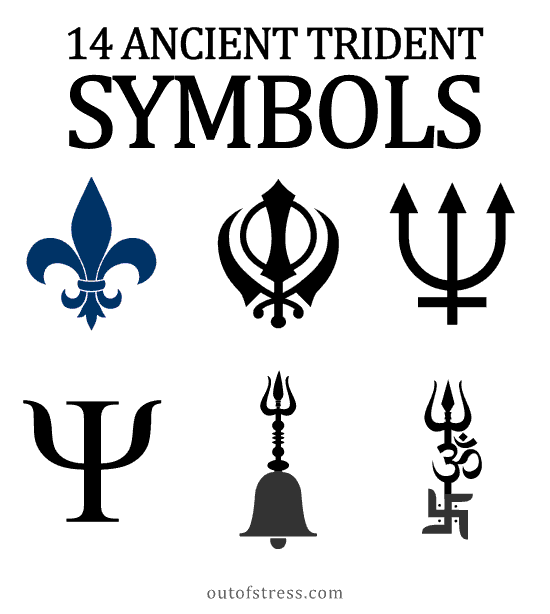
The trident, a formidable three-pronged spear, evokes powerful imagery: the boundless ocean, divine authority, immense power, and strategic prowess. From Poseidon to Shiva, it has graced the hands of deities across cultures, embedding itself deep within the collective consciousness as an emblem of dominion and force. But beyond its mythological roots and ancient significance, what can a symbol like the trident—or indeed, any carefully chosen emblem—truly symbolize for a modern brand? In a landscape saturated with fleeting trends and a cacophony of voices, the enduring power of symbolism offers brands a profound avenue to forge identity, communicate values, and cultivate deep, lasting connections. This exploration delves into how brands harness the intrinsic power of symbols, much like the multifaceted trident, to carve out their niche, convey their essence, and stand triumphant in the marketplace.
The Primacy of Symbolism in Brand Identity
At its core, branding is the art and science of shaping perception. It’s about creating an identity that extends far beyond a product or service, encompassing values, aspirations, and an emotional resonance. Symbols are the foundational language of this identity, acting as shorthand for complex ideas and fostering immediate recognition. They are the silent ambassadors of a brand’s narrative, speaking volumes without uttering a single word.
Beyond Logos: The Deeper Meaning
While a logo is undeniably the most visible symbol of a brand, its effectiveness stems from the deeper symbolic meaning it manages to encapsulate. A trident, for instance, isn’t just a three-pronged tool; it carries centuries of association with mastery over the seas, protection, and decisive action. When a brand incorporates such symbolism, either literally or metaphorically, it’s not merely adopting an image; it’s inheriting a narrative, a legacy of meaning. A shipping company might subtly weave in maritime symbols to evoke reliability and global reach, while a cybersecurity firm might use a stylized, interconnected symbol to suggest impenetrable protection and advanced networking capabilities. The goal is to move beyond mere aesthetic appeal to psychological resonance, where the symbol taps into existing archetypes and cultural understanding.
The true power lies in the brand’s ability to imbue its chosen symbols with its own specific meaning, layer by layer. This involves a meticulous process of consistent communication, user experience, and value delivery, ensuring that every interaction reinforces the intended symbolic association. Over time, the symbol becomes an inseparable part of the brand’s story, a beacon that guides perception and reinforces identity.
Psychological Impact and Recognition
The human brain is wired for pattern recognition and symbolic interpretation. Symbols bypass the rational mind and tap directly into emotional and subconscious processes, making them incredibly potent tools for brand building. A well-designed brand symbol, instantly recognizable, can trigger a cascade of associations, emotions, and memories. Think of the Nike swoosh: it’s not just a checkmark; it symbolizes movement, victory, and the spirit of “just do it.” Its power comes from its simplicity combined with decades of consistent association with athletic excellence and inspiration.
This immediate psychological impact is crucial in an attention-scarce world. In a fraction of a second, a powerful symbol can communicate a brand’s essence, differentiating it from competitors and fostering an emotional connection. It builds familiarity, trust, and ultimately, loyalty. The more unique and strategically meaningful a symbol is, the more likely it is to be remembered and to resonate with the target audience, establishing a strong mental shortcut to the brand itself.
Crafting Your Brand’s Symbolic Language
The process of developing a brand’s symbolic language is a strategic exercise in self-definition and external communication. It requires introspection, market understanding, and creative execution to ensure the chosen symbols accurately represent the brand’s core.
Archetypes and Universal Resonance
Drawing upon archetypes—universal patterns and images found in the collective unconscious, first explored by Carl Jung—can give brand symbols profound resonance. The trident, for example, taps into the “Ruler” or “Magician” archetype, symbolizing control, transformation, and powerful influence. Brands can intentionally align their symbolism with archetypes that embody their values and appeal to their target audience’s deepest desires and motivations. A brand that positions itself as an innovator might leverage symbols associated with discovery or enlightenment (the “Sage” or “Creator”), while a brand focused on community might use symbols of connection or belonging (the “Caregiver” or “Everyman”).
By tapping into these universal patterns, a brand’s symbols can transcend cultural boundaries and speak to a broader audience on a subconscious level, fostering an immediate sense of familiarity and understanding. This strategic alignment ensures that the symbol doesn’t just look good but feels intrinsically right to the viewer.
Consistency Across Touchpoints
A symbol’s power is amplified by its consistent application across every brand touchpoint. From the website and social media profiles to packaging, advertising, and even internal communications, the symbol must be deployed uniformly and strategically. Inconsistency dilutes its meaning and weakens its impact, creating confusion rather than clarity. If a brand wants its symbol to represent reliability, every interaction—from the product’s quality to customer service—must reinforce that message.
This consistency builds visual equity and reinforces the psychological associations the brand aims to establish. It ensures that regardless of where or how a customer encounters the brand, the core symbolic message remains clear and unwavering, strengthening recall and deepening the brand’s narrative.
Storytelling Through Visuals
Symbols are powerful storytelling devices. They can condense complex narratives into a single, memorable image. A well-designed brand symbol tells a story about the brand’s origins, its mission, its values, and its aspirations. The “trident,” for example, could inspire a brand to tell a story of navigating challenges, charting new courses, or wielding expertise to control volatile situations.
Effective symbolic storytelling evokes curiosity, invites engagement, and builds a rich, layered understanding of the brand. It allows customers to feel connected to something larger than just a product, fostering a sense of shared purpose or identity. The visual narrative should be compelling, authentic, and congruent with the brand’s overall messaging.

The Strategic Deployment of Symbols in Marketing
Once a robust symbolic language is established, its strategic deployment in marketing campaigns becomes paramount. Symbols don’t just exist; they must be actively used to achieve specific marketing objectives, from differentiation to emotional engagement.
Differentiating in a Crowded Market
In today’s hyper-competitive global marketplace, differentiation is key to survival. A unique, meaningful symbol can cut through the noise, instantly setting a brand apart from its competitors. If every financial institution uses symbols of stability and trust (like shields or lions), a new player might choose a symbol that evokes agility or innovation to signify a fresh approach.
The deliberate choice of a distinctive symbol allows a brand to claim a unique visual territory and communicate a specific competitive advantage. This distinctiveness is not just about standing out visually, but about standing for something unique, reinforcing the brand’s positioning in the minds of consumers.
Emotional Connection and Loyalty
Symbols are incredibly effective at forging emotional connections. They can evoke feelings of nostalgia, excitement, security, or belonging. A brand that leverages symbols effectively can tap into these deep-seated emotions, fostering a bond that transcends mere transactional relationships. This emotional connection is the bedrock of brand loyalty. When customers feel a symbolic connection to a brand, they are more likely to advocate for it, return to it, and even forgive occasional missteps.
This emotional resonance is cultivated over time through consistent symbolic messaging that aligns with positive experiences and values. It’s about building a relationship where the brand symbol acts as a visual touchstone for shared beliefs and aspirations.
Adaptability and Evolution of Brand Symbols
While consistency is vital, brand symbols are not static. They must possess a degree of adaptability to remain relevant in an ever-changing world. Just as ancient symbols have evolved in interpretation over millennia, modern brand symbols may need subtle refinements to reflect societal shifts, technological advancements, or changes in brand strategy. A brand might simplify its symbol for digital platforms or introduce new color palettes to appeal to a younger demographic, all while retaining its core symbolic meaning.
The key is to evolve without losing the fundamental essence that the symbol represents. This ensures that the brand remains contemporary and fresh without sacrificing the accumulated equity and recognition built over time. It’s a delicate balance between tradition and innovation, preserving the symbolic core while allowing for strategic adaptation.
Case Studies: Symbols That Endure
Examining successful brands reveals the profound impact of well-executed symbolic strategies. These brands understand that a symbol is not just an adornment but a strategic asset.
From Myth to Modern Iconography
Consider the enduring power of symbols like the Apple logo. It’s not just a piece of fruit; it’s an icon laden with symbolic meaning: knowledge, temptation, innovation, and a challenge to the status quo (think of Newton’s apple). This simple, yet profound, symbol has become synonymous with intuitive technology, elegant design, and a certain rebellious spirit. Its journey from a complex illustration to a minimalist silhouette showcases the power of distillation—stripping away complexity to reveal the core essence of a brand’s promise.
Similarly, the Nike “swoosh,” a dynamic curve, has become a global symbol of athletic aspiration, speed, and victory. It’s abstract enough to be universally applicable yet evokes a sense of fluid motion. Its success lies not just in its design but in its unwavering association with peak performance and the encouragement to “just do it,” consistently reinforced through marketing and product innovation. These symbols, much like the mythological trident, carry a weight of meaning that transcends their literal form.
Reinforcing Brand Values Through Visuals
Another powerful example is the Mercedes-Benz three-pointed star. This symbol directly communicates the brand’s ambition to dominate land, sea, and air—a literal interpretation of a “trident-like” three-pronged mastery, albeit in a different context. It symbolizes engineering excellence, luxury, and a commitment to innovation across all fronts. Every vehicle, every advertisement, every experience reinforces these values, making the star a powerful emblem of aspiration and superior craftsmanship.
These case studies underscore that the most potent brand symbols are those that are simple, memorable, adaptable, and deeply interwoven with the brand’s core values and narrative. They become visual shorthand for everything the brand stands for, fostering a powerful connection with its audience.

Conclusion
The question “what does a trident symbolize?” opens a gateway to understanding the profound role of symbols in shaping identity, whether divine or corporate. For brands, symbolism is far more than mere aesthetics; it is the cornerstone of a compelling identity, a powerful tool for communication, and a potent driver of recognition and loyalty. By meticulously crafting a symbolic language, drawing upon archetypes, maintaining consistency, and telling compelling visual stories, brands can imbue their emblems with enduring meaning.
Just as the trident commands respect and signifies dominion, a thoughtfully chosen and strategically deployed brand symbol can elevate a brand from a mere entity to an icon, resonating deeply with its audience and solidifying its position as a true force in its domain. In a world clamoring for authenticity and connection, the brands that master the art of symbolism will be the ones that not only stand out but stand the test of time, leaving an indelible mark on the collective consciousness.
aViewFromTheCave is a participant in the Amazon Services LLC Associates Program, an affiliate advertising program designed to provide a means for sites to earn advertising fees by advertising and linking to Amazon.com. Amazon, the Amazon logo, AmazonSupply, and the AmazonSupply logo are trademarks of Amazon.com, Inc. or its affiliates. As an Amazon Associate we earn affiliate commissions from qualifying purchases.