
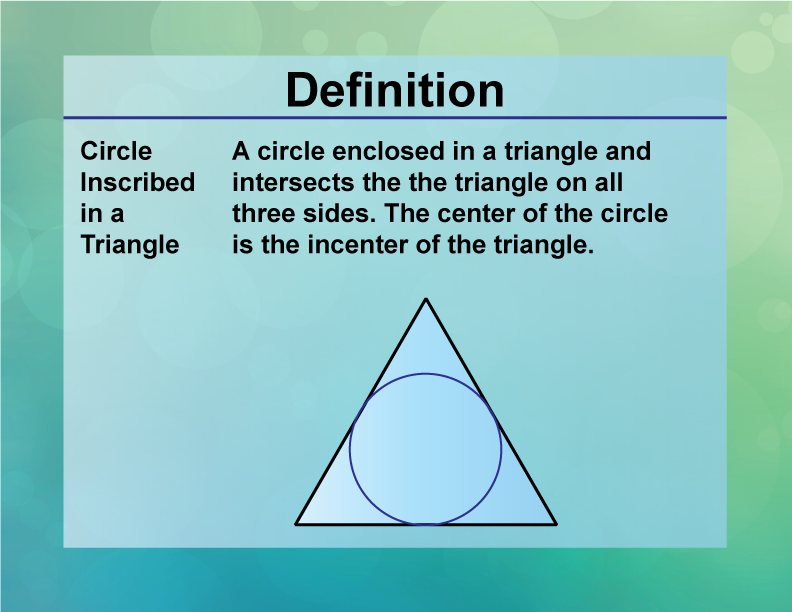
In the intricate world of brand identity, every line, shape, and color is a carefully chosen pixel in the larger picture of an organization’s narrative. Brands strive to communicate their essence, values, and vision through visual shorthand, often leveraging universal symbols that resonate deeply within the human psyche. Among the myriad geometric forms, the combination of a triangle within a circle stands out as a particularly potent and intriguing motif. Far from being a mere aesthetic choice, this configuration carries layers of meaning, tapping into archetypal concepts that can powerfully shape a brand’s perception, strategy, and market positioning. Understanding what this unique symbol signifies is crucial for designers, marketers, and brand strategists seeking to craft identities that are not only memorable but also deeply meaningful and strategically effective.
The Universal Language of Geometric Shapes in Branding
Long before written language, humanity communicated through symbols. Geometric shapes, in particular, possess an inherent power to convey complex ideas and evoke specific emotions across cultures and generations. This primal connection makes them invaluable tools in the branding arsenal, allowing companies to build an immediate, often subconscious, rapport with their audience.
Beyond Aesthetics: Why Shapes Matter in Brand Identity
A logo is more than just a pretty picture; it is the most concentrated visual expression of a brand. The shapes chosen for a logo communicate fundamental aspects of a brand’s character and offerings. A square might suggest stability and order, while a spiral could imply creativity and evolution. These associations are not arbitrary; they are rooted in our shared psychological and cultural experiences. When consumers encounter a brand, their brains rapidly process these visual cues, forming initial impressions that influence perception, trust, and even purchasing decisions. Therefore, understanding the semiotics of shapes is not just about good design; it’s about strategic communication.
The Psychology of Form: Archetypes and Brand Identity
The effectiveness of geometric shapes in branding often stems from their connection to archetypes – universal, primordial patterns and images that are part of the collective unconscious, as theorized by Carl Jung. A circle, for instance, universally evokes notions of wholeness and eternity. A triangle, conversely, can signify direction, strength, or spiritual ascent. By tapping into these archetypal meanings, brands can imbue their identity with profound depth and resonance, creating logos that feel inherently significant and familiar, even if they are entirely new. The judicious use of geometric forms allows brands to build an identity that transcends superficial trends, speaking to deeper human desires and aspirations.
Deconstructing the Triangle: A Symbol of Direction, Stability, and Dynamism
The triangle is one of the most fundamental and versatile geometric shapes, loaded with diverse interpretations depending on its orientation and context. In branding, it is a dynamic element capable of conveying a broad spectrum of messages, from steadfast reliability to cutting-edge innovation.
Upward Trajectories: Growth, Innovation, and Aspiration
When pointing upwards, the triangle inherently suggests movement, aspiration, and progress. This orientation is frequently employed by brands that wish to convey a sense of leadership, advancement, and forward-thinking vision. Technology companies, ambitious startups, and growth-oriented financial services often leverage the upward-pointing triangle to symbolize innovation, peak performance, and a continuous push towards the future. It communicates dynamism, a drive to overcome challenges, and an unyielding ascent towards success, making it a powerful visual metaphor for progress and ambition.
Foundation and Balance: Strength, Reliability, and Structure
An equilateral triangle, or one with a broad base, communicates stability, strength, and an unshakeable foundation. This configuration is often chosen by brands that prioritize trustworthiness, durability, and a solid organizational structure. Financial institutions, construction companies, and established corporations might use the triangle to assure customers of their reliability, permanence, and robust support systems. It embodies a sense of security and equilibrium, suggesting a brand that is well-grounded, dependable, and built to last. It can also imply a structured approach, logical processes, and a methodical way of doing business.
The Dynamic Edge: Agility, Precision, and Sharp Focus
Beyond stability and ascent, the sharp angles of a triangle can also represent precision, focus, and an assertive, decisive nature. Brands that operate in fast-paced environments, require acute attention to detail, or offer specialized solutions might use the triangle to convey their agility and pointed expertise. It can also subtly hint at a brand’s cutting-edge approach, its ability to navigate complex challenges with clarity, and a commitment to delivering sharp, impactful results. This aspect adds a layer of sophistication and effectiveness to a brand’s visual identity, implying a proactive and solution-oriented mindset.
Embracing the Circle: Wholeness, Unity, and Infinite Connection
In stark contrast to the triangle’s pointed dynamism, the circle offers a sense of completeness, harmony, and endless continuity. Its soft, flowing form evokes different emotional and conceptual associations, making it an indispensable element in crafting a holistic brand identity.

The Eternal Loop: Continuity, Timelessness, and Perfection
Without beginning or end, the circle is the ultimate symbol of eternity, timelessness, and perfection. Brands that emphasize heritage, enduring quality, or a perpetual cycle of service often integrate the circle into their logos. It communicates a sense of classicism, reliability that transcends fleeting trends, and a commitment to longevity. From luxury brands to traditional service providers, the circle assures customers of consistent excellence and a promise that endures through time, evoking feelings of safety, comfort, and unwavering presence. It suggests a complete and self-contained entity, a testament to thoroughness and ultimate satisfaction.
Inclusion and Community: Building Brand Belonging
The encompassing nature of the circle naturally lends itself to themes of unity, community, and inclusion. Brands that aim to foster a sense of belonging, create networks, or emphasize collaborative efforts frequently use circular motifs. It draws people in, symbolizing a collective space where everyone is welcome and connected. Social platforms, community organizations, and customer-centric businesses often leverage the circle to signify togetherness, shared values, and a supportive environment. It promotes the idea of a cohesive group, a unified front, and a shared experience that strengthens brand loyalty and engagement.
Protection and Security: A Haven of Trust
The circle’s unbroken line also suggests enclosure, safety, and protection. It creates a visual boundary that can symbolize a secure environment or a trusted sanctuary. Brands that deal with security, data protection, or offer a sense of physical or emotional safety often find the circle to be an apt representation. It communicates reliability, safeguarding, and a haven where clients can feel confident and secure. This aspect is particularly powerful for financial institutions, healthcare providers, and any brand whose core promise is to protect and care for its customers, building a strong foundation of trust and peace of mind.
The Synergistic Power: Combining Triangle and Circle in Brand Identity
When the inherent qualities of the triangle and the circle are combined, they create a symbol that is greater than the sum of its parts. The interplay between these two fundamental shapes unlocks a potent synergistic meaning, allowing brands to convey complex narratives with a single, elegant emblem.
Harmonizing Contrasts: Balancing Attributes
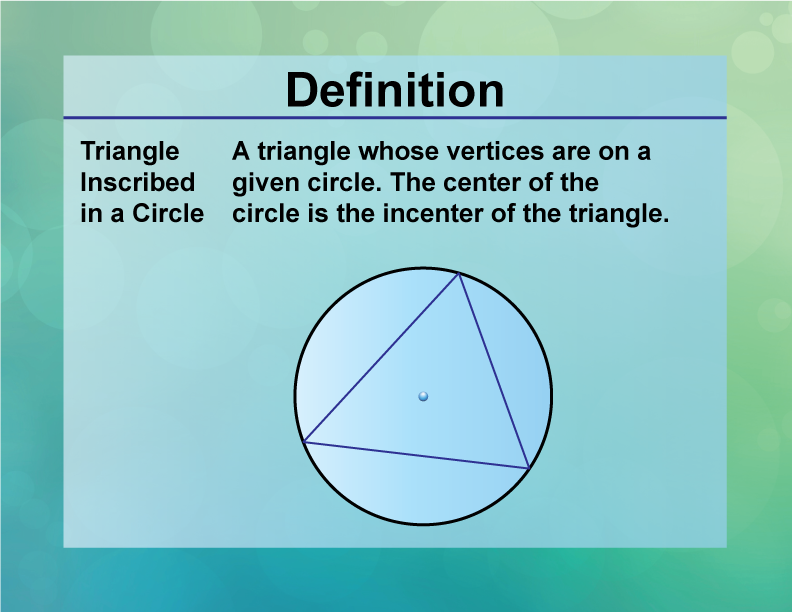
The combination of a triangle within a circle often represents the harmonization of contrasting attributes. The dynamic, directional force of the triangle is contained and balanced by the encompassing, unifying nature of the circle. This can symbolize controlled growth, innovative stability, or spiritual integration. For a brand, this might translate to a commitment to innovation (triangle) within a framework of ethical responsibility or community values (circle). It speaks to a brand’s ability to be forward-thinking while remaining grounded, or to foster progress without losing sight of its core principles. This balance can appeal to a broad audience, signaling a brand that is both progressive and trustworthy.
Reinforcing Core Brand Messages: Clarity Through Fusion
By placing a triangle inside a circle, a brand can reinforce and amplify its core messages, lending them greater clarity and impact. If a brand wants to convey structured progress within a secure framework, the symbol perfectly illustrates this. The triangle’s movement is contained and made safe by the circle, suggesting directed evolution rather than chaotic change. This fusion allows brands to articulate sophisticated ideas—like controlled expansion, sustainable development, or focused excellence within a supportive ecosystem—in a visually concise manner. The two shapes complement each other, ensuring that the brand’s multi-faceted identity is communicated effectively and without ambiguity.
Crafting a Unique Visual Narrative: Differentiation in Design
In a crowded marketplace, visual differentiation is paramount. The triangle within a circle offers a distinct and memorable visual narrative that can help a brand stand out. While both shapes individually are common, their precise combination, orientation, and styling offer endless possibilities for unique interpretation. Designers can play with line weight, negative space, and color to further customize the symbol, ensuring it reflects the brand’s specific personality and market position. This combination allows for a highly recognizable mark that carries profound symbolic weight, creating an identity that is both aesthetically pleasing and strategically resonant, ultimately fostering stronger brand recognition and recall.
Iconic Implementations and Modern Interpretations
The triangle within a circle, or variations thereof, has permeated human culture for millennia, appearing in ancient symbols, alchemical diagrams, and spiritual motifs. Its enduring presence underscores its universal appeal and adaptability, making it a powerful choice for modern branding.
Case Studies in Branding: From Ancient Ideograms to Contemporary Logos
While specific well-known corporate logos might not always feature an explicit, perfectly equilateral triangle inside a perfect circle, the concept of containing a dynamic form within a unifying one is widespread. Many tech companies, for instance, utilize a triangular ‘play’ button motif (indicating action, forward movement) often subtly integrated into a more rounded, user-friendly interface or container (representing ease of use, accessibility, and completeness). Sustainability brands might use a green triangle (growth, nature) within a circular framework (global responsibility, cyclical processes, interconnectedness). Wellness and spiritual brands often adopt this symbol to represent balance between mind, body, and spirit within the totality of existence. Each application demonstrates how the foundational meanings of direction and wholeness are tailored to fit specific brand narratives, transforming an ancient symbol into a contemporary statement of purpose and value.
The Evolving Semiotics of Geometric Logos: Adaptability and Resonance
The strength of geometric symbols like the triangle within a circle lies in their timelessness and adaptability. While core archetypal meanings persist, their interpretation can evolve with cultural contexts and technological advancements. A brand using this symbol today can imbue it with contemporary meanings related to digital security (triangle of protection within a secure digital sphere), data flow (directional data within a network), or even ethical AI (focused intelligence within a human-centric framework). The symbol’s inherent flexibility allows brands to maintain a classic, powerful visual identity while remaining relevant and forward-looking. Its consistent ability to resonate across diverse sectors and over time attests to its profound and enduring communicative power.
In conclusion, the question “what does a triangle with a circle mean?” delves far beyond simple graphic design. It unlocks a rich tapestry of archetypal meanings, representing a sophisticated balance between dynamism and stability, progress and unity, aspiration and inclusion. For brands, this potent symbol offers an unparalleled opportunity to craft an identity that is not only visually striking but also deeply resonant and strategically impactful. By understanding and thoughtfully leveraging the synergistic power of the triangle within the circle, brands can forge connections that transcend the superficial, building identities that communicate their essence with clarity, depth, and enduring appeal.
aViewFromTheCave is a participant in the Amazon Services LLC Associates Program, an affiliate advertising program designed to provide a means for sites to earn advertising fees by advertising and linking to Amazon.com. Amazon, the Amazon logo, AmazonSupply, and the AmazonSupply logo are trademarks of Amazon.com, Inc. or its affiliates. As an Amazon Associate we earn affiliate commissions from qualifying purchases.