
The role of a triage nurse has always been pivotal in healthcare, acting as the first point of contact for patients seeking urgent care. They are the initial gatekeepers, tasked with rapidly assessing patient conditions, determining the severity of their needs, and guiding them to the appropriate level of care. However, in an era increasingly defined by digital transformation, artificial intelligence, and interconnected systems, the modern triage nurse’s responsibilities have evolved significantly. Their core functions remain rooted in critical assessment and decision-making, but these are now profoundly augmented and influenced by a sophisticated array of technological tools and digital platforms. Understanding “what a triage nurse does” today necessitates exploring their functions through the lens of technology—from AI-powered diagnostic aids to telehealth platforms and advanced electronic health records.

The Foundational Role of Triage Nursing: More Than Just a Gatekeeper
At its heart, triage nursing is about bringing order to chaos, ensuring that limited medical resources are allocated efficiently and effectively, and that the most critical patients receive immediate attention. This foundational responsibility has been consistent for decades. What has changed, however, is the sophistication and speed with which these critical decisions can be made, largely thanks to advancements in digital healthcare. The triage nurse’s primary goal is to prevent adverse outcomes by quickly identifying life-threatening conditions and prioritizing care based on clinical urgency, not simply on a first-come, first-served basis. In the digital age, this process is no longer solely reliant on a nurse’s bedside manner and experience, but also on their adeptness with modern healthcare technologies.
Initial Assessment and Digital Intake
The very first interaction between a patient and a triage nurse often begins with a digital component. Gone are the days of purely paper-based forms and manual data entry. Patients might now encounter digital kiosks in emergency departments, fill out pre-screening questionnaires online before arrival, or engage with chatbot-driven symptom checkers. The triage nurse then synthesizes this initial digital input with their direct patient interview and observation.
Digital intake systems streamline the collection of demographic information, medical history, current symptoms, and relevant social determinants of health. These systems often employ structured forms and guided questions that ensure comprehensive data capture, reducing the risk of overlooked details. For the triage nurse, this means having a preliminary, organized dataset even before the patient speaks a word, allowing them to focus on nuanced clinical cues during the physical assessment. Wearable technology, too, is beginning to play a role, with some patients arriving with data from smartwatches or continuous glucose monitors, providing a real-time snapshot of their physiological state that informs the initial assessment.
Prioritization Protocols and Algorithmic Support
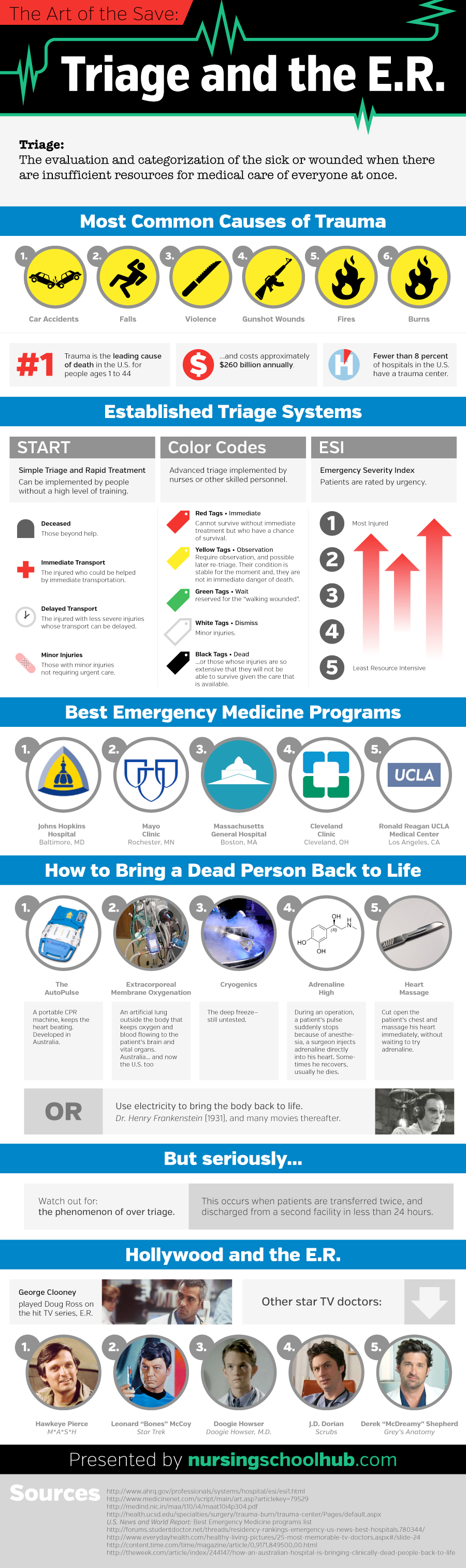
Once initial data is gathered, the triage nurse employs standardized protocols—like the Emergency Severity Index (ESI) or the Manchester Triage System (MTS)—to assign an acuity level. These protocols are now frequently integrated into digital platforms, guiding the nurse step-by-step through decision trees. For instance, an electronic health record (EHR) system might prompt the nurse with specific questions based on reported symptoms, automatically calculating a preliminary score or suggesting a triage level.
Beyond static protocols, rudimentary forms of algorithmic support are emerging. While not replacing human judgment, these systems can analyze aggregated patient data, identify common symptom clusters associated with particular conditions, and highlight potential red flags. For example, if a patient reports chest pain, shortness of breath, and radiating arm pain, the system might immediately flag these symptoms as indicative of a high-risk cardiac event, prompting the nurse to initiate specific urgent protocols. This digital scaffolding ensures consistency across different nurses, reduces variability in care, and acts as a safety net, especially during peak times or for less experienced staff.
Leveraging Technology for Enhanced Assessment and Decision-Making
The modern triage nurse is inherently a tech-savvy professional. Their ability to effectively perform their duties is increasingly tied to their proficiency in utilizing a wide array of digital tools that enhance assessment accuracy, expedite decision-making, and improve patient outcomes.
Electronic Health Records (EHRs) and Data Synthesis
The Electronic Health Record (EHR) is perhaps the most indispensable technological tool for a triage nurse. It serves as a centralized, dynamic repository of a patient’s medical history, allowing the nurse to quickly access past diagnoses, medications, allergies, immunization records, previous visits, and even social histories. This immediate access to comprehensive data is crucial in triage. A patient presenting with abdominal pain, for instance, might have a history of Crohn’s disease documented in their EHR, immediately narrowing down potential causes and informing the nurse’s assessment.
EHRs also facilitate rapid data synthesis. Instead of sifting through paper charts, nurses can view trends over time, compare current vital signs to previous baselines, and quickly identify patterns or anomalies that might indicate a worsening condition. Interoperable EHR systems even allow access to records from other healthcare providers, painting a more complete picture of a patient’s health journey and preventing medical errors or redundant tests. The ability to pull up laboratory results, imaging reports, and specialist consultations with a few clicks profoundly impacts the speed and accuracy of triage decisions.
AI and Clinical Decision Support Systems (CDSS)
While still evolving, Artificial Intelligence (AI) and Clinical Decision Support Systems (CDSS) are becoming increasingly sophisticated aids for triage nurses. CDSS platforms integrate medical knowledge with patient-specific data to provide evidence-based recommendations at the point of care. For a triage nurse, this might involve an AI system analyzing reported symptoms, vital signs, and EHR data to suggest a differential diagnosis list, highlight potential drug interactions, or recommend a specific triage pathway based on statistical probabilities.
For example, an AI-powered CDSS could analyze a patient’s chief complaint, age, co-morbidities, and vital signs, then compare this data against millions of similar cases to predict the likelihood of a severe outcome. This doesn’t replace the nurse’s clinical judgment but provides an additional layer of insight and validation, especially in complex or ambiguous cases. It helps nurses stay updated with the latest guidelines and research, acting as an intelligent assistant that processes vast amounts of information far more quickly than a human mind could.
Remote Monitoring and Telehealth Tools
The advent of telehealth has profoundly expanded the reach and capabilities of triage nursing, particularly in non-emergency settings or for patients in remote locations. Triage nurses frequently conduct virtual assessments using video conferencing platforms, allowing them to visually assess patients, hear their concerns, and guide them through self-assessment techniques (e.g., checking for swelling, assessing skin color). This is invaluable for minor ailments, follow-up care, or determining if an in-person visit is truly necessary.
Remote patient monitoring (RPM) technologies further enhance triage capabilities. Patients with chronic conditions, or those discharged from the hospital, might use wearable devices or home monitoring kits (e.g., blood pressure cuffs, pulse oximeters, glucometers) that transmit data directly to healthcare providers. Triage nurses monitor these dashboards, identifying deviations from baseline measurements that could indicate a worsening condition. This proactive monitoring allows for early intervention, preventing potential crises and reducing emergency department visits, thereby optimizing resources. The triage nurse uses these digital streams of data to make informed decisions about whether a patient needs to be called in for an immediate visit, scheduled for a routine check-up, or simply advised over the phone.
Communication and Coordination in a Connected Healthcare Ecosystem
Effective communication and seamless coordination are hallmarks of quality healthcare, and the triage nurse is often at the nexus of these activities. In the digital age, technology has revolutionized how triage nurses communicate with patients, physicians, and other healthcare departments, ensuring timely information exchange and coordinated care.
Telemedicine Platforms for Virtual Triage
Beyond remote monitoring, dedicated telemedicine platforms are now central to virtual triage. These platforms are designed not just for video calls but often include secure chat functions, file sharing capabilities (for photos of rashes, wounds, etc.), and integration with EHRs. A triage nurse using a telemedicine platform can perform an initial assessment from a remote location, advise patients on self-care, prescribe over-the-counter medications, or schedule an urgent in-person visit if necessary. This capability is particularly vital in situations like pandemics, where minimizing physical contact is crucial, or for extending healthcare access to underserved populations. The nurse acts as a digital navigator, guiding patients through their initial health concerns without them ever having to step foot in a physical facility.
Secure Messaging and Inter-Departmental Collaboration
Within a hospital or clinic system, triage nurses rely heavily on secure messaging platforms and inter-departmental communication tools. These systems replace antiquated pager systems and allow for instant, secure communication with emergency physicians, specialists, lab technicians, and imaging departments. For example, a triage nurse identifying a potential stroke patient can immediately alert the stroke team, provide initial assessment findings, and ensure that a CT scan is prepped and ready, significantly reducing “door-to-needle” time.
These digital collaboration tools facilitate seamless patient handovers, clarify orders, and ensure that all members of the care team are operating from the same, up-to-date information. They reduce communication errors, improve efficiency, and ultimately contribute to safer and more coordinated patient care.
Patient Education Through Digital Resources
Part of a triage nurse’s role involves educating patients about their condition, next steps, and self-care instructions. In the digital age, this extends beyond verbal instructions. Triage nurses frequently leverage digital patient education platforms, providing patients with access to verified online resources, instructional videos, and personalized care plans. These resources can be sent directly to a patient’s smartphone or email, ensuring they have accurate, comprehensive information to refer to at home. This not only empowers patients but also reinforces compliance with treatment plans and reduces readmissions, demonstrating how technology extends the triage nurse’s impact beyond the immediate assessment.
Navigating Challenges and Embracing Innovation in Triage
While technology undeniably enhances the triage nurse’s capabilities, its integration is not without challenges. The rapid pace of innovation demands continuous adaptation, and nurses must remain vigilant about the ethical implications and practical hurdles that accompany digital healthcare tools.
Data Security and Patient Privacy Concerns
With the vast amount of patient data being collected, processed, and shared digitally, ensuring robust data security and maintaining patient privacy are paramount. Triage nurses are on the front lines of this responsibility, working with sensitive health information daily. They must be meticulously trained in HIPAA compliance, secure data handling protocols, and the use of encrypted communication channels. Any breach of patient data can have severe consequences, undermining trust and potentially leading to legal repercussions. Therefore, a significant part of a triage nurse’s role in the digital age involves being a guardian of digital health data, understanding the vulnerabilities, and adhering strictly to protective measures.
The Human Element vs. Automation
One of the ongoing debates in healthcare technology is the balance between automation and the irreplaceable human element. While AI and CDSS can offer powerful support, they cannot fully replicate the nuanced judgment, empathy, and intuitive critical thinking of an experienced triage nurse. A machine can analyze symptoms, but it cannot always pick up on subtle non-verbal cues, understand complex psychosocial factors influencing a patient’s presentation, or offer comforting human presence. The triage nurse’s role is to judiciously integrate technological insights without allowing them to overshadow the holistic assessment of a patient. They must be adept at interpreting technological outputs, recognizing their limitations, and knowing when to override an automated suggestion based on their clinical experience and human intuition. The future of triage is not full automation, but rather a synergistic partnership between human expertise and technological amplification.

Continuous Learning and Adapting to New Tech
The landscape of healthcare technology is constantly evolving. What is cutting-edge today might be obsolete tomorrow. Therefore, a crucial aspect of what a triage nurse does in the digital age is to commit to continuous learning and professional development. They must stay abreast of new software updates, emerging AI tools, evolving telehealth regulations, and best practices in digital patient management. This might involve participating in regular training sessions, attending webinars, or engaging with professional communities focused on health informatics. The ability to adapt quickly to new technologies and integrate them effectively into their workflow is no longer an advantage but a necessity for the modern triage nurse, ensuring they remain at the forefront of providing efficient, safe, and technologically informed patient care.
In conclusion, the triage nurse remains an indispensable figure in healthcare, but their daily duties have been irrevocably shaped by the digital revolution. Far from being replaced by technology, their role has been enhanced, enabling faster, more accurate assessments, more efficient resource allocation, and better patient outcomes. The question “what does a triage nurse do” now evokes an image of a highly skilled professional, not only adept at clinical judgment and empathetic communication but also profoundly fluent in the language and tools of digital healthcare.
aViewFromTheCave is a participant in the Amazon Services LLC Associates Program, an affiliate advertising program designed to provide a means for sites to earn advertising fees by advertising and linking to Amazon.com. Amazon, the Amazon logo, AmazonSupply, and the AmazonSupply logo are trademarks of Amazon.com, Inc. or its affiliates. As an Amazon Associate we earn affiliate commissions from qualifying purchases.