
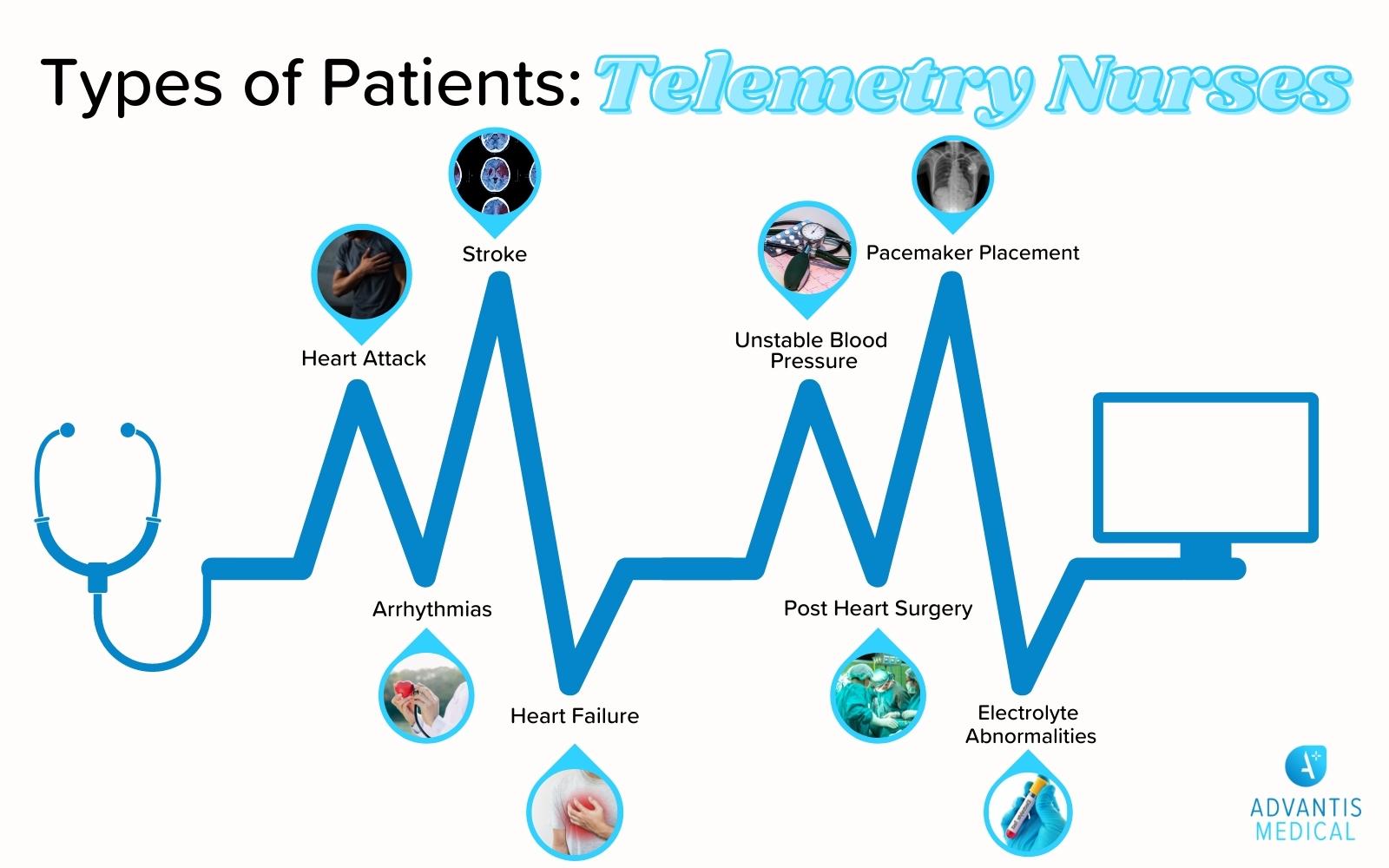
Telemetry nursing stands at the sophisticated intersection of advanced medical technology and critical patient care. Far from being merely a bedside caregiver, a telemetry nurse is a highly specialized professional whose core responsibilities revolve around the continuous, real-time monitoring of patients’ physiological data using state-of-the-art electronic equipment. Their expertise isn’t just in direct patient interaction, but critically, in the interpretation of complex technological outputs and the swift, informed decision-making these data streams demand. In an era where digital health and remote monitoring are becoming increasingly prevalent, understanding the role of a telemetry nurse is to grasp a vital component of modern, tech-driven healthcare. This article delves into the technological underpinnings of telemetry nursing, exploring the tools, systems, and data-centric skills that define this essential medical discipline.
The Technological Core of Telemetry Nursing
At the heart of telemetry nursing is an intricate web of electronic devices and digital systems designed to provide an uninterrupted stream of patient health data. This constant vigilance is crucial for identifying subtle changes in a patient’s condition that might otherwise go unnoticed, enabling proactive intervention and improving patient outcomes.
Sophisticated Monitoring Devices and Centralized Systems
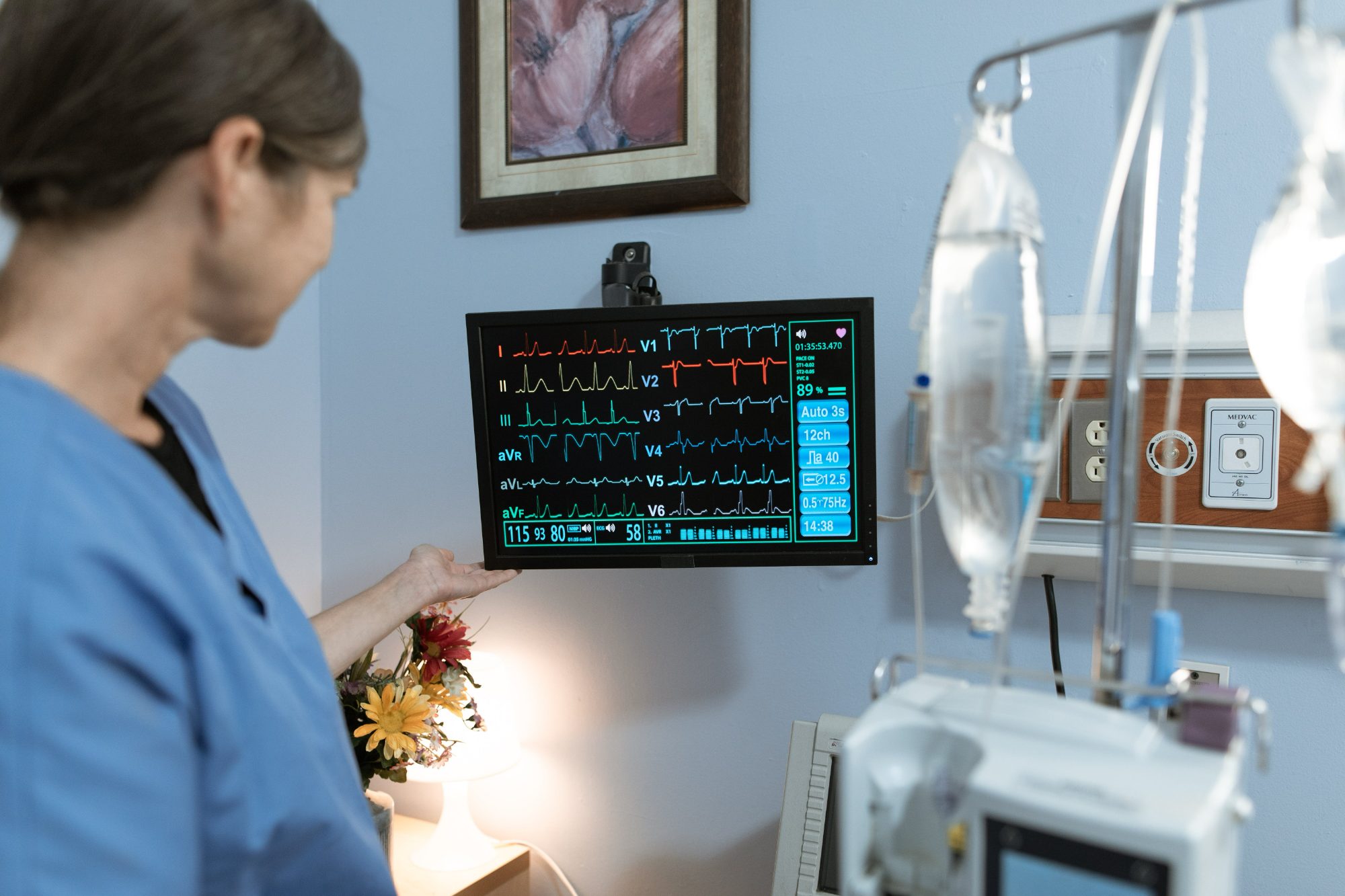
The primary tools of a telemetry nurse are the various monitoring devices connected to patients. The most prominent of these is the electrocardiogram (ECG) monitor, which continuously tracks the electrical activity of the heart. Patients in telemetry units are typically equipped with small, portable transmitters that wirelessly send their heart rhythm data to a central monitoring station, often located at the nurses’ station or even accessible remotely via secure networks. Beyond cardiac rhythms, these systems frequently integrate other vital parameters such as pulse oximetry (measuring blood oxygen saturation), non-invasive blood pressure (NIBP), and sometimes respiratory rate.
These individual patient monitors feed into a central monitoring system, a sophisticated software platform that displays real-time data from multiple patients simultaneously on large screens. This centralized view allows nurses to observe trends across an entire unit, identify patients who require immediate attention, and review historical data logs. The precision and reliability of these devices are paramount, requiring nurses to understand their calibration, limitations, and troubleshooting procedures.
Data Acquisition, Interpretation, and Real-Time Analysis
The sheer volume of data generated by continuous monitoring is immense. A critical aspect of a telemetry nurse’s role is not just to acquire this data, but to accurately interpret it. This involves a deep understanding of cardiac arrhythmias, ST-segment changes, and other ECG abnormalities that can signify life-threatening conditions. They must discern noise and artifact from genuine physiological changes, a skill honed through extensive training and experience with the technology.
Real-time analysis is fundamental. Telemetry nurses are trained to immediately recognize critical deviations from baseline, such as sustained ventricular tachycardia, asystole, or significant bradycardia. Their ability to quickly identify these patterns directly impacts the speed of intervention, often making the difference between life and death. This analytical process is largely supported by the monitoring technology itself, which often provides visual cues, audio alarms, and trend graphs that highlight changes.
Software and Electronic Health Records (EHRs) Integration
Modern telemetry units are inextricably linked with Electronic Health Records (EHRs). All the data captured by monitoring devices – ECG strips, vital signs trends, alarm events – must be meticulously documented within the patient’s EHR. This integration is crucial for maintaining a comprehensive medical record, facilitating communication among the healthcare team, and supporting evidence-based practice.
Telemetry nurses frequently interact with specialized EHR modules designed for cardiac monitoring, which allow them to:
- Document and annotate specific rhythm strips.
- Set personalized alarm parameters for individual patients.
- Review historical rhythm trends and vital sign logs over hours, days, or even weeks.
- Generate reports for physicians and other specialists.
- Input interventions and medications, noting their impact on cardiac rhythms.
The proficiency in navigating these complex software interfaces, understanding data flow, and ensuring data integrity is a non-negotiable skill for every telemetry nurse.
Mastering the Art of Real-Time Data Management
The constant stream of data from telemetry monitors is both a blessing and a challenge. Telemetry nurses are expert data managers, adept at filtering out noise, prioritizing critical information, and leveraging technological features to enhance patient safety.
Alert Systems and Alarm Management Strategies
Modern monitoring systems are equipped with sophisticated alert systems that notify nurses of critical changes in a patient’s condition. While invaluable, these alarms can also lead to “alarm fatigue” if not managed properly. Telemetry nurses are trained in effective alarm management strategies, which include:
- Customizing alarm parameters: Adjusting thresholds based on individual patient needs and physician orders to reduce non-actionable alarms.
- Troubleshooting technical issues: Identifying and resolving sensor disconnections, lead failures, or other technical glitches that trigger false alarms.
- Prioritizing responses: Differentiating between alarms that require immediate bedside intervention versus those that indicate a less urgent but still important change.
This nuanced interaction with alarm technology ensures that nurses respond effectively to genuine threats without being overwhelmed by unnecessary notifications, maintaining a state of readiness for actual emergencies.
Trend Analysis and Predictive Insights
One of the most powerful features of continuous monitoring technology is its ability to track patient data over time, enabling trend analysis. Telemetry nurses don’t just react to instantaneous readings; they analyze patterns and trajectories. For example, a gradual increase in heart rate combined with a subtle decrease in oxygen saturation over several hours might indicate early signs of sepsis or respiratory distress, even if current values are within “normal” limits.
By examining these trends, nurses can develop predictive insights, anticipating potential patient deterioration before it becomes critical. This proactive approach is a cornerstone of telemetry care and is entirely dependent on the digital record-keeping and graphical display capabilities of modern monitoring systems. They use these insights to escalate concerns to physicians, recommend interventions, or prepare for potential emergencies.
Interoperability and Communication Tools
In a multi-disciplinary healthcare environment, the seamless sharing of patient data is vital. Telemetry systems are often integrated with other hospital IT systems, facilitating interoperability. This means that rhythm strips, vital signs, and alarm histories can be accessed by physicians on their mobile devices, by intensivists in other units, or by pharmacists reviewing medication effects.
Telemetry nurses also utilize a range of communication technologies, from secure messaging platforms within the EHR to specialized pagers and mobile apps that deliver critical alerts directly to their devices. These tools ensure that crucial information is disseminated quickly and accurately to the entire care team, fostering a collaborative approach to patient management that is heavily reliant on digital connectivity.
Evolving Tech in Telemetry: The Future of Remote Care
The field of telemetry is constantly evolving, driven by advancements in sensor technology, artificial intelligence, and digital communication. Telemetry nurses are at the forefront of adopting these innovations, adapting their practice to leverage new tools for enhanced patient care.
Wearable Technology and Remote Patient Monitoring (RPM)
Beyond the traditional hospital setting, wearable technology is revolutionizing how patients are monitored, particularly for cardiac conditions. Devices like smartwatches with ECG capabilities, adhesive patches that monitor vital signs, and implantable loop recorders are expanding the scope of telemetry far beyond the acute care unit.
Remote Patient Monitoring (RPM) programs utilize these wearables to collect continuous data from patients at home, transmitting it securely to healthcare providers. Telemetry nurses play an increasingly vital role in these programs, reviewing data from home-based patients, identifying concerning trends, and coordinating interventions. This shift requires nurses to understand the nuances of various wearable devices, their data formats, and the communication protocols for remote care.
AI and Machine Learning in Cardiac Monitoring
The vast amount of data generated by continuous monitoring is a perfect training ground for Artificial Intelligence (AI) and Machine Learning (ML) algorithms. These technologies are beginning to assist telemetry nurses by:
- Automating rhythm analysis: AI can quickly identify complex arrhythmias and flag them for nurse review, potentially reducing the cognitive load and improving accuracy.
- Predicting adverse events: ML models can analyze trends across multiple physiological parameters (e.g., heart rate variability, blood pressure, oxygen saturation) to predict the likelihood of events like sepsis, cardiac arrest, or respiratory failure before they become clinically obvious.
- Reducing alarm fatigue: AI can help filter out “noise” and non-actionable alarms, presenting nurses with only the most clinically significant alerts.
While AI is not intended to replace human judgment, it serves as a powerful assistive tool, enhancing the telemetry nurse’s ability to detect subtle changes and intervene more rapidly.
Cybersecurity in Patient Data Management
As telemetry systems become more interconnected and data is shared across various platforms, cybersecurity becomes an increasingly critical concern. Telemetry nurses are responsible for adhering to strict protocols to protect sensitive patient information. This includes:
- Secure login procedures: Using strong passwords and multi-factor authentication.
- Awareness of phishing and malware: Recognizing and avoiding digital threats that could compromise patient data.
- Proper handling of portable devices: Ensuring that tablets, smartphones, and other devices used for monitoring or accessing EHRs are secured and wiped if lost.
- Compliance with HIPAA and other data privacy regulations: Understanding the legal and ethical obligations concerning patient data.
The integrity and confidentiality of the technological infrastructure are paramount, and telemetry nurses play an active role in maintaining this security posture.
Essential Skills in a High-Tech Environment
While technology forms the backbone of telemetry nursing, human expertise remains indispensable. The telemetry nurse must seamlessly integrate technical proficiency with astute clinical judgment.
Tech Proficiency and Continuous Learning
Given the rapid evolution of medical technology, tech proficiency is a fundamental skill for telemetry nurses. This goes beyond simply operating devices; it involves understanding the underlying principles, troubleshooting common issues, and adapting to new hardware and software updates. Continuous learning is not just recommended but essential. Telemetry nurses routinely participate in training sessions for new equipment, attend conferences on cardiac monitoring advancements, and stay updated on software upgrades. Their commitment to lifelong learning ensures they can effectively leverage the latest tools to provide optimal care.
Critical Thinking and Clinical Judgment
Despite the sophistication of monitoring systems, technology is a tool, not a substitute for human intelligence. Critical thinking and clinical judgment are the ultimate skills of a telemetry nurse. They must synthesize the data presented by the technology with their direct patient assessment, understanding of the patient’s medical history, and knowledge of pharmacology. For instance, a monitor might show a specific arrhythmia, but the nurse’s clinical judgment determines whether that arrhythmia is benign for that particular patient or requires immediate intervention based on the patient’s symptoms and overall condition. They interpret the “why” behind the “what” the machine displays, making complex decisions that prioritize patient safety and well-being.
Conclusion
The role of a telemetry nurse is a dynamic and intellectually demanding one, positioned firmly at the vanguard of tech-driven healthcare. Their daily practice is a masterclass in leveraging advanced monitoring systems, interpreting complex digital data streams, and making swift, life-saving decisions based on technological insights. From managing intricate alarm systems and performing trend analysis to integrating with electronic health records and embracing emerging technologies like AI and wearables, telemetry nurses embody the crucial synergy between compassionate nursing care and cutting-edge medical technology. As healthcare continues its inexorable march towards greater digitalization and remote monitoring, the importance of the telemetry nurse, with their unique blend of technical acumen and clinical wisdom, will only continue to grow.
aViewFromTheCave is a participant in the Amazon Services LLC Associates Program, an affiliate advertising program designed to provide a means for sites to earn advertising fees by advertising and linking to Amazon.com. Amazon, the Amazon logo, AmazonSupply, and the AmazonSupply logo are trademarks of Amazon.com, Inc. or its affiliates. As an Amazon Associate we earn affiliate commissions from qualifying purchases.