
The allure of the open road, the camaraderie of shared adventures, and the freedom to explore at your own pace – these are the cornerstones of the recreational vehicle (RV) experience. For families or groups of friends seeking to embark on memorable journeys, the question of accommodating everyone comfortably and efficiently becomes paramount. This is where the six-person camper, a versatile and increasingly popular segment of the RV market, steps into the spotlight. But what exactly defines a “six-person camper,” and what can you expect in terms of design, features, and functionality? This exploration delves into the diverse world of these spacious mobile homes, uncovering the elements that make them ideal for larger groups and examining the technological advancements that enhance their utility and comfort.
Decoding the “Six-Person” Designation
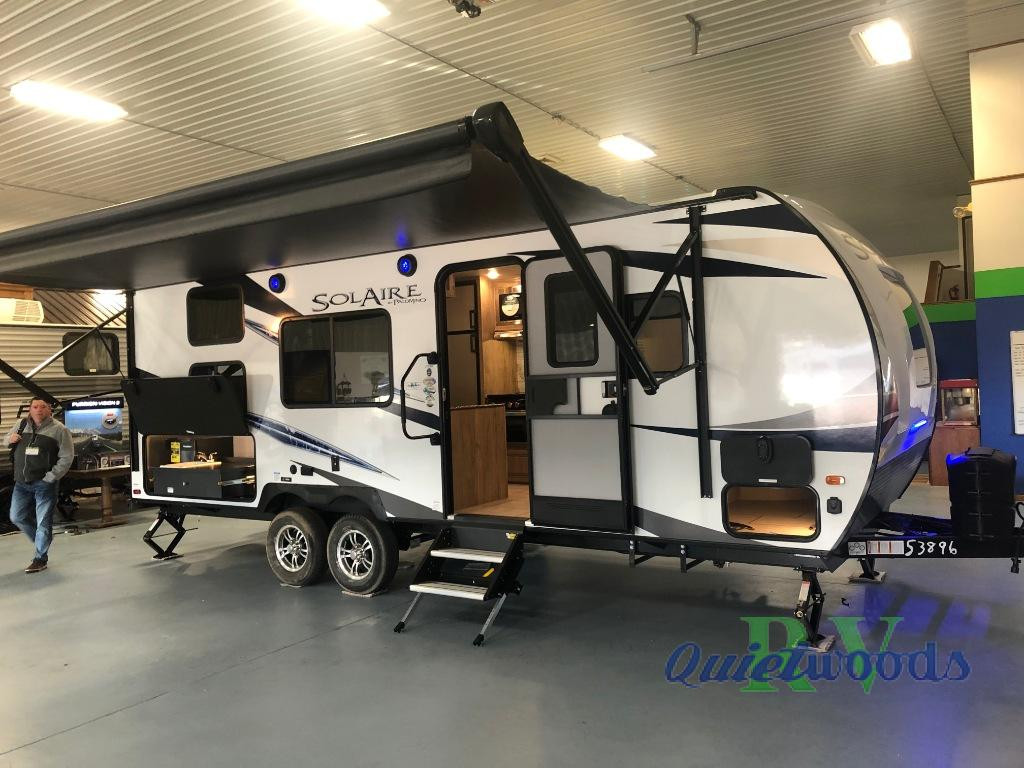
The designation of a camper as “six-person” is not a rigid, universally standardized measurement, but rather a guideline based on sleeping capacity and the general layout designed to accommodate this number. It’s a crucial starting point for understanding the potential space and amenities you can anticipate.
Sleeping Arrangements: The Foundation of Capacity
At its core, the “six-person” label typically refers to the number of dedicated sleeping berths. This can be achieved through a variety of configurations, each contributing to the overall feel and functionality of the camper.
Primary Sleeping Areas
Most six-person campers will feature at least one primary sleeping area, often a dedicated bedroom. This might be a master bedroom with a queen-size or larger bed, offering a degree of privacy for adults. The design of these rooms varies significantly, from traditional RV layouts with enclosed doors to more open-plan designs where the bed might be separated by a curtain or a partition. The aim is to provide a comfortable and restful space for at least two individuals.
Convertible Dinettes and Sofas
A significant portion of the sleeping capacity in a six-person camper is often derived from convertible furniture. Dinettes, which are dining areas with tables and bench seating, frequently transform into beds. These can be simple conversions where the table lowers and cushions fill the gaps, or more sophisticated systems that fold away to create a flat sleeping surface. Similarly, sofas, especially those designed with a pull-out mattress mechanism (often referred to as “sofa beds” or “sleeper sofas”), offer comfortable sleeping for one or two people. The ease of conversion for these pieces is a key factor in the practicality of a camper for a larger group.
Bunk Beds and Additional Sleeping Nooks
To maximize sleeping capacity without excessively expanding the camper’s footprint, many six-person models incorporate bunk beds. These are vertically stacked beds, typically found in dedicated areas, often ideal for children or as a compact sleeping solution for adults. Bunk beds can be found in separate rooms, within hallways, or even integrated into slide-outs for added space. Some campers might also feature additional sleeping nooks, such as a fold-down bed above the driver’s cabin (common in Class C motorhomes) or even a dedicated sleeping loft in larger, more specialized units. The presence and configuration of these sleeping areas dictate how efficiently and comfortably six individuals can rest.
Layout and Space Utilization: Balancing Comfort and Compactness
Beyond sleeping, the overall layout of a six-person camper is designed to balance the needs of multiple occupants with the inherent space limitations of a mobile dwelling. Clever design and efficient use of every square inch are crucial.
Open-Concept Living and Dining Areas
To foster a sense of spaciousness and facilitate social interaction, many modern six-person campers embrace open-concept designs. This means that the living, dining, and kitchen areas flow seamlessly into one another, minimizing enclosed walls and maximizing the perceived size of the interior. Large windows and strategically placed mirrors further enhance this effect, allowing natural light to flood the space and creating an airy atmosphere. The dining area often serves a dual purpose, as mentioned, transforming into a sleeping space, thus requiring a layout that allows for easy conversion and access.
Multi-Functional Furniture and Storage Solutions
The key to accommodating six people comfortably lies in furniture that serves multiple purposes and abundant storage solutions. Beyond convertible sleeping furniture, you’ll often find storage integrated into seating, under beds, and within walls. This meticulous attention to detail ensures that gear, clothing, and essentials for a larger group have a designated place, preventing clutter and maintaining a sense of order. Think of ottoman storage, under-sofa compartments, and cleverly designed overhead cabinets that maximize vertical space.
Bathroom Configurations: Efficiency and Privacy
The bathroom in a camper, especially one designed for six, is a critical consideration. While some smaller six-person campers might feature a wet bath (where the shower, toilet, and sink are all in the same compartment), larger models typically offer a more conventional setup with a separate shower stall, toilet, and sink. The design prioritizes efficiency, often with compact fixtures and smart use of space to ensure functionality without feeling cramped. Privacy is also a key element, with solid doors and sound insulation being desirable features.
Technological Innovations Enhancing the Six-Person Camper Experience
The evolution of the six-person camper has been significantly shaped by technological advancements that enhance comfort, convenience, and the overall enjoyment of the RV lifestyle. These innovations extend beyond basic amenities, impacting everything from power management to climate control and connectivity.
Smart Power Management and Energy Independence
For a larger group, consistent and reliable power is essential for charging devices, running appliances, and maintaining comfort. Modern six-person campers are increasingly equipped with sophisticated power management systems.
Solar Power Integration and Battery Technology
The integration of solar panels on the roof of campers has become increasingly common. These panels convert sunlight into electricity, which can then be used to charge the RV’s batteries. Advanced battery technologies, such as lithium-ion, offer higher energy density, longer lifespans, and faster charging times compared to traditional lead-acid batteries. This combination allows for greater energy independence, reducing reliance on hookups at campgrounds and enabling longer stays in more remote locations. Many systems are now equipped with intuitive monitoring displays that allow users to track power generation and consumption in real-time.
Inverter and Generator Capabilities
To run AC-powered appliances, an inverter is a crucial component, converting DC power from the batteries into AC power. Many six-person campers come with powerful inverters as standard, or offer them as an upgrade. For situations where solar and battery power are insufficient, or for running high-demand appliances, generators remain a viable option. Modern generators are often quieter, more fuel-efficient, and come with remote start capabilities, offering a convenient backup power source for extended trips with a larger group.
Advanced Climate Control and Air Quality
Maintaining a comfortable internal temperature and ensuring good air quality are vital for the well-being of all occupants, especially in varying climates. Technological advancements have made these aspects more efficient and effective.
High-Efficiency HVAC Systems
Six-person campers are typically equipped with robust heating, ventilation, and air conditioning (HVAC) systems designed to handle larger interior volumes. Look for models with ducted air conditioning and heating systems that distribute air evenly throughout the living space. Energy-efficient designs, such as those utilizing propane furnaces or electric heat pumps, help to minimize energy consumption while providing consistent comfort. Programmable thermostats allow for automated temperature control, enhancing convenience and optimizing energy use.
Air Filtration and Ventilation Technologies
Beyond temperature control, indoor air quality is increasingly important. Many modern campers incorporate advanced air filtration systems, often integrated into the HVAC. These filters can trap dust, pollen, and other allergens, creating a healthier environment. Effective ventilation is also crucial, with ceiling vents and exhaust fans helping to remove moisture and stale air, preventing issues like mold growth and condensation. Some models even feature whole-house ventilation systems for continuous fresh air circulation.
Connectivity and Entertainment Solutions
In today’s connected world, maintaining communication and having access to entertainment is often a priority, even when venturing off the beaten path. Technology in six-person campers addresses these needs.
Integrated Wi-Fi and Cellular Boosters
Many new RVs come equipped with pre-installed Wi-Fi hotspots or are pre-wired for them. This allows occupants to connect their devices to a central internet source, often drawing from a cellular signal. For areas with weak cellular reception, cellular booster systems can significantly improve signal strength, ensuring reliable internet access for work, communication, or entertainment. This is particularly beneficial for larger groups where multiple devices might be in use simultaneously.
Entertainment Systems and Smart Device Integration
Modern campers often feature integrated entertainment systems, including flat-screen TVs, soundbars, and DVD players. These are frequently connected to an antenna for over-the-air broadcast channels or can be used with satellite TV services. The ability to connect smartphones and tablets via Bluetooth or HDMI allows for streaming music and movies. Some RVs even offer smart home-like features, allowing control of lighting, awnings, and other functions through a central touchscreen or a mobile app, adding a layer of modern convenience to the camping experience.
Factors to Consider When Choosing a Six-Person Camper
Selecting the right six-person camper involves a thoughtful consideration of your specific needs, travel style, and budget. Understanding the different types of campers and their inherent advantages will guide you towards the most suitable option.
Types of Campers Suitable for Six People
The term “camper” is broad and encompasses a range of recreational vehicles. For a six-person capacity, several types are particularly well-suited, each offering distinct advantages in terms of drivability, amenities, and cost.
Travel Trailers and Fifth Wheels
Travel trailers and fifth wheels are towed vehicles, meaning they require a separate truck or vehicle for towing. Travel trailers are the most common type of RV, attaching to a hitch on the back of a vehicle. Fifth wheels, larger and heavier, require a special hitch installed in the bed of a pickup truck, offering more stability and living space. Both can offer a wide range of layouts and amenities suitable for six people, from compact models with convertible sleeping to expansive units with multiple slide-outs and dedicated bedrooms. Their primary advantage is their separability from the tow vehicle, allowing you to unhitch and use your truck for local exploration.
Class C and Class A Motorhomes
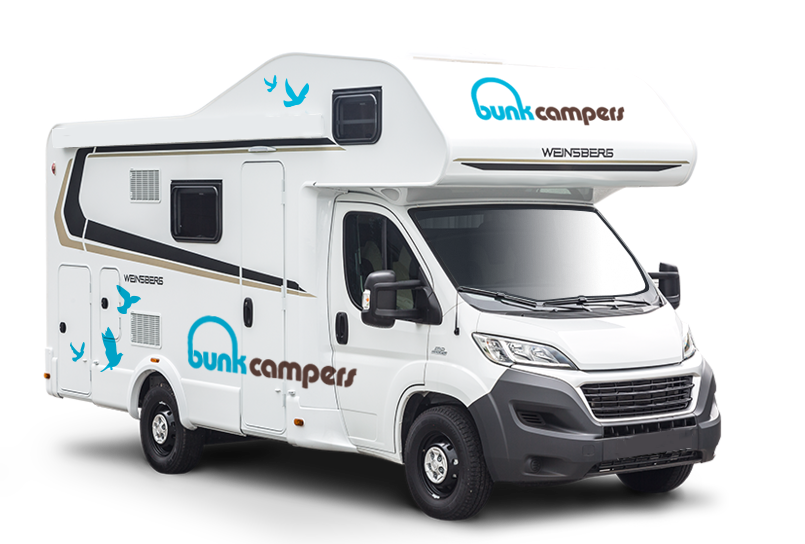
Motorhomes are self-propelled RVs where the living quarters are built on a motorized chassis. Class C motorhomes are typically built on a van chassis with an attached cab section, often featuring sleeping space above the driver’s area. Class A motorhomes are the largest and most luxurious, built on a heavy-duty chassis like a bus or truck, offering the most interior space and amenities. Both Class C and Class A motorhomes can accommodate six people, with larger models offering multiple sleeping areas, full bathrooms, and well-equipped kitchens. Their advantage lies in their all-in-one nature, allowing you to drive, live, and sleep in the same vehicle.
Toy Haulers and Expandable Travel Trailers
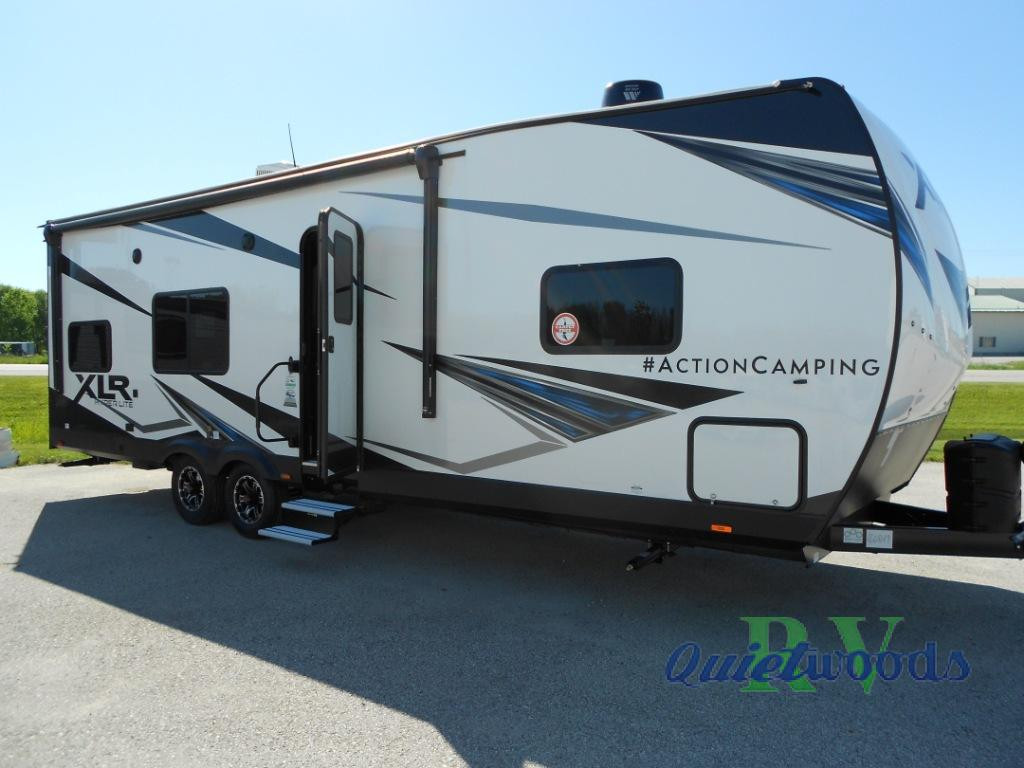
Toy haulers are a specialized type of travel trailer or fifth wheel that includes a garage area for hauling recreational vehicles like motorcycles, ATVs, or kayaks. This garage space can often be converted into sleeping quarters when not in use, making them ideal for groups who want to bring their adventure toys. Expandable travel trailers, often called “pop-ups” or “hybrid trailers,” feature fabric tent-like extensions that significantly increase living and sleeping space when set up. While typically smaller, some larger expandable models can be configured to sleep six people, offering a more budget-friendly and lightweight option.
Budgetary Considerations and Long-Term Value
The cost of a six-person camper can vary dramatically based on its type, size, age, condition, and the features included. Establishing a realistic budget is a critical first step in the selection process.
New vs. Used Market Analysis
The decision between purchasing a new or used camper significantly impacts the initial investment. New campers offer the latest technology, full warranties, and a pristine condition but come with a higher price tag. Used campers can offer substantial savings, but it’s essential to conduct thorough inspections to assess their condition, maintenance history, and potential repair needs. Factors like mileage (for motorhomes) and wear and tear on amenities are crucial considerations for used purchases.
Ongoing Costs of Ownership
Beyond the initial purchase price, several ongoing costs are associated with owning a six-person camper. These include insurance premiums, registration fees, maintenance and repairs, fuel costs (especially for motorhomes), and storage fees if you don’t have on-site storage. Campground fees can also add up, depending on your travel frequency and the types of campgrounds you frequent. Understanding these long-term expenses will help you budget effectively and ensure the camper remains an enjoyable investment rather than a financial burden.
Customization and Aftermarket Upgrades
Once you’ve identified a suitable six-person camper, the possibility of customization and aftermarket upgrades can further enhance its suitability for your group.
Tailoring to Specific Group Needs
Even with a pre-designed six-person layout, you might find that certain aspects could be better suited to your specific group. This could involve reconfiguring seating arrangements, adding extra storage solutions, or upgrading specific appliances. For example, if your group enjoys cooking elaborate meals, you might consider upgrading the stovetop or refrigerator. If entertainment is a priority, you might add more screens or a better sound system.
Enhancing Comfort and Functionality with Aftermarket Additions
The aftermarket for RV accessories is vast, offering a plethora of options to enhance both comfort and functionality. This can include adding more comfortable mattresses, installing higher-quality seating, upgrading to more efficient water pumps or toilets, or adding exterior accessories like improved awnings or outdoor entertainment setups. For those who enjoy boondocking (camping without hookups), installing additional battery capacity or more solar panels can be a worthwhile upgrade. Careful consideration of your intended use and desired improvements will help you make informed decisions about aftermarket additions that will optimize your six-person camper experience.
Conclusion: Embracing the Journey with a Spacious Camper
A six-person camper is not merely a vehicle; it’s a mobile sanctuary designed to facilitate shared experiences and create lasting memories. From the intricate sleeping arrangements to the intelligent use of space and the integration of modern technology, these RVs are engineered to accommodate larger groups with comfort and convenience. By understanding the nuances of their design, the advancements that enhance their utility, and the factors to consider during selection, prospective owners can confidently embark on their quest for the perfect home on wheels. Whether you’re a growing family yearning for adventure or a group of friends seeking to explore the great outdoors together, a well-chosen six-person camper offers the ideal platform for your next great journey.
aViewFromTheCave is a participant in the Amazon Services LLC Associates Program, an affiliate advertising program designed to provide a means for sites to earn advertising fees by advertising and linking to Amazon.com. Amazon, the Amazon logo, AmazonSupply, and the AmazonSupply logo are trademarks of Amazon.com, Inc. or its affiliates. As an Amazon Associate we earn affiliate commissions from qualifying purchases.