
In the modern financial landscape, precision is the cornerstone of every transaction. Whether you are setting up a direct deposit for a new job, authorizing an electronic bill payment, or initiating a domestic wire transfer, there is one nine-digit code that stands as the gatekeeper of your funds: the routing number. Formally known as an ABA (American Bankers Association) Routing Transit Number (RTN), this sequence serves as the primary address for your financial institution within the United States banking network.
Understanding how to locate and verify this number is more than just a clerical necessity; it is a fundamental skill in managing personal and business finance. In an era where digital transactions are the norm, a single digit out of place can lead to delayed payments, rejected transfers, or the logistical headache of tracking down “lost” capital. This guide provides an in-depth exploration of the various methods to find your routing number, the nuances of its application, and the security protocols necessary to protect your financial identity.

Understanding the Basics: What is a Routing Number?
Before diving into the “how,” it is essential to understand the “what” and “why.” The routing number system was established by the American Bankers Association in 1910 to improve the efficiency of check processing. Today, it identifies the specific financial institution responsible for the funds in a transaction, ensuring that money moves from Point A to Point B without detour.
The Anatomy of a Routing Number
A routing number is always nine digits long. Each segment of the code provides specific information to the Federal Reserve and other banking entities. The first two digits indicate the Federal Reserve district where the bank is located. The third digit identifies the Federal Reserve check processing center assigned to that bank. The fourth digit represents the state where the bank is headquartered, while digits five through eight are the unique identifier for the specific institution. The final ninth digit is a “check digit,” calculated through a complex algorithm to verify that the preceding eight digits are valid and have not been mistyped.
Routing Number vs. Account Number: Knowing the Difference
One of the most common errors in personal finance is confusing the routing number with the account number. Think of the routing number as the “zip code” of your bank—it identifies the building or the organization as a whole. The account number, conversely, is your “apartment number”—it identifies your specific individual or business holdings within that building. While thousands of people share the same routing number at a large institution like Chase or Bank of America, your account number is unique to you. Both are required for the majority of electronic transfers.
Why Some Banks Have Multiple Routing Numbers
It is a common misconception that a bank has only one routing number. Larger national banks often maintain different routing numbers based on the geographic region where the account was opened. Furthermore, a bank may have one routing number for paper checks and ACH (Automated Clearing House) transfers, and a completely different routing number for domestic wire transfers. Always ensure you are using the specific number required for the type of transaction you are performing.
Reliable Methods to Find Your Routing Number
In the digital age, finding your routing number has never been easier, yet many consumers still find themselves searching through old files when the need arises. There are several definitive ways to access this information quickly and accurately.
Checking Your Paper Checks
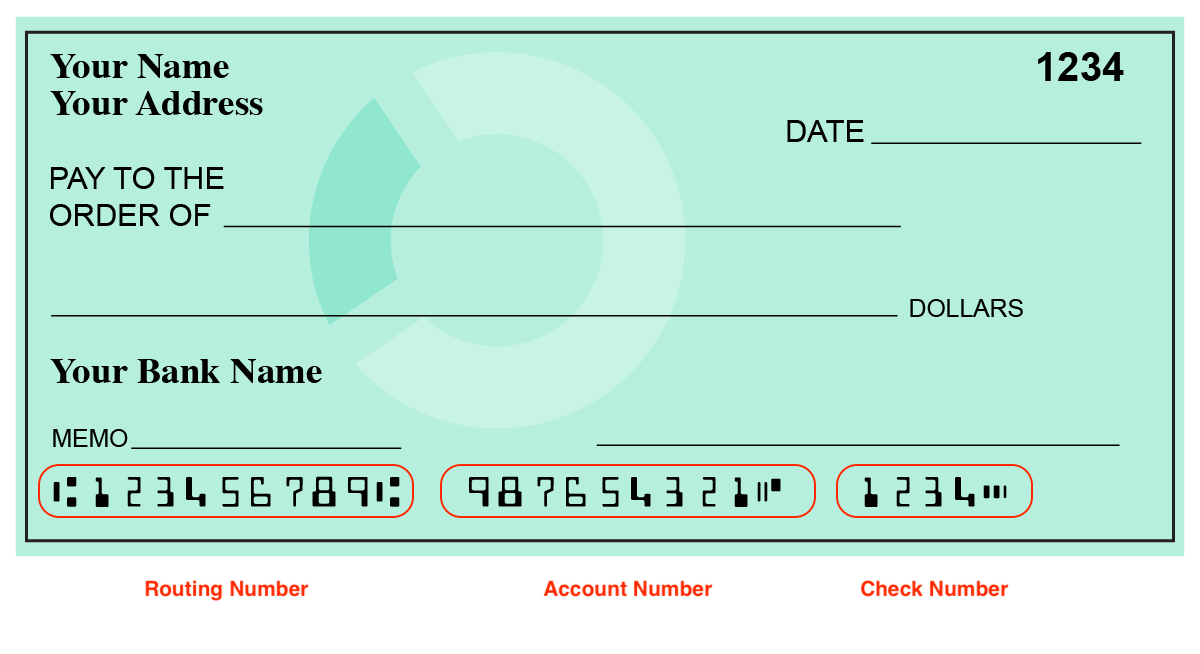
The most traditional and often most reliable way to find your routing number is to look at a physical check. At the bottom of every personal check is a string of numbers printed in a specialized font known as MICR (Magnetic Ink Character Recognition). This line contains three distinct sets of numbers. The first set of nine digits on the far left is your routing number. It is usually flanked by a specific symbol. The second set of numbers is your account number, and the third (shorter) set is the check number.
Utilizing Online Banking and Mobile Apps
For those who have moved away from paper checks, your bank’s digital portal is the primary resource. Once you log into your online banking dashboard or mobile app, the routing number is typically located under “Account Details,” “Account Info,” or “Settings.” Many banks provide a “Copy” button next to the routing number to prevent transcription errors when pasting the data into another form. If you have multiple accounts (e.g., a checking and a savings account), be sure to select the correct one, as some institutions use different routing numbers for different account types.
Contacting Your Financial Institution Directly
If you are unable to access your accounts digitally and do not have a checkbook, the bank’s official website or customer service line is your next best option. Most major banks have a dedicated “Contact Us” or “FAQs” page where they list their routing numbers by state or region. If you call the bank, the automated system can often provide the routing number without you needing to wait for a human representative. However, always ensure you are on the bank’s official “.com” or “.gov” website to avoid phishing sites that mimic banking interfaces.
When and Why You Need Your Routing Number

The routing number is the “workhorse” of the financial movement. Without it, the modern convenience of automated finance would grind to a halt. Understanding the specific scenarios where this number is required can help you prepare for major financial transitions.
Setting Up Direct Deposits and Automated Payments
The most frequent use of a routing number is for the ACH network. When you start a new job, your employer’s payroll department requires your routing and account numbers to push your salary directly into your account. Similarly, when you set up “Auto-pay” for a mortgage, car loan, or utility bill, you are authorizing those companies to “pull” funds from your account using these identifiers.
Domestic and International Wire Transfers
Wire transfers are different from ACH transfers; they are near-instantaneous and often used for high-value transactions like real estate closings. As mentioned earlier, banks often use a specific “Wire Routing Number” that differs from the one on your checks. If you provide the ACH routing number for a wire transfer, the transaction may be rejected or delayed. Additionally, for international transfers, you may need a SWIFT or BIC code in addition to, or instead of, a standard ABA routing number.
Tax Filings and Government Payments
The IRS and state tax authorities utilize routing numbers to issue tax refunds. Opting for a direct deposit refund via your routing number is significantly faster than waiting for a paper check in the mail. Conversely, if you owe taxes, you will need your routing number to authorize an electronic funds withdrawal. This ensures that your payment is credited to the correct account by the filing deadline, avoiding late fees and interest.
Security and Verification: Ensuring Your Financial Data is Safe
While a routing number itself is not “private” (it identifies a public institution), the combination of your routing and account numbers provides full access to your funds. Therefore, managing this information requires a strategic approach to security.
Using Official ABA Databases for Verification
If you are unsure if a routing number you’ve found is correct, you can verify it through the American Bankers Association’s official website. They maintain a “Routing Number Lookup” tool that allows users to search by bank name and location to confirm the validity of a number. This is a vital step for business owners who are processing payments from clients and want to ensure the data provided is legitimate before attempting a transaction.
Avoiding Common Routing Number Scams
A common financial scam involves “overpayment” or “accidental transfers” where a fraudster asks for your routing and account numbers to “return” money to you. Never provide your banking identifiers to an unverified party or in response to an unsolicited email or text. Scammers can use these numbers to create fraudulent checks or initiate unauthorized ACH withdrawals. Always initiate the contact yourself through official channels when providing this information.
Protecting Your Physical Checks
Because your routing and account numbers are printed clearly on every check, your checkbook is a high-value target for identity thieves. If you lose your checkbook, you should notify your bank immediately to freeze the account and potentially issue a new account number. Many financial experts recommend using digital payment platforms or credit cards for daily transactions and keeping paper checks locked in a secure location at home.
The Future of Routing Numbers in a Digital Economy
As we move toward a world of “instant payments” and decentralized finance, the role of the traditional 100-year-old routing number system is evolving. However, its importance remains anchored in the stability of the global economy.
The Shift Toward Real-Time Payments (RTP)
The Federal Reserve recently launched “FedNow,” a real-time payment service that allows for the instantaneous transfer of funds 24/7. While these systems are faster than the traditional ACH network (which can take 1–3 business days), they still rely on the foundational architecture of the routing number to identify participating financial institutions. The routing number remains the common language that allows different banking softwares to communicate.
How Fintech is Simplifying Transaction Identifiers
Fintech companies like Venmo, PayPal, and Zelle have added a layer of abstraction over routing numbers. Users can now send money using just an email address or a phone number. However, behind the scenes, these apps are still linked to a traditional bank account identified by—you guessed it—a routing number. Even as the “front end” of finance becomes more user-friendly and social, the “back end” remains dependent on the ABA routing system to ensure the legal and secure movement of billions of dollars daily.
In conclusion, knowing how to check and verify your routing number is a vital component of financial literacy. It is the bridge between your hard-earned money and the vast network of global commerce. By understanding where to find it, how to use it correctly, and how to keep it secure, you empower yourself to navigate the complexities of personal and business finance with confidence and precision.
aViewFromTheCave is a participant in the Amazon Services LLC Associates Program, an affiliate advertising program designed to provide a means for sites to earn advertising fees by advertising and linking to Amazon.com. Amazon, the Amazon logo, AmazonSupply, and the AmazonSupply logo are trademarks of Amazon.com, Inc. or its affiliates. As an Amazon Associate we earn affiliate commissions from qualifying purchases.