
The healthcare landscape is becoming increasingly complex, with patients often facing intricate systems, multiple specialists, and a barrage of medical information. Navigating this labyrinth can be overwhelming, leading to delayed diagnoses, missed appointments, and suboptimal treatment outcomes. Enter the nurse navigator, a vital professional dedicated to simplifying this journey for patients. While their core function is patient advocacy and support, the tools and technologies they leverage to achieve this are profoundly rooted in the Tech domain. This article will delve into the multifaceted role of a nurse navigator, focusing specifically on how technology empowers them to streamline patient care, enhance communication, and ultimately improve health outcomes.

The Evolving Role of Technology in Nurse Navigation
Nurse navigators have always been integral to patient care, but the advent and rapid evolution of technology have significantly amplified their capabilities and reach. What once relied on paper charts, phone calls, and in-person meetings has transformed into a dynamic, data-driven approach. Modern nurse navigators are adept at utilizing a spectrum of digital tools to manage patient information, coordinate care, and provide timely interventions. This technological integration is not merely about efficiency; it’s about creating a more personalized, proactive, and responsive healthcare experience for patients.
Leveraging Electronic Health Records (EHRs) for Comprehensive Patient Oversight
At the heart of a nurse navigator’s technological toolkit lies the Electronic Health Record (EHR) system. These digital repositories of patient information are crucial for understanding a patient’s medical history, current conditions, treatment plans, and upcoming appointments.
Real-time Data Access and Analysis
EHRs provide nurse navigators with real-time access to critical patient data, including vital signs, lab results, imaging reports, and physician’s notes. This immediate access allows them to stay abreast of any changes in a patient’s condition and to anticipate potential needs or complications. By analyzing this data, nurse navigators can identify trends, flag at-risk patients, and proactively intervene before issues escalate. For instance, an EHR alert might highlight a patient who is due for a crucial follow-up appointment or whose lab results indicate a need for immediate medical attention. This proactive approach, powered by the data within EHRs, is a cornerstone of effective nurse navigation.
Interoperability and Seamless Information Sharing
A significant advancement in EHR technology is its increasing interoperability. This means that different healthcare systems and providers can share patient information securely and efficiently. For nurse navigators, this is revolutionary. It allows them to coordinate care seamlessly across various departments, specialists, and even different healthcare institutions. Instead of relying on faxed records or repeated patient questionnaires, nurse navigators can access a holistic view of the patient’s journey, ensuring all involved parties are on the same page. This interoperability minimizes redundancies, reduces the risk of medical errors, and ensures that treatment plans are comprehensive and well-coordinated.
Communication Platforms: Bridging the Gaps in Patient-Provider Interaction
Effective communication is paramount in healthcare, and nurse navigators act as vital conduits between patients, their families, and the broader healthcare team. Technology has revolutionized the way these communication bridges are built and maintained.
Secure Messaging and Telehealth Solutions
Secure messaging platforms integrated within EHRs or as standalone applications allow nurse navigators to communicate with patients in a HIPAA-compliant manner. This offers a convenient and private way for patients to ask questions, share updates, and receive reminders without the need for a phone call or in-person visit. Telehealth platforms further extend this reach, enabling virtual consultations, remote monitoring, and even emotional support. This is particularly beneficial for patients with mobility issues, those living in rural areas, or individuals undergoing lengthy treatment protocols who may find it challenging to attend frequent in-person appointments. Nurse navigators can utilize telehealth to conduct follow-up assessments, provide education, and ensure patients are adhering to their treatment plans, all from the comfort of their homes.

Patient Portals and Educational Resources
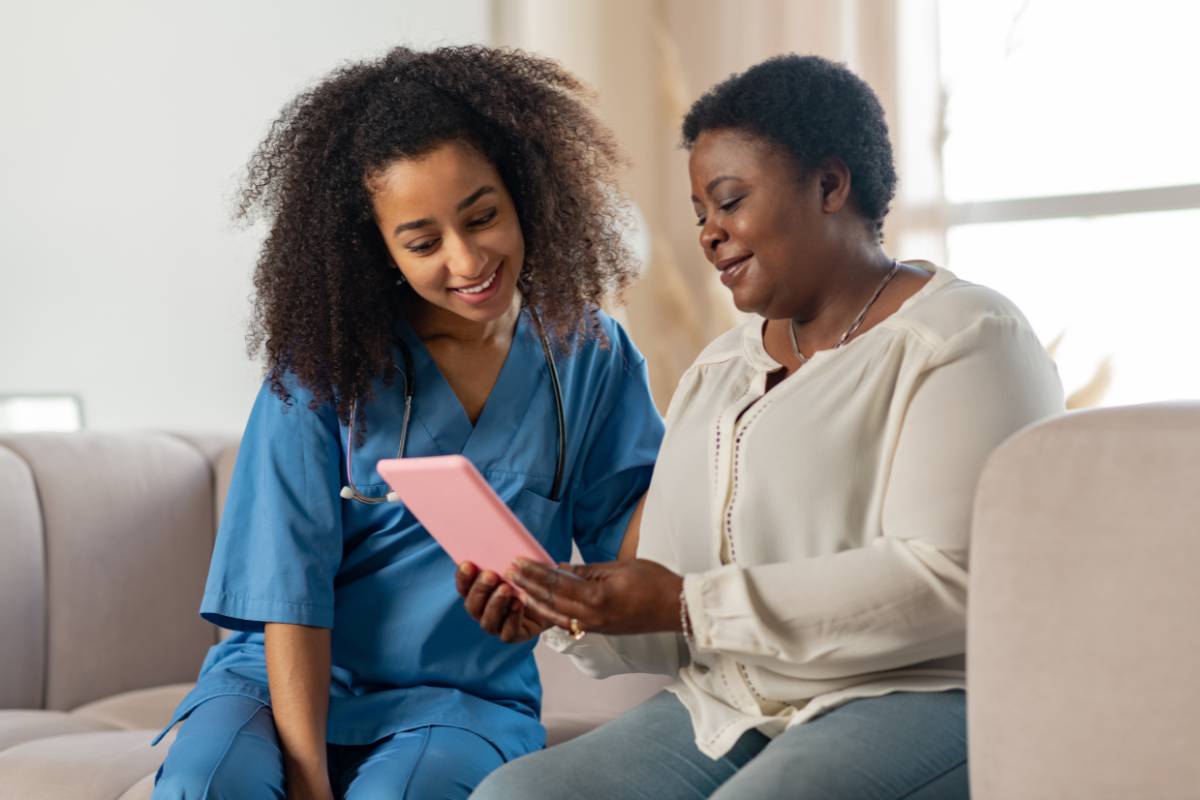
Patient portals have become indispensable tools for nurse navigators. These secure online platforms empower patients to access their medical records, schedule appointments, request prescription refills, and communicate with their care team. Nurse navigators often guide patients in utilizing these portals, ensuring they can actively participate in their own care. Furthermore, they can curate and disseminate educational resources through these portals, offering tailored information about diagnoses, treatments, and self-management strategies. This digital library of information helps patients become more informed and engaged, fostering a sense of ownership over their health journey.
Leveraging Data Analytics and AI for Proactive Care Management
Beyond individual patient interactions, nurse navigators are increasingly leveraging sophisticated data analytics and artificial intelligence (AI) tools to manage patient populations and identify those who require extra support.
Predictive Analytics for Early Intervention
By analyzing large datasets from EHRs and other sources, predictive analytics algorithms can identify patients who are at higher risk of developing certain conditions, experiencing complications, or not adhering to their treatment plans. Nurse navigators can then proactively reach out to these at-risk individuals, offering targeted support, education, and resources to prevent adverse outcomes. This shift from reactive to proactive care is a significant advancement, made possible by sophisticated technological capabilities. For example, AI might flag a patient with a history of non-adherence and specific demographic markers as being at higher risk for readmission, prompting the nurse navigator to schedule additional check-ins and provide enhanced support.
AI-Powered Triage and Information Dissemination
While not replacing human judgment, AI tools are beginning to assist in triaging patient inquiries. Chatbots can answer common questions, direct patients to appropriate resources, and even help schedule appointments. This frees up nurse navigators to focus on more complex patient needs and critical interventions. Furthermore, AI can analyze patient-reported outcomes and feedback to identify systemic issues or areas where patient education needs to be improved, allowing nurse navigators to refine their strategies and resources.
The Future of Nurse Navigation: Embracing Emerging Technologies
The technological landscape in healthcare is constantly evolving, and nurse navigators are at the forefront of embracing these advancements to enhance their practice.
Wearable Devices and Remote Monitoring
The proliferation of wearable devices, such as smartwatches and fitness trackers, offers new avenues for remote patient monitoring. Nurse navigators can potentially integrate data from these devices into a patient’s care plan, tracking vital signs, activity levels, and sleep patterns. This continuous stream of data provides a more comprehensive understanding of a patient’s health between appointments and allows for early detection of subtle changes that might otherwise go unnoticed.
Virtual Reality (VR) and Augmented Reality (AR) for Education and Support
While still emerging, Virtual Reality (VR) and Augmented Reality (AR) hold promise for enhancing patient education and support. VR could be used to immerse patients in realistic simulations of medical procedures, helping them understand what to expect and reducing anxiety. AR could overlay critical information onto medical equipment or even provide patients with interactive anatomical models for better understanding of their conditions. Nurse navigators could utilize these immersive technologies to deliver more engaging and impactful patient education.
In conclusion, the role of a nurse navigator is intrinsically linked to the effective and strategic use of technology. From the foundational EHR systems to the emerging applications of AI and VR, technology empowers nurse navigators to provide more personalized, efficient, and proactive care. By embracing these digital tools, nurse navigators are not just guiding patients through their healthcare journeys; they are actively shaping a future where technology and compassionate care converge to achieve optimal patient outcomes.
aViewFromTheCave is a participant in the Amazon Services LLC Associates Program, an affiliate advertising program designed to provide a means for sites to earn advertising fees by advertising and linking to Amazon.com. Amazon, the Amazon logo, AmazonSupply, and the AmazonSupply logo are trademarks of Amazon.com, Inc. or its affiliates. As an Amazon Associate we earn affiliate commissions from qualifying purchases.