
A drug test is often a standard hurdle in the employment process, a gatekeeper to opportunities that can shape an individual’s financial trajectory. When the result comes back “negative dilute,” it can spark a wave of questions, not just about the test itself, but about its potential impact on your career, earning potential, and overall financial stability. Understanding the nuances of this seemingly benign result is crucial for navigating the modern workforce and safeguarding your financial future.
The term “negative dilute” might sound like a good outcome – after all, “negative” implies no illicit substances detected. However, the “dilute” component introduces an element of uncertainty that can have tangible financial consequences. This article will delve into what a negative dilute drug test signifies from a financial perspective, exploring its implications for job prospects, potential career advancement, and the strategies you can employ to mitigate any negative financial fallout.

The Employment Implications of a Negative Dilute Result
While a negative dilute drug test is not an outright failure, it’s often not treated as a straightforward pass either. For employers, the primary goal of drug testing is to ensure a safe and productive workplace, minimizing risks associated with substance abuse. A dilute sample raises concerns that can indirectly impact your ability to secure a job, and by extension, your income.
When a Pass Isn’t Exactly a Pass: Employer Interpretations
The interpretation of a negative dilute result can vary significantly from one employer to another. Some may accept it as a negative result, especially if it’s a one-off occurrence. However, many employers, particularly those in safety-sensitive industries or those with stringent hiring policies, view a dilute sample with suspicion.
Why the Suspicion? From an employer’s standpoint, a dilute sample can suggest an attempt to mask the presence of drugs. While the reason for dilution might be innocent – such as excessive water consumption before the test – it can also be a deliberate effort to lower the concentration of drug metabolites in the urine to below detectable levels. This ambiguity can lead to a hesitancy to proceed with the hiring process, as the employer might perceive it as a sign of a candidate trying to circumvent the system. The financial consequence here is a delayed or even denied job offer, which directly impacts your immediate income and ability to meet financial obligations.
The Cost of Uncertainty for Employers: For businesses, the cost of employee turnover and the potential liabilities associated with impaired workers are significant concerns. A negative dilute result introduces a level of uncertainty that they may not be willing to risk, especially if there are other equally qualified candidates with clear negative results. This can translate into a competitive disadvantage for you in the job market, potentially leading to a longer job search and extended periods of unemployment, thus affecting your personal finances.
Increased Scrutiny and the Possibility of Re-testing
In many cases, a negative dilute drug test will trigger a requirement for a re-test. While this might seem like a fair opportunity to provide a more conclusive sample, it also presents a renewed set of challenges and potential financial burdens.
The Waiting Game and Lost Income: The process of scheduling and undergoing a re-test can cause delays in the hiring process. These delays can be particularly detrimental if you are currently unemployed or in urgent need of a new income stream. The longer you wait for a definitive result, the longer you are without a salary, impacting your ability to pay bills, service debts, or meet essential living expenses. This waiting period can add financial stress and necessitate drawing from savings or even taking on short-term, lower-paying work to bridge the gap.
Potential Costs Associated with Re-testing: While many employers absorb the cost of initial drug screenings, some may require the candidate to bear the expense of a re-test. This can be a frustrating financial imposition, especially if the initial dilution was unintentional. The cost of a re-test, while perhaps not exorbitant on its own, can add up, particularly if there are multiple re-tests required due to repeated dilute results. This financial outlay further exacerbates the economic strain of a delayed or uncertain employment situation.
Financial Ramifications Beyond the Initial Job Offer
The impact of a negative dilute drug test isn’t confined solely to the initial hiring phase. It can have ripple effects that influence your career progression, earning potential, and long-term financial security.
Impact on Career Advancement and Promotions
In many professions, particularly those with regular or random drug testing policies, a history of dilute results can cast a shadow over your career trajectory. Even if you are hired, future opportunities for advancement or positions that require higher levels of trust or responsibility might be impacted.
The Perception of Reliability: Employers often associate a clean, conclusive drug test with an individual who is disciplined and transparent. A history of dilute samples, even if unintentional, can sometimes be perceived as a sign of evasiveness or an inability to follow instructions precisely. This perception, however unfair, can influence decisions regarding promotions, access to sensitive projects, or roles that involve significant financial responsibility. Such limitations can cap your earning potential and hinder your ability to climb the career ladder, directly impacting your long-term financial growth.
Industry-Specific Hurdles: Certain industries, such as transportation (e.g., truck drivers, pilots), healthcare, and law enforcement, have particularly stringent drug testing protocols. In these sectors, a dilute result can be a significant barrier to entry and advancement. Even if you possess the necessary skills and experience, a recurring pattern of dilute samples might disqualify you from positions that are critical for career progression and higher salaries. This can lead to being stuck in lower-paying roles, impacting your overall financial health and future earning capacity.
The Broader Economic Landscape and Your Place Within It
Beyond individual employers, the increasing prevalence of drug testing in the workforce contributes to a broader economic landscape where drug test results can influence an individual’s economic participation.
Access to Benefits and Insurance: In some instances, the outcomes of employment-related screenings, including drug tests, can indirectly affect access to certain benefits or insurance policies. While direct links are less common, a pattern of employment instability due to drug test results could potentially influence decisions regarding eligibility for certain group insurance plans or even affect premium rates in the long run, depending on the specifics of employer-provided benefits. This can add to your overall financial burden.
The Gig Economy and Independent Contracting: The rise of the gig economy and independent contracting has also seen an increase in the use of background checks and pre-employment screenings, which often include drug tests. For freelancers and independent contractors, passing these screenings is crucial for securing lucrative contracts. A negative dilute result could lead to the loss of potential income-generating opportunities, impacting your ability to maintain a stable income and meet financial commitments. This can be particularly challenging for those who rely on a steady stream of work to make ends meet.
Strategies to Navigate and Mitigate Financial Risks
While the implications of a negative dilute drug test can be concerning, proactive strategies can help you navigate these challenges and protect your financial well-being.
Proactive Preparation and Communication
The best approach to a negative dilute result is often a proactive one, focusing on understanding the testing process and communicating effectively with potential employers.
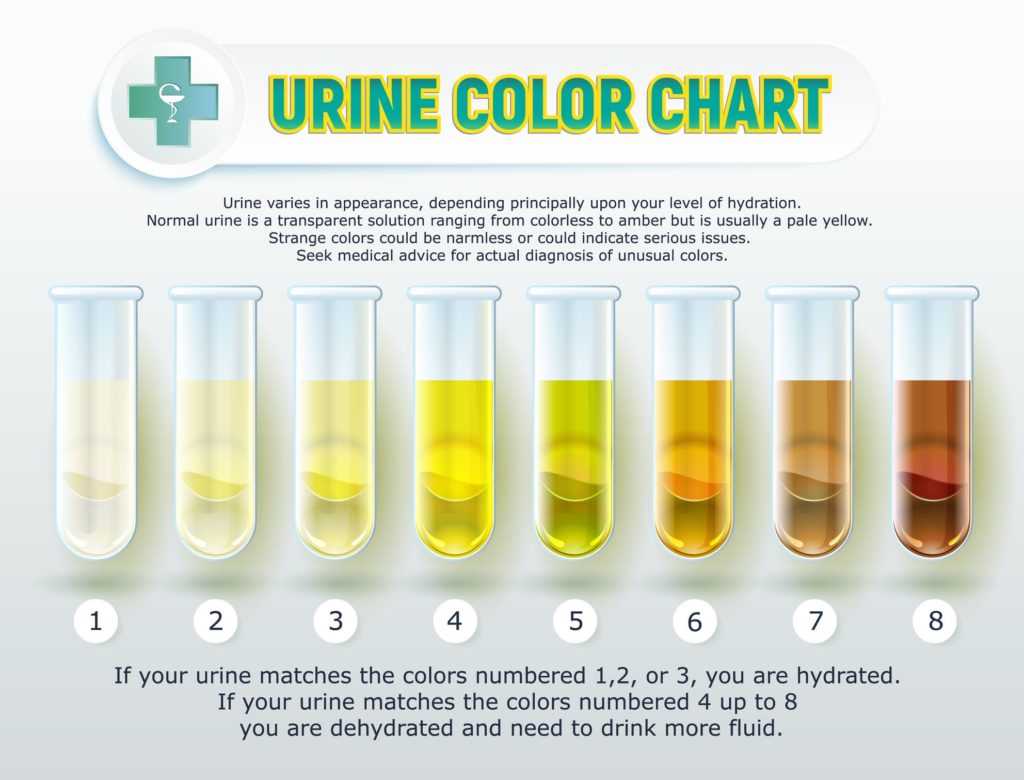
Understanding the Testing Process: Before undergoing a drug test, familiarize yourself with the specific procedures. Understand what constitutes a dilute sample, what levels are considered dilute, and what the employer’s policy is regarding such results. This knowledge empowers you to address any concerns with confidence. For instance, knowing that excessive water intake can lead to dilution can help you manage your hydration in a way that minimizes this risk, without appearing to deliberately dilute the sample.
Open and Honest Communication: If you receive a negative dilute result, don’t shy away from discussing it with the employer. If you have a legitimate, innocent reason for the dilution (e.g., you were advised to hydrate by the collection site personnel, or you had a medical reason for increased fluid intake), clearly and calmly explain this. Providing context can help alleviate suspicion and demonstrate your transparency. Avoid making excuses; instead, focus on factual explanations. This direct communication can sometimes be the deciding factor in an employer’s decision.
Ensuring Accuracy and Addressing Concerns
If you believe the dilute result was an error or wish to provide further assurance, there are steps you can take to ensure accuracy and address employer concerns.
Requesting a Re-test and Ensuring Proper Collection: If the employer requires a re-test, ensure that the collection process is conducted under strict supervision and according to established protocols. If possible, request a copy of the chain of custody form to document the process. This meticulous approach demonstrates your commitment to providing an accurate sample and can rebuild trust.
Considering a Lab Analysis of the Dilute Sample: In some cases, the laboratory that conducted the initial test can perform a creatinine level test on the dilute sample. Creatinine is a byproduct of muscle metabolism, and low levels in urine can indicate dilution. If your creatinine level is within a certain range, even with a dilute sample, it might be considered a more definitive negative. Inquiring about this possibility with the testing facility and then relaying this information to your potential employer can be beneficial.

Building a Strong Professional Profile
Ultimately, the most robust defense against the financial implications of any drug test result is a strong and consistent professional profile.
Focus on Your Skills and Experience: Emphasize your qualifications, experience, and proven track record. Highlight your commitment to professionalism and your ability to perform your job duties effectively. A strong resume, compelling cover letter, and confident interview performance can often outweigh minor procedural issues like a dilute drug test.
Cultivating a Reputation for Reliability: Over time, build a reputation for being a reliable, trustworthy, and dedicated employee. Positive references from previous employers and a consistent work history can significantly mitigate concerns that might arise from a dilute drug test. Your long-term performance and professional conduct are the most powerful indicators of your value to an employer, often superseding a single, ambiguous test result.
In conclusion, a negative dilute drug test, while not an outright failure, carries potential financial implications that cannot be ignored. By understanding the reasons behind employer concerns, proactively communicating, and diligently ensuring accuracy, individuals can effectively navigate these challenges. More importantly, by building a strong professional foundation based on skills, experience, and a reputation for reliability, you can ensure that any momentary ambiguity in a drug test does not derail your long-term financial success. In the competitive landscape of employment, knowledge and preparedness are your most valuable financial assets.
aViewFromTheCave is a participant in the Amazon Services LLC Associates Program, an affiliate advertising program designed to provide a means for sites to earn advertising fees by advertising and linking to Amazon.com. Amazon, the Amazon logo, AmazonSupply, and the AmazonSupply logo are trademarks of Amazon.com, Inc. or its affiliates. As an Amazon Associate we earn affiliate commissions from qualifying purchases.