
While the term “nail buffer” might evoke images of a simple emery board, the reality of modern nail care often involves sophisticated technology and innovative design. In today’s competitive beauty market, even seemingly basic tools can be elevated through advancements in materials science, ergonomic engineering, and intelligent functionality. This article will explore the multifaceted role of a nail buffer, not just as a cosmetic implement, but as a sophisticated piece of beauty technology designed to enhance nail health, appearance, and even the user experience. We’ll delve into the underlying technological principles, the design considerations that make them effective, and the innovative features that differentiate premium products in the market.

The Science Behind the Shine: Material Innovations in Nail Buffers
The effectiveness of a nail buffer is intrinsically linked to the materials used in its construction. Far from the simple grit of traditional files, contemporary nail buffers employ advanced abrasives and composite materials that offer precise control and superior results without causing damage. This technological evolution is driven by a desire for safer, more efficient, and more versatile nail care solutions.
Advanced Abrasive Technologies
The core function of a nail buffer is to gently abrade the nail surface. This process, while seemingly simple, requires a nuanced approach to prevent over-filing or weakening the nail. Modern buffers utilize a range of engineered abrasives, each with specific properties:
Micro-Grit Technology
Instead of large, coarse particles, high-performance nail buffers often incorporate micro-grit technology. This involves precisely sized and shaped abrasive particles, typically ceramic, diamond, or specialized synthetic compounds, bonded to a flexible substrate. These micro-particles work in a highly controlled manner, smoothing out imperfections and creating a uniform surface with minimal pressure. The uniformity of the grit size is crucial; inconsistent particles can lead to uneven buffing and micro-tears in the nail plate. This precision engineering ensures a gentle yet effective abrasion, crucial for maintaining nail integrity.
Electroplated Diamond and Ceramic Composites
For professional-grade buffers, electroplated diamond or ceramic composite surfaces are increasingly common. These materials offer exceptional durability and consistent abrasive power. Diamond, being the hardest known natural substance, provides incredibly fine and long-lasting abrasion, ideal for achieving a high-gloss finish. Ceramic composites offer a unique balance of hardness and controlled grit release, ensuring a smooth and efficient buffing action. The application of these materials is often done through sophisticated electroplating processes, ensuring a uniform distribution and secure bonding to the buffer’s core, preventing shedding and maintaining consistent performance over time.
Substrate Design and Flexibility
The underlying material of the buffer, the substrate, plays a critical role in how the abrasive surface interacts with the nail. Modern buffers move beyond rigid plastic or cardboard to incorporate flexible and responsive materials.
Ergonomic Foam and Gel Cores
Many high-quality buffers feature multi-layered construction with ergonomic foam or gel cores. These materials are designed to conform to the natural curve of the nail, ensuring even pressure distribution and preventing the buffer from digging into the nail bed or cuticle area. The flexibility of the substrate is essential for adapting to different nail shapes and sizes, providing a comfortable and user-friendly experience. This attention to ergonomic design is a hallmark of technologically advanced personal care devices.
Breathable and Hygienic Materials
Furthermore, advancements in material science have led to the development of breathable and antimicrobial substrates. These materials help to prevent the buildup of moisture and bacteria, promoting better nail hygiene and reducing the risk of infection. Some advanced buffers even incorporate materials with anti-static properties, preventing nail dust from clinging to the surface and making the buffing process cleaner.
The Functional Evolution: Beyond Simple Abrasion
The purpose of a nail buffer has evolved significantly beyond merely smoothing ridges. Contemporary designs are engineered with multiple functionalities, often mimicking the stages of a professional manicure and offering targeted benefits for nail health and aesthetics.
Multi-Stage Buffing Surfaces
The most common technological advancement in nail buffers is the integration of multiple buffing surfaces, each with a different grit or abrasive level. These stages are designed to be used sequentially to achieve a complete nail transformation.
Surface 1: Smoothing and Shaping
The first surface, often with a coarser grit, is designed for smoothing out imperfections, minor ridges, and shaping the nail edge. This stage is crucial for preparing the nail surface for subsequent steps and can often replace the need for separate nail files for minor shaping. The abrasive technology here is optimized for efficient removal of unevenness without being overly aggressive.
Surface 2: Fine Smoothing and Ridge Filling
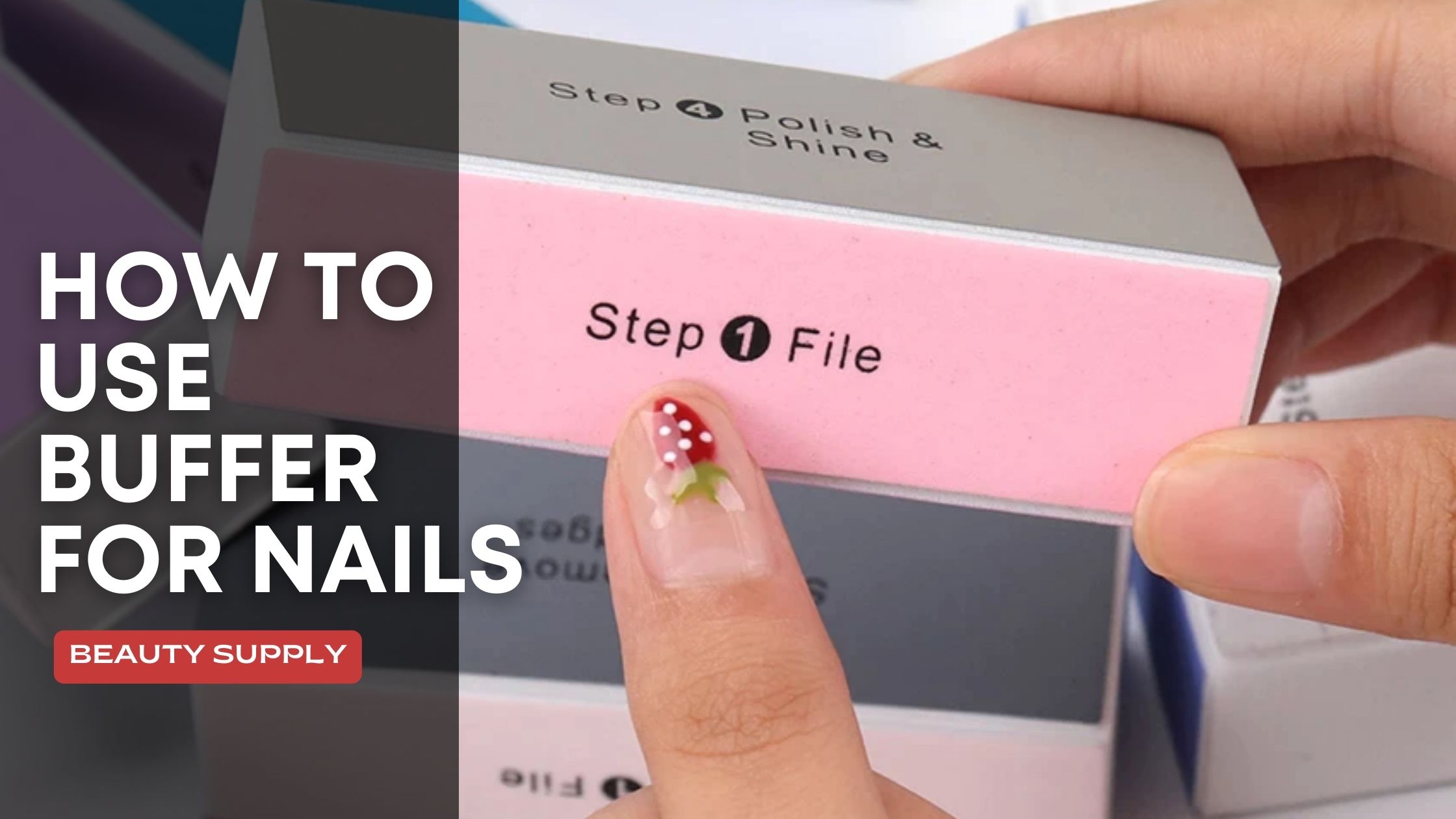
The second surface typically features a finer grit, designed to further smooth the nail plate, removing any faint lines left by the first stage. This is where the micro-grit technology truly shines, creating a refined surface that is visually smoother and feels more uniform to the touch. This stage is particularly beneficial for those with naturally uneven nail plates.
Surface 3: Polishing and Shine
The third and final surface is dedicated to polishing the nail to a high-gloss shine. This surface often employs a very fine, almost mirror-like abrasive, sometimes enhanced with polishing compounds embedded within the material. This stage creates a natural sheen that can last for days, offering an alternative to clear nail polish and showcasing healthy, well-maintained nails.
Targeted Nail Treatments and Enhancements
Beyond basic smoothing and polishing, some advanced nail buffers are incorporating technologies that deliver targeted treatments to the nail. This integration of skincare principles into a simple tool represents a significant step in the evolution of beauty gadgets.
Nutrient Infusion Capabilities
Emerging technologies in nail buffers are exploring methods for infusing nails with beneficial nutrients during the buffing process. This can involve embedding vitamins, oils, or keratin-boosting compounds within the abrasive layers. As the buffer is used, microscopic particles of these beneficial agents are released and absorbed by the nail, promoting strength, hydration, and overall nail health. This transforms the buffer from a purely cosmetic tool into a therapeutic one.
UV and LED Curing Integration (Future Potential)
While still largely in the conceptual or niche product phase, the integration of UV or LED curing capabilities with nail buffers is an area of intense research and development. Imagine a buffer that not only smooths and shines but also incorporates a small, embedded UV/LED light that can cure gel polish or strengtheners applied to the nail simultaneously. This would revolutionize at-home manicures, offering salon-quality results with a single, multi-functional device. This represents the ultimate convergence of nail care technology.
The Design Philosophy: User Experience and Ergonomics
The effectiveness of any technological tool is heavily influenced by its design. For nail buffers, this means prioritizing user comfort, control, and a seamless experience, all while ensuring durability and portability.
Ergonomic Shape and Grip
The physical form of a nail buffer is as important as its internal technology. High-end buffers are designed with ergonomics at the forefront, ensuring they fit comfortably in the hand and allow for precise maneuvering around the nail.
Balanced Weight Distribution
A well-designed buffer has balanced weight distribution, preventing fatigue during use. The shape often mimics the contours of the hand, providing a natural and secure grip. This is especially important for longer buffing sessions or when targeting specific areas of the nail.
Non-Slip Textures and Contours
To enhance control, buffers often feature non-slip textures or strategically placed contours on the handle or body. This prevents the tool from slipping, even when hands are slightly damp, ensuring a safe and effective buffing process. The tactile feedback from the grip also contributes to a more controlled and deliberate application.
Durability and Longevity
In the realm of beauty gadgets, longevity is a key indicator of quality and technological sophistication. Advanced nail buffers are engineered to withstand repeated use without degradation of their abrasive surfaces or structural integrity.
Washable and Reusable Designs
Modern buffers are often designed to be washable and reusable, contributing to both cost-effectiveness and environmental sustainability. The materials used must be resistant to water damage and easily cleaned to remove nail dust and debris, ensuring hygiene and consistent performance. Some are even designed for machine washing or sterilization.

Material Science for Extended Performance
The selection of materials plays a crucial role in the buffer’s lifespan. Advanced polymers, high-density composites, and robust abrasive bonding techniques ensure that the buffing surfaces remain effective for hundreds, if not thousands, of uses. This contrasts sharply with disposable files that quickly lose their effectiveness, highlighting the technological advantage of durable, well-engineered buffers.
In conclusion, a nail buffer, far from being a primitive beauty tool, has evolved into a sophisticated piece of technology. From the advanced materials science that governs its abrasive capabilities to the intelligent design that prioritizes user experience and the potential for integrated treatments, the modern nail buffer embodies the continuous innovation driving the beauty tech industry. Understanding what a nail buffer truly does means appreciating the engineering, science, and design that transform a simple implement into an effective, advanced solution for achieving healthy, beautiful nails.
aViewFromTheCave is a participant in the Amazon Services LLC Associates Program, an affiliate advertising program designed to provide a means for sites to earn advertising fees by advertising and linking to Amazon.com. Amazon, the Amazon logo, AmazonSupply, and the AmazonSupply logo are trademarks of Amazon.com, Inc. or its affiliates. As an Amazon Associate we earn affiliate commissions from qualifying purchases.