
The role of a host in a restaurant is far more than simply greeting guests at the door. In today’s competitive culinary landscape, the host is a critical linchpin, acting as the primary ambassador for the establishment and a vital orchestrator of the dining experience. Beyond the initial welcome, a skilled host seamlessly integrates elements of brand representation, operational efficiency, and guest satisfaction, all while navigating the financial realities of a busy service. While the function might appear straightforward, a deeper dive reveals a multifaceted position that significantly impacts a restaurant’s success. This article will explore the critical responsibilities of a restaurant host, focusing on their indispensable role in shaping Brand perception and driving business performance.
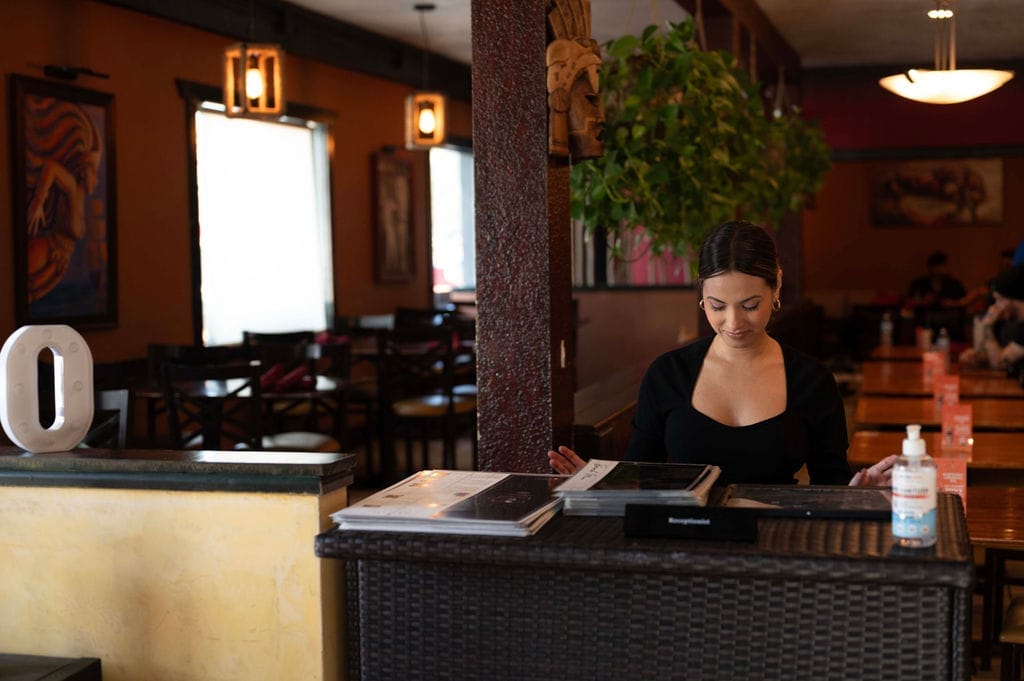
The Host as the Embodiment of the Brand
A restaurant’s brand is not solely built on its menu or its décor; it is profoundly shaped by the initial and ongoing interactions guests have with its staff. The host stands at the forefront of this interaction, serving as the first human touchpoint and setting the tone for the entire dining experience. Their demeanor, professionalism, and attentiveness directly translate into how the restaurant is perceived, influencing customer loyalty and word-of-mouth marketing.
Crafting the Initial Brand Impression
The moment a guest arrives, the host becomes the embodiment of the restaurant’s brand promise. Whether the brand is casual and friendly, upscale and sophisticated, or trendy and energetic, the host’s appearance, greeting, and immediate actions must align. A warm, genuine smile, direct eye contact, and a confident, clear greeting instantly communicate professionalism and attentiveness. Conversely, a disengaged or rushed host can create a negative first impression that is difficult to overcome, potentially deterring guests before they even experience the food or ambiance.
The host’s vocabulary and communication style are also crucial brand elements. Using phrases that reflect the restaurant’s identity – for example, “Welcome to [Restaurant Name], we’re delighted to have you,” for an upscale establishment, or “Hey there! Come on in!” for a more relaxed setting – helps to immediately immerse guests in the intended atmosphere. This initial interaction is an unspoken advertisement, conveying the restaurant’s values and the caliber of service to expect.
Aligning with Restaurant Identity and Marketing
Beyond the immediate greeting, the host’s role extends to reinforcing the restaurant’s brand identity throughout the guest’s arrival and seating. This involves understanding the restaurant’s story, its unique selling propositions, and its overall marketing message. For instance, if a restaurant promotes itself as family-friendly, the host should be adept at welcoming children, offering high chairs, and guiding families to appropriate seating. If the brand emphasizes speed and efficiency for lunch patrons, the host must manage the waitlist and seating with precision.
The host acts as a living advertisement for the brand. Their knowledge of the menu, daily specials, and any ongoing promotions allows them to proactively inform guests, enhancing their experience and potentially driving sales of higher-margin items. This is not about aggressive upselling, but about offering helpful suggestions that align with the brand’s offerings and the guest’s likely interests. For example, a host at an Italian restaurant might mention a new seasonal pasta dish, subtly reinforcing the brand’s commitment to fresh, seasonal ingredients.
Managing Guest Expectations and Brand Promises
A significant aspect of the host’s brand contribution lies in managing guest expectations. This is particularly evident in handling wait times. Transparent and polite communication about expected wait times, coupled with offering alternative solutions like waiting at the bar or providing a pager, demonstrates respect for the guest’s time and builds trust. When a restaurant consistently delivers on its promised wait times or provides a pleasant waiting experience, it reinforces its brand as reliable and guest-centric.
Furthermore, the host is often the first point of contact for special requests or dietary needs. Their ability to listen, empathetically respond, and effectively communicate these needs to the kitchen and service staff is critical. A positive resolution to such requests solidifies the brand’s commitment to hospitality and guest satisfaction, turning potential issues into opportunities to showcase exceptional service. This proactive approach prevents negative reviews and fosters a positive brand reputation.
Orchestrating the Dining Experience: Efficiency and Flow
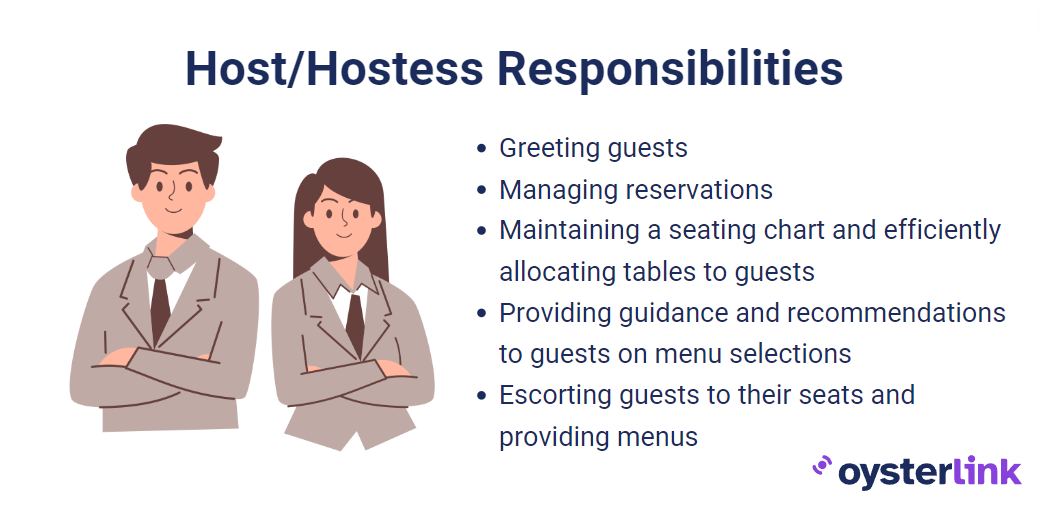
The host’s role extends far beyond initial greetings; they are the conductors of the restaurant’s operational orchestra, ensuring a smooth and efficient flow of guests from arrival to departure. This involves meticulous planning, effective communication, and a keen understanding of table management, all of which directly contribute to the restaurant’s overall profitability and guest satisfaction.
Mastering Table Management and Seating Strategies
At the heart of the host’s operational responsibilities lies table management. This is a delicate balancing act, requiring the host to maximize seating capacity while ensuring a positive guest experience and maintaining the restaurant’s desired pace. Effective table management involves:
- Understanding Seating Dynamics: Recognizing the optimal seating for different party sizes – a table for two versus a table for six – and strategically assigning them to minimize wait times and maximize turnover. This involves having a clear mental map of the dining room and the table configurations.
- Prioritizing Reservations and Walk-ins: Balancing booked reservations with the unpredictable nature of walk-in guests. This requires a robust reservation system and the ability to adjust on the fly.
- Optimizing Table Turnover: While not rushing guests, the host plays a role in ensuring tables are cleared and reset efficiently. This involves subtle communication with servers and bussers to signal when a table is ready for new patrons.
- Seating Preferences and Accommodations: Addressing guest requests for specific seating (e.g., by a window, in a quieter corner) whenever possible, without compromising the overall flow. This often involves creative table assignments and a deep understanding of the restaurant’s layout.
Navigating the Reservation System and Waitlist Management
Modern restaurants rely heavily on sophisticated reservation systems, and the host is often the primary operator of these tools. Proficiency in using these systems is crucial for accurately taking reservations, managing waitlists, and tracking guest flow.
- Accurate Data Entry: Ensuring all reservation details – party size, time, special requests, contact information – are entered correctly is paramount. Errors can lead to overbooking, understaffing, or missed opportunities.
- Real-time Updates: The ability to update table availability and guest status in real-time is essential for seamless communication between the host stand and the servers. This ensures servers are aware of incoming parties and can prepare accordingly.
- Effective Waitlist Communication: When the restaurant is at capacity, the host manages the waitlist. This involves providing accurate estimated wait times, offering alternatives like the bar or takeout, and notifying guests promptly when their table is ready. This proactive communication minimizes guest frustration and maintains a positive perception.
- Utilizing Technology for Efficiency: Many restaurants now employ digital waitlist management systems and online reservation platforms. The host’s ability to effectively use these technological tools can significantly streamline operations, reduce errors, and improve the guest experience.

Communicating Effectively with the Front and Back of House
The host acts as a critical communication hub, bridging the gap between the dining room and the kitchen. This seamless flow of information is vital for a well-functioning restaurant.
- Relaying Guest Needs: The host must effectively communicate any special requests, dietary restrictions, or allergies noted during the reservation or greeting to the server and, if necessary, directly to the kitchen.
- Informing Servers of Arrivals: Alerting servers to incoming parties allows them to prepare for their tables, ensuring a prompt and attentive start to the guest’s dining experience.
- Monitoring Kitchen Pace: While not their primary responsibility, a good host can often sense the pace of the kitchen and adjust seating accordingly. If the kitchen is backed up, seating new parties too quickly can lead to longer wait times for food and increased guest dissatisfaction.
- Collaborating with Management: The host often works closely with the restaurant manager or maître d’ to address staffing needs, resolve guest issues, and optimize service flow. This collaborative approach ensures that the entire front-of-house team is working in sync.
By masterfully orchestrating these elements, the host not only ensures operational efficiency but also contributes significantly to the restaurant’s brand image by creating a smooth, enjoyable, and memorable dining experience. This operational excellence is a direct driver of customer satisfaction and repeat business, underpinning the restaurant’s financial viability.
aViewFromTheCave is a participant in the Amazon Services LLC Associates Program, an affiliate advertising program designed to provide a means for sites to earn advertising fees by advertising and linking to Amazon.com. Amazon, the Amazon logo, AmazonSupply, and the AmazonSupply logo are trademarks of Amazon.com, Inc. or its affiliates. As an Amazon Associate we earn affiliate commissions from qualifying purchases.