
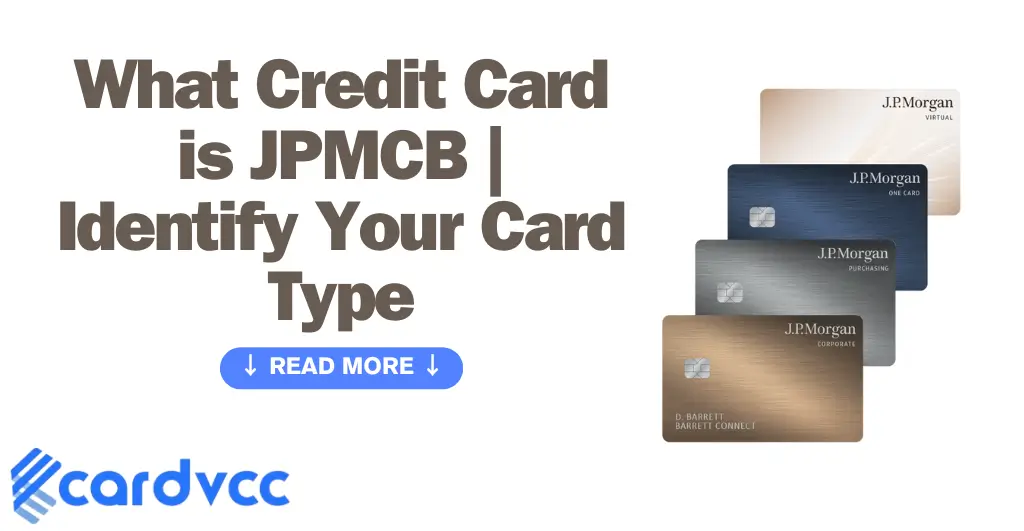
For many individuals and businesses navigating the complex world of credit, an unfamiliar acronym on a financial statement or a card agreement can spark confusion and uncertainty. The inquiry “what credit card company is JPMCB card?” is a common one, reflecting a desire to understand the issuer behind a specific financial product. The simple, yet profound, answer is that JPMCB stands for JPMorgan Chase Bank, N.A., which is a key subsidiary of the global financial services behemoth, JPMorgan Chase & Co.
JPMorgan Chase & Co. is not just any bank; it is one of the oldest and most prominent financial institutions in the world, tracing its roots back over 200 years. As a leading global financial services firm, it offers a vast array of solutions, from consumer banking and credit cards to investment banking, asset management, and commercial banking. When you encounter “JPMCB card,” you are almost certainly dealing with a credit card issued by JPMorgan Chase Bank, N.A., under one of its many popular brands, most notably “Chase.” Understanding this connection is crucial for cardholders, as it illuminates the institution governing their credit terms, rewards programs, customer service, and overall financial relationship. This article will delve into the significance of JPMorgan Chase as a credit card issuer, explore its extensive product offerings, and provide insights into managing a financial relationship with such a dominant player in the financial landscape.

Decoding JPMCB: JPMorgan Chase & Co.’s Financial Empire
The journey to understanding the “JPMCB card” begins with a closer look at the entity it represents: JPMorgan Chase & Co. This institution is more than just a bank; it’s an economic force, playing a pivotal role in the global financial system. Its history is a rich tapestry of mergers and acquisitions, bringing together some of America’s most venerable financial names.
The Origins and Scale of JPMorgan Chase
JPMorgan Chase & Co. is the largest bank in the United States by assets and one of the largest in the world. Its lineage includes iconic names such as J.P. Morgan & Co., Chase Manhattan Bank, Bank One, and Bear Stearns. This long history of growth and consolidation has allowed it to build an unparalleled infrastructure and market presence across virtually every segment of finance. Headquartered in New York City, its operations span more than 100 countries, serving millions of consumers, small businesses, corporate and institutional clients, and governments.
The sheer scale of JPMorgan Chase means it influences everything from the stability of global markets to the daily financial lives of ordinary people. Its vast resources enable it to invest heavily in technology, security, and customer service, all of which directly impact the quality and reliability of the credit cards it issues. For a credit card holder, being associated with JPMCB means being connected to a financially robust and globally recognized institution. This background provides a layer of security and trust, as well as access to a wide array of sophisticated financial tools and services that smaller issuers might not be able to offer.
The Role of JPMorgan Chase Bank, N.A. in Card Issuance
While JPMorgan Chase & Co. is the parent corporation, JPMorgan Chase Bank, N.A. (National Association) is the specific legal entity responsible for issuing the vast majority of its credit cards, as well as holding deposits and extending loans. The “N.A.” designation indicates that it is a national bank chartered by the Office of the Comptroller of the Currency (OCC), making it subject to federal supervision and regulations.
This distinction is important because it is JPMorgan Chase Bank, N.A. that directly enters into contracts with cardholders, manages the credit accounts, processes transactions, and handles customer service for cards bearing the “Chase” brand. When you apply for a Chase credit card, make a payment, or dispute a charge, you are interacting with JPMorgan Chase Bank, N.A. Understanding this relationship helps clarify the legal and operational framework behind your credit card and where your financial liabilities and rights originate. The bank’s massive infrastructure and regulatory compliance ensure that card operations run smoothly, securely, and in accordance with consumer protection laws.
Navigating the JPMorgan Chase Credit Card Landscape
JPMorgan Chase Bank, N.A. operates under the highly recognizable “Chase” brand for its consumer and small business credit card offerings. Chase is renowned for having one of the most comprehensive and competitive credit card portfolios in the industry, catering to a broad spectrum of financial needs and spending habits.
A Diverse Portfolio for Every Financial Need
Chase’s credit card offerings are meticulously segmented to attract various types of consumers and businesses, from those seeking straightforward cash back to avid travelers looking for premium rewards.
- Consumer Cards: This category includes popular products like the Chase Freedom family (e.g., Freedom Unlimited, Freedom Flex) known for their strong cash back rewards, and the Chase Sapphire family (e.g., Sapphire Preferred, Sapphire Reserve) which are highly favored by travelers due to their generous points, travel benefits, and redemption flexibility. Other niche cards exist for specific brand loyalties or financial goals.
- Business Cards: For entrepreneurs and small to medium-sized businesses, Chase offers a robust suite of business credit cards, such as the Ink Business Preferred, Ink Business Unlimited, and Ink Business Cash cards. These cards provide tailored rewards structures, spending limits, and financial management tools designed to support business operations and growth.
- Premium and Co-branded Cards: Chase also partners with numerous airlines, hotel chains, and retailers to offer co-branded cards that provide industry-specific rewards and perks. Examples include cards with United Airlines, Southwest Airlines, Marriott, and Hyatt, allowing cardholders to earn loyalty points directly with their favorite brands while benefiting from Chase’s robust card services. This diversity ensures that whether a customer prioritizes travel, cash back, balance transfers, or building business credit, there is likely a JPMCB-issued card designed to meet their specific objectives.
Key Features and Benefits of Chase Cards
The appeal of Chase cards extends beyond their diverse categories, primarily driven by their compelling features and benefits.
- Rewards Programs: Chase Ultimate Rewards is consistently ranked as one of the most valuable and flexible rewards programs in the industry. Points earned on many Chase cards can be redeemed for cash back, travel (often with enhanced value through the Chase travel portal or transfer partners), gift cards, or merchandise.
- Travel Benefits: Many premium Chase cards offer extensive travel protections, including trip cancellation/interruption insurance, primary auto rental collision damage waiver, baggage delay insurance, and lost luggage reimbursement. The Sapphire Reserve, for example, includes airport lounge access and an annual travel credit.
- Cash Back: For those who prefer simplicity, Chase’s cash back cards provide straightforward earnings on everyday purchases, often with rotating bonus categories or flat-rate rewards across all spending.
- Sign-Up Bonuses: Chase is famous for its attractive sign-up bonuses, which can offer substantial value to new cardholders who meet initial spending requirements.
- APR and Fees: While specific APRs and fees vary by card, Chase generally offers competitive rates for well-qualified applicants. Understanding the annual fee (if any), foreign transaction fees, and penalty APRs is crucial for effective card management. These features are meticulously designed to provide significant value to cardholders, encouraging loyalty and repeat usage, while also generating revenue for the bank through interchange fees and interest on balances carried.
Understanding the Application Process and Creditworthiness
Applying for a JPMCB card typically involves a rigorous evaluation of an applicant’s creditworthiness. Chase is known for seeking applicants with good to excellent credit scores, generally FICO scores of 670 or higher, especially for its premium offerings.
The application process usually requires detailed personal and financial information, including income, employment status, and existing debts. Chase also considers its “5/24 rule,” an unofficial policy that often declines applicants who have opened five or more personal credit cards from any issuer (not just Chase) within the past 24 months. This rule primarily aims to deter individuals from “churning” credit cards solely for their sign-up bonuses. Understanding these criteria is essential before applying, as it helps manage expectations and improves the chances of approval for a desired JPMCB card. A strong credit profile, consistent income, and a history of responsible credit management are key to unlocking the benefits of Chase’s extensive card portfolio.
Beyond the Card: The Broader Financial Services of JPMCB
While credit cards represent a significant aspect of JPMorgan Chase Bank, N.A.’s consumer offerings, they are merely one facet of the much larger financial ecosystem that is JPMorgan Chase & Co. This extensive range of services caters to a wide array of financial needs for individuals, families, businesses, and institutions.
Banking Services: Checking, Savings, and Lending
At its core, JPMCB is a full-service commercial bank. For consumers, this translates into a comprehensive suite of banking products. Chase offers various checking accounts, from basic options to premium accounts with advanced features, designed to manage daily transactions. Its savings accounts and money market accounts provide avenues for growth and emergency funds, often integrated with online and mobile banking tools for seamless management. Beyond deposits, JPMCB is a major provider of lending products including mortgages for home purchases and refinancing, auto loans for vehicle financing, and personal loans for various needs. These services are often interconnected, allowing Chase customers to manage multiple financial products under one roof, leveraging the bank’s extensive branch network and digital platforms.
Investment and Wealth Management
For those looking to grow their assets or plan for the future, JPMorgan Chase offers robust investment and wealth management services. Through J.P. Morgan Asset Management and Chase Wealth Management, clients have access to a broad spectrum of investment solutions. These include brokerage services for self-directed investors, managed portfolios for those seeking professional guidance, and comprehensive wealth planning for high-net-worth individuals and families. The institution’s expertise spans equities, fixed income, alternative investments, and retirement planning, drawing on deep market research and analytical capabilities. This vertical integration means that a credit card customer could also be an investment client, benefiting from a holistic approach to their financial well-being, guided by the same parent company.
Business and Commercial Banking Solutions
JPMorgan Chase’s commitment extends significantly to the business sector. Its Business Banking division caters to small and medium-sized businesses, offering checking accounts, credit lines, payment processing solutions, and tailored lending products to support growth and operations. For larger corporations and institutions, Commercial Banking provides more sophisticated services, including treasury services, corporate lending, trade finance, and international banking solutions. These services are critical for the economic engine, facilitating everything from payroll processing for a local restaurant to complex international transactions for multinational corporations. The ability to bank, borrow, and process payments with the same financial institution that issues their business credit card offers a streamlined and integrated financial management experience for business owners, fostering efficiency and strong financial relationships.
Strategic Considerations for Cardholders and Businesses
Engaging with a financial giant like JPMorgan Chase requires strategic thinking, whether you’re a consumer managing personal finances or a business owner optimizing operations. Understanding how to leverage JPMCB’s offerings and manage your relationship effectively can lead to significant financial advantages.
Maximizing Value: Choosing the Right Chase Card
The first strategic consideration is selecting the appropriate JPMCB card for your specific needs. With such a diverse portfolio, a mismatch can lead to missed opportunities for rewards or unnecessary fees.
- Analyze Spending Habits: Before applying, meticulously review your spending patterns. Are you a frequent traveler? Do you spend heavily on groceries or gas? Do you have significant business expenses? Choose a card whose bonus categories align with your highest spending areas.
- Evaluate Rewards Goals: Do you prefer cash back for simplicity, or are you aiming for aspirational travel using transferable points? Understand the value and flexibility of Chase Ultimate Rewards points and how they align with your redemption preferences.
- Consider Annual Fees: Premium cards often come with annual fees. Calculate if the benefits (travel credits, lounge access, enhanced earning rates) outweigh the cost based on your usage. For businesses, the ability to separate personal and business expenses and earn rewards on operational spending can be a significant advantage, helping manage cash flow and track expenditures more efficiently.
Managing Your Credit: Best Practices with JPMCB Cards
Responsible credit management is paramount, especially with powerful tools like JPMCB cards. Mismanagement can lead to high-interest debt and damage your credit score.
- Pay on Time, Every Time: Always pay your statement balance in full by the due date to avoid interest charges and late fees, and to maintain a positive payment history, which is the most critical factor in your credit score.
- Monitor Your Credit Utilization: Keep your credit utilization ratio (the amount of credit you’re using compared to your total available credit) low, ideally below 30%, to protect your credit score.
- Understand Terms and Conditions: Read the fine print, including interest rates, fees, and any changes to the cardholder agreement. JPMCB provides detailed disclosures that are crucial for informed decision-making.
- Utilize Online Tools: Leverage Chase’s robust online banking and mobile app for tracking spending, setting up alerts, managing payments, and monitoring your credit score, often available through services like Credit Journey. These practices not only keep your finances healthy but also build a strong relationship with JPMCB, potentially leading to higher credit limits or better offers in the future.

The Competitive Edge: How Chase Stands Out in the Market
JPMorgan Chase maintains its competitive edge through several key differentiators that influence cardholders’ loyalty and choice.
- Brand Reputation and Trust: As a centuries-old institution, Chase carries a significant level of trust and brand recognition, reassuring customers about the security and reliability of their financial products.
- Innovative Technology: Chase consistently invests in digital innovation, offering state-of-the-art mobile banking apps, secure payment solutions (like Chase Pay and integration with digital wallets), and advanced fraud protection technologies.
- Customer Service: While experiences can vary, Chase generally strives to provide high-quality customer service, with multiple channels for support, including phone, secure messaging, and in-branch assistance.
- Ecosystem Advantage: The ability to manage checking, savings, investments, mortgages, and multiple credit cards all within the Chase ecosystem provides immense convenience and often synergistic benefits for customers. This comprehensive approach allows JPMCB to not only attract but also retain customers by offering a holistic financial experience, making it a formidable player in the competitive credit card market.
In conclusion, understanding that “JPMCB card” refers to a credit card issued by JPMorgan Chase Bank, N.A. is the first step towards a more informed financial journey. This knowledge unlocks a deeper appreciation for the institution’s vast capabilities, its diverse product offerings, and the strategic considerations involved in managing a financial relationship with one of the world’s leading banks. For consumers and businesses alike, leveraging the power of a JPMCB card strategically can lead to enhanced rewards, valuable benefits, and a more robust approach to personal and business finance.
aViewFromTheCave is a participant in the Amazon Services LLC Associates Program, an affiliate advertising program designed to provide a means for sites to earn advertising fees by advertising and linking to Amazon.com. Amazon, the Amazon logo, AmazonSupply, and the AmazonSupply logo are trademarks of Amazon.com, Inc. or its affiliates. As an Amazon Associate we earn affiliate commissions from qualifying purchases.