
The alphanumeric code stamped on the sidewall of your tires might seem like a cryptic secret message, a jumble of numbers and letters with no obvious meaning. However, within that code lies vital information about your tire’s capabilities, specifically its load-carrying capacity and maximum speed rating. Understanding these ratings is not merely a matter of curiosity; it’s a critical aspect of Tech related to automotive safety and performance. These numbers dictate how much weight a tire can safely support and at what speed it can operate without compromising its integrity. In the world of automotive Tech, where precision and safety are paramount, deciphering these tire markings is an essential skill for any vehicle owner.
The Significance of Tire Markings: More Than Just a Serial Number
Tire sidewall markings are a standardized system developed to provide consumers with key performance characteristics of a tire. This system is meticulously designed by organizations like the Tire and Rim Association in the United States and the European Tyre and Rim Technical Organisation (ETRTO) in Europe, ensuring consistency across different manufacturers and regions. The goal is to empower drivers with the knowledge to select tires that are not only compatible with their vehicle but also appropriate for their intended driving conditions.
Understanding the Anatomy of a Tire Sidewall
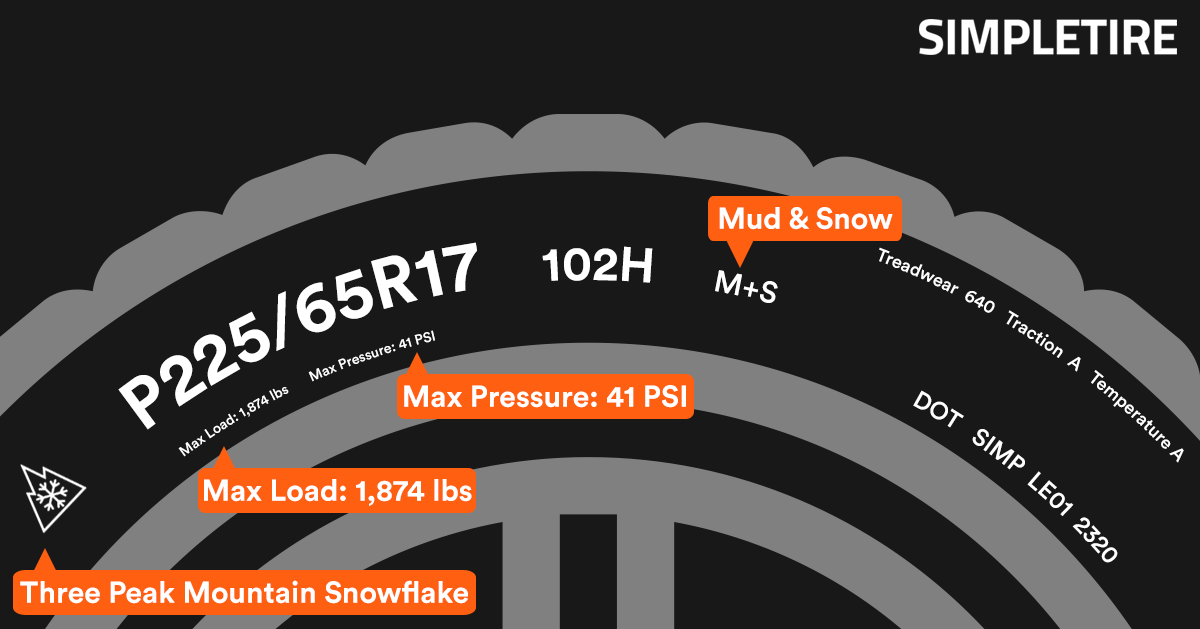
Before diving into specific codes like “102H,” it’s beneficial to understand the broader context of tire sidewall information. A typical tire sidewall displays a wealth of data, including:
- Brand and Model Name: The manufacturer and specific tire model (e.g., Michelin Primacy 4).
- Tire Size: This is arguably the most commonly recognized marking, often appearing as “P215/65R16.”
- P (or LT for Light Truck): Indicates the tire’s intended application.
- 215: The tire’s width in millimeters.
- 65: The aspect ratio, which is the tire’s sidewall height as a percentage of its width (65% of 215mm).
- R: Indicates radial construction.
- 16: The diameter of the wheel rim in inches.
- DOT Code: Department of Transportation code, indicating compliance with safety standards and often containing manufacturing date information.
- Treadwear, Traction, and Temperature Ratings: These are part of the Uniform Tire Quality Grading (UTQG) system and provide insights into the tire’s durability, grip, and heat resistance.
- Load Index and Speed Rating: These are the specific alphanumeric characters we will focus on, representing the tire’s load-carrying capacity and maximum safe speed.
The integration of these various technical specifications on the tire sidewall is a testament to the advanced engineering and manufacturing processes involved in modern tire production. It’s a sophisticated piece of Tech that directly impacts a vehicle’s safety, fuel efficiency, and driving dynamics.
Deconstructing the Load Index: How Much Can Your Tires Carry?
The load index is a numerical code that corresponds to the maximum weight that a single tire can safely support when properly inflated. It’s a crucial specification for ensuring that your vehicle is not overloaded, which can lead to tire failure, compromised handling, and increased braking distances.
The Numerical System of Load Indices
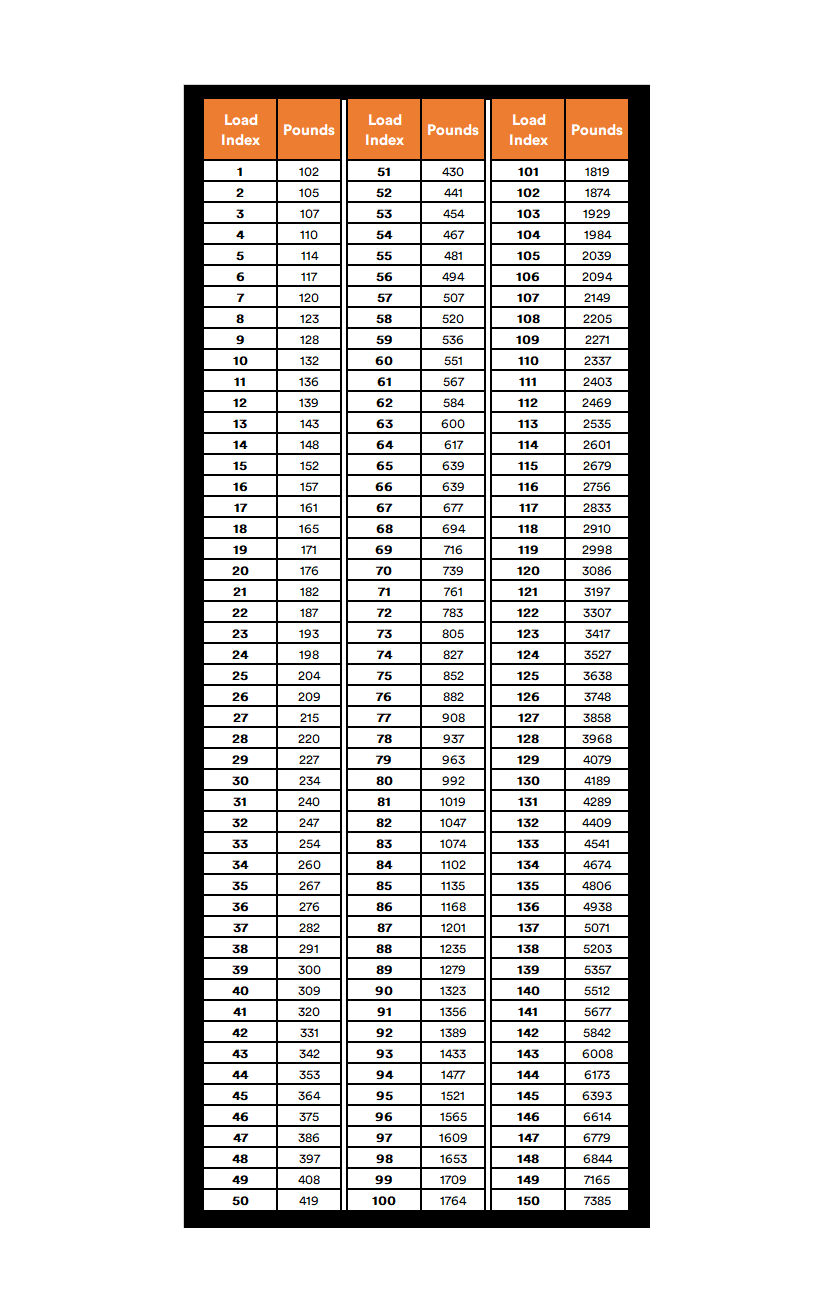
The load index is presented as a two or three-digit number, typically appearing before the speed rating. For instance, in “102H,” the “102” is the load index. Each number represents a specific weight capacity, with higher numbers indicating a greater load-carrying capability. This system is standardized internationally, allowing for easy cross-referencing and comparison between different tire brands.
Understanding the Load Index Table:
To interpret the load index, one must consult a standardized load index table. These tables are readily available from tire manufacturers, automotive associations, and online resources.
Let’s take the example of “102”:
| Load Index | Load (kg) | Load (lbs) |
|---|---|---|
| 100 | 800 | 1764 |
| 101 | 825 | 1819 |
| 102 | 850 | 1874 |
| 103 | 875 | 1929 |
| 104 | 900 | 1984 |
Therefore, a tire with a load index of “102” can safely support a maximum of 850 kilograms (or 1874 pounds) per tire.
Why Load Index Matters for Vehicle Safety
The load index is directly tied to the tire’s construction, including the number of plies, the material used in the carcass, and the overall structural integrity. Exceeding the load index can lead to several dangerous situations:
- Overheating: When a tire is overloaded, its internal friction increases, generating excessive heat. This can weaken the tire’s structure, leading to a blowout.
- Tire Deformation: An overloaded tire will deform more significantly under load, affecting its contact patch with the road. This can result in reduced traction, poor handling, and uneven wear.
- Increased Braking Distance: With compromised tire performance, the vehicle’s ability to stop effectively is diminished, posing a significant safety risk.
- Suspension Strain: Overloading the vehicle, and thus the tires, places undue stress on the suspension system, potentially leading to premature wear and damage.
It is imperative to match or exceed the original equipment manufacturer’s (OEM) recommended load index for your vehicle. This information can usually be found on a sticker in the driver’s side doorjamb, in the owner’s manual, or sometimes on the fuel filler door.
Decoding the Speed Rating: How Fast Can Your Tires Safely Go?
The speed rating, represented by a letter in the code, indicates the maximum speed at which a tire can safely operate when carrying its maximum load. Just like the load index, the speed rating is a critical component of tire performance and safety.
The Alphabetical System of Speed Ratings
Speed ratings are represented by letters from A to Z. Each letter corresponds to a specific maximum speed. Tires with higher letters in the alphabet have higher speed ratings. The most common speed ratings for passenger cars range from S to Y.
Let’s examine the “H” in “102H”:
| Speed Rating | Speed (km/h) | Speed (mph) |
|---|---|---|
| S | 180 | 112 |
| T | 190 | 118 |
| U | 200 | 124 |
| H | 210 | 130 |
| V | 240 | 149 |
| W | 270 | 168 |
| Y | 300 | 186 |
Therefore, a tire with a speed rating of “H” is designed to safely operate at speeds up to 210 kilometers per hour (130 miles per hour).
The Importance of Matching Speed Ratings
While it might seem unlikely that most drivers will consistently drive at speeds approaching the maximum rating of their tires, it’s still a crucial Tech specification for several reasons:
- Tire Construction: Higher speed ratings generally indicate a tire with a more robust construction, capable of withstanding the centrifugal forces and heat generated at higher speeds. This often involves stronger internal components and specialized rubber compounds.
- Handling and Stability: Tires with higher speed ratings are often engineered for better handling and stability, even at lower speeds. They tend to have stiffer sidewalls, which contribute to more precise steering response.
- Safety Under Extreme Conditions: In emergency situations where rapid acceleration or deceleration might be necessary, a tire with an appropriate speed rating can significantly contribute to vehicle control and safety.
- Vehicle Manufacturer Recommendations: Like the load index, the speed rating is often specified by the vehicle manufacturer to match the performance characteristics of the car. Using tires with a lower speed rating than recommended can compromise the vehicle’s designed handling and safety.
It’s important to note that if you are replacing tires, you should always choose tires with a speed rating equal to or higher than the original equipment. However, using a significantly higher speed-rated tire than originally specified will not necessarily improve performance and may lead to a harsher ride due to stiffer sidewalls.
The Interplay of Load Index and Speed Rating: A Holistic Approach to Tire Performance
The load index and speed rating are not independent entities; they work in tandem to define a tire’s ultimate performance envelope. A tire’s ability to carry its maximum load is often contingent on operating at or below its specified speed rating, and vice-versa.
Understanding Load Capacity at Different Speeds
It’s a common misconception that a tire’s load capacity remains constant regardless of speed. In reality, as speed increases, the tire’s ability to carry its maximum load can decrease due to increased heat buildup and centrifugal forces. Tire manufacturers design their products with these interdependencies in mind, and the provided load index and speed rating represent the maximum safe operational limits under combined conditions.

Selecting the Right Tires for Your Vehicle and Driving Habits
When it comes to selecting tires, the “102H” marking is a critical piece of information. It tells you that this particular tire can safely support 850 kg (1874 lbs) per tire and is designed for speeds up to 210 km/h (130 mph).
When making a purchasing decision, consider the following:
- Vehicle’s Gross Vehicle Weight Rating (GVWR): This is the maximum operating weight of the vehicle as specified by the manufacturer, including the weight of the vehicle itself, all occupants, and all cargo. Divide the GVWR by four to get an approximation of the minimum load-carrying capacity required per tire. Always aim for a load index that meets or exceeds this requirement.
- Typical Driving Conditions: If you frequently drive at high speeds or in demanding conditions, opting for tires with higher speed ratings can be beneficial. However, for everyday driving, adhering to the manufacturer’s recommendations is usually sufficient.
- Tire Condition Monitoring: Regularly checking tire pressure and inspecting tires for wear and damage is crucial, regardless of their load and speed ratings. Proper maintenance ensures that tires perform as intended and reach their full lifespan.
In the realm of automotive Tech, tire markings like “102H” are not just identifiers; they are sophisticated indicators of a tire’s engineering prowess and safety features. By understanding these markings, you gain a deeper appreciation for the technology that keeps you safely connected to the road. Ignoring these details can have significant consequences, underscoring the importance of informed tire selection and maintenance for every driver.
aViewFromTheCave is a participant in the Amazon Services LLC Associates Program, an affiliate advertising program designed to provide a means for sites to earn advertising fees by advertising and linking to Amazon.com. Amazon, the Amazon logo, AmazonSupply, and the AmazonSupply logo are trademarks of Amazon.com, Inc. or its affiliates. As an Amazon Associate we earn affiliate commissions from qualifying purchases.