
The question of what to wear to a visitation can evoke a sense of unease and uncertainty. It’s a situation where expressing respect and empathy for the bereaved is paramount, and attire plays a subtle yet significant role in conveying those sentiments. While fashion trends and personal style often take center stage in our daily lives, the context of a visitation calls for a shift in focus. It’s less about making a fashion statement and more about embodying a somber, respectful, and supportive presence. This article will delve into the considerations for selecting appropriate attire for a visitation, ensuring your outward presentation aligns with the solemnity of the occasion. We’ll explore the underlying principles that guide these choices, offer practical advice for different scenarios, and touch upon the psychological impact of your clothing in such a sensitive environment.
The Principles of Respectful Visitation Attire
At its core, dressing for a visitation is an exercise in demonstrating respect – respect for the deceased, their family, and the gravity of the situation. This principle translates into several key considerations that inform clothing choices.
Subtlety and Modesty
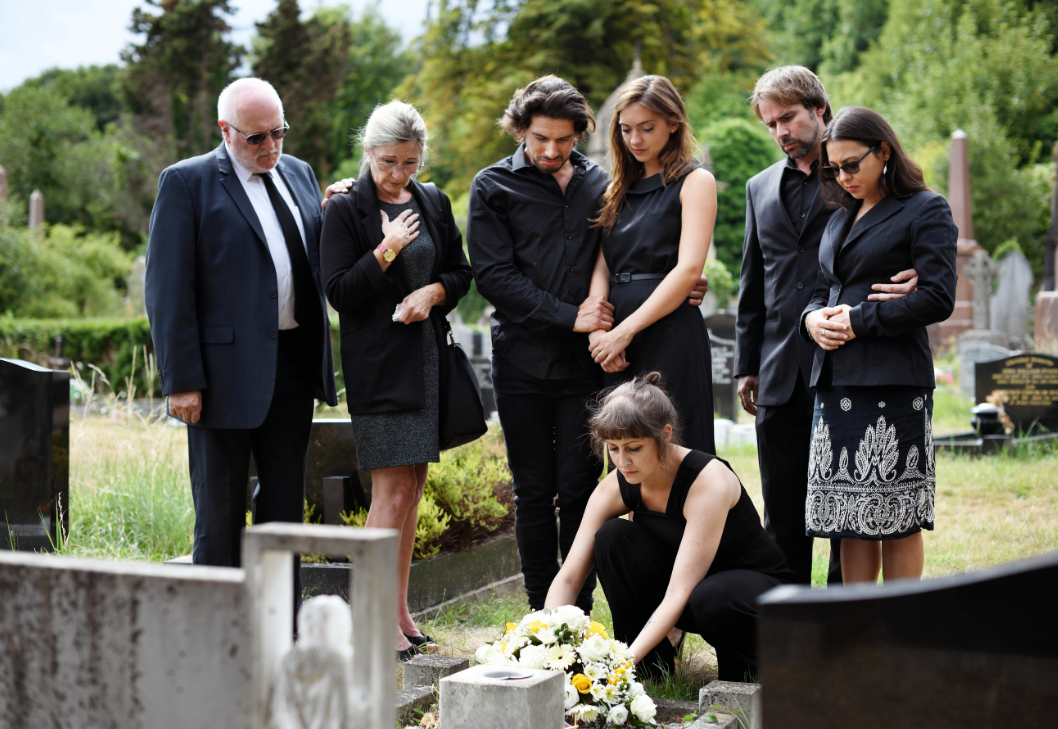
The most fundamental principle is to avoid drawing undue attention to yourself. Your presence should be a source of comfort, not a distraction. This means opting for clothing that is understated and modest in design, color, and fit. Loud patterns, bright colors, revealing cuts, or excessive ornamentation are generally considered inappropriate. The focus should be on offering support, not on showcasing personal style.
- Color Palette: Dark, muted colors are the traditional and most universally accepted choice. Black, navy blue, charcoal gray, deep brown, and forest green are excellent options. These colors convey a sense of seriousness and respect for the mourning process. White or very light pastel colors can sometimes be perceived as too celebratory or attention-grabbing, though exceptions may exist depending on cultural norms or specific family requests.
- Fit and Silhouette: Clothing should be well-fitting but not overly tight or revealing. A conservative silhouette that allows for ease of movement and comfort is ideal. Avoid anything that is too short, too low-cut, or exposes too much skin. Think classic and tailored rather than trendy or form-fitting.
- Fabric and Texture: Opt for fabrics that are generally considered formal or semi-formal and have a smooth, non-flashy texture. Wool, crepe, good quality cotton, and linen (in appropriate colors and styles) are suitable. Avoid fabrics that are excessively shiny, sheer, or have distracting embellishments like sequins or excessive lace.
Comfort and Practicality
While respect is paramount, it’s also important to be comfortable. Visitations can sometimes involve standing for extended periods, sitting in chairs, or even offering hugs and condolences. Your attire should not hinder your ability to engage with the grieving family or participate in the proceedings.
- Ease of Movement: Choose clothing that allows you to move freely without feeling restricted. If you anticipate needing to offer physical comfort, ensure your sleeves are not too tight and your hemline is appropriate.
- Temperature Considerations: Be mindful of the venue and potential temperature fluctuations. Dressing in layers can be a wise strategy, allowing you to adjust your comfort level without compromising your respectful appearance. For instance, a suit jacket or a cardigan can be easily removed if the room becomes warm.
- Footwear: Comfortable and closed-toe shoes are generally recommended. Avoid stilettos, flip-flops, or overly casual sneakers. Dress shoes, loafers, or modest heels are appropriate. Ensure your shoes are clean and well-maintained.
Understanding the Nuances of the Occasion
While general principles apply, the specific context of a visitation can influence your attire. Different cultures, religious affiliations, and even the personality of the deceased can subtly shape expectations.
- Religious and Cultural Considerations: Some religious or cultural traditions have specific dress codes for mourning periods. If you are attending a visitation for someone from a background unfamiliar to you, it’s always a good idea to discreetly inquire about any specific customs. For example, in some cultures, white is worn for mourning.
- Family Preferences: In some cases, the grieving family may communicate specific dress code requests, perhaps for a memorial service or a celebration of life that incorporates visitation elements. They might opt for brighter colors or ask attendees to wear a particular hue to honor the deceased’s memory. Always pay attention to any communication from the family.
- The Relationship to the Deceased: While not a hard and fast rule, your relationship to the deceased and their family might subtly influence your choices. For very close friends or family members, a slightly more personal touch might be appropriate within the bounds of respectful attire, but this is a delicate balance and should err on the side of conservatism.
Practical Guidance for Different Attire Categories
Navigating the specifics of what to wear can be broken down into key clothing items and accessories, ensuring a polished and respectful presentation.
Men’s Attire
For men, the traditional approach to visitation attire leans towards a suit or smart separates, emphasizing a formal and respectful demeanor.
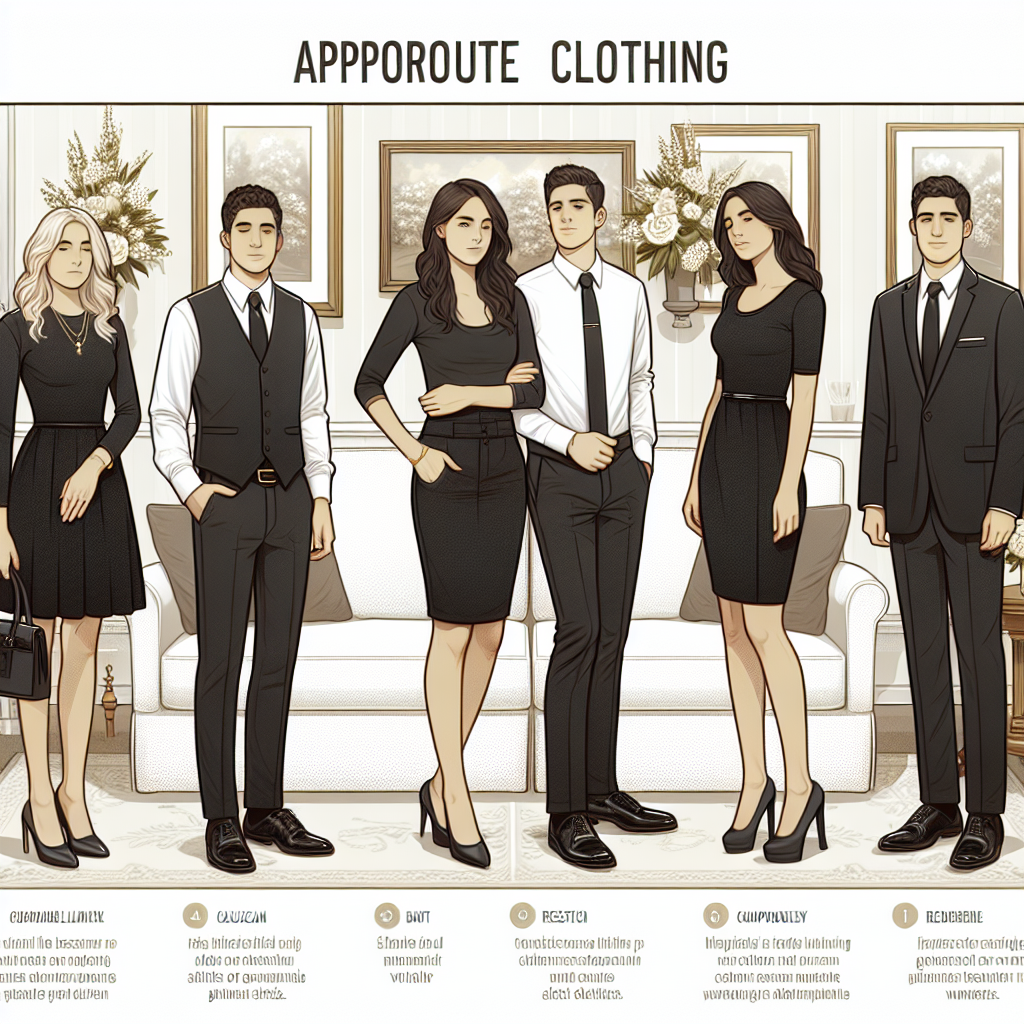
- Suit: A dark-colored suit (black, charcoal gray, navy blue) is the most appropriate choice. It conveys a sense of formality and respect. Ensure the suit is clean, well-pressed, and fits properly.
- Shirt: A plain, light-colored dress shirt (white, light blue, or a very subtle stripe) is ideal. Avoid bright colors or bold patterns.
- Tie: A conservative tie in a dark, solid color or a subtle pattern is suitable. Avoid novelty ties or overly bright colors.
- Pants: If a full suit is not worn, dark dress pants are a good alternative, paired with a dress shirt and a blazer or sport coat.
- Shoes: Polished dress shoes (black or dark brown) are essential. Loafers or oxfords are appropriate.
- Accessories: Keep accessories to a minimum. A simple watch is acceptable. Avoid flashy jewelry or sunglasses indoors.
Women’s Attire
Women have a slightly broader range of options, but the guiding principles of modesty, subtlety, and respect remain the same.
- Dresses and Skirts: A knee-length or midi-length dress or skirt in a dark, muted color is a classic choice. A-line styles, sheath dresses, or simple wrap dresses are often suitable. Ensure the neckline is conservative and the hemline is appropriate.
- Pantsuits and Separates: A well-tailored pantsuit in a dark color is a sophisticated and appropriate option. Alternatively, dark dress pants paired with a conservative blouse or a dark knit top can also work.
- Blouses and Tops: Choose blouses or tops in solid, dark colors or with subtle patterns. Avoid sheer fabrics or low necklines. A simple shell or a long-sleeved blouse is generally a safe bet.
- Outerwear: A dark-colored blazer, cardigan, or a modest coat can be added for warmth and a polished finish.
- Shoes: Closed-toe shoes are generally preferred. Modest heels, dress flats, or loafers are appropriate. Ensure they are comfortable enough for standing.
- Hosiery: In many settings, wearing hosiery (pantyhose or tights) in a neutral shade is considered appropriate, especially with dresses or skirts.
- Accessories: Similar to men, keep accessories understated. Simple jewelry, such as a delicate necklace or earrings, is acceptable. A tasteful handbag in a dark color is practical.
Considerations for Children
Dressing children for a visitation requires balancing the need for respect with the practicality of their age and activity level.
- Simple and Neat: The key is to ensure children are dressed neatly and simply. Avoid anything too flashy, loud, or revealing.
- Dark or Muted Colors: Opt for clothing in dark or muted colors that are similar to adult recommendations.
- Comfort is Key: Prioritize comfort so children can sit still and behave appropriately. Avoid anything that is itchy, tight, or constricting.
- Avoid Distractions: Games, toys, or clothing with cartoon characters or overly bright graphics can be distracting and are best avoided.
- Age Appropriateness: For very young children, simple, clean outfits in dark colors are sufficient. As they get older, a slightly more formal approach, such as a dress for girls or dress pants and a button-down shirt for boys, can be considered.
The Psychological Impact of Visitation Attire
Beyond the outward presentation, the clothing we choose for a visitation carries a subtle psychological weight. It can influence how we feel, how others perceive us, and contribute to the overall atmosphere of the event.
Conveying Empathy and Support
When you dress respectfully for a visitation, you are sending a clear message of empathy and support to the grieving family. Your attire signals that you understand the seriousness of the occasion and that you are present to offer comfort and solidarity. This shared sense of solemnity can create a unifying atmosphere, allowing the family to feel supported by their community.
- Shared Grief: Uniformity in dress, particularly in somber colors, can visually represent a shared sense of grief and collective mourning. It underscores that the loss is felt by many.
- Minimizing Distress: By avoiding any potentially jarring or attention-grabbing attire, you contribute to a peaceful and undisturbed environment for the bereaved. This allows them to focus on their emotions and memories without external distractions.
Projecting Seriousness and Respect
The act of dressing appropriately for a visitation is an outward manifestation of internal respect. It demonstrates that you take the event seriously and that you value the memory of the deceased and the feelings of their loved ones. This projection of respect can be particularly comforting to a family who may be feeling overwhelmed and vulnerable.
- Professionalism in a Personal Context: While not a business meeting, a visitation demands a certain level of decorum akin to professional settings where one aims to make a good impression through appropriate dress. Here, the “impression” is one of sincerity and honor.
- Cultural Norms and Expectations: Adhering to cultural and societal norms surrounding mourning attire reinforces the idea that you are participating in a meaningful ritual with established expectations of respect.

Personal Comfort and Emotional Regulation
Ironically, dressing in a way that aligns with the solemnity of the occasion can also contribute to personal comfort and emotional regulation. When you feel appropriately dressed, you can feel more confident and present, allowing you to focus on offering support rather than worrying about your appearance.
- Reducing Self-Consciousness: By following established dress guidelines, you can alleviate self-consciousness about your attire. This frees up mental energy to concentrate on the important task of being there for others.
- Creating a Sense of Grounding: Familiar and appropriate attire can provide a sense of grounding during a potentially chaotic and emotionally charged time. It offers a small measure of control and predictability in an otherwise unpredictable situation.
In conclusion, while the question “what do you wear to a visitation” might seem simple, it delves into a nuanced understanding of social etiquette, respect, and the subtle power of presentation. By adhering to principles of modesty, subtlety, and appropriateness, and by considering the practicalities and psychological impact of your choices, you can ensure your attire contributes positively to a somber occasion. Your clothing becomes a silent testament to your empathy, respect, and support for those navigating a profound loss.
aViewFromTheCave is a participant in the Amazon Services LLC Associates Program, an affiliate advertising program designed to provide a means for sites to earn advertising fees by advertising and linking to Amazon.com. Amazon, the Amazon logo, AmazonSupply, and the AmazonSupply logo are trademarks of Amazon.com, Inc. or its affiliates. As an Amazon Associate we earn affiliate commissions from qualifying purchases.