
In the landscape of personal finance, the relationship between a consumer and their banking institution is rarely static. Whether you are seeking higher interest rates at a digital-first neo-bank, moving to a credit union for more personalized service, or simply consolidating your holdings to streamline your financial life, knowing how to exit a banking relationship is just as important as knowing how to open one. Chase, as one of the largest financial institutions in the United States, offers a robust suite of tools, but their closure process requires a strategic approach to ensure no “financial loose ends” are left behind.
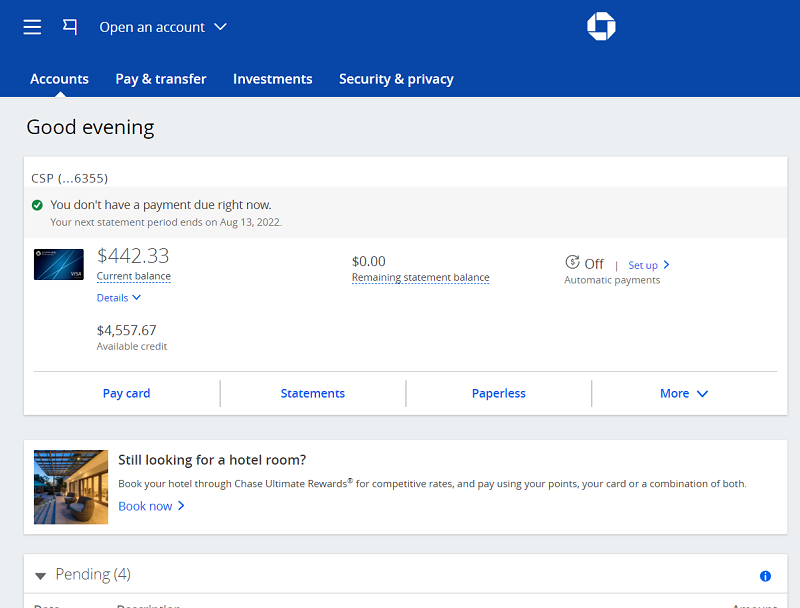
Closing a Chase account—be it a Total Checking, Premier Plus, or a basic Savings account—is more than just withdrawing your balance. It involves a series of logistical steps designed to protect your credit score, avoid unnecessary fees, and ensure a seamless transition to your next financial vehicle. This guide provides a professional deep dive into the “Money” niche, focusing on the tactical and strategic elements of closing your Chase account.
1. The Pre-Closure Audit: Preparing Your Personal Finances
Before you contact Chase to terminate your relationship, you must perform a thorough audit of your current financial activity. Closing an account prematurely or without preparation can lead to “zombie” transactions—automated payments that attempt to clear after the account is closed, leading to declined payments or even negative reports to ChexSystems.
Auditing Your Automated Payments and Direct Deposits
The modern financial life is built on automation. From monthly utility bills and streaming subscriptions to gym memberships and insurance premiums, your Chase account likely serves as a hub for dozens of outgoing transactions.
Begin by reviewing your last three to six months of bank statements. Identify every recurring ACH transfer and “Pull” payment. Once identified, you must manually move these payments to your new financial institution. Equally important is your direct deposit. Contact your employer’s payroll department to update your routing and account numbers. It typically takes one to two pay cycles for a change in direct deposit to take effect, so ensure your new account is fully active and funded before you initiate the Chase closure.
Managing Your Final Balance and Minimum Requirements
Chase accounts often carry monthly service fees that are waived only if you maintain a specific minimum daily balance or receive a certain amount in direct deposits. When you are in the process of moving money out, you risk dipping below these thresholds.
To avoid a final “parting fee,” it is often wise to leave a small buffer—perhaps $50 to $100—in the account until the very day you intend to close it. This ensures that even if a stray transaction hits the account, you remain above the fee threshold. Once you are ready to speak with a representative, you can have them issue the final balance via a cashier’s check or an internal transfer.
Securing Historical Data and Tax Documents
Once an account is closed, your access to the Chase online portal may be restricted or terminated entirely. From a financial management perspective, losing access to your transaction history is a significant risk.
Before initiating the closure, download the last two years of PDF statements. This is crucial for tax purposes, especially if you have deductible expenses or business income flowing through the account. Additionally, if you have a Chase savings account that earned more than $10 in interest, you will need the 1099-INT form for your tax filings. Ensure you have digital copies of everything before you lose access to the “Paperless Statements” dashboard.
2. Strategic Methods for Closing Your Chase Account
Chase provides several channels for account closure, ranging from digital self-service to in-person consultations. Choosing the right method depends on your comfort level and the complexity of your account (e.g., joint accounts vs. individual accounts).
Utilizing the Secure Message Center
For those who prefer a digital-first approach, the Chase Secure Message Center is the most efficient tool. This is not the same as a live chat; it is a formal, logged communication channel within your online banking portal.
To close your account this way, log in to the Chase website, navigate to the “Secure Messages” menu, and compose a new message. Clearly state that you wish to close account number [ending in XXXX]. The advantage of this method is the “paper trail.” You have a time-stamped record of your request, which is invaluable if the bank accidentally keeps the account open and charges a fee later. Chase usually responds within 1–2 business days to confirm the closure or request further information.
Closing via Telephone Support
If you need immediate confirmation, calling Chase’s customer service line is the preferred route. This allows you to speak with a representative who can verify if there are any pending transactions that might interfere with the closure.
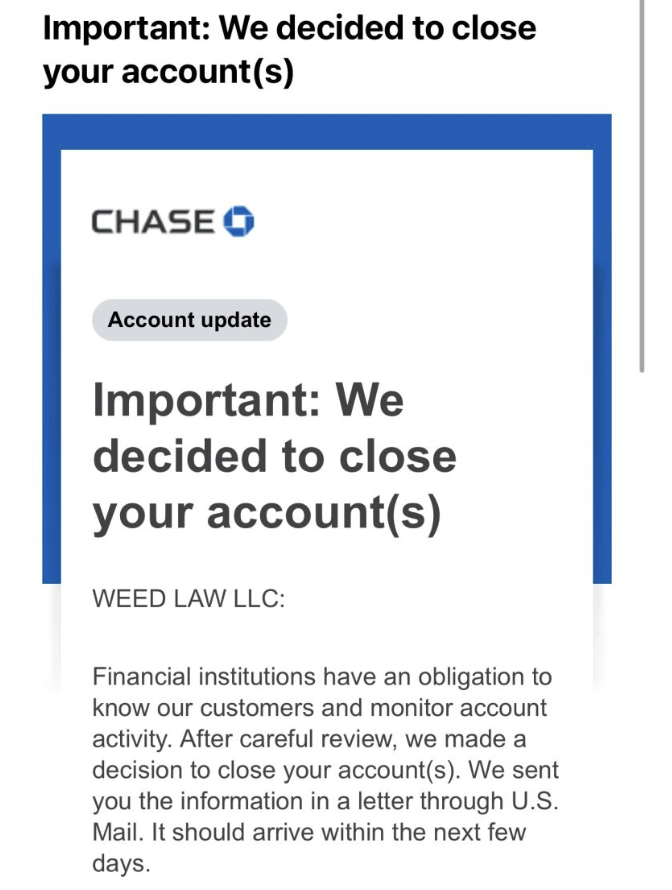
When calling, be prepared for a “retention pitch.” Banks are in the business of keeping deposits, and the representative may offer to switch you to a “no-fee” account or provide other incentives to stay. If your goal is purely financial consolidation, remain firm and professional. Ask for a “Reference Number” for the call and the name of the representative to ensure accountability.
The In-Person Branch Experience
For individuals with complex financial ties—such as those with linked safety deposit boxes, multiple business accounts, or large balances that require a cashier’s check—visiting a physical Chase branch is the safest option.
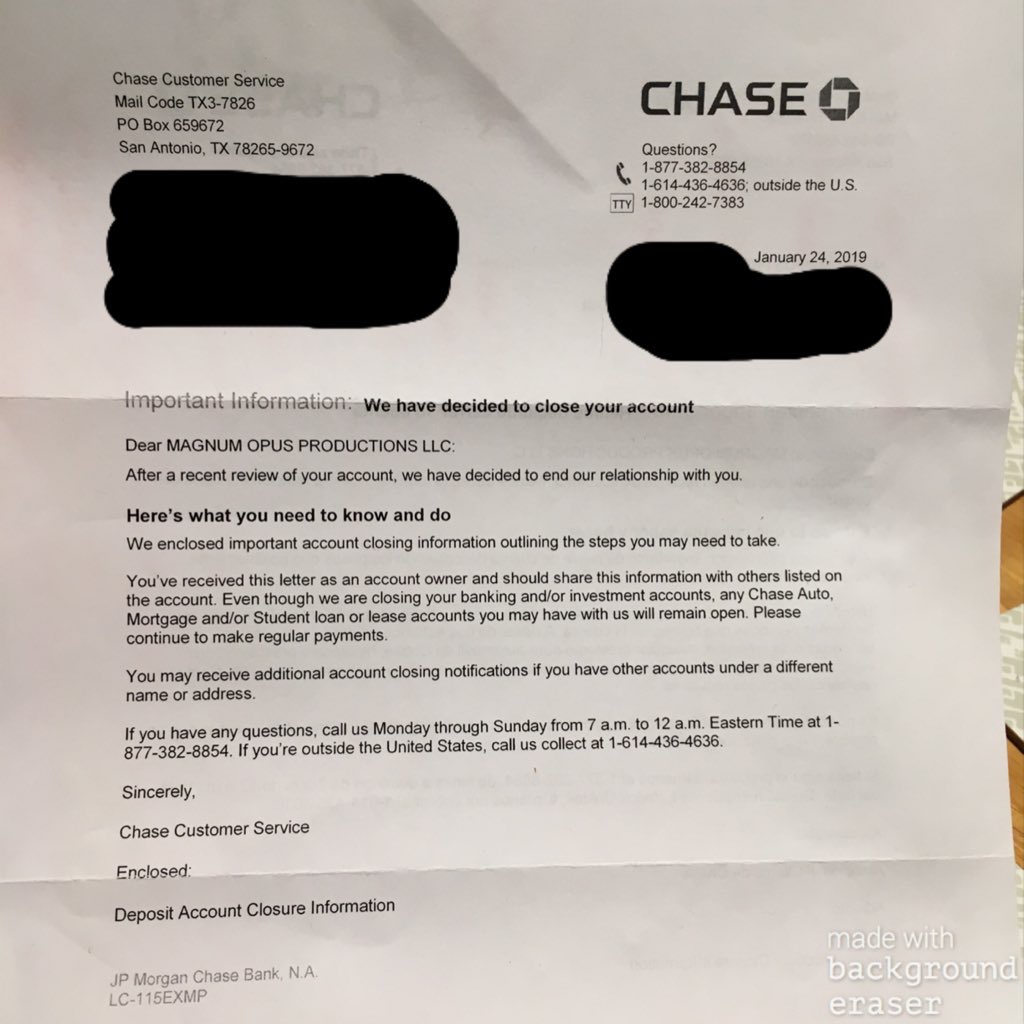
In a face-to-face meeting, a personal banker can close the account and provide you with a printed “Account Closure Letter” immediately. This document serves as your definitive proof that the relationship has ended. Furthermore, if you have physical items like a safety deposit box key, you can surrender them in the same visit, effectively “cleaning the slate” of your Chase obligations.
3. Navigating Potential Financial Hurdles and Fees
The process of closing an account is often where “hidden” banking logic can impact your wallet. Understanding Chase’s specific policies will help you avoid unnecessary costs.
The 90-Day Early Account Closure Fee
A common pitfall for those who open accounts to chase “sign-up bonuses” is the early closure fee. Chase frequently offers $200–$600 incentives for new checking and savings accounts. However, these offers almost always come with a “clawback” provision.
If you close a Chase account within six months (180 days) of opening it, Chase reserves the right to deduct the value of the bonus from your account balance upon closure. Even if there was no bonus involved, closing an account within the first 90 days may incur a specific administrative fee. Always check the “Terms and Conditions” or the “Fee Schedule” specific to your account tier before pulling the trigger.
Handling “Pending” Transactions and Interest Accrual
You cannot close an account that has a “Pending” status on any transaction. This includes recent debit card purchases that haven’t cleared or checks you’ve written that haven’t been cashed.
Furthermore, for interest-bearing savings accounts, interest is typically calculated daily and paid monthly. If you close your account mid-month, ask the representative about “accrued but unpaid interest.” In many cases, Chase will calculate the interest earned up to that day and include it in your final payout. Ignoring this could mean leaving money on the table, however small it may be.
Nuances of Joint and Business Accounts
Closing a joint account typically requires the consent of both parties, though Chase’s policy may allow one primary owner to initiate the closure. For business accounts, the process is stricter. You may need to provide a corporate resolution or proof of authority to close the account, especially if the business has multiple partners. From a business finance perspective, ensure all outstanding invoices to vendors have cleared the account to prevent “Payment Returned” notices, which can damage your business’s credit reputation.
4. Post-Closure Best Practices for Long-Term Wealth Management
Once the account is closed, your job isn’t quite finished. There are several “Money” habits you should employ to ensure your transition to a new bank is successful and secure.
Verifying the Zero Balance and Final Status
About two weeks after you receive confirmation of the closure, check your credit monitoring service or try to log in to the Chase portal one last time. You want to ensure the account does not show a “Negative Balance.” Sometimes, a late-arriving subscription can reopen a closed account (a process known as “automatic reopening”), putting you in an overdraft state without you even knowing. Confirming the “Closed” status via a final written statement is a vital step in protecting your financial health.
Secure Disposal of Physical Banking Tools
Your old Chase debit cards, unused checks, and deposit slips are liabilities. Once the account is closed, they should be destroyed immediately.
For checks, use a cross-cut shredder. For debit cards, ensure you cut through the EMV chip and the magnetic stripe. In the world of personal finance, identity theft and “dumpster diving” for banking information remain real threats. Professional disposal of these tools ensures that no one can attempt to use your old account information to commit fraud.
Re-Evaluating Your New Financial Strategy
Closing a Chase account is often the beginning of a new chapter in your financial journey. Whether you’ve moved to a High-Yield Savings Account (HYSA) to combat inflation or a brokerage-linked checking account to keep your capital working for you, use this transition to re-evaluate your goals.
Consider the “opportunity cost” of your previous banking setup. If you were paying a $12 monthly fee at Chase, you’ve just “saved” $144 a year—money that can be redirected into an IRA or an emergency fund. Successful money management is built on these small, incremental optimizations. By effectively closing your Chase account and moving to a more favorable environment, you are taking a proactive step toward greater financial autonomy and wealth accumulation.
aViewFromTheCave is a participant in the Amazon Services LLC Associates Program, an affiliate advertising program designed to provide a means for sites to earn advertising fees by advertising and linking to Amazon.com. Amazon, the Amazon logo, AmazonSupply, and the AmazonSupply logo are trademarks of Amazon.com, Inc. or its affiliates. As an Amazon Associate we earn affiliate commissions from qualifying purchases.