
In an ever-evolving global economy, the traditional pathways to career success and financial stability are continuously being re-evaluated. While university degrees remain a valuable asset, an increasingly prominent and financially astute alternative is vocational training. Often underestimated, vocational training represents a practical, skill-focused approach to education that directly prepares individuals for specific jobs and industries. It’s an investment in practical expertise, a direct route to employment, and a powerful engine for personal financial growth and economic resilience.
At its core, vocational training, also known as career and technical education (CTE) or trades education, focuses on teaching the specific skills and knowledge required for a particular occupation. Unlike academic degrees, which often emphasize theoretical knowledge and broad intellectual development, vocational programs are hands-on, industry-specific, and designed to get individuals job-ready in a shorter timeframe. From plumbing and electrical work to healthcare support, culinary arts, IT support, and automotive repair, the scope of vocational training is vast and continually expanding to meet the dynamic needs of the job market. Understanding its nature and strategic financial advantages is crucial for anyone looking to make informed decisions about their career and financial future.

Understanding Vocational Training in a Dynamic Economy
The modern economy is characterized by rapid technological advancement and shifting labor market demands. This landscape necessitates adaptable skill sets and efficient pathways to employment. Vocational training directly addresses these needs, offering specialized education that aligns precisely with current industry requirements, thereby enhancing an individual’s financial prospects significantly.
Beyond Traditional Degrees: The Practical Skill Advantage
For decades, the four-year university degree was often presented as the singular golden ticket to financial success. While a valuable path for many, it’s not the only, nor always the most financially prudent, option. Vocational training offers a distinct practical skill advantage. It provides targeted, hands-on experience that makes graduates immediately employable, often with less accumulated debt than their university counterparts. This direct applicability of skills translates into a quicker return on investment (ROI), allowing individuals to enter the workforce and begin earning sooner. For those eager to establish financial independence or transition into a new career path efficiently, the practical, job-ready skills acquired through vocational training can be a game-changer. It’s about learning by doing, mastering a trade, and being equipped to contribute economically from day one.
Bridging the Skills Gap: Meeting Market Demands for Lucrative Careers
One of the most compelling financial arguments for vocational training lies in its ability to bridge critical skills gaps in various industries. Many sectors, from skilled trades and manufacturing to healthcare and technology, face shortages of qualified professionals. Vocational programs are often designed in collaboration with industry partners, ensuring that the curriculum directly addresses these deficits. By training individuals for these high-demand roles, vocational education doesn’t just provide jobs; it provides access to lucrative careers that are often stable and offer competitive wages. Electricians, welders, HVAC technicians, medical assistants, and cybersecurity specialists trained through vocational programs are often highly sought after, commanding excellent salaries and benefits due to the specific, essential nature of their expertise. This direct alignment with market needs makes vocational training a strategic financial choice, positioning individuals for strong earning potential from the outset.
The Financial Benefits: Maximizing Your Earning Potential
The decision to pursue vocational training is, fundamentally, a financial one. It represents an investment in human capital designed to maximize earning potential, achieve financial stability, and accelerate career progression. The benefits extend far beyond the immediate job placement, influencing long-term financial health and economic resilience.
Accelerated Entry into High-Paying Professions
One of the most attractive financial features of vocational training is the accelerated timeline to employment in well-paying professions. Unlike traditional bachelor’s degrees, which typically require four years, vocational programs can range from a few months to two years. This shorter duration means graduates can enter the workforce and start earning a substantial income much faster. Consider a certified welder or an MRI technologist; these professions often offer starting salaries comparable to, or even exceeding, those of many four-year degree holders, but with significantly less time and cost invested in education. This rapid entry into the income stream is crucial for individuals looking to minimize opportunity costs and jumpstart their financial journeys, making vocational training a powerful tool for achieving economic independence quickly.
Cost-Effectiveness and Return on Investment (ROI)
The financial calculus of vocational training heavily favors its cost-effectiveness and impressive return on investment. Tuition fees for vocational schools and technical colleges are generally a fraction of those at four-year universities. Furthermore, the shorter program durations mean fewer living expenses and less time out of the workforce. This combination significantly reduces the overall financial burden of education, leading to lower student debt, if any. The quicker graduation and immediate employability ensure that graduates can begin recouping their educational investment almost immediately. When weighing the costs against the potential earnings and reduced debt load, vocational training often presents a superior ROI, allowing individuals to build wealth sooner and establish a more stable financial foundation for their future.
Income Stability and Career Resilience
In an unpredictable economic climate, income stability and career resilience are invaluable. Many vocational trades provide just that. Essential services—like healthcare, infrastructure maintenance, and specialized technical support—are often recession-proof; the demand for these skilled professionals tends to remain constant, regardless of economic fluctuations. A plumber’s services, an auto mechanic’s expertise, or a nurse’s care are always needed. This inherent demand provides a high degree of job security and stable income streams, insulating individuals from the volatility that can affect other sectors. Furthermore, the hands-on nature of vocational skills often makes them transferable and adaptable, enhancing long-term career resilience and ensuring ongoing earning potential throughout one’s working life.
Vocational Training as a Catalyst for Entrepreneurship and Side Hustles
Beyond direct employment, vocational training also serves as a potent catalyst for entrepreneurial ventures and the pursuit of lucrative side hustles. The specialized skills acquired empower individuals not just to work for others, but to create their own opportunities and build independent income streams, offering a powerful avenue for wealth creation.
Building a Business from Specialized Skills
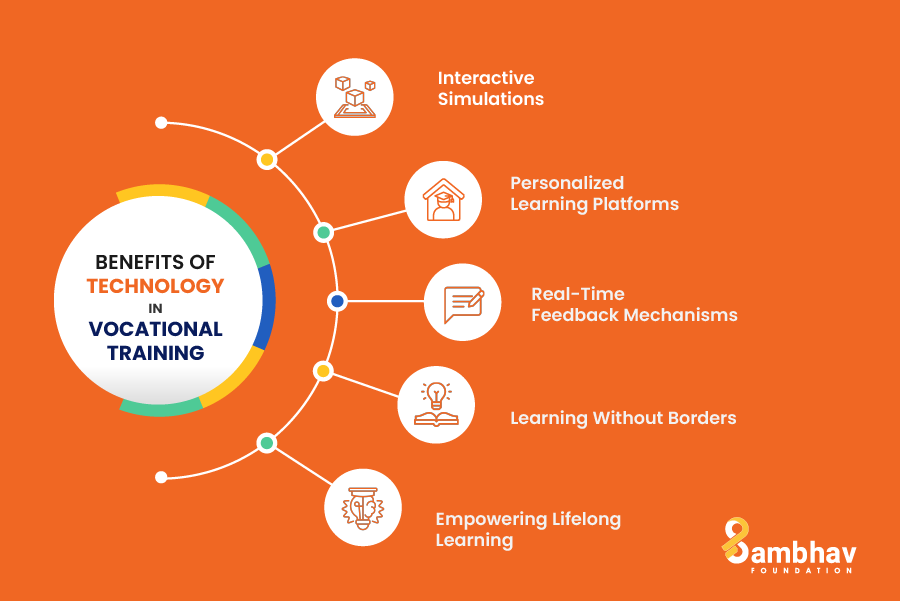
Many vocational trades lend themselves exceptionally well to entrepreneurship. An electrician or HVAC technician, after gaining experience, can easily start their own contracting business. A cosmetologist can open a salon, or a chef can launch a catering company. The practical, tangible skills learned in vocational programs provide the fundamental expertise required to deliver a service directly to consumers. This direct relationship between skill and service provision drastically lowers the barrier to entry for starting a small business. With relatively modest startup capital, a skilled vocational graduate can transition from employee to business owner, controlling their income, setting their own hours, and building an asset that can generate significant long-term wealth. Vocational training thus offers a clear, actionable blueprint for self-employment and business ownership.
Leveraging Skills for Supplementary Income and Side Gigs
Even for those who prefer traditional employment, vocational skills are ideal for generating supplementary income through side hustles and freelance work. A web developer trained in a vocational program can take on freelance coding projects outside of their main job. A graphic designer can offer design services to small businesses. An automotive technician can offer mobile repair services on weekends. These skills are often in high demand on a project basis, allowing individuals to diversify their income streams and significantly boost their overall earnings. This flexibility and marketability provide a crucial financial safety net and an effective way to accelerate savings, pay down debt, or invest in personal financial goals, transforming vocational expertise into a versatile income-generating asset.
Expanding Financial Horizons Through Niche Expertise
Vocational training often cultivates niche expertise, which can command premium pricing and open up unique financial opportunities. Specialists in niche areas—such as antique furniture restoration, highly specific industrial welding, or advanced medical coding—possess skills that are not widely available, making them highly valuable. This specialized knowledge allows professionals to charge higher rates for their services, consult for larger organizations, or even develop proprietary techniques and products. By focusing on a specific, high-demand area, vocational graduates can carve out a unique financial space, expand their client base, and achieve financial horizons that might be unattainable with more generalized skills.
Strategic Financial Planning for Vocational Education
Embarking on vocational training is a strategic financial decision that requires careful planning. While generally more affordable than traditional university, understanding the funding options, budgeting effectively, and recognizing the long-term financial trajectory are key to maximizing its benefits.
Funding Your Future: Exploring Financial Aid and Scholarship Options
Even with lower tuition costs, financing vocational training requires forethought. Fortunately, a variety of financial aid and scholarship options are available. Federal and state grants, often based on financial need, can significantly reduce or even eliminate tuition costs. Many vocational schools also offer institutional scholarships. Furthermore, numerous private organizations, industry associations (e.g., construction, manufacturing), and even individual employers provide scholarships specifically for students pursuing vocational trades. Companies often sponsor students with the understanding that they will work for them upon graduation, effectively paying for the education in exchange for future labor. Thorough research into these funding avenues can make vocational education incredibly accessible and virtually debt-free, supercharging the financial ROI.
Budgeting for Success: Managing Costs and Maximizing Value
Effective budgeting is paramount when undertaking vocational training. Beyond tuition, students must account for the cost of tools, equipment, textbooks, certification exam fees, and living expenses. Creating a detailed budget helps manage these costs and ensures that funds are allocated wisely. It also involves considering the opportunity cost—the income forgone during the training period. While vocational training minimizes this cost due to its shorter duration, it’s still a factor. Maximizing value means choosing programs with strong job placement rates, industry-recognized certifications, and curricula that are highly relevant to current market demands. A well-planned budget, combined with a focus on high-value programs, ensures that every dollar invested in vocational training yields the maximum possible financial return.
Long-Term Financial Growth: Career Progression and Skill Upgradation
Vocational training is not a one-time transaction; it’s an ongoing investment in long-term financial growth. Initial training provides a solid foundation, but continuous learning and skill upgradation are essential for career progression and increased earning potential. Obtaining advanced certifications, specializing in new technologies within a trade, or taking management courses can lead to higher-paying supervisory roles, project management positions, or specialized consultant work. For example, an entry-level electrician might pursue advanced certifications in solar panel installation or smart home technology to command higher fees. This commitment to lifelong learning ensures that vocational professionals remain competitive, adaptable, and financially upwardly mobile throughout their careers, continually compounding the initial financial investment.
The Broader Economic Impact of Vocational Training
The financial benefits of vocational training extend beyond individual prosperity, contributing significantly to the broader economic health and vitality of communities and nations. It is a fundamental pillar for a robust and resilient economy.
Boosting Local Economies and Job Creation
Vocational training plays a crucial role in boosting local economies. By producing a steady supply of skilled tradespeople and technicians, it supports the essential infrastructure of any community—from building homes and maintaining public utilities to providing healthcare services and powering local businesses. These local professionals spend their earnings within the community, stimulating local businesses and creating a ripple effect of economic growth. Furthermore, the growth of small businesses spawned by vocational entrepreneurs directly creates jobs for others, further strengthening the local labor market and fostering a vibrant economic ecosystem.

Reducing Unemployment and Fostering Economic Mobility
Perhaps one of the most significant societal impacts of vocational training is its effectiveness in reducing unemployment and fostering economic mobility. It provides concrete pathways for individuals, including those from underserved communities or those looking to pivot careers, to acquire marketable skills and secure stable, well-paying jobs. By offering a direct route to employment, vocational programs help lift individuals out of poverty, reduce reliance on social welfare programs, and provide a means for upward mobility. This enhanced economic participation strengthens the tax base, reduces social costs, and builds a more equitable and prosperous society, demonstrating vocational training’s profound role not just in individual financial success, but in national economic health.
In conclusion, vocational training stands as a powerful, financially intelligent pathway in the modern educational landscape. It offers an efficient, cost-effective route to specialized skills, accelerated career entry, and significant earning potential. For individuals seeking to maximize their financial independence, minimize educational debt, and build resilient, in-demand careers, vocational training is not just an alternative; it’s a strategically sound investment in a prosperous future.
aViewFromTheCave is a participant in the Amazon Services LLC Associates Program, an affiliate advertising program designed to provide a means for sites to earn advertising fees by advertising and linking to Amazon.com. Amazon, the Amazon logo, AmazonSupply, and the AmazonSupply logo are trademarks of Amazon.com, Inc. or its affiliates. As an Amazon Associate we earn affiliate commissions from qualifying purchases.