
Poetry, at its heart, is a meticulously crafted form of linguistic art. While the emotional resonance and thematic depth of a poem are paramount, its enduring power often stems from the deliberate architecture that underpins it. These structures, far from being rigid constraints, are instead the scaffolding that supports the poet’s vision, guiding the reader’s experience and amplifying the intended meaning. Understanding these structural elements is not merely an academic exercise; it can unlock new avenues for appreciation and even for creation, particularly in how we engage with and analyze creative expression through the lens of technological innovation. This exploration delves into the multifaceted structures of poetry, examining how form, rhythm, and arrangement coalesce to create impactful literary works.
The Foundation: Form and Lineation
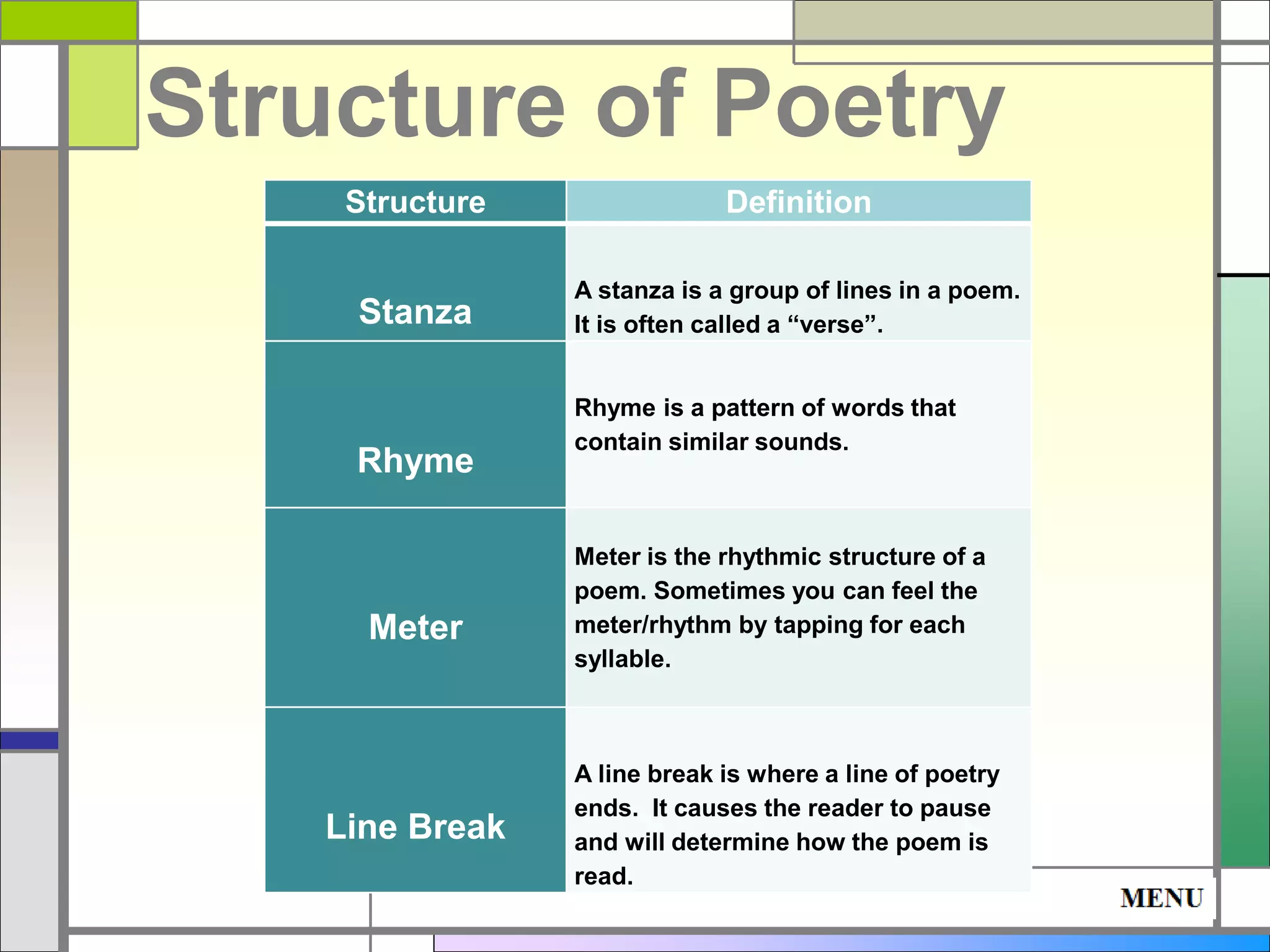
At the most fundamental level, a poem is built from lines and stanzas. The way these elements are arranged, broken, and grouped dictates the visual and auditory flow of the poem, profoundly influencing its impact. This foundational aspect of poetic structure can be appreciated through the digital tools and analytical frameworks now available.
The Significance of the Line
The line, the basic unit of poetry, is more than just a string of words ending at the margin. The decision of where to break a line, known as enjambment, is a critical structural choice. It can create suspense, emphasize specific words or phrases, or alter the rhythm and pace of the reading experience. Conversely, an end-stopped line, which concludes with punctuation, creates a sense of finality and can signal a pause or a complete thought.
In the digital age, analyzing line breaks and their effects can be facilitated by text analysis software. These tools can visually represent line lengths, identify patterns of enjambment across a corpus of poems, and even help in identifying how different poets utilize this fundamental structural element to achieve specific aesthetic outcomes. For example, a computational linguist might track how a poet’s use of short, choppy lines contributes to a sense of urgency, or how long, flowing lines create a more contemplative mood. The very act of digitizing poetry allows for new ways to observe and quantify these structural decisions.
The Architecture of Stanzas
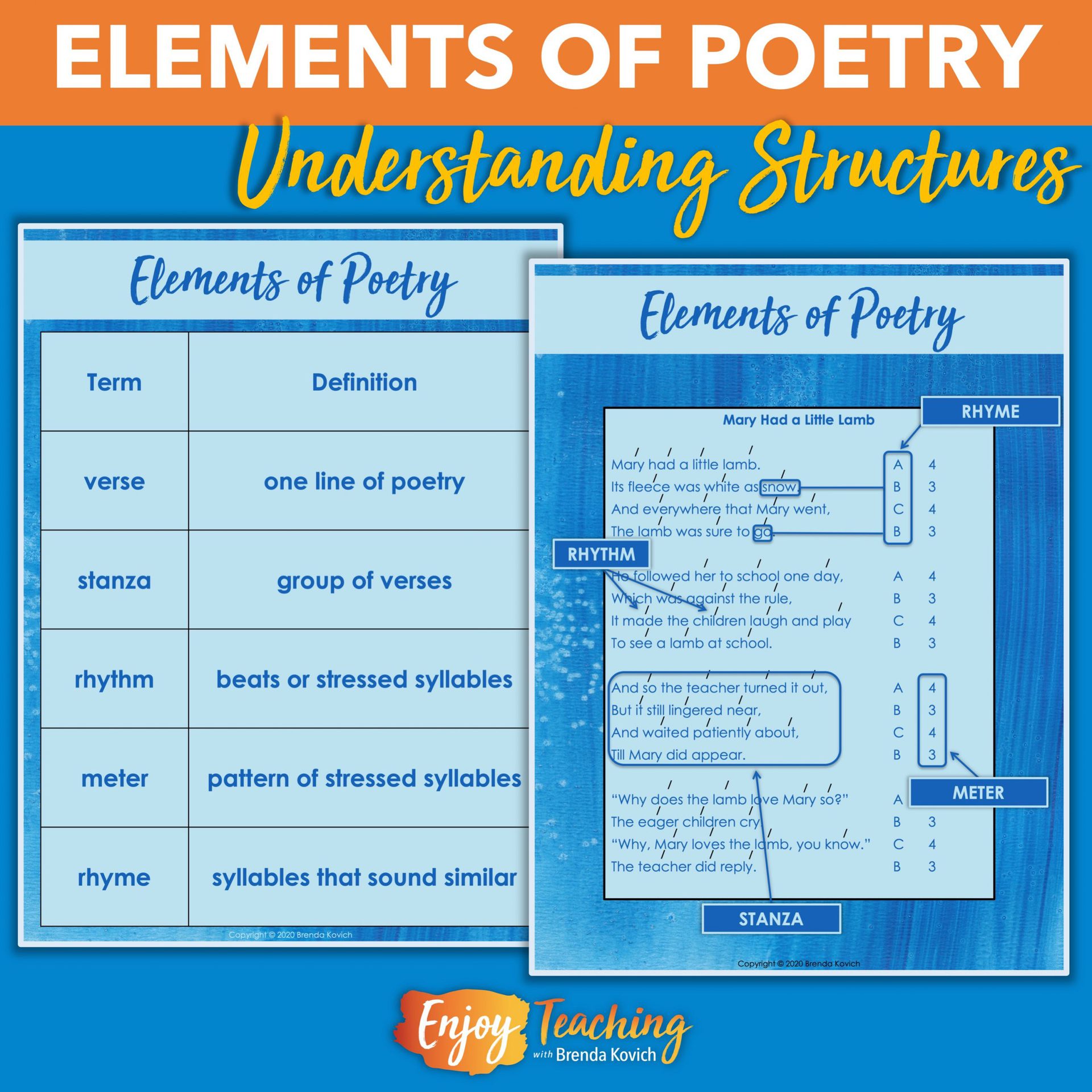
Stanzas are groups of lines, akin to paragraphs in prose, that serve to organize a poem into thematic or rhythmic units. The most common stanzaic forms have specific names and line counts: couplets (two lines), tercets (three lines), quatrains (four lines), and so on. The choice of stanzaic form can influence the poem’s momentum and its narrative or thematic progression. A poem composed entirely of couplets might feel more musical and aphoristic, while a series of quatrains might lend itself to more developed thoughts or storytelling.
When studying stanzas, digital archives of poetry become invaluable resources. Researchers can easily compare the stanzaic patterns of different eras or poets, identifying trends and stylistic signatures. Tools that can automatically identify and segment stanzas within a digital text allow for rapid comparative analysis. Furthermore, the ability to manipulate and visualize these structures—for instance, by highlighting all the tercets in a poem or mapping the rhyme scheme within a stanza—enhances our understanding of how these building blocks contribute to the poem’s overall coherence and aesthetic appeal.
Rhythmic and Auditory Structures: Meter and Rhyme
Beyond the visual arrangement of lines and stanzas, poetry is deeply concerned with sound. Meter and rhyme are two of the most powerful tools poets use to create musicality, emphasize meaning, and establish patterns that engage the reader on an auditory level. The analysis of these elements has been revolutionized by digital technologies.
The Pulse of Meter
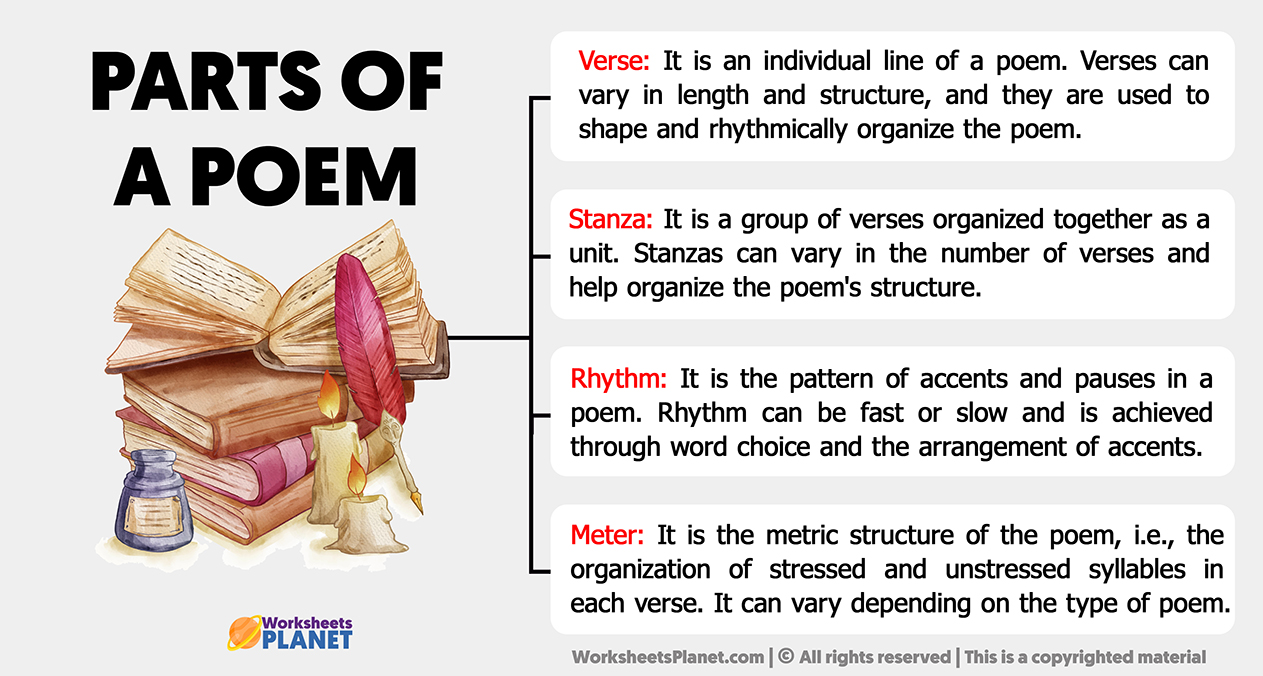
Meter refers to the rhythmic structure of a poem, determined by the pattern of stressed and unstressed syllables in each line. Common metrical feet include the iamb (unstressed-stressed), the trochee (stressed-unstressed), the anapest (unstressed-unstressed-stressed), and the dactyl (stressed-unstressed-unstressed). The number of these feet in a line determines the line’s meter, such as iambic pentameter (five iambs per line), a form famously employed by Shakespeare.
The computational analysis of meter has become increasingly sophisticated. Algorithms can now scan poetic texts, identify syllable stress patterns, and map metrical feet with remarkable accuracy. This allows for large-scale studies of metrical variations within a poet’s oeuvre or across literary periods. For example, researchers can quantitatively demonstrate how a poet deviates from a traditional meter to create a sense of unease or highlight particular moments. The digital representation of meter can also be visualized, showing the peaks and valleys of stress, making the underlying rhythm more accessible to those who may not have a trained ear.
The Resonance of Rhyme
Rhyme, the repetition of similar sounds at the end of lines, is another crucial element of poetic structure that creates musicality and reinforces connections between words and ideas. Rhyme schemes, the pattern of rhymes within a stanza or poem, are typically represented by letters (e.g., ABAB, AABB). The absence of rhyme, known as blank verse (unrhymed iambic pentameter) or free verse (without regular meter or rhyme), is also a structural choice with its own set of implications.
Digital tools can automatically detect rhyme schemes, enabling rapid analysis of how poets employ or subvert traditional patterns. Text mining techniques can identify not only end rhymes but also internal rhymes, slant rhymes, and assonance (vowel sound repetition) or consonance (consonant sound repetition), broadening the scope of auditory analysis. The ability to search for specific rhyming words or patterns across vast digital libraries of poetry allows for unprecedented insights into thematic associations and linguistic creativity. For instance, one could investigate if a poet consistently rhymes words related to nature with words related to loss, thereby embedding thematic connections within the very sound of their work.
Advanced Structural Devices and Their Digital Interpretation
Beyond the fundamental elements of lines, stanzas, meter, and rhyme, poets employ a variety of advanced structural devices to enhance their poems. These devices often involve intricate patterns of repetition, allusion, and arrangement that can be illuminated through digital analysis.
Repetition and Refrain: Echoes and Emphasis
Repetition, in its various forms, is a powerful structural tool for emphasis, rhythm, and thematic development. Anaphora, the repetition of a word or phrase at the beginning of successive clauses or sentences, creates a strong, declarative effect. Epistrophe, the repetition at the end of clauses, achieves a similar, though often more concluding, emphasis. A refrain, a line or stanza repeated at intervals throughout a poem, can act as a recurring motif, a chorus, or a thematic anchor.
Digital text analysis tools can easily identify and quantify instances of repetition. Sophisticated algorithms can even detect more subtle forms of repetition, such as thematic echoes or recurring semantic fields, that might be missed by human readers. Visualizations can highlight these patterns, showing their distribution and frequency within a poem. This allows for a deeper understanding of how repetition contributes to the poem’s emotional impact and its underlying message. For example, a study might reveal how a poet’s repeated use of a particular phrase in a lament poem intensifies the feeling of sorrow.
Allusion and Intertextuality: Building on a Legacy
Allusion, a brief, indirect reference to a person, place, thing, or idea of historical, cultural, literary, or political significance, is a structural device that enriches a poem by drawing on a shared cultural context. Intertextuality refers to the relationship between texts, where one text contains explicit or implicit references to another. These connections are not merely decorative; they can add layers of meaning, create ironic contrasts, or evoke specific emotional responses by tapping into pre-existing reader knowledge.
While historically understanding allusions required extensive literary knowledge, digital tools and databases are transforming this process. Hyperlinked texts and searchable literary databases allow readers to instantly access definitions and explanations of allusions. Natural language processing (NLP) techniques are being developed to automatically identify and even interpret the function of allusions within a text. This technological assistance enables a more comprehensive engagement with the intertextual fabric of poetry, revealing how poets build upon, respond to, or even critique their predecessors, thereby constructing complex webs of meaning. Analyzing how a contemporary poem strategically reworks lines from a classical epic, for instance, can reveal a deliberate commentary on enduring human themes.
Concrete and Visual Poetry: Structure as Image
A more radical approach to poetic structure can be found in concrete poetry and visual poetry, where the arrangement of words and letters on the page forms a visual image or pattern that is integral to the poem’s meaning. In these forms, the structure is not just a container for meaning; it is the meaning, or at least a significant part of it. The shape of the poem can directly represent its subject matter, creating a fusion of visual art and linguistic expression.
Digital platforms and software are ideally suited for the creation, dissemination, and analysis of visual poetry. Tools allow for precise typographic control, enabling poets to manipulate letterforms, spacing, and layout to achieve specific visual effects. For researchers, digital archives of visual poetry provide accessible collections, and specialized software can analyze the geometric properties or visual density of these works. The ability to zoom, rotate, and interact with digital visual poems offers a dynamic way to experience the interplay between form and content, demonstrating how structural innovation can push the boundaries of literary expression.
In conclusion, the structures of a poem are not arbitrary but deliberate choices that shape its aesthetic, emotional, and intellectual impact. From the foundational elements of line and stanza to the intricate patterns of meter, rhyme, repetition, and allusion, each structural decision contributes to the poem’s overall effect. In the digital age, these structures are increasingly accessible to analysis and appreciation through technological advancements, offering new ways to understand the profound artistry that lies at the heart of poetic creation. The ongoing evolution of digital tools promises to further deepen our engagement with the architectonics of poetry, revealing ever more subtle and powerful ways in which form and meaning are inextricably linked.
aViewFromTheCave is a participant in the Amazon Services LLC Associates Program, an affiliate advertising program designed to provide a means for sites to earn advertising fees by advertising and linking to Amazon.com. Amazon, the Amazon logo, AmazonSupply, and the AmazonSupply logo are trademarks of Amazon.com, Inc. or its affiliates. As an Amazon Associate we earn affiliate commissions from qualifying purchases.