
In a nation as vast and complex as Russia, understanding its cultural tapestry necessitates an exploration of the deeply ingrained belief systems that have shaped its history, its people, and its international standing. While often discussed through a political or geographical lens, the religious landscape of Russia represents a profound and enduring set of “brands” of belief, each with its distinct heritage, iconography, and influence. These religious affiliations are not merely personal choices; they are powerful markers of identity, tradition, and societal belonging, influencing everything from social norms to geopolitical narratives. Examining these religious “brands” offers a unique perspective on the soul of Russia and the diverse communities that comprise it.

The Dominant Brand: Orthodoxy’s Historical Imprint
At the forefront of Russia’s religious landscape stands Russian Orthodoxy, a brand of Christianity with an indelible historical connection to the very foundations of the Russian state. Its influence permeates national identity, art, architecture, and even political discourse, making it arguably the most prominent and historically significant religious brand in the country.
Roots and Revival of Russian Orthodoxy
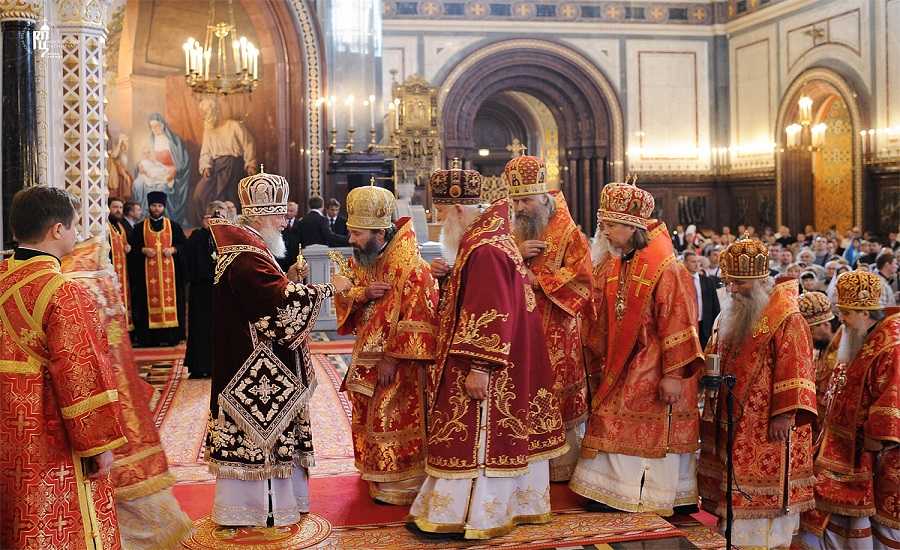
The Baptism of Rus’ in 988 AD, under Prince Vladimir the Great, marked the official adoption of Eastern Orthodox Christianity, establishing a symbiotic relationship between the Church and the nascent state. For centuries, Orthodoxy served as the unifying spiritual and cultural force, providing a shared moral framework and a distinct identity that differentiated Rus’ from its pagan neighbors and later, from Catholic Europe. The intricate mosaics of ancient cathedrals, the melodic chants of liturgical services, and the iconic imagery of saints and biblical narratives became powerful visual and auditory expressions of this dominant brand.
Following the Bolshevik Revolution and decades of state-sponsored atheism under the Soviet Union, where religious institutions were suppressed and often destroyed, Russian Orthodoxy faced immense challenges. However, its resilience proved remarkable. The collapse of the Soviet Union in 1991 ushered in a significant religious revival. Churches and monasteries, many in ruins or repurposed for secular use, began to be restored, and religious education saw a resurgence. This period of revival solidified Orthodoxy’s position as a central element of contemporary Russian identity, often intertwined with notions of national pride and historical continuity. The Patriarch of Moscow and all Rus’, as the spiritual leader, holds significant moral authority and often engages in public dialogue on national issues, further cementing Orthodoxy’s brand as a cornerstone of Russian society.
Symbols and Rituals: The Tangible Manifestations of the Brand
The visual and ritualistic elements of Russian Orthodoxy serve as powerful branding tools, instantly recognizable to adherents and familiar to the broader population. The onion-domed churches, shimmering with gold or vibrant colors, are iconic landmarks across Russia, symbolizing both faith and national heritage. Within these sacred spaces, the veneration of icons – stylized religious paintings – plays a central role, offering visual focal points for prayer and devotion. The rich tradition of icon painting itself is a distinct artistic brand within the broader realm of religious art.
Liturgy, the structured form of public worship, is another key component of the Orthodox brand. The solemn processions, the chanting of ancient prayers in Church Slavonic, and the communal participation in sacraments like communion create a profound sense of shared experience and spiritual connection. The celebration of religious holidays, such as Easter and Christmas, are major cultural events, often observed by a significant portion of the population, regardless of their level of personal religiosity. These shared rituals act as powerful community-building mechanisms, reinforcing the social fabric and the collective identity associated with the Orthodox faith.
Established, Yet Diverse: The Presence of Other Major Religious Brands
While Russian Orthodoxy may be the most prominent, Russia is a multi-religious society, home to several other established and historically significant religious brands that contribute to its rich cultural mosaic. These faiths, though often smaller in number compared to Orthodoxy, command respect and possess deep roots within specific ethnic and regional communities.
Islam: A Historical and Growing Presence
Islam holds a significant position as the second-largest religion in Russia, with a history that predates the formal establishment of the Russian state. Muslim communities are concentrated in regions such as the North Caucasus (Chechnya, Dagestan, Ingushetia), Tatarstan, and Bashkortostan, where Islam has been the dominant faith for centuries. These regions boast magnificent mosques, often reflecting distinct architectural styles that blend local traditions with Islamic principles.
The brand of Islam in Russia is multifaceted, encompassing various schools of thought and ethnic traditions. The Tatar Muslims, for instance, have a long history of peaceful coexistence and cultural exchange with their Orthodox neighbors, often characterized by a syncretic approach to certain cultural practices. In contrast, some regions in the North Caucasus have witnessed more religiously motivated social and political movements in recent decades. Despite these variations, the core tenets of Islam – submission to Allah, the Quran, and the five pillars of faith – form a unifying brand for millions of Russian citizens. The growing Muslim population, due to both higher birth rates and migration, signifies the increasing relevance and visibility of this religious brand within the broader Russian context.
Buddhism and Other Traditional Beliefs: Enduring Indigenous Brands
Beyond the major monotheistic faiths, Russia is also home to indigenous traditions that have maintained their distinct brands for centuries. Buddhism, particularly Tibetan Buddhism, has a strong presence in regions like Buryatia, Kalmykia, and Tuva, located in Siberia and the Volga Federal District. These communities have their own monastic traditions, unique forms of Buddhist art, and distinct spiritual practices that have been preserved through generations, often adapting to the local cultural landscape while remaining faithful to core Buddhist teachings.
Furthermore, in many rural and remote areas, traditional animistic and shamanistic beliefs persist, often existing alongside or integrated with more formally recognized religions. These ancient spiritual practices, rooted in reverence for nature, ancestral spirits, and the balance of the cosmos, represent the oldest religious brands within Russia. While less visible on the national stage, they form a vital part of the spiritual heritage for many indigenous peoples, demonstrating a deep connection to the land and ancestral ways of life. The preservation of these indigenous belief systems is crucial for maintaining cultural diversity and understanding the full spectrum of Russia’s spiritual landscape.
Navigating the Modern Landscape: Religious Brands in a Globalized World
In the 21st century, Russia’s religious brands are not static entities; they are dynamic forces constantly interacting with the forces of globalization, secularization, and evolving social values. Understanding how these brands are perceived, how they adapt, and their influence on public life is key to comprehending contemporary Russia.
Secularization and the Evolving Role of Religion
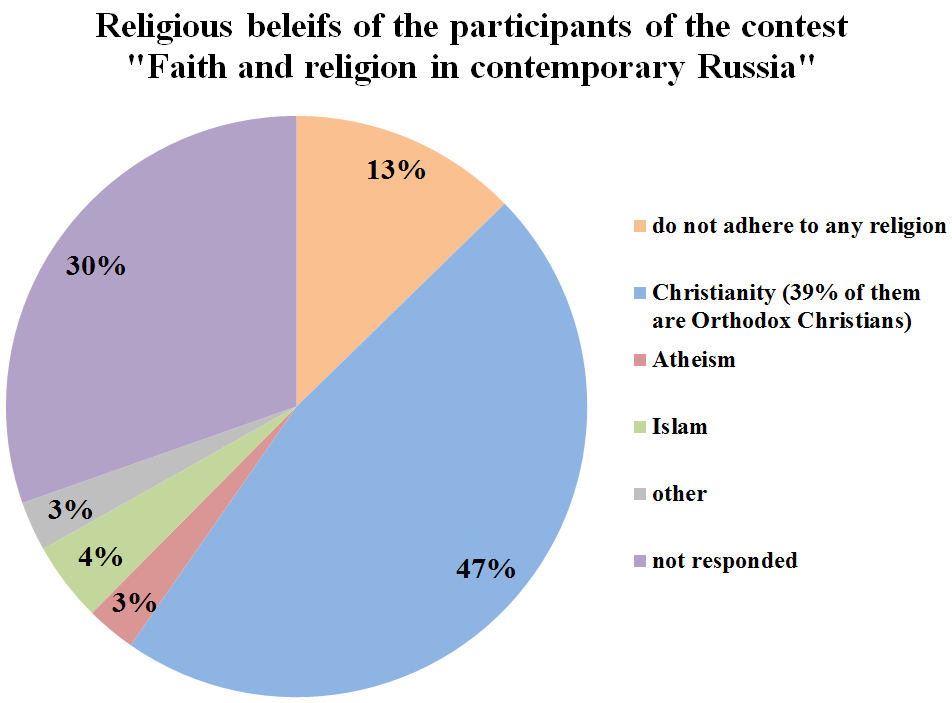
Like many nations globally, Russia has experienced trends of secularization, particularly in urban centers. A segment of the population identifies as non-religious or atheist, a legacy of the Soviet era’s promotion of atheism, but also a reflection of broader global trends towards secular modernity. However, even for those who do not actively practice a religion, the cultural and historical associations with religious traditions, particularly Orthodoxy, remain strong. This creates a complex dynamic where religious affiliation may be more about cultural identity and national heritage than strict adherence to dogma for some.
The role of religious institutions in the public sphere is also a subject of ongoing discussion. While religious leaders, especially those of the Orthodox Church, often weigh in on social and political matters, there is a continuous negotiation between the traditional influence of religious brands and the principles of a secular state. This tension shapes public discourse, educational policies, and the visibility of religious symbols in public spaces.
Interreligious Dialogue and Identity Politics
Despite historical periods of tension, Russia has also witnessed efforts towards interreligious dialogue and cooperation. The established religious communities, particularly Orthodoxy and Islam, often engage in discussions aimed at fostering mutual understanding and addressing shared societal challenges. This collaborative approach is vital for maintaining social harmony in a diverse nation.
However, religious identity can also become intertwined with ethnic and political narratives, sometimes leading to increased tensions or the instrumentalization of religious affiliations for political ends. Understanding the nuances of how these religious brands are perceived and utilized in different social and political contexts is crucial for a comprehensive understanding of Russia’s internal dynamics and its place on the global stage. The enduring power of these religious brands, whether as markers of deep personal faith or as symbols of cultural heritage, continues to shape the multifaceted identity of Russia.
aViewFromTheCave is a participant in the Amazon Services LLC Associates Program, an affiliate advertising program designed to provide a means for sites to earn advertising fees by advertising and linking to Amazon.com. Amazon, the Amazon logo, AmazonSupply, and the AmazonSupply logo are trademarks of Amazon.com, Inc. or its affiliates. As an Amazon Associate we earn affiliate commissions from qualifying purchases.