
Turkey, a nation straddling continents and a confluence of historical empires, presents a rich tapestry of cultural and societal influences. Within this intricate weave, religious identities have long served as powerful and enduring “brands,” shaping individual lives, communities, and the very fabric of the nation. While often discussed through theological lenses, examining these religious traditions as distinct and influential “brands” offers a unique perspective on their historical evolution, contemporary relevance, and societal impact within Turkey. This approach allows us to appreciate the distinct identities, established doctrines, and widespread appeal that have allowed these faiths to maintain their significance across centuries.
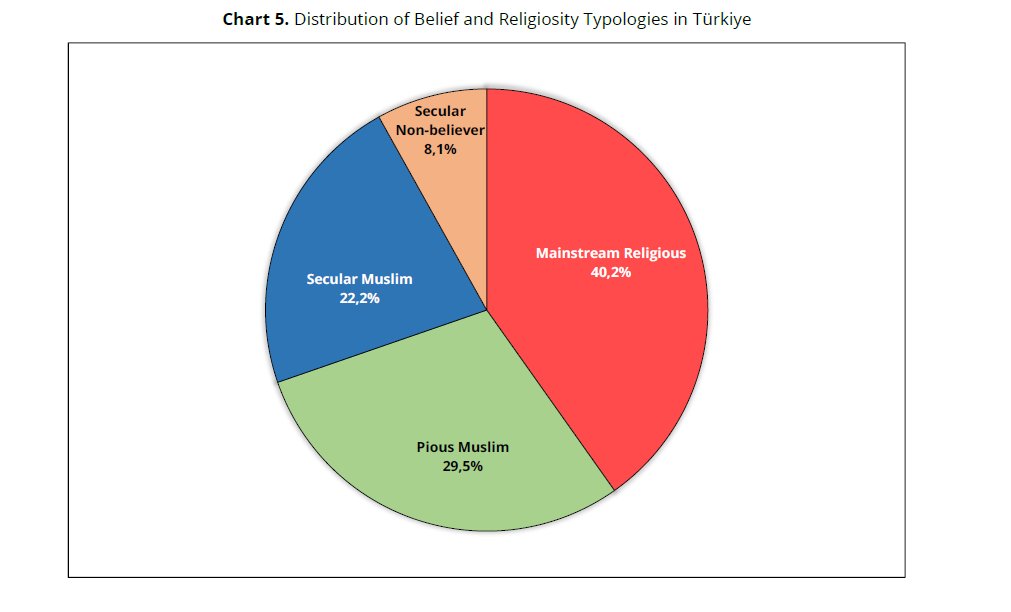
The Dominant Brand: Islam and its Diverse Expressions
Islam, as the predominant religion in Turkey, functions as the most pervasive and influential “brand” in the country. Its presence is deeply embedded in the national psyche, history, and daily life. However, to speak of “Islam” as a monolithic entity would be to overlook the diverse manifestations and internal segmentation that characterize its brand identity within Turkey.
Sunni Islam: The Mainstream Offering
The vast majority of Turkish Muslims adhere to Sunni Islam, representing the mainstream and widely recognized “brand” of Islam in the country. This adherence is not merely a matter of ritual observance but encompasses a comprehensive worldview that influences social norms, legal interpretations, and cultural practices. The brand is characterized by its established theological schools, revered historical figures, and a consistent emphasis on core tenets that resonate across a broad spectrum of the population. The iconic mosques that dot the landscape, from the grand imperial structures of Istanbul to modest neighborhood places of worship, serve as tangible manifestations of this dominant brand, projecting an image of stability, tradition, and spiritual authority. The Sufi orders, historically significant in propagating and deepening the understanding of Sunni Islam, also represent a vital sub-brand, offering a more mystical and esoteric dimension that has attracted a dedicated following and contributed to the richness of the religious landscape.
Alevi Islam: A Distinctive Niche and Evolving Identity
Within the broader Islamic landscape, Alevi Islam stands out as a distinct and historically significant “brand.” While sharing common roots with Islam, Alevi practices and beliefs often diverge, creating a unique identity that has been shaped by centuries of socio-cultural evolution and distinct historical experiences. The Alevi “brand” is characterized by its emphasis on “hak-muhammed-ali” (truth, Muhammad, Ali), its unique cem ceremonies (spiritual gatherings), and a strong communal spirit. Historically, the Alevi community has navigated periods of both integration and marginalization, contributing to a resilient and distinct brand identity that continues to evolve. The interpretation of religious texts, the role of the dede (spiritual guide), and the absence of the traditional mosque structure for many Alevi congregations contribute to a differentiation that marks it as a significant, albeit often underrepresented, religious brand within Turkey. Understanding the Alevi brand requires appreciating its emphasis on humanism, tolerance, and a more egalitarian approach to spiritual practice.
Historical Brands: Enduring Legacies of Christianity and Judaism
Beyond the widespread presence of Islam, Turkey also bears the indelible marks of historical “brands” of Christianity and Judaism. While their contemporary communities are significantly smaller, their legacies are profound, woven into the nation’s historical narrative, architectural heritage, and cultural mosaic. These faiths, with their own rich traditions and distinct brand narratives, continue to hold cultural significance and represent important threads in the broader tapestry of religious identity.

Christianity: Echoes of Ancient Traditions
Christianity in Turkey boasts an ancient and multifaceted brand. The historical presence of various denominations, including Orthodox, Armenian, and Syriac Christianity, has left an indelible mark on the country’s landscape and cultural heritage. The brand of Orthodox Christianity, particularly through the Ecumenical Patriarchate of Constantinople, represents a historic spiritual center with global significance, even within Turkey. The brand is associated with magnificent cathedrals, ancient monasteries, and a rich tradition of theological scholarship and artistic expression. Similarly, Armenian Apostolic Christianity and Syriac Christianity have their own distinct traditions, places of worship, and cultural contributions, each with a unique narrative and appeal to their respective communities. While the numerical strength of these Christian communities has diminished over time, their historical presence continues to be recognized, and their religious institutions remain important cultural landmarks, embodying a long-standing spiritual brand.
Judaism: A Testament to Resilience and Community
Judaism in Turkey, primarily represented by Sephardic and Ashkenazi traditions, stands as a testament to centuries of resilience and community. The Jewish brand in Turkey is characterized by its rich history, vibrant cultural expressions, and a strong emphasis on communal cohesion. Synagogues, many of which are centuries old, serve as the central hubs for this brand, fostering religious observance, cultural continuity, and social support. The Ladino language, a legacy of Sephardic immigrants, continues to be spoken by some within the community, representing a unique linguistic and cultural element that reinforces the distinctiveness of the Jewish brand. Despite facing historical challenges and a demographic shift, the Jewish community in Turkey continues to maintain its traditions and contribute to the nation’s diverse religious and cultural landscape, embodying a brand of enduring faith and heritage.
The Interplay of Brands: Secularism, Modernity, and Religious Identity
The understanding of religious “brands” in Turkey is intrinsically linked to the nation’s unique journey through secularization and modernization. The establishment of a secular republic in the 20th century significantly altered the societal landscape, impacting how religious identities are perceived, practiced, and integrated into public life. This dynamic interplay between religious brands and the secular state has shaped contemporary religious expression and continues to be a focal point of societal discourse.
Navigating the Secular Framework: State Control and Religious Freedom
The Turkish republic’s commitment to secularism has historically manifested in a complex relationship between the state and religious institutions. The Presidency of Religious Affairs (Diyanet), a powerful state institution, plays a significant role in managing and overseeing religious affairs, primarily for Sunni Islam. This can be viewed as the state actively managing and, to some extent, shaping the dominant religious brand. While this framework aims to ensure religious neutrality and prevent religious influence in politics, it also presents challenges for minority religious groups and influences the public presentation of religious identities. The concept of religious freedom is often navigated within this secular framework, leading to ongoing discussions about the extent of religious expression in public spaces and the autonomy of religious communities.

The Evolving Landscape: Modernity and the Future of Religious Brands
As Turkey continues to engage with modernity and globalization, the “brands” of faith are also undergoing evolution. Younger generations are increasingly interacting with their religious heritage through new mediums, from online religious content to globalized cultural influences. This can lead to a reinterpretation and adaptation of traditional religious brands, with individuals forging unique pathways of faith. The rise of various social movements, interfaith dialogue initiatives, and the continued adaptation of religious practices to contemporary lifestyles all contribute to the dynamic and evolving nature of religious identity in Turkey. The future of these religious brands will undoubtedly be shaped by their ability to resonate with contemporary values, adapt to societal changes, and continue to offer meaning and community to their adherents in an ever-changing world.
aViewFromTheCave is a participant in the Amazon Services LLC Associates Program, an affiliate advertising program designed to provide a means for sites to earn advertising fees by advertising and linking to Amazon.com. Amazon, the Amazon logo, AmazonSupply, and the AmazonSupply logo are trademarks of Amazon.com, Inc. or its affiliates. As an Amazon Associate we earn affiliate commissions from qualifying purchases.