
The question, seemingly simple, delves into the intricate world of national identity and its function as a powerful, often unspoken, brand. When we ask “What are the people of Holland called?”, we’re not just seeking a linguistic answer; we’re probing the collective nomenclature that shapes perceptions, influences global interactions, and, in essence, constructs a national brand. While many might intuitively say “Dutch,” the nuances of this terminology, its historical evolution, and its strategic deployment reveal a fascinating case study in branding a nation.
The Evolution of a National Moniker: From Geographic Label to Brand Identifier
The term “Dutch” is more than just a descriptor for inhabitants of the Netherlands. It’s a linguistic artifact that has undergone significant evolution, morphing from a more general term for “of the people” to a distinct national identifier, and subsequently, a crucial element of the Netherlands’ global brand. Understanding this journey is key to appreciating its branding power.
From “Duits” to “Dutch”: Linguistic Roots and National Differentiation
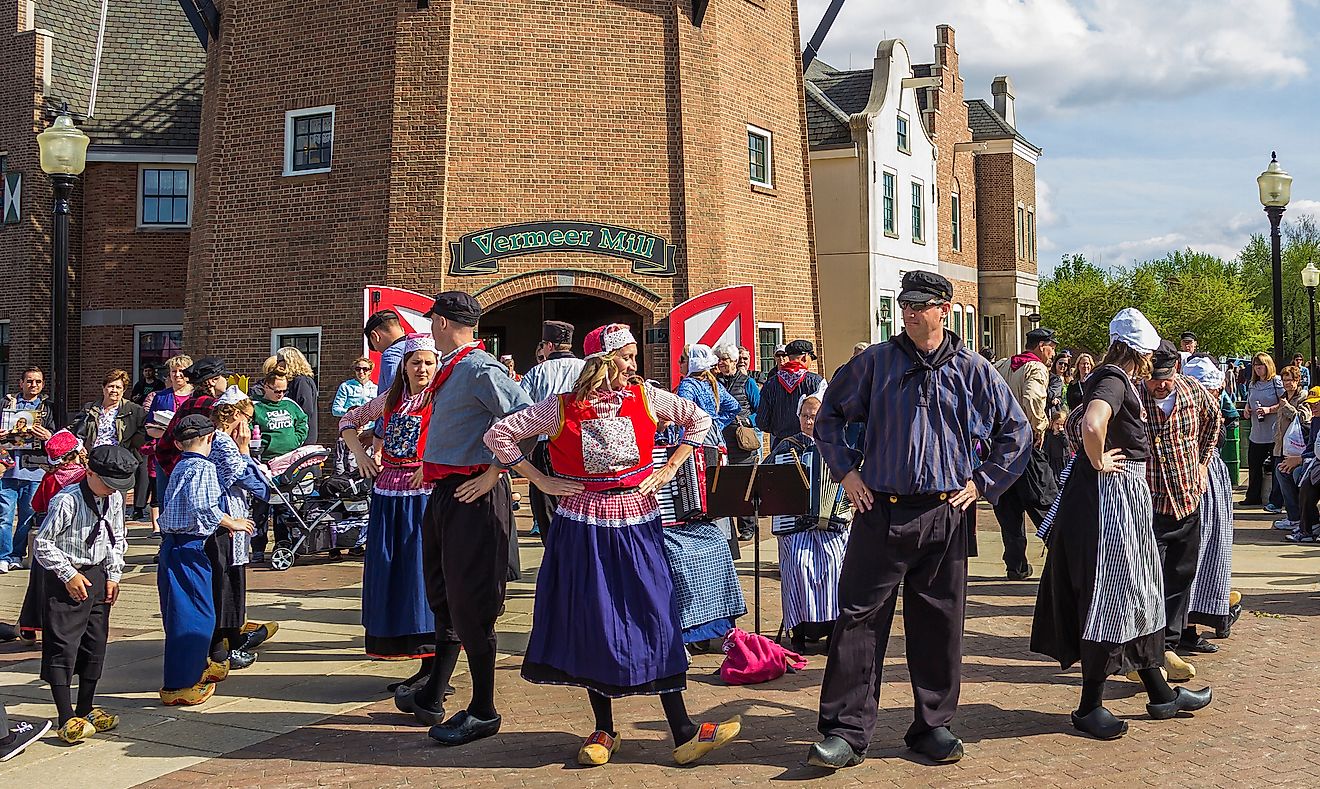
The origins of the word “Dutch” are intertwined with the broader Germanic language family. In Old English, the term “þēod” meant “people” or “nation.” This evolved into “theodish,” which essentially meant “of the people” or “vernacular.” This term was often used to distinguish the local inhabitants from speakers of other languages, particularly Latin.
Interestingly, the term “Deutsch” in German shares this common root. For a long time, inhabitants of what is now the Netherlands were referred to as “Duitsers” by German speakers, and similarly, Germans were also sometimes referred to as “Dutch” by English speakers. This linguistic ambiguity highlights a period where distinct national identities were still solidifying.
The crucial divergence occurred as the region we now know as the Netherlands began to assert its own political and cultural identity, particularly during the Eighty Years’ War (1568–1648) and the subsequent formation of the Dutch Republic. This period of nation-building necessitated clear differentiation. The term “Dutch” gradually became specifically associated with the inhabitants of the Low Countries, distinguishing them from their German neighbors. This linguistic separation was a foundational step in forging a unique national brand.
The “Holland” Conundrum: A Branding Misnomer with Staying Power
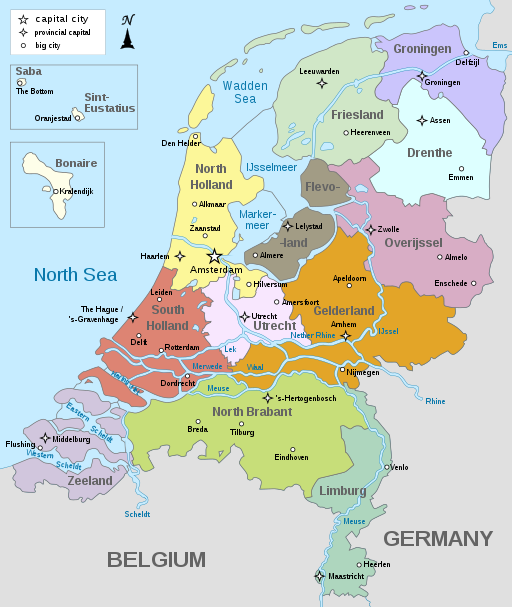
The common colloquialism of referring to the entire country as “Holland” presents a fascinating branding challenge. Historically, “Holland” referred to only one of the twelve provinces (North Holland and South Holland) within the Netherlands. However, due to the economic and cultural prominence of these two provinces in the past, “Holland” became a metonym for the entire nation, both internally and externally.
From a branding perspective, this presents both an opportunity and a potential pitfall. On one hand, “Holland” is an easily recognizable and often warmly received term, evoking images of windmills, tulips, and canals. It has become a shorthand for Dutch culture and products. On the other hand, it’s factually inaccurate for the entire country and can be perceived as an oversimplification, diminishing the identity of the other ten provinces.
The Dutch government has actively sought to rebrand the country, encouraging the use of “The Netherlands” in official contexts and international marketing. This is a strategic move to ensure a more accurate and comprehensive representation of the nation’s diverse regions and cultural offerings. The ongoing tension between the deeply ingrained “Holland” and the more precise “Netherlands” is a constant negotiation in the country’s brand narrative.
The “Dutch” Brand: Core Attributes and Perceived Qualities
The term “Dutch” has, over centuries, become synonymous with a distinct set of perceived qualities and characteristics. These attributes form the bedrock of the Netherlands’ national brand, influencing how it is viewed by consumers, businesses, and other nations.
Innovation and Engineering Prowess: A Brand Built on Practicality
A significant pillar of the “Dutch” brand is its association with innovation, engineering ingenuity, and practical problem-solving. This stems from a long history of mastering water management – a monumental engineering feat that has shaped the very landscape of the country. The Dutch have consistently developed advanced techniques and technologies for reclaiming land from the sea, controlling waterways, and optimizing agricultural productivity in challenging environments.
This practical ingenuity extends beyond water management. The Netherlands has a strong reputation for innovation in sectors like logistics, agriculture technology, renewable energy, and design. The “Dutch” label, therefore, carries with it an implicit promise of efficiency, clever design, and a forward-thinking approach. Companies and individuals associated with the Netherlands often leverage this perception of innovation to enhance their own brand credibility.
Pragmatism, Tolerance, and Openness: A Societal Brand Identity
Beyond technical prowess, the “Dutch” brand is also deeply rooted in perceived societal values. Pragmatism, a no-nonsense approach to problem-solving, and a strong sense of directness are often cited as quintessential Dutch traits. This pragmatism extends to their business dealings and their approach to social issues.
Furthermore, the Netherlands has historically cultivated a brand of tolerance and openness. Its relatively liberal policies on certain social issues, its welcoming attitude towards diverse populations, and its long tradition of international trade have contributed to this perception. This societal brand is crucial for attracting international talent, fostering global business partnerships, and positioning the country as a hub for international exchange and discourse. This openness, while not always universally experienced, remains a powerful element of the “Dutch” brand narrative.
The Global Reach of the “Dutch” Brand: Marketing and Perception
The consistent communication of these core attributes has resulted in a strong and recognizable global brand for “Dutch” people and the Netherlands. This brand is actively managed through various channels, from government initiatives to the marketing efforts of individual companies and cultural institutions.
Government agencies like the Netherlands Foreign Investment Agency (NFIA) and Holland Trade & Invest play a significant role in promoting the country’s economic strengths and innovative capabilities. They target specific industries and investors, leveraging the established “Dutch” brand to attract business. Similarly, cultural institutions and tourist boards actively promote the rich history, art, and lifestyle of the Netherlands, reinforcing the positive perceptions associated with the “Dutch” identity.
The success of this branding is evident in how readily the term “Dutch” is associated with quality, innovation, and a certain progressive outlook. This brand equity allows the people and the nation to command a certain level of recognition and trust in the global marketplace.
Navigating the Terminology: Strategic Branding and Identity Management
Understanding the nuances of how people of Holland are referred to is not merely an academic exercise; it has tangible implications for branding, marketing, and international relations. The strategic management of this identity is a continuous process of refinement and adaptation.
The Power of Precise Naming: “Dutch” vs. “Netherlander”
While “Dutch” is the widely accepted and globally recognized term, it’s important to acknowledge its potential limitations. The term “Netherlander” is more precise as it encompasses all citizens of the Netherlands, irrespective of their province. However, “Netherlander” lacks the same immediate recognition and historical weight as “Dutch.”
From a branding perspective, this presents a dilemma. The familiar and evocative “Dutch” brand offers significant advantages in terms of instant recognition and established associations. However, the potential for misrepresentation and the desire for greater accuracy necessitate ongoing consideration of the term “Netherlander” and the broader concept of Dutch identity beyond the historical province of Holland.
Rebranding for a Modern World: The Netherlands’ Strategic Identity Shift
The Dutch government’s conscious effort to promote “The Netherlands” over “Holland” is a prime example of strategic brand management. This shift aims to:
- Promote Inclusivity: Acknowledge and represent all provinces and regions of the country, not just the historically dominant ones.
- Enhance Accuracy: Ensure that international perceptions align with the reality of a unified nation.
- Modernize the Brand: Position the country as contemporary, dynamic, and forward-looking, moving beyond some of the more traditional, albeit appealing, imagery associated solely with “Holland.”
This rebranding initiative highlights the understanding that national identity is not static. It requires active shaping and recalibration to remain relevant and effective in a globalized world. The success of this strategy depends on consistent messaging and the willingness of both internal stakeholders and external audiences to adopt the updated terminology and embrace the broader brand narrative.
The “Dutch” Brand in a Global Context: Competitive Positioning and Differentiation
In the crowded global landscape, a distinct and well-defined national brand is a significant competitive advantage. The “Dutch” brand, with its established reputation for innovation, pragmatism, and openness, allows the Netherlands to differentiate itself from other nations.
This branding extends beyond mere tourism. It influences foreign direct investment, attracts skilled workers, and shapes diplomatic relationships. When businesses consider where to invest or individuals consider where to live and work, the inherent brand equity associated with being “Dutch” or from the Netherlands can be a powerful deciding factor. The ongoing development and articulation of this brand are crucial for maintaining the country’s position on the international stage.
In conclusion, the question “What are the people of Holland called?” opens a window into the multifaceted nature of national branding. The term “Dutch” is a powerful brand identifier, shaped by history, linguistic evolution, and strategic marketing. Understanding its origins, the qualities it represents, and the ongoing efforts to refine its meaning is essential for appreciating the intricate interplay between identity and perception in the global arena. The “Dutch” brand, much like the nation itself, is a dynamic entity, continually evolving to meet the challenges and opportunities of the modern world.
aViewFromTheCave is a participant in the Amazon Services LLC Associates Program, an affiliate advertising program designed to provide a means for sites to earn advertising fees by advertising and linking to Amazon.com. Amazon, the Amazon logo, AmazonSupply, and the AmazonSupply logo are trademarks of Amazon.com, Inc. or its affiliates. As an Amazon Associate we earn affiliate commissions from qualifying purchases.