
Proteins are the workhorses of life, performing a staggering array of functions essential for every living organism. From catalyzing biochemical reactions to providing structural support and facilitating communication within cells, proteins are indispensable. Understanding the fundamental building blocks of these complex molecules is crucial for comprehending their structure, function, and ultimately, their therapeutic and industrial applications. The fundamental units that assemble to form proteins are known as monomers, and these are specifically amino acids. This article will delve into the intricate world of amino acids, exploring their structure, variety, and how their specific arrangements dictate the diverse roles proteins play.

The Molecular Architecture of Amino Acids: The Foundation of Protein Diversity
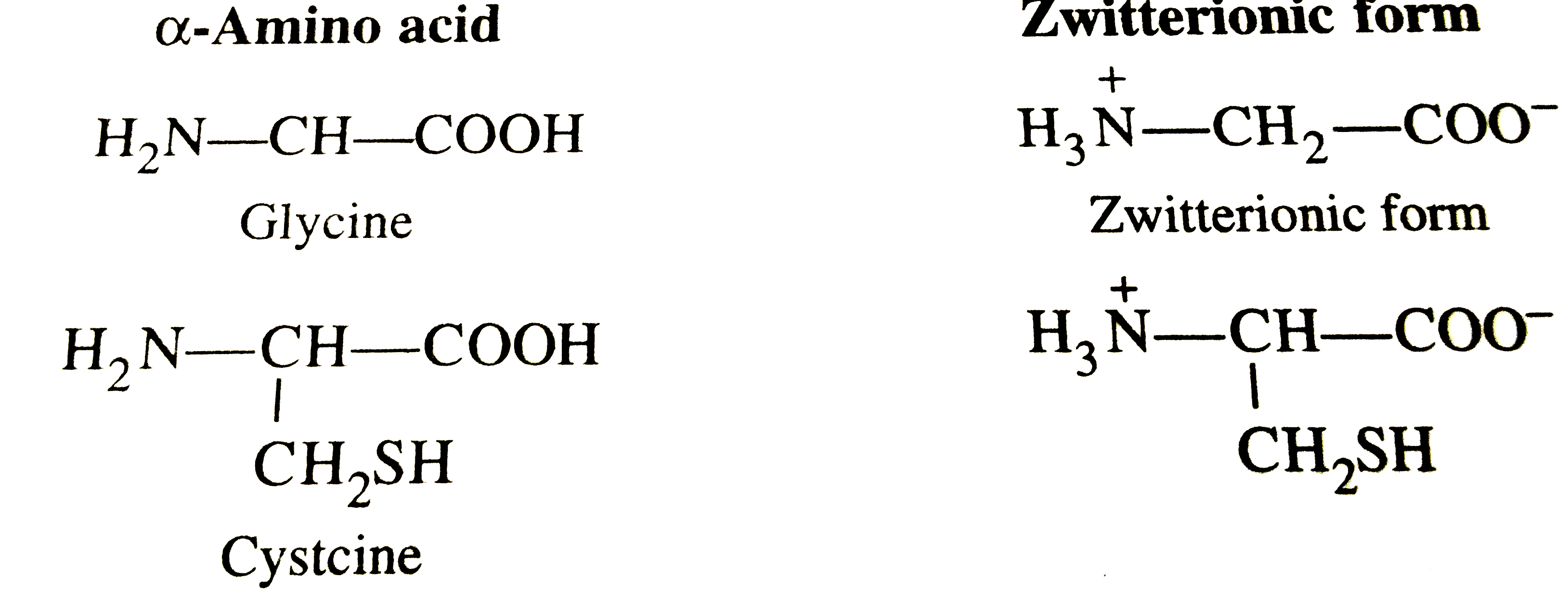
At the heart of every amino acid lies a common structural framework, yet subtle variations within this framework are what grant them their unique identities. Each amino acid possesses a central carbon atom, referred to as the alpha-carbon. This alpha-carbon is bonded to four distinct groups:
The Universal Components: Carboxyl Group, Amino Group, and Hydrogen Atom
Attached to the alpha-carbon are three groups that are universally present in all amino acids. The carboxyl group (-COOH) is acidic, capable of donating a proton. The amino group (-NH2) is basic, able to accept a proton. The third universal component is a hydrogen atom (-H). These three groups form the core backbone of the amino acid structure.
The Differentiating Side Chain: The “R” Group
The true determinant of an amino acid’s identity and its chemical properties lies in the fourth group attached to the alpha-carbon, known as the side chain or R-group. This R-group is unique to each of the twenty common amino acids found in proteins. The diversity of these R-groups is vast, ranging from simple hydrogen atoms to complex ring structures, and it is this diversity that underpins the immense variety of protein structures and functions. The chemical nature of the R-group dictates whether an amino acid will be polar or nonpolar, acidic or basic, charged or neutral, thereby influencing how it interacts with other molecules and its environment.
Chirality: The Mirror Image Phenomenon
A fascinating aspect of amino acids (with the exception of glycine, where the R-group is also a hydrogen atom) is their chirality. The alpha-carbon is a chiral center, meaning it is bonded to four different groups. This results in the existence of two stereoisomers, often referred to as L-amino acids and D-amino acids, which are non-superimposable mirror images of each other. In biological systems, with very few exceptions, only L-amino acids are utilized for protein synthesis. This stereospecificity is a fundamental aspect of biological chemistry and is critical for the precise folding and function of proteins.
The Twenty Standard Amino Acids: A Palette of Chemical Properties
The human body and other organisms utilize a standard set of twenty different amino acids to build proteins. These twenty amino acids can be broadly categorized based on the chemical properties of their R-groups, which in turn influence their behavior within a protein’s structure and its interactions with its surroundings. Understanding these classifications is key to deciphering how proteins fold and function.
Nonpolar Amino Acids: The Hydrophobic Core
Amino acids with nonpolar R-groups are hydrophobic, meaning they tend to avoid water. In aqueous environments, such as the interior of a cell, these amino acids will preferentially cluster together in the core of a protein, away from the surrounding water molecules. This hydrophobic effect is a major driving force in protein folding, helping to stabilize the three-dimensional structure. Examples of nonpolar amino acids include alanine, valine, leucine, isoleucine, methionine, phenylalanine, tyrosine, tryptophan, and proline. Proline is unique in that its R-group forms a ring structure with the amino group, introducing a kink into the polypeptide chain.
Polar Amino Acids: Facilitating Water Interactions
Amino acids with polar R-groups are hydrophilic, meaning they have an affinity for water. These amino acids typically reside on the surface of proteins, where they can interact with the aqueous environment through hydrogen bonding. Their polar nature also allows them to participate in important interactions within the protein structure itself. This category includes:
Uncharged Polar Amino Acids

These amino acids contain R-groups with polar covalent bonds, such as hydroxyl (-OH), amide (-CONH2), or sulfhydryl (-SH) groups. They can form hydrogen bonds but do not carry a net charge at physiological pH. Examples include serine, threonine, cysteine, asparagine, and glutamine. Cysteine is particularly important as its sulfhydryl group can form disulfide bonds with another cysteine residue, creating covalent cross-links that further stabilize protein structure.
Charged Polar Amino Acids
These amino acids possess R-groups that carry a net electrical charge at physiological pH. This charge makes them highly soluble in water and capable of forming strong ionic interactions with oppositely charged residues within or outside the protein. They are crucial for interactions with other charged molecules and play significant roles in enzyme active sites and protein-protein recognition. This group is further divided into:
- Acidic Amino Acids: These have carboxyl groups in their R-groups, which are deprotonated at physiological pH, giving them a negative charge. Aspartate and glutamate are the two acidic amino acids.
- Basic Amino Acids: These have amino groups in their R-groups, which are protonated at physiological pH, giving them a positive charge. Lysine, arginine, and histidine are the basic amino acids. Histidine is particularly interesting as its R-group can be either protonated or deprotonated depending on the local pH, making it a common participant in enzyme catalysis.
The Polymerization Process: Forming the Polypeptide Chain
The monomers of proteins, amino acids, do not exist in isolation within a functional protein. Instead, they are linked together in a specific linear sequence to form long chains called polypeptides. This polymerization process is a cornerstone of protein synthesis and is governed by precise biological mechanisms.
Peptide Bonds: The Covalent Linkage
The bond that connects one amino acid to another in a polypeptide chain is called a peptide bond. This is a covalent bond formed through a dehydration synthesis (or condensation) reaction. In this reaction, the carboxyl group of one amino acid reacts with the amino group of another, releasing a molecule of water. The resulting linkage is an amide bond. This process is repeated sequentially, adding amino acids one by one to form a growing polypeptide chain. The directionality of the polypeptide chain is always from the N-terminus (the end with a free amino group) to the C-terminus (the end with a free carboxyl group).
The Genetic Code: Dictating the Amino Acid Sequence
The order in which amino acids are linked together to form a specific polypeptide is not arbitrary. It is dictated by the genetic information encoded within DNA. Genes, segments of DNA, contain the instructions for building proteins by specifying the sequence of amino acids. This information is transcribed into messenger RNA (mRNA), which then serves as a template for protein synthesis during translation by ribosomes. The genetic code, a set of rules, translates the nucleotide sequence of mRNA into the amino acid sequence of a polypeptide. Each three-nucleotide sequence, called a codon, specifies a particular amino acid or a stop signal.
Post-Translational Modifications: Expanding Protein Functionality
While the primary sequence of amino acids is determined by the genetic code, many proteins undergo further modifications after their synthesis. These post-translational modifications can alter the chemical properties of amino acids, add new functional groups, or even covalently link polypeptide chains together. Such modifications are crucial for achieving the final, functional form of a protein and expanding the repertoire of protein functions beyond what is possible with the basic twenty amino acids alone. Examples include phosphorylation, glycosylation, acetylation, and ubiquitination, each playing a vital role in protein regulation, signaling, and localization.
Beyond the Twenty: Unnatural Amino Acids and Their Significance
While the twenty standard amino acids form the vast majority of proteins in nature, scientific advancements have opened the door to incorporating unnatural amino acids into proteins. These synthetic amino acids possess modified R-groups or even entirely novel chemical structures, offering a powerful tool for research and biotechnological applications.
Expanding the Protein Alphabet: Customization and Engineering
The ability to introduce unnatural amino acids allows scientists to precisely tailor the properties of proteins. By substituting a standard amino acid with an unnatural one, researchers can introduce new functionalities, such as novel catalytic activities, altered fluorescence properties, or enhanced stability. This is achieved through sophisticated techniques, often involving engineered ribosomal machinery or specialized tRNA synthetases. Unnatural amino acids can be used to create novel biosensors, develop targeted drug delivery systems, or engineer enzymes with specific industrial applications.
Research and Therapeutic Applications: Unlocking New Possibilities
The incorporation of unnatural amino acids has profound implications for both fundamental biological research and the development of new therapeutics. For instance, incorporating amino acids with photoactivatable or cleavable side chains can be used to study protein dynamics and interactions with unprecedented temporal and spatial control. In the realm of medicine, unnatural amino acids can be used to create proteins with improved pharmacokinetic profiles, enhance the specificity of therapeutic antibodies, or develop vaccines with novel antigen presentation capabilities. This expanding “protein alphabet” represents a frontier in biotechnology, promising to unlock new avenues for innovation and address critical challenges in health and industry.
aViewFromTheCave is a participant in the Amazon Services LLC Associates Program, an affiliate advertising program designed to provide a means for sites to earn advertising fees by advertising and linking to Amazon.com. Amazon, the Amazon logo, AmazonSupply, and the AmazonSupply logo are trademarks of Amazon.com, Inc. or its affiliates. As an Amazon Associate we earn affiliate commissions from qualifying purchases.