
Russia, a land of vast landscapes and a rich tapestry of history, is also a nation where faith plays a significant, though often nuanced, role in the lives of its citizens. For global and domestic brands seeking to connect with the Russian market, understanding the religious landscape is not merely an academic exercise; it is a fundamental component of effective brand strategy, corporate identity, and targeted marketing. The dominant religious traditions, their historical evolution, and their contemporary impact shape cultural values, consumer preferences, and ultimately, the way brands are perceived and received.

Historical Roots and Contemporary Dominance: Russian Orthodoxy
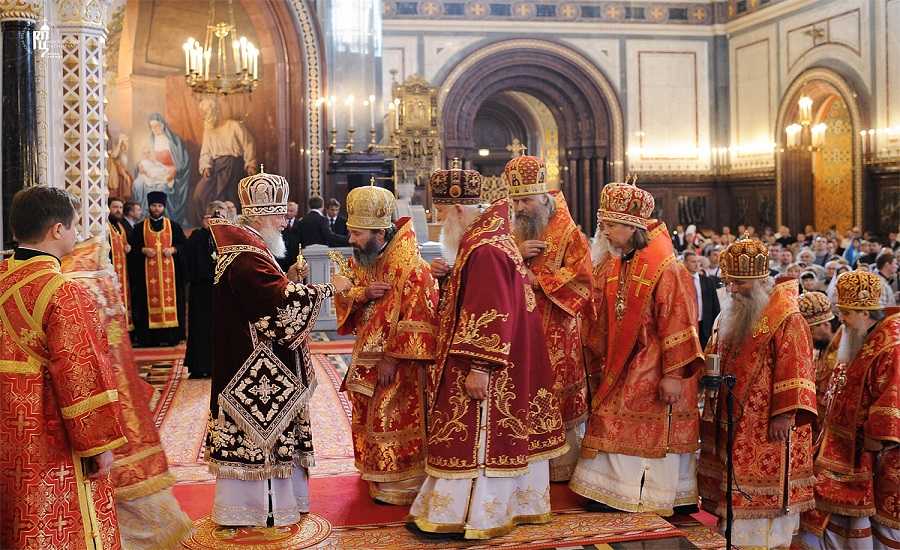
The spiritual heart of Russia for centuries has been the Russian Orthodox Church, a branch of Eastern Orthodox Christianity. Its influence is so deeply interwoven with the fabric of Russian identity that it often transcends personal religious practice, permeating national consciousness and cultural expression. Understanding its historical trajectory and current standing is paramount for any brand aiming to resonate with the Russian populace.
The Byzantine Legacy and Imperial Patronage
The conversion of Rus’ to Orthodox Christianity in 988 AD, under Prince Vladimir the Great of Kyiv, marked a pivotal moment. This adoption of Byzantine Christianity from Constantinople brought not only a new faith but also a sophisticated cultural and legal framework. The Church became intrinsically linked with the state, fostering a symbiotic relationship that would endure for centuries. During the Tsarist era, the Orthodox Church was the official state religion, enjoying immense power and privilege. Its monasteries were centers of learning and art, and its iconography and liturgical practices became defining elements of Russian cultural heritage. This historical patronage cemented its position as the primary spiritual and cultural institution, shaping societal norms and national aspirations.
Soviet Suppression and Post-Soviet Resurgence
The 20th century brought a dramatic upheaval. The Bolshevik Revolution and the subsequent Soviet regime launched a systematic and brutal campaign against religion. Churches were destroyed or repurposed, clergy were persecuted, and religious practice was severely curtailed. Despite this intense suppression, faith persisted in private homes and within clandestine communities. The collapse of the Soviet Union in 1991 ushered in an era of unprecedented religious revival. The Russian Orthodox Church experienced a remarkable resurgence, rebuilding churches, re-establishing seminaries, and reclaiming its public prominence. This resurgence has been fueled by a desire to reconnect with a lost heritage, to find moral and spiritual guidance in a rapidly changing society, and to reassert a distinct Russian identity in the post-Soviet world.
Modern Manifestations and Brand Implications
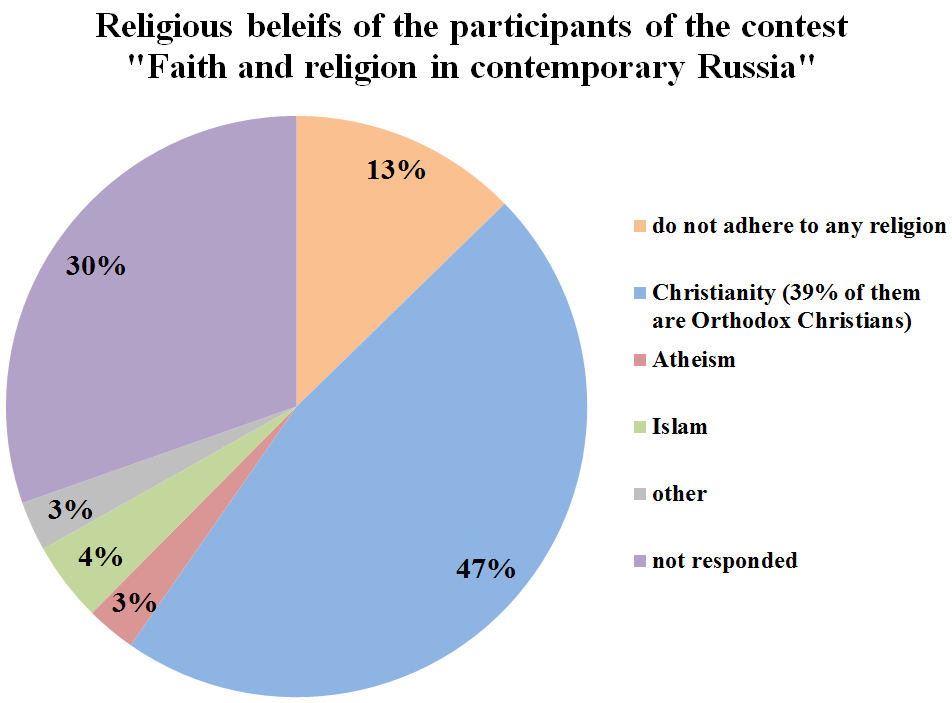
Today, Russian Orthodoxy remains the dominant religious affiliation for the majority of Russians. While active church attendance may vary, the cultural and historical resonance of Orthodoxy is undeniable. This translates into significant implications for brand strategy:
- Symbolism and Aesthetics: Orthodox imagery, symbols (like the cross), and architectural styles (domes, onion spires) are deeply embedded in the Russian psyche. Brands that can tastefully and respectfully incorporate these elements into their visual identity or marketing campaigns can evoke a sense of familiarity and trust. This could range from subtle color palettes inspired by church art to more overt stylistic cues.
- Values and Ethics: The Orthodox Church emphasizes values such as community, family, humility, and national unity. Brands that align their messaging and corporate social responsibility initiatives with these values are likely to be perceived more favorably. Demonstrating a commitment to social welfare, family support, or national pride can resonate deeply.
- Festivals and Traditions: Religious holidays, such as Easter (Paskha) and Christmas, are significant cultural events in Russia. Brands can leverage these periods for targeted marketing campaigns, offering promotions or products that acknowledge and celebrate these traditions. However, sensitivity is key; these campaigns must be respectful and avoid commercializing deeply sacred observances.
- Geographic Influence: The density of Orthodox churches and monasteries in certain regions can indicate a stronger presence and influence of the faith. This might inform regional marketing strategies and the selection of brand ambassadors or community engagement initiatives.
Beyond Orthodoxy: A Mosaic of Other Faiths
While Russian Orthodoxy holds the preeminent position, Russia is a vast and diverse nation, home to a significant array of other religious traditions. Understanding these minority faiths is crucial for brands aiming for inclusivity, broader market penetration, and a nuanced understanding of regional cultural variations.
Islam: A Significant and Growing Presence
Islam is the second-largest religion in Russia, with a long history of co-existence with Orthodoxy. Significant Muslim populations are concentrated in regions such as the North Caucasus (Chechnya, Dagestan, Ingushetia), Tatarstan, and Bashkortostan, as well as in major urban centers like Moscow and St. Petersburg. The Muslim community in Russia is diverse, encompassing various ethnic groups and interpretations of Islam.
Historical Coexistence and Contemporary Dynamics
The presence of Islam in Russia dates back centuries, with the conversion of Volga Bulgaria in the 10th century. Over time, Islamic cultures and traditions have become deeply integrated into the identities of many Russian peoples. During the Soviet era, religious expression was suppressed, but Islamic traditions persisted. The post-Soviet era has seen a resurgence of Islamic practice and a renewed emphasis on religious identity for many Muslims.
Brand Engagement with the Muslim Community
For brands, engaging with the Muslim community requires cultural sensitivity and an understanding of Islamic principles:
- Halal Products and Services: For food and beverage brands, the demand for halal-certified products is significant and growing. Offering a range of halal options can open up a substantial market segment. This extends to other sectors, such as cosmetics and pharmaceuticals, where ingredients may be of concern.
- Modesty and Appropriateness: Marketing materials, particularly imagery and advertising, should be mindful of Islamic norms regarding modesty, especially in regions with a strong Muslim presence. This involves avoiding overtly provocative or religiously insensitive content.
- Eid Celebrations: Similar to Orthodox holidays, Islamic festivals like Eid al-Fitr and Eid al-Adha are important occasions. Brands can tailor promotions and marketing messages to acknowledge and celebrate these events respectfully, demonstrating cultural awareness.
- Regional Nuances: The intensity and specific practices of Islam can vary significantly between regions. Brands must research and understand these local nuances to avoid missteps.
Other Religious and Spiritual Traditions
Russia’s religious landscape is further enriched by a variety of other faiths, each contributing to the nation’s cultural mosaic. These include:
- Judaism: Russia has a long and complex history with its Jewish population. While facing periods of persecution, Jewish communities have maintained their presence and cultural traditions, particularly in cities like Moscow and St. Petersburg. Brands should be aware of Jewish holidays and cultural sensitivities when marketing to these communities.
- Buddhism: Buddhism, primarily Tibetan Buddhism, is prevalent in certain regions like Buryatia, Kalmykia, and Tuva. These communities have their own distinct spiritual practices and cultural expressions.
- Indigenous and Traditional Beliefs: Many indigenous groups across Russia maintain their traditional spiritual beliefs and practices, often intertwined with nature and ancestral veneration.
- New Religious Movements and Spirituality: In the post-Soviet era, there has also been an increase in diverse spiritual paths and new religious movements, reflecting a broader search for meaning and identity.
The Importance of Inclusivity and Respect
For brands, acknowledging and respecting this diversity is not just a matter of ethical practice but also of effective market strategy.
- Inclusive Marketing: Marketing campaigns that feature diverse individuals and acknowledge different cultural backgrounds can foster a sense of belonging and inclusivity. This can be achieved through representation in advertising, multilingual messaging, and culturally relevant product offerings.
- Avoiding Stereotypes: It is crucial to avoid perpetuating stereotypes or making generalizations about any religious group. Thorough research and understanding are essential to ensure that branding efforts are authentic and respectful.
- Community Engagement: Partnering with or supporting community initiatives related to various religious groups can build goodwill and demonstrate a brand’s commitment to social responsibility and cultural understanding.
Navigating the Nuances: Religious Identity and Brand Strategy
The relationship between religion and identity in Russia is multifaceted. For many, religious affiliation is not solely about doctrine or dogma but is deeply intertwined with cultural heritage, national identity, and personal values. Brands that grasp this complexity can forge stronger, more meaningful connections with their target audiences.
The Secular Majority and Cultural Spirituality
It is important to note that while a significant proportion of Russians identify with a particular religion, active participation in religious rituals may be lower. For many, religious identity is more about cultural heritage and a sense of belonging than strict adherence to religious laws. This phenomenon of “cultural spirituality” means that even individuals who are not devout practitioners may still be influenced by the values, traditions, and symbols associated with their religious background. Brands should be mindful of this distinction, recognizing that messaging might resonate on a cultural level even without direct religious appeal.
The Role of Religion in Consumer Behavior
Religion can subtly influence consumer behavior in several ways:
- Purchasing Decisions: Certain religious holidays might see increased spending on gifts or specific types of products. For example, during Lent, demand for certain food items might decrease, while during religious festivals, there might be a surge in spending on celebratory goods.
- Brand Trust and Loyalty: Brands that are perceived as being aligned with the values of a particular religious community, or that demonstrate respect for religious traditions, can cultivate higher levels of trust and loyalty. Conversely, brands that are seen as insensitive or disrespectful may face boycotts or negative sentiment.
- Media Consumption: Religious communities may have their own media outlets, websites, or social media groups. Understanding where and how these communities consume information can be vital for targeted advertising and brand communication.
Building Authentic Connections Through Religious Understanding
For brands operating in or targeting the Russian market, a sophisticated approach to religion in branding is essential:
- Research and Consultation: Invest in thorough market research and, where appropriate, consult with community leaders or cultural experts from different religious backgrounds. This due diligence is critical for avoiding costly mistakes.
- Authenticity Over Opportunism: Religious themes and symbols should be integrated authentically into brand narratives, not used as a superficial marketing ploy. Consumers are adept at recognizing insincerity, which can damage a brand’s reputation.
- Long-Term Perspective: Building trust and rapport with diverse religious communities is a long-term endeavor. Consistent respect, cultural sensitivity, and genuine engagement are key to establishing a strong and enduring brand presence in Russia.
In conclusion, the religious landscape of Russia is a dynamic and influential factor that brands cannot afford to overlook. From the pervasive cultural resonance of Russian Orthodoxy to the growing presence of Islam and the rich tapestry of other faiths, understanding these spiritual currents is fundamental to crafting effective brand strategies, developing strong corporate identities, and executing impactful marketing campaigns. By embracing inclusivity, demonstrating respect, and engaging authentically, brands can navigate this complex terrain and forge meaningful connections with the diverse consumers of Russia.
aViewFromTheCave is a participant in the Amazon Services LLC Associates Program, an affiliate advertising program designed to provide a means for sites to earn advertising fees by advertising and linking to Amazon.com. Amazon, the Amazon logo, AmazonSupply, and the AmazonSupply logo are trademarks of Amazon.com, Inc. or its affiliates. As an Amazon Associate we earn affiliate commissions from qualifying purchases.