
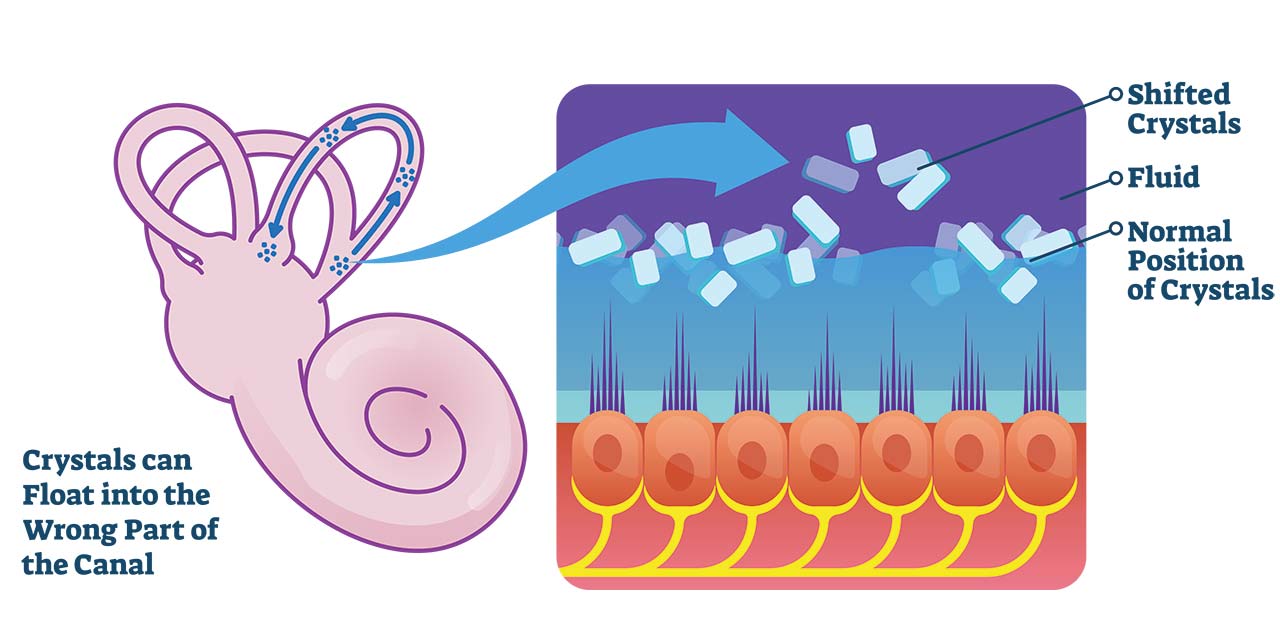
The human body is an intricate marvel, a symphony of biological processes working in harmonious concert. Within this biological orchestra, few systems are as delicately balanced yet profoundly impactful as our vestibular system, nestled deep within the inner ear. It’s here that tiny, calcium carbonate structures, often referred to as “crystals in your ear” – scientifically known as otoconia or otoliths – play a pivotal role in maintaining our balance and spatial orientation. When these microscopic crystals become dislodged, they can wreak havoc, causing conditions like Benign Paroxysmal Positional Vertigo (BPPV), characterized by sudden, debilitating spells of dizziness.

While the underlying biology has been understood for decades, the 21st century has ushered in an unprecedented era of technological innovation that is fundamentally transforming how we understand, diagnose, treat, and even prevent issues related to these inner ear crystals. From sophisticated diagnostic gadgets and AI-powered analytical tools to immersive virtual reality therapies and wearable monitoring devices, technology is rapidly advancing our ability to restore equilibrium for millions worldwide. This exploration delves into the technological frontier of inner ear health, revealing how advancements across various tech domains are offering new hope and enhancing the quality of life for those affected by these seemingly small, but incredibly important, crystals.
The Biological Blueprint: Understanding Otoconia Through a Tech Lens
At its core, the journey to tackling inner ear disorders begins with a profound understanding of their biological underpinnings. The otoconia are crucial components of the inner ear’s utricle and saccule, hair-cell-lined sacs that detect linear acceleration and the pull of gravity. These crystals, embedded in a gelatinous membrane, bend the hair cells as our head moves, sending signals to the brain that interpret our position and motion. Technology, far from being just a treatment tool, is increasingly vital in expanding our foundational knowledge of these structures and their complex interactions.
The Vestibular System and Its Tiny Components Under the Microscope
Advanced imaging techniques have revolutionized our ability to visualize the delicate structures of the inner ear. High-resolution electron microscopy provides unprecedented views of individual otoconia, revealing their precise crystalline structure and how they attach to the gelatinous membrane. Beyond static images, dynamic imaging platforms and micro-CT scans allow researchers to study the mechanics of fluid movement within the semi-circular canals and the forces acting upon the otoconia in real-time. This level of detail, impossible just a few decades ago, is powered by sophisticated optics, sensor arrays, and powerful image processing software that can reconstruct three-dimensional models from minute data points. These technological tools are not just academic curiosities; they provide critical insights into why otoconia detach and how they might be more effectively repositioned. Understanding the material science of these crystals and the biomechanics of their environment is directly influenced by our capacity for technological observation and simulation.
When Crystals Go Astray: The Vertigo Connection and Diagnostic Evolution
The clinical manifestation of dislodged otoconia, BPPPV, is often diagnosed through specific head-positioning maneuvers like the Dix-Hallpike test. While these tests remain fundamental, technology has enhanced their precision and objectivity. Modern diagnostic suites now integrate high-speed video oculography (VOG) systems, which use specialized cameras to record and analyze subtle eye movements (nystagmus) that are indicative of dislodged crystals. These VOG systems connect to computers with advanced algorithms that can quantify the direction, speed, and duration of nystagmus with far greater accuracy than human observation alone. This quantitative data aids clinicians in precisely identifying the affected canal and the specific type of BPPV, leading to more targeted and effective treatment plans. The move from subjective observation to objective, data-driven diagnostics is a testament to how technology is refining our approach to inner ear health.
Gadgets and AI: Pioneering Diagnostics for Inner Ear Disorders
The technological landscape of inner ear diagnostics is rapidly evolving, moving beyond traditional methods to incorporate cutting-edge gadgets and artificial intelligence. These innovations are making diagnosis more precise, accessible, and often, less invasive, marking a significant leap forward in managing conditions stemming from dislodged otoconia.
Advanced Imaging and Oculography for Precision Diagnosis
The era of guess-work in inner ear diagnostics is waning, thanks to sophisticated hardware. Beyond basic VOG, advanced systems now include compact, head-mounted devices equipped with infrared cameras that can track eye movements even in darkness, eliminating visual fixation and revealing subtle nystagmus that might otherwise be missed. These portable devices, akin to high-tech goggles, interface with tablets or smartphones, bringing laboratory-grade diagnostics to clinics and even remote locations. Furthermore, specialized 3D imaging techniques, though still largely in research, promise to offer direct visualization of otoconia within the vestibular labyrinth, potentially allowing for non-invasive confirmation of dislodgement and even tracking their movement. These gadgets aren’t just tools; they are extensions of the clinician’s senses, offering unprecedented clarity.
AI-Powered Analysis: Predicting and Personalizing Treatment
Artificial intelligence is perhaps the most transformative technological force in modern medicine, and inner ear health is no exception. AI algorithms can analyze vast datasets of patient symptoms, VOG recordings, and treatment outcomes to identify patterns that might elude human observation. For BPPV, AI can be trained on thousands of video oculography segments to automatically detect and classify nystagmus patterns, even subtle ones, with remarkable accuracy. This not only speeds up diagnosis but also reduces observer bias and improves consistency across different practitioners. Moreover, AI is being leveraged to predict the most effective canalith repositioning maneuver (like the Epley maneuver) based on an individual’s unique presentation, potentially personalizing treatment protocols and improving success rates. Beyond diagnostics, predictive analytics powered by machine learning could one day identify individuals at higher risk of BPPV recurrence, enabling targeted preventative strategies.
Wearable Tech: Early Detection and Monitoring Potentials
The ubiquitous nature of wearable technology offers exciting prospects for the future of inner ear health. While still in nascent stages, researchers are exploring how smartwatches, fitness trackers, and specialized head-mounted sensors could monitor subtle changes in gait, balance, and head movements that might precede a vertigo attack or indicate ongoing vestibular dysfunction. Accelerometers and gyroscopes, common in most modern wearables, can collect continuous data on a user’s stability and motion. AI algorithms could then analyze this data to detect deviations from baseline patterns, potentially signaling the early stages of otoconia displacement or providing real-time feedback for individuals undergoing vestibular rehabilitation. Imagine a smart device that alerts you to unusual balance patterns, prompting a check-up before a full-blown vertigo episode occurs. This proactive, continuous monitoring capability represents a significant shift from reactive treatment to preventative health management, all powered by miniaturized sensors and intelligent algorithms.
Tech-Driven Therapies: Innovating Treatment for BPPV and Beyond
Once diagnosed, the journey to recovery from inner ear disorders is increasingly paved with technological assistance. Traditional physical maneuvers, while effective, are now being augmented and even replaced by innovative tech solutions that make treatment more precise, engaging, and accessible.
Digital Tools for Epley Maneuvers and Vestibular Rehabilitation
The Epley maneuver is a cornerstone treatment for BPPV, involving a series of precise head and body movements to guide dislodged otoconia back into their proper place. While effective, performing it correctly can be challenging for both patients and caregivers. This is where digital tools step in. Smartphone apps are now available that provide animated, step-by-step instructions for various repositioning maneuvers, often accompanied by audio cues and timers, ensuring proper pacing and execution. Some apps even integrate device sensors to provide real-time feedback on head angles, guiding the user through each stage with accuracy. Beyond acute treatment, a broader category of vestibular rehabilitation apps and software platforms offers personalized exercise regimens designed to retrain the brain and improve balance, stability, and gaze control. These digital therapists provide structured programs, track progress, and adapt exercises based on user performance, making rehabilitation more engaging and empowering patients to take an active role in their recovery.

Specialized Devices: Repositioning and Stabilization Innovations
Moving beyond software, dedicated hardware gadgets are emerging to enhance or even automate repositioning maneuvers. One notable example is the Guldmann Sling, a device that gently assists patients through BPPV maneuvers, providing controlled movement and support, which can be particularly beneficial for individuals with mobility issues or severe dizziness. Research is also exploring more sophisticated, robotic-assisted devices that could precisely control head movements during maneuvers, ensuring optimal angles and durations, thereby potentially increasing success rates and reducing discomfort. These devices, while complex, promise a future where repositioning is not only effective but also highly reproducible and less reliant on manual dexterity. Further down the line, advancements in biofeedback systems and neurostimulation techniques could lead to non-invasive devices that help stabilize the vestibular system, preventing future crystal displacement or mitigating the symptoms of chronic imbalance.
Virtual Reality and Gamification in Balance Therapy
The immersive power of virtual reality (VR) and augmented reality (AR) is being harnessed to create engaging and effective platforms for vestibular rehabilitation. VR environments can simulate challenging real-world scenarios – like walking on uneven terrain or navigating a crowded street – in a safe and controlled setting. Patients can practice balance exercises, gaze stabilization, and spatial awareness drills within these virtual worlds, gradually increasing the difficulty as their vestibular system recovers. Gamification elements, such as scoring, challenges, and progress tracking, make these therapies more motivating and enjoyable, improving patient adherence. The ability of VR to create highly customized and repeatable stimuli makes it an invaluable tool for retraining the brain’s balance mechanisms. Furthermore, AR overlays can provide real-time visual cues or feedback during physical therapy sessions, enhancing proprioception and improving motor control, demonstrating how a fusion of digital and physical environments can accelerate recovery.
The Future of Inner Ear Health: AI, Robotics, and Personalized Medicine
The trajectory of technological advancement in inner ear health points towards an increasingly personalized, predictive, and preventative future. Artificial intelligence, robotics, and the overarching theme of personalized medicine will redefine how we manage conditions related to the crystals in our ears.
Predictive Analytics and Preventative Tech
The ultimate goal in healthcare is often prevention, and here, AI offers monumental potential. By analyzing genetic predispositions, lifestyle factors, environmental data, and historical medical records, AI algorithms could identify individuals at high risk for developing conditions like BPPV even before symptoms appear. Wearable tech, as discussed, could provide continuous monitoring, flagging subtle changes that indicate impending crystal displacement. This shift from reactive treatment to proactive prevention could involve personalized dietary recommendations, specific physical exercises, or even lifestyle adjustments designed to maintain inner ear health. Furthermore, AI could optimize medication dosages or rehabilitation protocols based on an individual’s unique response patterns, moving away from one-size-fits-all approaches.
Robotic Assistance in Diagnosis and Treatment
Robotics, currently making inroads in surgery and rehabilitation, holds promise for precision in vestibular care. Imagine robotic arms capable of executing Dix-Hallpike tests with unparalleled consistency, ensuring every angle and velocity is perfectly controlled for objective diagnosis. In treatment, robotic platforms could perform canalith repositioning maneuvers with sub-millimeter precision, guiding the patient’s head through the exact trajectory required to relocate dislodged otoconia. This level of automation not only enhances accuracy but also reduces physical strain on practitioners and offers a highly standardized treatment experience. As robots become more sophisticated, they could even adapt maneuvers in real-time based on patient feedback or physiological responses, offering a dynamic and responsive therapeutic environment.
Telemedicine and Remote Monitoring: Bridging Healthcare Gaps
The digital revolution has brought healthcare closer to home, and telemedicine is set to play an even larger role in inner ear health. For conditions like BPPV, where physical maneuvers are key, remote consultations combined with patient-facing digital tools can facilitate diagnosis and treatment in rural areas or for those with mobility challenges. Patients could use smartphone apps with integrated head tracking to perform maneuvers under virtual guidance from a specialist, or wearable sensors could transmit balance data directly to clinicians for ongoing monitoring. This remote access not only improves convenience but also democratizes access to specialized vestibular care, ensuring that more people can receive timely diagnosis and effective management for their “crystals in the ear” no matter their location.
Challenges and Opportunities in Inner Ear Tech Development
While the technological horizon for inner ear health appears bright, its development and widespread adoption are not without hurdles. Addressing these challenges will be crucial for realizing the full potential of these innovations.
Data Privacy and Security in Health Tech
The increasing reliance on digital platforms, wearable sensors, and AI for collecting and analyzing sensitive health data raises significant concerns about privacy and security. Protecting patient information from breaches and misuse is paramount. Developers of inner ear health tech must implement robust encryption, adhere to stringent data protection regulations (like GDPR and HIPAA), and build trust with users by being transparent about data collection and usage. The opportunity lies in developing secure, interoperable platforms that allow for seamless data sharing among healthcare providers while maintaining patient confidentiality.
Accessibility and Affordability of New Technologies
Cutting-edge technologies often come with a high price tag, creating a potential barrier to access for many individuals and healthcare systems. Ensuring that advanced diagnostic gadgets, AI-powered tools, and VR therapies are not just effective but also affordable and widely accessible is a critical challenge. Opportunities exist in developing cost-effective hardware, leveraging open-source software, and advocating for insurance coverage for tech-enabled therapies. Furthermore, designing intuitive interfaces and providing adequate training for both patients and clinicians will be essential for successful adoption across diverse demographics.
The Ethical Implications of AI in Diagnostics
As AI takes on a more prominent role in diagnosing and even predicting health conditions, ethical considerations become vital. Who is accountable if an AI algorithm misdiagnoses a condition or recommends an inappropriate treatment? How do we prevent algorithmic bias that might disproportionately affect certain patient groups? The opportunity here lies in developing ethical AI frameworks, ensuring transparency in algorithmic decision-making, and fostering human-in-the-loop approaches where AI assists clinicians rather than replacing their judgment entirely. Collaborative efforts between technologists, clinicians, ethicists, and policymakers will be crucial to navigate these complex questions and ensure that AI serves to augment, not undermine, human care in inner ear health.
In conclusion, the seemingly simple “crystals in your ear” are at the heart of a rapidly evolving field where technology is the primary catalyst for change. From enabling deeper scientific understanding to revolutionizing diagnosis, refining treatment, and paving the way for personalized preventative care, tech innovations are transforming our approach to inner ear health. By addressing the accompanying challenges with foresight and collaboration, we can unlock a future where conditions like BPPV are more effectively managed, leading to a world with less dizziness and more equilibrium for everyone.
aViewFromTheCave is a participant in the Amazon Services LLC Associates Program, an affiliate advertising program designed to provide a means for sites to earn advertising fees by advertising and linking to Amazon.com. Amazon, the Amazon logo, AmazonSupply, and the AmazonSupply logo are trademarks of Amazon.com, Inc. or its affiliates. As an Amazon Associate we earn affiliate commissions from qualifying purchases.