
Africa, a continent of immense diversity and dynamic growth, is home to some of the world’s most rapidly expanding urban centers. While discussions about “biggest cities” often default to population figures, a more insightful perspective, particularly through the lens of finance and economics, reveals the true gravity and potential of these urban giants. These aren’t merely population clusters; they are the continent’s economic engines, investment magnets, and incubators for financial innovation. Understanding them requires delving into their fiscal landscapes, market dynamics, and the wealth of opportunities they present for businesses, investors, and individuals alike.

The Economic Gravity of Africa’s Urban Giants
When we speak of Africa’s biggest cities, we are often implicitly referring to their economic significance as much as their demographic size. These urban behemoths serve as critical nodes in global and regional economic networks, concentrating capital, talent, and consumer demand. Their sheer scale translates into substantial market opportunities, making them prime targets for investment and business expansion.
Defining “Biggest”: Beyond Population Figures
While population density is a primary indicator of a large city, an economic definition of “biggest” encompasses several crucial metrics:
- Gross City Product (GCP): The total economic output of a city, similar to GDP at a national level. This metric directly reflects the city’s contribution to the national economy and its overall economic power.
- Foreign Direct Investment (FDI) Inflows: The amount of capital attracted from international investors, indicating confidence in the city’s long-term economic prospects and its attractiveness as a business hub.
- Concentration of Financial Institutions: The presence of major banks, stock exchanges, investment firms, and other financial services providers, signaling a robust financial ecosystem.
- Infrastructure Investment: Ongoing projects in transportation, energy, and digital connectivity, which are vital for sustaining economic growth and attracting further capital.
- Consumer Market Size and Purchasing Power: A large population with growing disposable income creates a significant domestic market for goods and services, fostering local commerce and attracting international brands.
From a financial perspective, a city’s “bigness” is less about the number of people and more about the volume of transactions, the depth of its financial markets, and its capacity to generate and circulate wealth. These cities are where capital converges, where innovation finds funding, and where the economic future of the continent is being forged.
Key Economic Drivers in Africa’s Megacities
The economic vitality of Africa’s largest cities is propelled by a confluence of factors:
- Demographic Dividend: A youthful and rapidly growing population provides a vast labor force and an expanding consumer base, fueling demand across various sectors.
- Resource Endowments: Many major cities are strategically located near significant natural resources (oil, minerals, agricultural lands), which form the backbone of their industrial and export economies.
- Diversified Sectors: While some cities might have historical ties to specific industries, the most robust urban economies are diversifying into sectors like telecommunications, fintech, logistics, manufacturing, and services. This diversification cushions them against commodity price fluctuations and creates more resilient financial ecosystems.
- Gateway to Regional Markets: Major cities often serve as crucial logistical and commercial gateways, facilitating trade and investment across national borders and into broader regional economic blocs.
- Technological Adoption: The rapid adoption of mobile technology and digital services is transforming financial inclusion, e-commerce, and the efficiency of business operations, creating new avenues for economic growth and wealth generation.
These drivers collectively contribute to the immense economic gravity that pulls investment and talent towards these urban centers, making them critical for understanding Africa’s financial landscape.
Africa’s Top Economic Powerhouses and Their Financial Ecosystems
While population figures provide a starting point, analyzing the economic output and financial characteristics of Africa’s largest cities offers a more nuanced understanding of their true significance. These cities are not just big; they are financially dynamic, presenting diverse opportunities and challenges.
Lagos, Nigeria: The Unstoppable Commercial Engine
Often cited as Africa’s largest city by population, Lagos’s economic prowess is equally staggering. It is the undeniable commercial and financial hub of Nigeria, Africa’s largest economy. Lagos State alone accounts for a significant portion of Nigeria’s GDP, driven by a bustling port, a thriving manufacturing sector, and a rapidly expanding service industry, particularly in finance, telecommunications, and technology. The city is a magnet for domestic and foreign investment, boasting a dynamic startup ecosystem and a burgeoning middle class that drives robust consumer spending. Its financial district is home to major banks, insurance companies, and the Nigerian Stock Exchange, making it a critical center for capital mobilization and investment activity across West Africa. The informal economy also plays a huge role, providing livelihoods and contributing substantially to the city’s overall economic activity.
Cairo, Egypt: A Cradle of Commerce and Innovation
As one of the world’s oldest and largest cities, Cairo holds immense historical and economic weight. It is the nerve center of Egypt’s economy, contributing substantially to the national GDP through a diverse array of sectors including manufacturing, tourism, services, and a rapidly evolving technology landscape. The city’s strategic location, coupled with its large, educated workforce, attracts significant foreign direct investment, particularly in infrastructure, real estate, and digital services. Cairo is a major regional financial hub, housing the Egyptian Exchange and a multitude of regional and international financial institutions. Its consumer market is vast, driving demand for everything from fast-moving consumer goods to luxury items, while its startup scene is increasingly vibrant, attracting venture capital into fintech and e-commerce.
Kinshasa, DRC: Emerging Potential Amidst Challenges
Kinshasa, the capital of the Democratic Republic of Congo, is one of the fastest-growing megacities globally. While facing significant infrastructural and governance challenges, its sheer size and strategic position as a gateway to the resource-rich interior of the DRC make it a city of immense, albeit often unrealized, economic potential. The city’s economy is largely driven by trade, services, and a burgeoning informal sector. Efforts are underway to improve its business environment and attract more formal investment, particularly in mining services, infrastructure development, and consumer goods, as its population represents a massive untapped market. Financial institutions are expanding their presence, aiming to improve financial inclusion in a largely cash-based economy.
Johannesburg, South Africa: The Financial Capital of the Continent
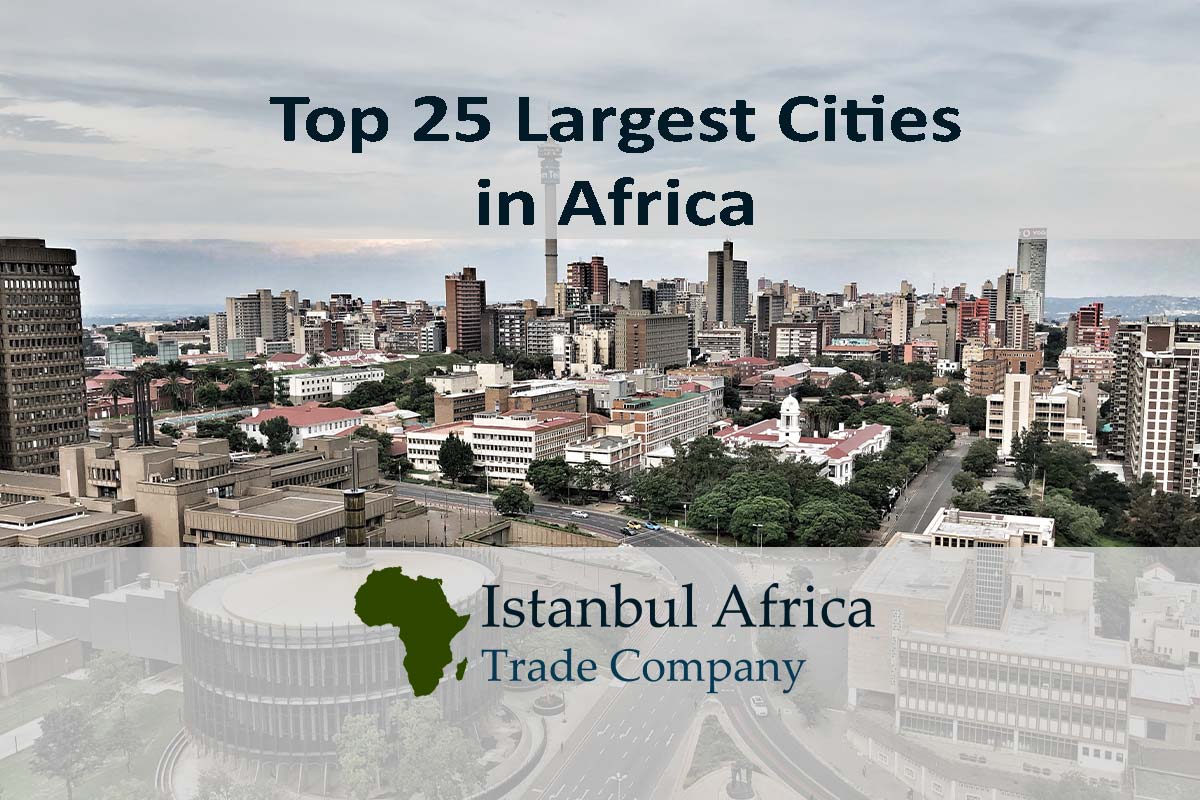
Johannesburg stands distinctively as Africa’s foremost financial and economic hub, even if it’s not always the largest by population. It is the heart of South Africa’s economy, contributing significantly to its GDP, particularly through its sophisticated financial services sector, mining, manufacturing, and professional services. The Johannesburg Stock Exchange (JSE) is the largest in Africa, and the city hosts the regional headquarters of numerous multinational corporations and financial institutions. Investment flows into Johannesburg are robust, particularly in fintech, renewable energy, and property development. The city’s highly developed infrastructure and skilled workforce make it a prime destination for businesses seeking to access not only the South African market but also the broader Southern African region.
Luanda, Angola: Oil Wealth and Urban Development
Luanda, the capital of Angola, represents a unique case of rapid economic growth driven primarily by its vast oil wealth. As a major oil exporter, Angola’s financial landscape is heavily influenced by global oil prices, with Luanda serving as the epicenter of this industry. The city has seen massive investments in infrastructure development, real estate, and services, funded by oil revenues. While the economy has historically been less diversified, there is a growing push towards sectors like agriculture, fisheries, and tourism to reduce reliance on oil. Luanda attracts significant foreign investment, particularly from China and Portugal, and its growing consumer market, though marked by high income disparity, offers opportunities for businesses targeting both luxury and essential goods. The banking sector is expanding, seeking to deepen financial services beyond the elite.
Investment Opportunities and Business Finance in African Urban Centers
The economic dynamism of Africa’s largest cities translates into a rich tapestry of investment opportunities and a continually evolving landscape for business finance. These urban centers are hotbeds for capital deployment, both local and international, across a multitude of sectors.
Sector-Specific Growth Areas
Investors looking at Africa’s megacities will find specific sectors offering compelling returns:
- Fintech: Mobile money, digital banking, payment solutions, and blockchain technology are revolutionizing financial inclusion and efficiency. Cities like Lagos, Nairobi (though not one of the “biggest” by pure population, it’s a major economic hub), and Johannesburg are at the forefront of this innovation.
- Real Estate and Infrastructure: Rapid urbanization necessitates massive investment in housing, commercial properties, transportation networks, energy infrastructure, and smart city solutions. This includes affordable housing, logistics hubs, and mixed-use developments.
- Consumer Goods and Retail: The expanding middle class and youthful population drive demand for a vast array of consumer products, from FMCGs to fashion and electronics. E-commerce is also rapidly gaining traction.
- Renewable Energy: With increasing energy demands and a focus on sustainable development, solar, wind, and hydro projects represent significant investment avenues, often supported by government incentives.
- Logistics and Supply Chain: As trade grows and e-commerce expands, efficient logistics and supply chain management become paramount, requiring investment in warehousing, transportation, and last-mile delivery solutions.
Attracting Foreign Direct Investment
African megacities are increasingly successful in attracting FDI through improved business environments, special economic zones, and targeted investment promotion agencies. Governments are implementing policies to reduce bureaucratic hurdles, protect investments, and offer tax incentives. The demographic dividend, coupled with growing market sizes and resource availability, makes these cities attractive for long-term strategic investments from multinational corporations and sovereign wealth funds. However, political stability, regulatory clarity, and the ease of repatriating profits remain critical considerations for international investors.
Local Entrepreneurship and SME Funding
Beyond large-scale FDI, these urban centers are vibrant hubs of local entrepreneurship. Small and Medium-sized Enterprises (SMEs) form the backbone of urban economies, creating jobs and fostering innovation. Access to finance, however, remains a significant challenge for many African SMEs. This has led to the growth of:
- Venture Capital and Angel Investment: Increasingly active in tech and innovation sectors, particularly in cities like Lagos and Johannesburg.
- Impact Investing: Funds focused on delivering both financial returns and positive social/environmental impact.
- Digital Lending Platforms: Fintech solutions offering quick, accessible loans to small businesses, bypassing traditional banking hurdles.
- Development Finance Institutions (DFIs): Playing a crucial role in providing credit lines and technical assistance to SMEs.
- Crowdfunding: Emerging as a viable option for startups and small businesses to raise capital directly from the public.
Fostering a supportive ecosystem for SMEs, including mentorship, incubation programs, and access to affordable credit, is essential for sustaining the economic vitality of these cities.
The Financial Landscape for Residents: Personal Finance and Income Generation
The economic opportunities in Africa’s biggest cities extend to, and profoundly impact, the financial lives of their residents. While these cities offer pathways to prosperity, they also present unique challenges in personal finance and income generation.
Cost of Living and Income Disparities
Life in a megacity often comes with a high cost, particularly for housing, transportation, and essential services. This can create significant financial pressure on residents, especially those in lower-income brackets. African megacities are often characterized by stark income disparities, with pockets of extreme wealth coexisting alongside widespread poverty. Understanding the nuances of the cost of living—from luxury apartments to informal settlements—is crucial for financial planning. Income generation is diverse, ranging from formal sector employment in multinational corporations to the vast informal economy, which provides livelihoods for millions but often lacks financial security and benefits.
Digital Finance and Financial Inclusion
One of the most transformative developments in personal finance across Africa’s urban centers is the rise of digital finance. Mobile money platforms, digital wallets, and agent banking networks have dramatically expanded financial inclusion, allowing millions to access banking services, remittances, payments, and even micro-loans, often for the first time. This reduces reliance on cash, enhances security, and opens doors to formal financial products. Fintech innovations are continually pushing the boundaries, offering personalized financial management tools, savings schemes, and digital credit scoring, democratizing access to capital for individuals and small businesses alike.
Side Hustles and Informal Economies
For many urban residents, traditional employment is not the sole source of income. Side hustles and participation in the informal economy are vital for supplementing incomes, achieving financial stability, and driving grassroots economic activity. This includes street vending, small-scale trading, artisanal crafts, freelance services, and myriad micro-enterprises. While often unregulated and lacking formal financial support, the informal sector is a dynamic driver of job creation and wealth circulation within these cities. Understanding and, where appropriate, integrating the informal sector into broader financial strategies (e.g., through microfinance, simplified registration, or access to digital payment systems) can unlock significant economic potential and improve financial well-being for a large segment of the urban population.
Future Outlook: Sustaining Economic Growth and Financial Stability
The trajectory of Africa’s largest cities points towards continued rapid growth, presenting both immense opportunities and significant challenges for long-term economic prosperity and financial stability.
Infrastructure Investment and Smart City Initiatives
To sustain their economic momentum, these cities require monumental investments in infrastructure. This includes upgrading and expanding transportation networks, ensuring reliable power and water supply, improving waste management, and building robust digital connectivity. Smart city initiatives, leveraging technology to manage urban services more efficiently, are becoming increasingly vital. These projects not only improve the quality of life but also create substantial investment opportunities, often through public-private partnerships, attracting significant capital from development banks, international investors, and private sector players.
Navigating Economic Challenges
African megacities face a complex array of economic challenges that require sophisticated financial management and policy responses. These include:
- Inflation: Rapid growth can sometimes lead to inflationary pressures, eroding purchasing power and affecting investment returns. Central banks and fiscal authorities play a critical role in maintaining macroeconomic stability.
- Unemployment: Despite robust economic activity, high youth unemployment remains a persistent issue, necessitating investments in education, vocational training, and entrepreneurship programs.
- Inequality: Addressing the vast income disparities requires targeted social programs, progressive taxation, and policies that promote inclusive economic growth.
- Climate Change: Coastal cities are particularly vulnerable to rising sea levels, while others face water scarcity. Financing climate resilience and sustainable development is an urgent imperative.
Effective financial governance, robust regulatory frameworks, and transparent capital markets are crucial for navigating these challenges and ensuring sustained economic growth.

The Role of Policy in Fostering Financial Health
Government policies play an indispensable role in shaping the financial health of Africa’s urban giants. This includes:
- Fiscal Prudence: Ensuring sound public finance management, efficient revenue collection, and responsible spending.
- Investment Climate Reforms: Streamlining business registration, strengthening property rights, and enhancing contract enforcement to attract and retain investment.
- Financial Sector Development: Promoting competition, strengthening regulation, and fostering innovation in banking, insurance, and capital markets.
- Social Safety Nets: Implementing programs that protect vulnerable populations and reduce the impact of economic shocks.
- Urban Planning and Development: Strategic land use, infrastructure planning, and smart growth policies are essential for maximizing economic potential and ensuring equitable development.
By adopting forward-thinking and financially sound policies, Africa’s biggest cities can solidify their positions as global economic players, driving prosperity and creating a financially inclusive future for their burgeoning populations. Their continued economic expansion will not only transform the continent but also reshape global financial markets and investment landscapes for decades to come.
aViewFromTheCave is a participant in the Amazon Services LLC Associates Program, an affiliate advertising program designed to provide a means for sites to earn advertising fees by advertising and linking to Amazon.com. Amazon, the Amazon logo, AmazonSupply, and the AmazonSupply logo are trademarks of Amazon.com, Inc. or its affiliates. As an Amazon Associate we earn affiliate commissions from qualifying purchases.