
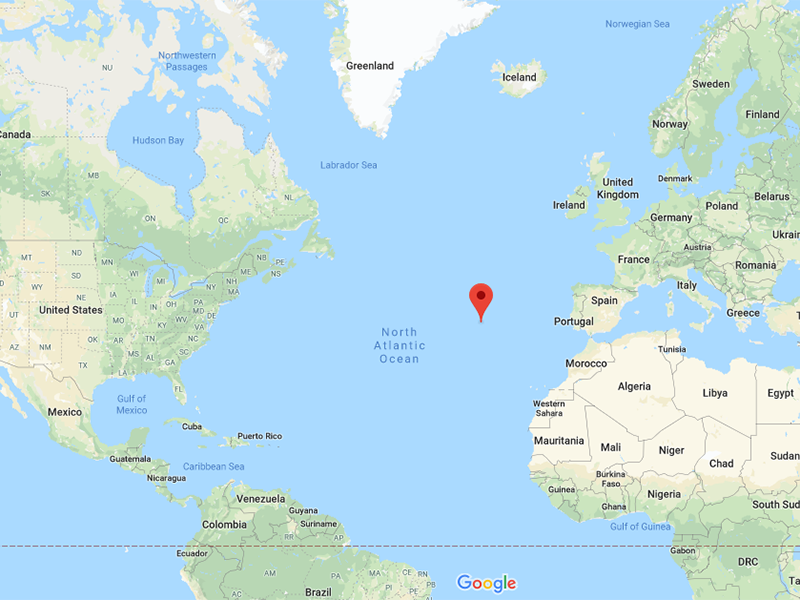
The Azores, a remote archipelago of nine volcanic islands scattered across the vast expanse of the Atlantic Ocean, might not be on everyone’s immediate travel radar. Yet, for those seeking an authentic, breathtaking, and profoundly enriching experience, these Portuguese islands offer a unique proposition. They are a destination that defies easy categorization, a place where raw, untamed nature meets a rich cultural heritage, and where a sense of profound tranquility can be found amidst dramatic landscapes. This article delves into the essence of the Azores, exploring their geographical significance, their distinct island identities, their natural wonders, and the economic underpinnings that shape their present and future. While the islands are a treasure trove for nature enthusiasts, historians, and cultural explorers, for the purposes of this discussion, we will focus on the economic dimensions that define the Azores’ allure and potential.

The Economic Landscape: A Shifting Tide
Historically, the Azorean economy has been shaped by its isolation and its natural resources. Agriculture, particularly dairy farming and pineapple cultivation, has been a cornerstone for centuries, sustained by fertile volcanic soil and a temperate climate. Fishing has also played a vital role, with the surrounding waters teeming with marine life. However, in recent decades, the Azores have embarked on a strategic diversification, recognizing the need to move beyond traditional sectors and harness new opportunities. This economic evolution is deeply intertwined with the archipelago’s unique strengths, most notably its pristine environment and strategic location.
Agriculture: The Enduring Foundation
Despite the push for diversification, agriculture remains a vital artery of the Azorean economy. The islands are renowned for their high-quality dairy products, a legacy of generations of farming. The lush, green pastures, constantly refreshed by abundant rainfall, provide ideal conditions for cattle grazing. This results in milk that is used to produce distinctive cheeses, such as the sharp and flavorful Queijo São Jorge, a product that has gained international recognition. Beyond dairy, the Azores are famous for their unique cultivation of pineapples. Grown in specialized greenhouses, these Azorean pineapples are prized for their intense sweetness and aroma, a testament to the volcanic soil and the islanders’ expertise. The sustainability of these agricultural practices is increasingly becoming a focus, with an emphasis on organic farming and preserving traditional methods that are in harmony with the environment. This commitment to quality and tradition not only supports local livelihoods but also contributes to the unique gastronomic identity of the Azores, attracting culinary tourists and bolstering the islands’ reputation for wholesome, natural produce.
The Ascendancy of Tourism: Nature as the Ultimate Commodity
Perhaps the most significant economic transformation in the Azores has been the rise of tourism. The archipelago’s dramatic volcanic landscapes, characterized by calderas, crater lakes, hot springs, and rugged coastlines, offer a spectacle that is increasingly sought after by a global audience. Whale and dolphin watching tours have become a major draw, capitalizing on the rich marine biodiversity of the Atlantic waters surrounding the islands. The Azores are a crucial migratory route for numerous cetacean species, and the opportunity to witness these majestic creatures in their natural habitat is an unparalleled experience.
Beyond marine life, the islands boast an abundance of hiking trails that wind through verdant forests, past waterfalls, and along breathtaking coastal cliffs. Activities such as canyoning, diving, and paragliding are also gaining traction, catering to adventure tourism. This surge in visitor numbers has created a ripple effect throughout the local economy, stimulating growth in hospitality, transportation, and ancillary services. The emphasis is on sustainable tourism, aiming to minimize environmental impact while maximizing the benefits for local communities. This involves promoting eco-lodges, supporting local businesses, and encouraging responsible visitor behavior to preserve the fragile ecosystems that make the Azores so special. The islands are strategically positioning themselves as a premier destination for nature lovers and those seeking an escape from the hustle and bustle of urban life, leveraging their unspoiled beauty as their most valuable asset.
Emerging Industries and Strategic Investments
Recognizing the limitations of relying solely on traditional sectors and the seasonality of tourism, the Azorean government and local entrepreneurs are actively pursuing the development of new industries and attracting strategic investments. The islands’ unique geographical position in the mid-Atlantic also makes them an attractive hub for logistical and research activities.
One area of growing interest is the blue economy, focusing on sustainable exploitation of ocean resources. This includes advanced aquaculture projects, marine biotechnology research, and the development of renewable energy sources derived from the ocean, such as tidal and wave power. The Azores’ volcanic nature also presents opportunities for geothermal energy, providing a clean and consistent source of power.
Furthermore, the archipelago is actively seeking to foster a more dynamic innovation ecosystem. Initiatives are underway to support startups and attract skilled professionals, particularly in sectors that align with the islands’ strengths. This includes developing expertise in environmental technologies, sustainable agriculture innovation, and digital solutions for tourism and resource management. The government is also investing in improving digital infrastructure and connectivity, aiming to bridge the geographical distance and facilitate business operations. These efforts are crucial for attracting foreign investment, fostering collaboration, and ensuring the long-term economic resilience of the Azores, transforming them from a remote outpost into a hub of innovation and sustainable enterprise.
The Pillars of Prosperity: Natural Capital and Human Ingenuity
The economic success of the Azores is inextricably linked to its abundant natural capital and the ingenuity of its people. These two elements have historically underpinned the islands’ sustenance and are now forming the bedrock of their modern economic development. Understanding this symbiosis is key to appreciating the unique economic model emerging in the archipelago.
Harnessing Renewable Resources: A Sustainable Future
The Azores are blessed with an extraordinary abundance of natural resources that are increasingly being leveraged for economic gain, with a strong emphasis on sustainability. The fertile volcanic soil, as previously mentioned, is a gift to agriculture, but it also contributes to the vibrant flora that underpins ecotourism. The constant presence of the ocean provides not only a livelihood through fishing but also immense potential for renewable energy. Geothermal activity, a direct result of the islands’ volcanic origins, has been tapped to provide a significant portion of the archipelago’s electricity. This reliance on geothermal power makes the Azores a leader in renewable energy within Europe, significantly reducing their carbon footprint and creating a more energy-independent economy.
Beyond geothermal, the strong Atlantic winds are being harnessed through wind farms, further diversifying the renewable energy portfolio. The potential of wave and tidal energy is also being explored, offering future avenues for sustainable power generation. This commitment to renewables not only benefits the environment but also offers economic advantages through reduced reliance on imported fossil fuels and the potential for export of clean energy technologies and expertise. The islands are actively investing in research and development in these areas, positioning themselves as a testbed for innovative sustainable energy solutions. This proactive approach to resource management is not just about economic benefit; it’s a fundamental aspect of their identity, recognizing the delicate balance between human activity and the natural world.
The Value of Local Expertise and Artisanal Traditions
While the Azores are embracing modernity and new technologies, the preservation and promotion of local expertise and artisanal traditions are proving to be a significant economic asset. Generations of knowledge in farming, fishing, and traditional crafts are being recognized not just as cultural heritage but as valuable economic drivers. The aforementioned Queijo São Jorge is a prime example, its distinctive taste and quality directly attributable to time-honored cheesemaking techniques. Similarly, Azorean wines, produced from grapes grown in unique volcanic soils, are gaining recognition for their character and distinctiveness.
The skills of local fishermen, passed down through families, are crucial for the sustainable management of the archipelago’s rich marine resources. Beyond primary industries, artisanal crafts such as ceramics, embroidery, and woodworking are finding new markets, both domestically and internationally. These products, often imbued with local motifs and stories, appeal to consumers seeking authentic and handcrafted goods. The growth of agritourism and culinary tourism further highlights the economic value of these traditions, allowing visitors to engage directly with local producers and artisans, learning about their crafts and the unique cultural context in which they operate. This focus on local expertise fosters a sense of pride and community ownership, ensuring that economic development is rooted in the islands’ rich cultural tapestry.
Investing in Infrastructure and Connectivity: Bridging the Distance
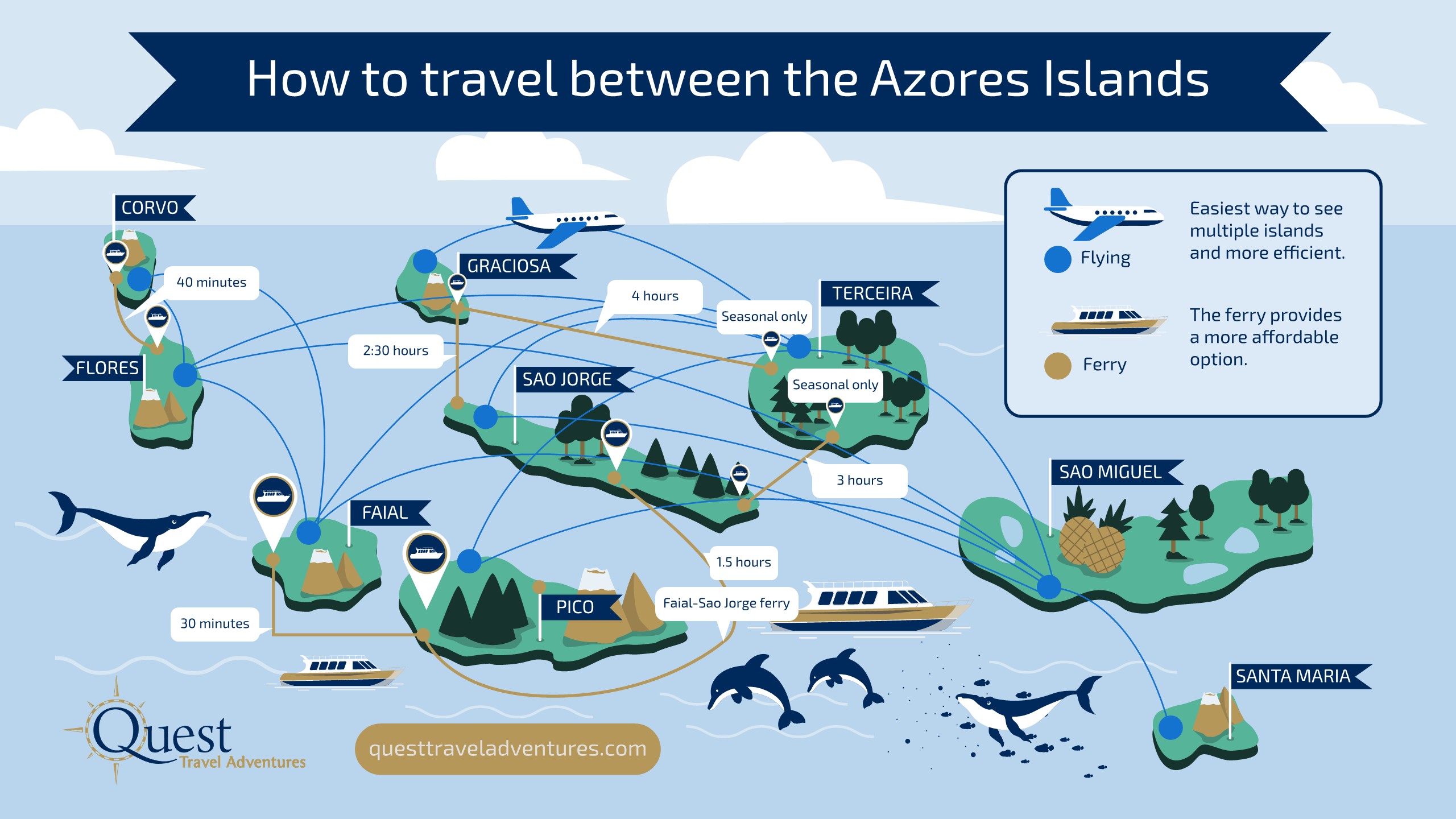
The inherent geographical isolation of the Azores presents significant logistical challenges, but strategically investing in infrastructure and connectivity is paramount to overcoming these barriers and unlocking the archipelago’s economic potential. Over the years, substantial efforts have been made to modernize airports and ports, ensuring efficient transportation of goods and people. This improved connectivity is vital for both the tourism sector, making access easier for international visitors, and for facilitating trade, allowing local products to reach wider markets.
Beyond physical infrastructure, digital connectivity is becoming increasingly crucial. The Azores are actively working to enhance broadband internet access across all islands, aiming to bridge the digital divide and create a more attractive environment for remote work, technological innovation, and international business collaboration. This investment in digital infrastructure is essential for enabling the growth of emerging industries, such as tech startups and research institutions, as well as for providing modern services to residents and businesses. Furthermore, strategic investments are being made in renewable energy infrastructure, as discussed previously, to ensure a stable and sustainable energy supply for economic activities. The development of research centers and educational institutions focused on the islands’ unique strengths, such as marine biology and sustainable tourism, also represents an investment in human capital, fostering innovation and creating a skilled workforce capable of driving future economic growth.
The Azorean Economic Advantage: Sustainability, Resilience, and Unique Value
The economic trajectory of the Azores is characterized by a distinct set of advantages that set it apart from other destinations. These advantages are not solely rooted in traditional economic metrics but are deeply intertwined with the archipelago’s unique geographical, environmental, and cultural characteristics. The islands are actively cultivating an economic model that prioritizes sustainability, resilience, and the creation of unique value propositions.
A Hub for Sustainable Innovation and Research
The Azores are increasingly being recognized as a prime location for sustainable innovation and research, particularly in fields related to marine science, environmental management, and renewable energy. The archipelago’s pristine marine environment provides an unparalleled living laboratory for studying ocean ecosystems, developing sustainable fishing practices, and advancing marine biotechnology. The rich biodiversity of the waters, including the frequent presence of whales and dolphins, attracts researchers from around the globe, fostering a dynamic intellectual environment.
The islands’ abundant renewable energy resources, especially geothermal and wind power, make them an ideal testing ground for new clean energy technologies and smart grid solutions. The challenges of managing energy distribution across a dispersed archipelago also drive innovation in distributed energy systems and energy efficiency. Furthermore, the unique volcanic geology offers opportunities for research into volcanology, seismology, and the development of geothermal energy applications. The Azorean government actively supports research initiatives through funding, partnerships with academic institutions, and the creation of dedicated research centers. This focus on sustainability and innovation not only contributes to global knowledge but also creates high-value jobs and attracts specialized talent, further strengthening the Azorean economy and its global standing.
Niche Tourism and Experiential Economy: Beyond Mass Market Appeal
While mass tourism has its place, the Azores are carving out a distinct niche in the global tourism market by focusing on experiential offerings and catering to travelers seeking authenticity and immersion. This approach moves beyond the typical resort experience, emphasizing the unique natural beauty, cultural heritage, and outdoor activities that the islands offer. Whale and dolphin watching tours are a prime example, providing an intimate and awe-inspiring encounter with marine wildlife. Hiking and trekking through volcanic landscapes, exploring lush laurisilva forests, and discovering hidden waterfalls appeal to nature enthusiasts and adventure seekers.
The culinary scene is also a significant draw, with visitors eager to sample locally produced wines, cheeses, and fresh seafood, often in intimate, family-run restaurants. The emphasis is on farm-to-table experiences, connecting tourists with the source of their food. This focus on niche tourism allows the Azores to attract visitors who appreciate natural environments and cultural authenticity, contributing to a more sustainable and economically beneficial form of tourism. It fosters a deeper connection between visitors and the local community, encouraging responsible travel and a greater appreciation for the islands’ unique character. The economic benefits are distributed more broadly, supporting local businesses and preserving traditional ways of life.
The Strategic Advantage of Location and Connectivity
While isolation has historically been a challenge, the Azores’ strategic location in the mid-Atlantic is increasingly being recognized as a significant economic advantage. Positioned between Europe and North America, the archipelago can serve as a vital hub for transatlantic trade, logistics, and communication. Improved air and sea connectivity are transforming the islands into a gateway for businesses operating across these continents.
This strategic positioning also makes the Azores an attractive location for data centers and telecommunications infrastructure, capitalizing on the sub-oceanic cables that traverse the Atlantic. The islands’ stable political environment and commitment to renewable energy further enhance their appeal for such investments. Furthermore, their unique geographical location provides opportunities for scientific research, particularly in fields such as meteorology, oceanography, and astronomy, given the relatively low levels of light and air pollution. As global trade patterns evolve and the importance of resilient supply chains grows, the Azores are well-positioned to leverage their geographical advantage, acting as a vital node in international networks and fostering economic growth through enhanced connectivity and strategic partnerships. The investment in modern infrastructure and digital connectivity is crucial to fully realizing this potential, turning a perceived disadvantage into a powerful economic asset.
Conclusion: A Resilient Archipelago with Enduring Economic Promise
The Azores, a captivating archipelago nestled in the Atlantic, offers a compelling narrative of economic transformation and enduring promise. Far from being a mere collection of volcanic islands, they represent a dynamic economic entity that is skillfully balancing its rich natural and cultural heritage with forward-looking strategies for growth and sustainability. The islands have successfully transitioned from an economy primarily reliant on agriculture and fishing to one that embraces tourism, innovation, and strategic global positioning.
The enduring strength of Azorean agriculture, particularly in its high-quality dairy and pineapple production, continues to provide a stable economic foundation. However, it is the burgeoning tourism sector, driven by the archipelago’s unparalleled natural beauty and the growing demand for authentic, experiential travel, that has emerged as a significant engine of growth. The islands are not simply selling destinations; they are offering profound experiences – from whale watching in crystal-clear waters to hiking through ancient forests and savoring unique local produce.
Moreover, the Azores are strategically investing in emerging industries, leveraging their abundant renewable energy resources and their unique geographical location. The commitment to sustainable innovation and research, particularly in marine science and clean energy, positions the archipelago as a leader in these critical global fields. By fostering a robust digital infrastructure and enhancing physical connectivity, the Azores are effectively bridging their geographical distance, transforming it from a challenge into an advantage for trade, logistics, and business operations.
In essence, the economic story of the Azores is one of resilience, adaptation, and the intelligent harnessing of its inherent strengths. It is a testament to how a commitment to sustainability, coupled with strategic investment and the unwavering spirit of its people, can create a prosperous and vibrant future for a remote yet remarkably significant archipelago. As the world increasingly seeks destinations that offer both natural splendor and responsible economic development, the Azores stand as a shining example, a place where nature’s bounty and human ingenuity converge to create enduring value.
aViewFromTheCave is a participant in the Amazon Services LLC Associates Program, an affiliate advertising program designed to provide a means for sites to earn advertising fees by advertising and linking to Amazon.com. Amazon, the Amazon logo, AmazonSupply, and the AmazonSupply logo are trademarks of Amazon.com, Inc. or its affiliates. As an Amazon Associate we earn affiliate commissions from qualifying purchases.