
The concept of “Wonders of the World” has captivated human imagination for centuries, evoking awe and wonder at the extraordinary feats of our predecessors. While the Seven Wonders of the Ancient World are etched in history, the modern era has witnessed its own set of breathtaking achievements, pushing the boundaries of engineering, architecture, and human ambition. These are not monuments of conquest or religious devotion in the traditional sense, but rather testaments to our ability to overcome immense challenges, harness advanced technology, and shape our environment in remarkable ways. This exploration delves into the modern marvels that stand as proud emblems of human ingenuity and progress.

The Birth of a Modern Canon: Defining the “New” Seven Wonders
The idea of a contemporary list of world wonders gained significant traction in the early 21st century, driven by a desire to acknowledge the remarkable structures and creations of the modern age. Unlike the ancient list, which was largely based on classical accounts and had a fixed, albeit debated, selection, the modern iteration has been shaped by public opinion and a broader scope of what constitutes a “wonder.”
The Legacy and Inspiration of the Ancient List
The original Seven Wonders of the Ancient World – the Great Pyramid of Giza, the Hanging Gardens of Babylon, the Statue of Zeus at Olympia, the Temple of Artemis at Ephesus, the Mausoleum at Halicarnassus, the Colossus of Rhodes, and the Lighthouse of Alexandria – represent the pinnacle of ancient engineering and artistic expression. While most are lost to time, their legacy continues to inspire. The very notion of a curated list of supreme achievements set the precedent for future generations to identify and celebrate their own monumental accomplishments. The modern quest for “wonders” is, in many ways, a continuation of this ancient tradition, albeit with a distinctly contemporary lens.
The New7Wonders Foundation and its Impact
The most widely recognized and influential modern list was compiled through a global poll conducted by the New7Wonders Foundation. Launched in 2000, this initiative invited people from around the world to vote for their favorite architectural and engineering achievements. The process, while met with some academic debate regarding its methodology, democratized the selection and brought global attention to a diverse range of modern marvels. The foundation aimed to foster a sense of global heritage and encourage appreciation for the architectural and cultural achievements of humanity across different eras and continents. The resulting list, announced in 2007, sparked widespread discussion and tourism, underscoring the enduring human fascination with spectacular feats of construction.
Criteria for Modern Marvels: Beyond Age and Scale
The criteria for inclusion in a modern “Wonders of the World” list are inherently different from their ancient counterparts. While scale, architectural brilliance, and historical significance remain important, modern marvels are often judged by their innovative use of technology, their engineering complexity, their impact on human society, and their ability to overcome seemingly insurmountable natural or logistical challenges. They represent the peak of human understanding and application of scientific principles, materials science, and design. This includes feats that have transformed transportation, communication, energy production, or simply provided breathtaking new vistas for human experience.
The Seven Pillars of Modern Achievement: A Curated Selection
The most commonly cited list of the “New Seven Wonders of the World” offers a compelling glimpse into the diverse and impressive achievements of human civilization over the past few centuries. These selections highlight innovation, scale, and cultural significance, representing a broad spectrum of human endeavor.
The Great Wall of China: A Monumental Defensive Masterpiece
Though parts of the Great Wall predate the modern era, its extensive preservation, ongoing restoration, and sheer scale solidify its place as a modern wonder. This colossal series of fortifications, stretching across thousands of miles, is a testament to ancient military engineering and the immense human labor that went into its construction. It stands not only as a defensive structure but also as a symbol of China’s rich history and enduring cultural identity. Its visual impact, seen from space in some historical accounts (though often debated), and its historical narrative make it an undeniable marvel.
Petra, Jordan: The Rose-Red City Carved in Stone
The ancient city of Petra, famously carved into sandstone cliffs by the Nabataeans, has captured the modern imagination through its stunning beauty and remarkable preservation. Its intricate facades, elaborate water management systems, and strategic location in a desert canyon showcase an advanced civilization’s architectural prowess and adaptation to its environment. The dramatic reveal of the Treasury (Al-Khazneh) as one enters the city through the Siq is an unforgettable experience, making it a highlight for global travelers.
Christ the Redeemer, Rio de Janeiro, Brazil: An Iconic Symbol of Faith and Art Deco
Perched atop Corcovado Mountain, the Art Deco statue of Jesus Christ, with its arms outstretched, is an iconic symbol of Rio de Janeiro and Brazil. This colossal statue, completed in 1931, is not only a religious monument but also an engineering feat, having been constructed using reinforced concrete and soapstone. Its commanding presence and panoramic views of the city below have made it a beloved landmark and a powerful symbol of peace and welcome.
Machu Picchu, Peru: The Lost City of the Incas
The enigmatic mountaintop citadel of Machu Picchu, built by the Incas in the 15th century and rediscovered in 1911, continues to inspire awe with its sophisticated dry-stone construction, intricate terraces, and breathtaking setting amidst the Andes Mountains. The sheer ingenuity of its placement and construction, without the use of mortar or modern machinery, makes it a testament to Inca architectural and engineering brilliance. Its preservation and accessibility have allowed millions to witness this historical treasure.
Chichen Itza, Mexico: A Mayan Astronomical and Religious Hub
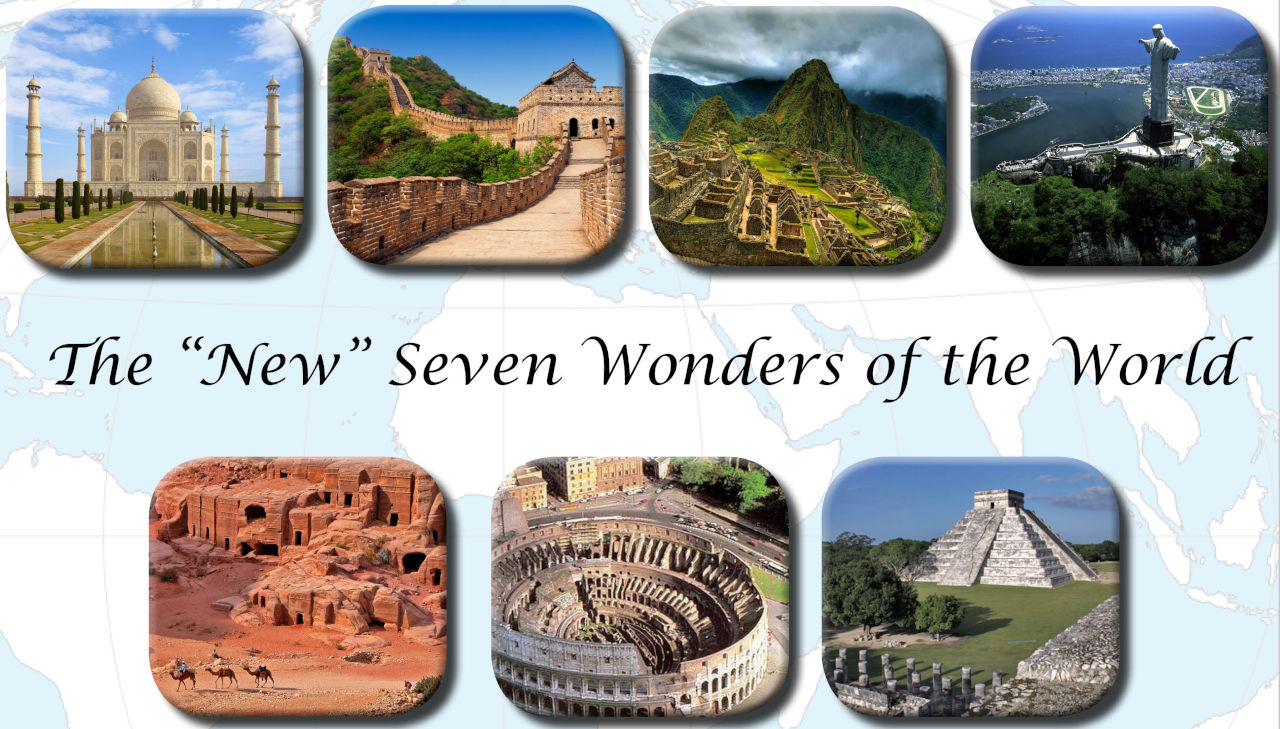
The ancient Mayan city of Chichen Itza, with its impressive pyramids, temples, and observatories, stands as a remarkable testament to the intellectual and architectural achievements of this Mesoamerican civilization. The El Castillo pyramid, in particular, is a marvel of astronomical alignment, showcasing the Mayan understanding of celestial movements and their integration into religious and civic life. The site’s rich history and well-preserved structures offer a profound glimpse into a sophisticated ancient culture.
The Colosseum, Rome, Italy: An Amphitheater of Ancient Spectacle
While an ancient structure, the Colosseum’s enduring presence and the scale of its construction and its role in Roman society warrant its inclusion in discussions of modern appreciation. This immense amphitheater, still standing after nearly two millennia, represents a pinnacle of Roman engineering and architectural design. Its complex system of arches, vaults, and underground passages allowed for elaborate spectacles, making it a symbol of Roman power and entertainment. Its continued existence and status as a major tourist attraction underscore its lasting impact.
The Taj Mahal, Agra, India: A Monument to Eternal Love
The Taj Mahal, a magnificent ivory-white marble mausoleum commissioned by Mughal emperor Shah Jahan for his wife Mumtaz Mahal, is widely considered one of the most beautiful buildings in the world. Completed in 1643, its exquisite symmetry, intricate inlay work, and harmonious proportions are a testament to Mughal architecture at its finest. It is not merely a tomb but a profound expression of love and artistic mastery, earning its place as a universally admired wonder.
Beyond the Official List: Other Contenders for Modern Marvel Status
While the New7Wonders list has gained widespread recognition, it is by no means exhaustive. The modern world is replete with extraordinary structures and engineering feats that also deserve to be recognized for their ambition, innovation, and impact. These often represent the cutting edge of contemporary technology and design.
Engineering Innovations of the 20th and 21st Centuries
The sheer scope of modern engineering achievements is staggering. From the towering skyscrapers that redefine urban landscapes, such as the Burj Khalifa, to the complex networks of bridges that span vast waterways, like the Golden Gate Bridge, these structures push the limits of what is possible. The development of advanced materials, sophisticated construction techniques, and cutting-edge computational design has enabled us to build on a scale and with a precision previously unimaginable. These projects often involve overcoming immense logistical, environmental, and geological challenges, showcasing human problem-solving at its finest.
The Rise of Megaprojects and Global Connectivity
The modern era has witnessed the proliferation of “megaprojects” – colossal undertakings that often span continents and involve unprecedented collaboration and investment. These include massive infrastructure developments like the Three Gorges Dam in China, which harnesses the power of a major river, or the Channel Tunnel connecting the UK and France, a feat of underground engineering. The development of high-speed rail networks and vast international airports also signifies a globalized world, where interconnectedness is facilitated by monumental feats of engineering.
Sustainable Design and the Future of Wonder
As we confront the challenges of climate change and resource scarcity, the definition of a modern wonder is evolving to encompass sustainability. Future marvels may be celebrated not only for their scale and innovation but also for their environmental consciousness and their contribution to a more sustainable future. This could include groundbreaking renewable energy installations, innovative urban planning initiatives that prioritize green spaces, or architectural designs that minimize their ecological footprint. The pursuit of wonders is thus increasingly intertwined with the responsible stewardship of our planet.
The Enduring Appeal of Human Achievement
The fascination with the “Wonders of the World,” whether ancient or modern, lies in their ability to inspire awe, spark curiosity, and remind us of the extraordinary capabilities of the human spirit. These marvels are more than just bricks and mortar; they are embodiments of human ambition, creativity, and perseverance. They serve as touchstones for our shared heritage, inviting us to reflect on our past achievements and to dream of future possibilities.
Inspiring Future Generations
By highlighting these incredible feats of engineering and architecture, we can ignite a passion for STEM fields in young minds. The stories behind these wonders – the challenges overcome, the innovative solutions devised, the sheer dedication involved – are powerful motivators. They demonstrate that with ingenuity, collaboration, and a bold vision, humanity can achieve the seemingly impossible.
A Reflection of Cultural Values and Aspirations
Each wonder, in its own way, reflects the values, beliefs, and aspirations of the society that created it. The ancient pyramids speak of a civilization deeply concerned with the afterlife, while modern skyscrapers symbolize economic power and technological advancement. Exploring these different manifestations of human achievement offers a unique window into the diverse tapestry of human culture and our evolving understanding of progress and beauty.
The Ongoing Evolution of “Wonder”
The concept of a “wonder” is not static. As technology advances and our global challenges shift, so too will our criteria for what constitutes a monumental achievement. The future may hold wonders we can scarcely imagine today, perhaps in the realm of space exploration, biotechnology, or artificial intelligence. What remains constant, however, is our innate human desire to create, to explore, and to leave a lasting mark on the world – a desire that will undoubtedly continue to produce new wonders for generations to come.
aViewFromTheCave is a participant in the Amazon Services LLC Associates Program, an affiliate advertising program designed to provide a means for sites to earn advertising fees by advertising and linking to Amazon.com. Amazon, the Amazon logo, AmazonSupply, and the AmazonSupply logo are trademarks of Amazon.com, Inc. or its affiliates. As an Amazon Associate we earn affiliate commissions from qualifying purchases.