
In the dynamic world of business finance, where ventures are launched, investments are sought, and companies change hands, clarity and mutual understanding are paramount. Before the meticulous legal documents are drafted, the exhaustive due diligence completed, and the final signatures inked, there is a crucial preliminary step: the term sheet. Often misunderstood or underestimated, a term sheet serves as the foundational blueprint for complex financial agreements, outlining the principal terms and conditions that guide the subsequent, legally binding contracts. For entrepreneurs, investors, and anyone involved in significant financial transactions, comprehending the role, structure, and implications of a term sheet is not just advantageous—it’s essential for safeguarding interests and ensuring successful outcomes.
The Core Essence of a Term Sheet: A Non-Binding Overview
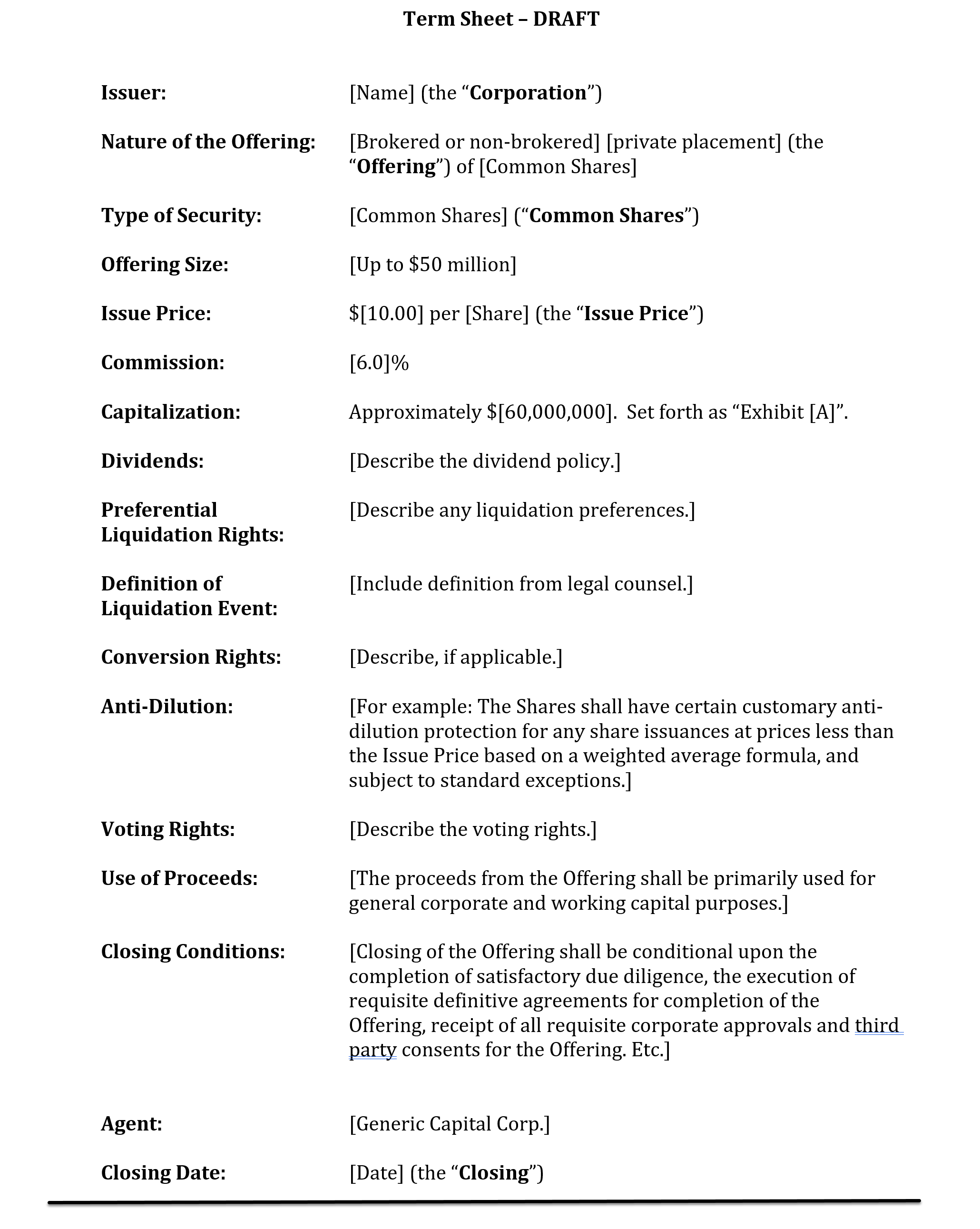
At its heart, a term sheet is a memorandum of understanding, a non-binding agreement that summarizes the key terms of a proposed financial transaction. It acts as a roadmap, allowing all parties to confirm their mutual understanding of the deal’s core elements before significant legal and financial resources are committed to drafting definitive agreements.
Defining the Term Sheet
A term sheet is a preliminary, usually non-binding, document that sets forth the basic terms and conditions under which an investment or transaction will be made. It’s not the final contract but rather an agreed-upon summary of what the final contract will contain. Think of it as an architectural sketch before the detailed engineering drawings – it gives everyone a clear picture of the project’s scope and crucial features without getting bogged down in every structural detail. Its primary purpose is to articulate a common vision for the deal, facilitating good faith negotiations and streamlining the path to a definitive agreement.
Why Non-Binding Matters
The non-binding nature of most term sheets is a deliberate and strategic feature. It allows parties to negotiate freely and explore various options without immediately incurring the legal obligations and costs associated with fully binding contracts. This flexibility is vital in early-stage negotiations, where many variables are still in play. While the majority of a term sheet is non-binding, certain provisions—such as confidentiality, exclusivity (often called a “no-shop” clause), and expense reimbursement—are typically binding. These binding clauses protect sensitive information shared during due diligence and ensure that parties commit to a period of focused negotiation, preventing one party from simultaneously seeking other deals.
Key Parties Involved
Term sheets are prevalent across various financial landscapes and typically involve distinct parties:
- Investors: Venture capitalists (VCs), angel investors, private equity firms, and corporate investors use term sheets to outline their investment into a company.
- Entrepreneurs/Companies Seeking Funding: Startups and established businesses utilize term sheets to understand the conditions of external capital and to negotiate terms that align with their long-term vision.
- Buyers/Sellers in Mergers & Acquisitions (M&A): In M&A deals, a term sheet (often called a Letter of Intent or Memorandum of Understanding) details the purchase price, deal structure, and other critical elements of an acquisition.
- Lenders and Borrowers: For complex debt structures, particularly convertible notes, term sheets define interest rates, conversion triggers, collateral, and repayment schedules.
Anatomy of a Term Sheet: Essential Components
A well-crafted term sheet covers a broad spectrum of financial, legal, and operational aspects of a transaction. While specific clauses vary based on the type of deal, certain components are consistently present and demand careful attention from all parties.
Valuation and Investment Amount
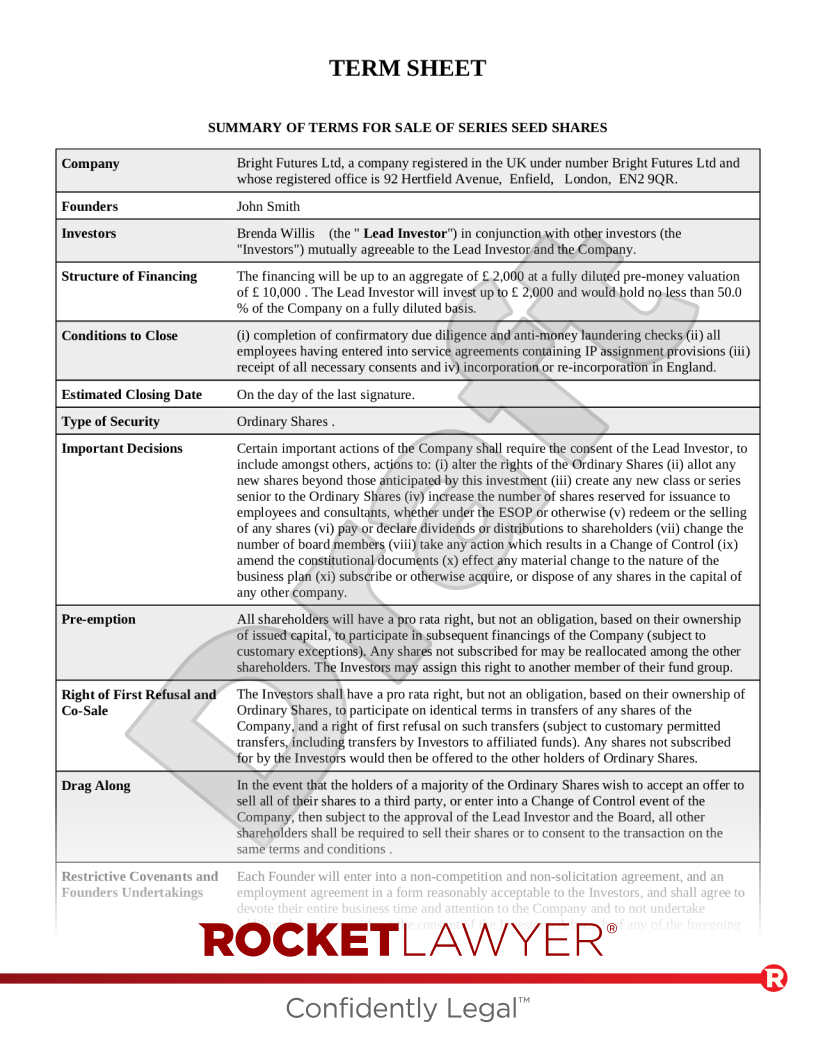
This section is often the cornerstone of any equity investment. It details the total investment amount, the pre-money valuation (the company’s value before the investment), and the post-money valuation (its value after the investment). From these figures, the share price and the percentage of equity the investor will receive are determined. Understanding these metrics is crucial for both sides to assess the financial impact and future dilution.
Equity and Ownership Structure
Beyond the simple equity percentage, term sheets delve into the specifics of the shares being issued. For investors, this typically involves preferred stock, which comes with certain rights and protections not afforded to common shareholders. Key provisions here include:
- Liquidation Preferences: Dictates how proceeds are distributed to investors upon a sale or liquidation, often giving preferred shareholders a multiple of their investment back before common shareholders receive anything.
- Conversion Rights: Allows preferred shares to convert into common shares, usually at a 1:1 ratio, often exercised before an IPO.
- Anti-Dilution Provisions: Protects investors from future rounds of funding being raised at a lower valuation than their investment, adjusting their conversion ratio to compensate.
Governance and Control
Investors often seek more than just financial returns; they desire a say in the company’s strategic direction. This is outlined through:
- Board Representation: The number of board seats allocated to investors and founders.
- Voting Rights: Specifies how votes are cast and what constitutes a majority.
- Protective Provisions: A list of critical company actions (e.g., selling the company, issuing more shares, incurring significant debt) that require investor consent, effectively giving investors veto power over major strategic decisions.
Exit Strategy and Liquidity
Investors typically have a finite investment horizon and an expectation for a liquidity event. This section addresses potential exit scenarios:
- IPO, Acquisition, or Secondary Sale: Discusses the preferred methods for investors to realize their returns.
- Drag-Along Rights: Allows majority shareholders (often investors) to force minority shareholders to sell their shares in an acquisition, ensuring a complete sale.
- Tag-Along Rights (Co-Sale Rights): Protects minority shareholders by allowing them to sell their pro-rata portion of shares alongside selling majority shareholders.
- Redemption Rights: In some cases, gives investors the right to demand the company buy back their shares after a certain period, providing an alternative exit if an IPO or acquisition doesn’t materialize.
Other Critical Clauses
A term sheet typically includes other provisions that set the stage for the definitive agreements:
- Due Diligence Conditions: States that the investment is contingent upon the investor’s satisfactory review of the company’s financial, legal, and operational records.
- Confidentiality: A binding clause requiring all parties to keep information shared during negotiations private.
- Exclusivity/No-Shop Clause: A binding clause preventing the company from soliciting or accepting other investment offers for a specified period.
- Expenses: Determines which party is responsible for legal and other professional fees incurred during the transaction process.
Why Term Sheets Are Indispensable in Business Finance
The strategic importance of term sheets in business finance cannot be overstated. They are not mere formalities but essential tools that drive efficiency, clarity, and protection for all stakeholders involved in complex financial transactions.
Streamlining Complex Negotiations
In any significant financial deal, the number of variables and potential points of contention can be overwhelming. A term sheet forces parties to distill these complexities into a concise summary of the most critical aspects. By agreeing on these headline terms upfront, it prevents endless debates over minor details later, allowing negotiations to progress logically and efficiently. This structured approach helps in identifying deal-breakers early on and ensures that everyone is on the same page regarding the fundamental financial and operational parameters.
Protecting Interests for Both Sides
For entrepreneurs, a term sheet is a critical opportunity to understand the implications of external funding on their ownership, control, and future flexibility. It allows them to negotiate terms that safeguard their vision and retain sufficient control over their company. For investors, it’s a mechanism to secure their investment, define their returns, establish control mechanisms, and outline clear exit paths, thereby mitigating risk and aligning the company’s future with their financial objectives. A well-negotiated term sheet strikes a balance, fostering a partnership that aligns the interests of founders and investors for mutual growth.
Efficiency in the Funding Process
Legal and financial advisory costs can quickly accumulate during complex transactions. By agreeing on the core terms through a non-binding term sheet, parties can significantly reduce the time and resources spent on drafting and negotiating definitive legal documents. If the preliminary terms cannot be agreed upon, parties can disengage with minimal loss, avoiding the deeper and more expensive engagement required for final contracts. This efficiency is particularly crucial in fast-paced environments like venture capital funding rounds, where time is often of the essence.
A Foundation for Future Growth
The terms laid out in a term sheet have long-lasting implications for a company’s capital structure, governance, and ability to raise future rounds of funding. For instance, the liquidation preferences or anti-dilution clauses established in an initial funding round will affect subsequent rounds and the eventual exit. A robust and thoughtfully constructed term sheet provides a solid foundation, ensuring that the company’s growth trajectory is supported by a clear, equitable, and sustainable financial framework.
Different Applications Across Financial Transactions
While most commonly associated with startup funding, term sheets are versatile financial tools employed across a wide array of transaction types, each with its unique nuances and focus areas.
Venture Capital and Angel Investing
This is perhaps the most recognized application. In seed, Series A, B, and subsequent funding rounds, term sheets dictate the valuation, investment amount, equity stake, preferred stock rights (liquidation preferences, anti-dilution), board composition, and protective provisions. For startups, understanding these terms is vital as they directly impact ownership, control, and future fundraising capabilities. Investors use them to clearly define their rights and expectations for return and governance.
Mergers and Acquisitions (M&A)
In M&A, a term sheet, often referred to as a Letter of Intent (LOI) or Memorandum of Understanding (MOU), outlines the core deal points for an acquisition. This includes the purchase price (cash, stock, or a combination), payment structure (upfront, earn-outs, escrow), treatment of outstanding equity and debt, indemnification clauses, and representations and warranties. An M&A term sheet is critical for setting the stage for the exhaustive due diligence and the definitive acquisition agreement, ensuring alignment on the fundamental transaction terms before incurring substantial legal and advisory costs.
Real Estate Development/Finance
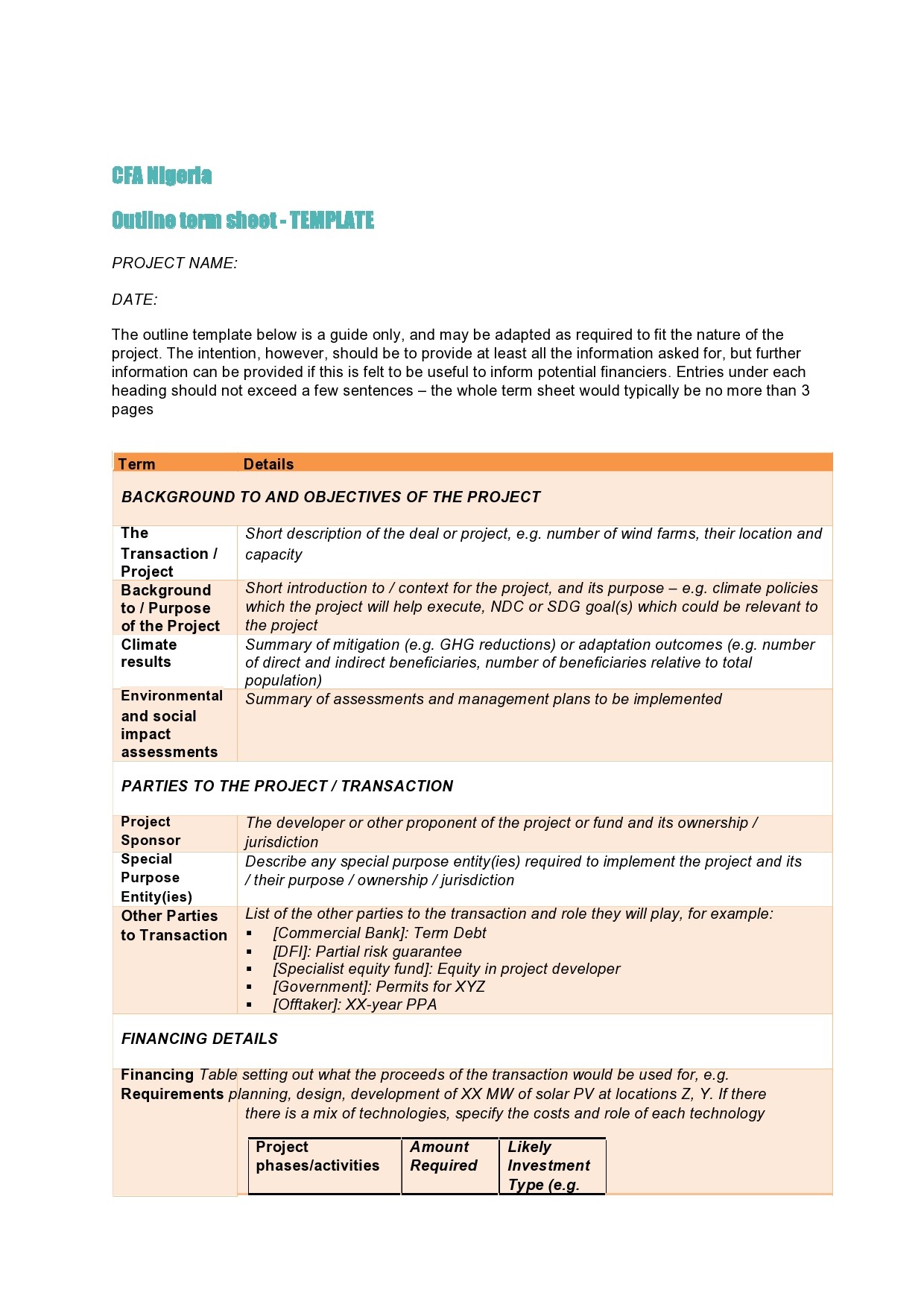
For complex real estate projects, particularly those involving joint ventures, partnerships, or significant debt financing, term sheets define the financial contributions, equity splits, profit-sharing mechanisms, management responsibilities, and conditions for project completion and exit. These documents are crucial for aligning the interests of developers, investors, and lenders, establishing clear operational and financial parameters for often multi-year projects.
Debt Financing
While less common for simple loans, term sheets are frequently used for more intricate debt structures, such as convertible notes, venture debt, or complex corporate financing. These term sheets detail interest rates, maturity dates, conversion triggers (for convertible notes), covenants (conditions the borrower must meet), collateral requirements, and default provisions. They provide a clear understanding of the financial obligations and lender’s rights, forming the basis for the loan agreement.
Navigating and Negotiating Your Term Sheet
Engaging with a term sheet requires diligence, strategic thinking, and often, expert guidance. Whether you’re an entrepreneur seeking funding or an investor deploying capital, a well-informed approach to negotiation is critical for securing favorable terms and a successful partnership.
Preparation is Key
Before entering negotiations, thoroughly understand your own position. For companies, this means having a clear understanding of your valuation, financial needs, growth projections, and long-term vision. Research market standards for similar deals to gauge what is reasonable. For investors, it involves comprehensive due diligence to assess the target company’s potential, risks, and alignment with your investment thesis. The more prepared you are, the more effectively you can articulate your position and negotiate from a position of strength.
Focusing on the Big Picture
While every clause in a term sheet is important, some have a more profound impact on the deal’s overall economics, control, and future flexibility. Prioritize negotiating key financial terms like valuation, liquidation preferences, and anti-dilution provisions, as well as control mechanisms such as board seats and protective provisions. Don’t get bogged down in minor details at the expense of understanding the long-term implications of the most significant clauses. A good strategy involves identifying your “must-haves” and “nice-to-haves” before negotiations begin.
The Role of Professional Advisors
Given the legal and financial complexities inherent in term sheets, engaging professional advisors is not merely an option but often a necessity.
- Legal Counsel: An experienced lawyer specializing in corporate or finance law is indispensable for drafting, reviewing, and negotiating term sheets. They can identify potential legal pitfalls, explain complex clauses, and ensure that your interests are adequately protected.
- Financial Advisors/Investment Bankers: These professionals can assist with valuation, deal structuring, and providing insights into market trends, helping you benchmark proposed terms against industry norms.
Their expertise can be invaluable in navigating complex negotiations and ensuring the financial viability of the agreement.
Beyond the Numbers: Aligning Interests
A term sheet isn’t just a transactional document; it’s the beginning of a relationship, often a long-term partnership between investors and founders. A good term sheet fosters alignment and trust, laying the groundwork for a productive working relationship. While it’s natural to seek the best possible terms for your side, an overly aggressive or one-sided approach can sour the relationship before it even begins. Seek terms that create a fair and sustainable foundation, where both parties feel their contributions and interests are respected. A successful deal is one where both sides feel they have achieved a favorable outcome and are motivated to collaborate towards shared goals.
Conclusion
Term sheets are indispensable financial tools that serve as the initial, non-binding blueprint for a vast array of complex transactions across the business landscape. From venture capital infusions into nascent startups to multi-million dollar M&A deals and intricate real estate ventures, they provide a framework for mutual understanding and focused negotiation. By clearly outlining the core financial, governance, and operational terms upfront, term sheets streamline processes, mitigate risks, and set the stage for legally binding agreements. Understanding their components, strategic importance, and the best practices for negotiation is not just beneficial—it’s a critical skill for entrepreneurs, investors, and financial professionals aiming for successful outcomes and robust financial partnerships.
aViewFromTheCave is a participant in the Amazon Services LLC Associates Program, an affiliate advertising program designed to provide a means for sites to earn advertising fees by advertising and linking to Amazon.com. Amazon, the Amazon logo, AmazonSupply, and the AmazonSupply logo are trademarks of Amazon.com, Inc. or its affiliates. As an Amazon Associate we earn affiliate commissions from qualifying purchases.