
In the complex world of modern work, understanding how your compensation is determined is crucial for both employees and employers. Among the various methods companies use to structure pay, salary grades stand out as a foundational system designed to bring order, fairness, and transparency to remuneration. Far from being an arcane HR concept, salary grades are a strategic tool that impacts everything from employee morale and talent retention to organizational budgeting and long-term financial health.
This article delves into the core of what salary grades are, exploring their purpose, how they are developed, the benefits they offer, and the challenges they present. For anyone looking to navigate their career path more effectively or manage an organization’s most significant expenditure—its people—a grasp of salary grades is indispensable. We will uncover how these structured pay ranges help align compensation with job value, market rates, and career progression, providing a clear framework for financial growth and stability within an enterprise.
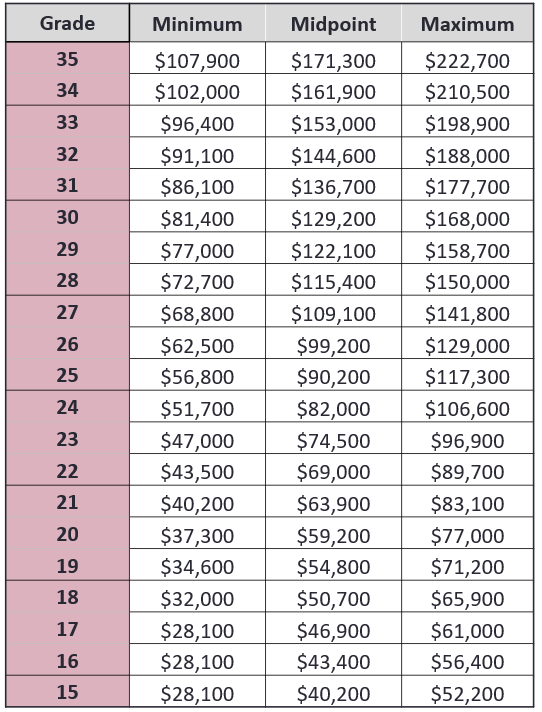
The Fundamentals of Salary Grades
At its heart, a salary grade system is a structured approach to compensation that classifies jobs into distinct levels or “grades” based on specific criteria. Each grade is then assigned a particular pay range, typically defined by a minimum, midpoint, and maximum salary. This system ensures that jobs of similar value or complexity within an organization receive comparable compensation, while also differentiating pay for roles with varying responsibilities and requirements.
Defining Salary Grades: Tiers and Ranges
A salary grade, also known as a pay grade or salary band, is essentially a grouping of jobs that are considered to have a similar level of value to the organization. This value is typically determined by factors such as the knowledge, skills, and abilities required; the complexity of tasks; the level of responsibility; and the impact of the role on the business. For instance, an entry-level administrative assistant role might fall into Grade 1, while a senior manager might be in Grade 8, and an executive could be in Grade 15.
Within each grade, there is a defined pay range. This range is crucial because it allows for variations in pay for individuals within the same grade based on factors like experience, performance, and specific skills.
- Minimum: The lowest salary an employee in that grade can earn. This often reflects the pay for someone new to the role or with limited experience.
- Midpoint: The target salary for an experienced, fully proficient employee performing at a satisfactory level within that grade. It often aligns closely with market rates for similar positions.
- Maximum: The highest salary an employee in that grade can earn. This is typically reserved for highly experienced, top-performing individuals who consistently exceed expectations.
The difference between the minimum and maximum of a pay range is known as the “range spread,” which can vary significantly depending on the industry, company size, and specific job family.
Key Components of a Salary Grade System
Developing an effective salary grade system requires a methodical approach that considers several interconnected elements:
- Job Evaluation: This is the systematic process of assessing the relative worth of jobs within an organization. It’s not about evaluating the person, but the job itself. Methods include point-factor systems (assigning points to various job characteristics like responsibility, skill, effort, and working conditions), ranking, or classification methods.
- Market Pricing: Companies don’t operate in a vacuum. To attract and retain talent, their pay structure must be competitive with the external job market. Market pricing involves benchmarking salaries against industry surveys and competitor data for similar roles. This ensures the company’s pay ranges are externally equitable.
- Internal Equity: While market pricing looks outward, internal equity looks inward. It ensures that jobs of similar value within the company are compensated fairly relative to each other. A fair internal structure prevents feelings of injustice and can reduce turnover.
- External Competitiveness: The balance between internal equity and external competitiveness is critical. An effective salary grade system strikes this balance, ensuring employees feel fairly compensated compared to their peers both inside and outside the organization.
- Career Progression: Salary grades often align with career paths, showing employees the potential for growth and increased earnings as they move into higher-level roles. This linkage provides motivation and clarity for long-term career planning.
The Purpose of Salary Grades
Salary grade systems serve multiple vital purposes for an organization:
- Transparency and Fairness: They provide a clear, objective framework for compensation decisions, reducing the perception of favoritism and promoting fairness. Employees can see how their role fits into the larger structure and understand the criteria for advancement.
- Talent Attraction and Retention: By offering competitive and structured pay, companies can better attract top talent and retain experienced employees who understand their earning potential within the organization.
- Budget Control: Salary grades help organizations manage their compensation budget effectively by providing guidelines for salary increases, new hires, and promotions. This prevents arbitrary pay decisions that could lead to unforeseen financial strains.
- Reduced Pay Disparity Risks: A structured system can help mitigate the risk of illegal pay discrimination based on protected characteristics, as compensation decisions are tied to objective job criteria rather than subjective biases.
- Streamlined Administration: For HR and finance departments, salary grades simplify compensation administration, making it easier to manage payroll, conduct salary reviews, and ensure compliance.
How Salary Grade Systems Are Developed and Maintained
The creation and ongoing management of a robust salary grade system is a complex undertaking that requires careful planning, data analysis, and regular review. It’s a dynamic process that must adapt to internal organizational changes and external market shifts.
Job Analysis and Evaluation
The first step in building a salary grade system is a thorough job analysis. This involves gathering detailed information about each job, including its responsibilities, duties, required knowledge, skills, abilities, and working conditions. From this analysis, job descriptions are created or updated, forming the foundation for evaluation.
Job evaluation then assesses the relative worth of these jobs. Common methods include:
- Point-Factor System: This popular method identifies compensable factors (e.g., skill, effort, responsibility, working conditions) and assigns points to each factor based on its level within a specific job. Jobs with similar total point values are grouped into the same grade.
- Ranking: Jobs are simply ranked from highest to lowest in terms of overall value or difficulty. While simple, it can be subjective for large organizations.
- Classification: Predetermined grades are defined, and jobs are then slotted into the grade that best matches their characteristics.
Market Benchmarking
Once jobs are evaluated internally, their pay levels need to be compared against the external market. This process, known as market benchmarking or market pricing, involves:
- Participating in Salary Surveys: Companies subscribe to or purchase data from reputable third-party salary surveys that provide compensation information for various positions across different industries, geographies, and company sizes.
- Identifying Benchmark Jobs: Key roles within the organization that are easily comparable to positions described in market surveys are identified as “benchmark jobs.”
- Analyzing Market Data: The collected market data helps determine competitive pay levels for the benchmark jobs, which then inform the pay ranges for the company’s internal salary grades. This ensures the company’s pay structure is competitive enough to attract and retain talent.
Establishing Pay Ranges and Structure
With internal job evaluations and external market data in hand, the next step is to establish the actual pay ranges for each grade. This involves:
- Determining Range Spread: Deciding the difference between the minimum and maximum of each pay grade. This typically ranges from 30% to 50% for most professional roles.
- Setting Midpoints: The midpoint of each range is often aligned with the market rate for a fully competent performer in that role.
- Creating Overlap: Often, there is some overlap between consecutive salary grades. This allows an employee at the top of a lower grade to earn more than a new hire at the bottom of the next higher grade, recognizing experience and performance. It also facilitates internal promotions without a drastic jump in pay that might be out of line with the market.
- Defining the Number of Grades: The total number of grades will depend on the size and complexity of the organization, ranging from a few broad bands to many distinct levels.
Regular Review and Adjustments
A salary grade system is not static. It requires ongoing maintenance to remain relevant and effective. This includes:
- Annual or Biennial Reviews: Companies typically review their salary grades annually or every few years to account for changes in the external market (e.g., inflation, industry trends), internal organizational restructuring, or new job roles.
- Adjustments to Ranges: Minimums, midpoints, and maximums of grades may be adjusted to keep pace with market movement or cost of living increases.
- Re-evaluation of Jobs: As job roles evolve, they may need to be re-evaluated and potentially reassigned to a different salary grade to reflect changes in responsibility or complexity. This process is crucial for maintaining both internal equity and external competitiveness.
Benefits and Challenges of Salary Grade Systems
While salary grades offer a structured and logical approach to compensation, they come with their own set of advantages and potential drawbacks that organizations must consider.

Advantages for Employers
- Structured Compensation Management: Provides a clear framework for making pay decisions, simplifying recruitment, promotions, and annual salary reviews.
- Cost Control and Budgeting: Helps manage compensation costs more effectively by setting boundaries for pay within each role, preventing arbitrary increases.
- Clear Career Paths: Defines progression routes, showing employees how they can advance and what compensation increases accompany those advancements, motivating performance and development.
- Reduced Pay Disparity Risks: By linking pay to objective job criteria, it helps minimize the risk of unequal pay for equal work, enhancing compliance and fairness.
- Improved Employee Morale (through transparency): When employees understand how their pay is determined and what they need to do to earn more, it can foster a sense of trust and fairness.
Advantages for Employees
- Transparency and Predictability: Employees can better understand their current pay relative to their role and potential earning capacity within their grade and through promotions.
- Fairness Perception: A structured system can lead to a stronger belief that pay decisions are fair and objective, reducing feelings of inequity.
- Basis for Negotiation: Knowing their salary grade and its range provides employees with a clear foundation when discussing raises, promotions, or new job offers.
- Motivation for Growth: The clarity of career paths and associated pay increases can motivate employees to develop new skills and strive for higher-level roles.
Potential Disadvantages and Criticisms
Despite their advantages, salary grade systems are not without their criticisms:
- Rigidity and Lack of Flexibility: Traditional salary grades can sometimes be too rigid, making it difficult to reward unique skills or exceptional performance that doesn’t fit neatly into predefined boxes.
- “Grade Creep”: Over time, as roles evolve or new positions are created, there can be pressure to place jobs into higher grades, leading to an inflated salary structure that deviates from market realities.
- De-motivation at the Top of a Grade: Employees who reach the maximum of their salary grade may feel demotivated if they see no further pay growth potential without a promotion, even if they are top performers.
- Complexity of Administration: For very large organizations with diverse job families, developing and maintaining a granular system can be administratively intensive.
- “Stovepiping”: Some systems might inadvertently discourage cross-functional movement if the pay structures are highly specialized and don’t easily accommodate transfers between different job families without a pay reduction.
- Focus on Job, Not Person: While intentional, some argue that a strict focus on the job rather than the individual’s unique contributions or market value can be limiting.
Navigating Salary Grades as an Employee
For individual employees, understanding your company’s salary grade system is a powerful tool for managing your career and maximizing your earning potential. It empowers you to make informed decisions about your professional growth and financial future.
Understanding Your Current Grade
The first step is to know which salary grade your current position falls into. Many organizations openly share this information, sometimes even publishing their entire salary grade structure (excluding specific salary figures for competitive reasons). If this information isn’t readily available, you can inquire with your HR department or manager. Understanding your grade means:
- Knowing your pay range: Are you at the minimum, midpoint, or maximum of your grade? This indicates your potential for growth within your current role.
- Identifying advancement criteria: What responsibilities, skills, or achievements are required to move into the next higher grade?
- Benchmarking your pay: You can use your grade to research market data for similar roles and assess how competitive your current compensation is.
Strategies for Advancement
Once you understand the system, you can strategically plan your career progression:
- Performance Excellence: Consistently exceeding expectations is often the primary driver for moving up within your current grade (merit increases) and for being considered for promotions to higher grades.
- Skill Development: Identify the skills and competencies required for higher-level roles within your career path and actively work to acquire and demonstrate them through training, projects, and stretch assignments.
- Seek Promotion: Actively express your interest in promotion to your manager and HR. Understand the specific criteria for the next grade and work towards meeting them.
- Advocate for Re-evaluation: If your job responsibilities have significantly expanded or changed, you may be able to advocate for a re-evaluation of your role and potential placement into a higher grade, even without a formal promotion. Document your new duties and impact.
Negotiating Within Your Grade
Even if you’re not due for a promotion, understanding your salary grade equips you for salary negotiations:
- Merit Increases: Strong performance reviews are typically tied to annual merit increases, which move you higher within your current pay grade.
- Performance Bonuses: While separate from base salary, consistent high performance can also lead to bonuses, especially if your pay is already nearing the top of your grade.
- Justifying Your Value: When discussing compensation, you can articulate how your contributions, skills, and experience position you within your grade, potentially arguing for a move towards the midpoint or maximum based on your value to the company.
Beyond Traditional Salary Grades: Evolving Compensation Models
While traditional salary grades remain prevalent, the world of work is constantly evolving, leading to the emergence and adoption of more flexible compensation models. Organizations are increasingly looking for systems that better reward performance, skills, and adaptability.
Broadbanding
Broadbanding is a compensation structure that consolidates many narrow salary grades into a few, wider “bands.” Each band has a much larger pay range, offering greater flexibility in assigning pay levels and managing individual compensation.
- Advantages: More flexibility for managers in rewarding performance, simplifies administration, supports flatter organizational structures, and encourages lateral career moves without immediate grade changes.
- Disadvantages: Can make it harder to manage internal equity, may lead to less transparency in salary progression, and can allow for wider pay disparities within a single band.
Skill-Based Pay
Also known as competency-based pay, this model directly links an employee’s compensation to the number and depth of skills they possess and can apply effectively, regardless of their specific job title or traditional grade.
- Advantages: Motivates employees to continuously learn and develop new skills, enhances organizational flexibility by building a more versatile workforce, and can improve overall productivity.
- Disadvantages: Can be complex to administer and measure skills objectively, may lead to “topping out” where employees run out of new skills to acquire, and might not always align perfectly with job market value.
Pay for Performance
This model directly ties a portion of an employee’s compensation to their individual or team performance. It can manifest through various mechanisms like bonuses, commissions, profit-sharing, or merit-based salary increases.
- Advantages: Directly motivates employees to achieve specific goals, can significantly boost productivity, and helps align individual efforts with organizational objectives.
- Disadvantages: Requires robust performance appraisal systems, can create unhealthy competition among employees, and may lead to a focus on short-term results over long-term strategic goals.
Hybrid Approaches
Many organizations are moving towards hybrid compensation models that combine elements of traditional salary grades with broader bands, skill-based pay, or performance-based incentives. This allows them to leverage the structure and fairness of grades while incorporating the flexibility and motivational aspects of newer models. For example, a company might use broadbands for base pay but heavily supplement it with a skill-based bonus system or a strong pay-for-performance component.

Conclusion
Salary grades are a cornerstone of modern compensation management, offering a structured, transparent, and fair approach to determining employee pay. For employers, they are indispensable tools for managing costs, ensuring internal equity and external competitiveness, and providing clear career progression paths. For employees, understanding these grades empowers them to navigate their financial journey, advocate for their worth, and strategically plan their professional growth.
While traditional models present certain rigidities, the evolving landscape of compensation is seeing a shift towards more dynamic and flexible approaches, such as broadbanding and skill-based pay. Regardless of the specific model employed, the underlying principle remains constant: a well-designed compensation system is vital for attracting, motivating, and retaining the talent that drives organizational success. By demystifying “what are salary grades,” both organizations and individuals can make more informed decisions, fostering a mutually beneficial environment where fair pay and professional development go hand-in-hand.
aViewFromTheCave is a participant in the Amazon Services LLC Associates Program, an affiliate advertising program designed to provide a means for sites to earn advertising fees by advertising and linking to Amazon.com. Amazon, the Amazon logo, AmazonSupply, and the AmazonSupply logo are trademarks of Amazon.com, Inc. or its affiliates. As an Amazon Associate we earn affiliate commissions from qualifying purchases.