
Purchasing a new vehicle is often the second-largest financial commitment a consumer will make, trailing only the purchase of a home. Yet, while most people approach a mortgage with caution and rigorous calculation, car buying is frequently driven by emotion, aesthetic preference, and effective sales psychology. From a personal finance perspective, a car is a depreciating asset that requires a high-upfront capital outlay and ongoing maintenance costs. Therefore, securing “the best deal” is not merely about haggling over a few hundred dollars; it is about a comprehensive financial strategy that minimizes interest, optimizes equity, and protects your overall net worth.
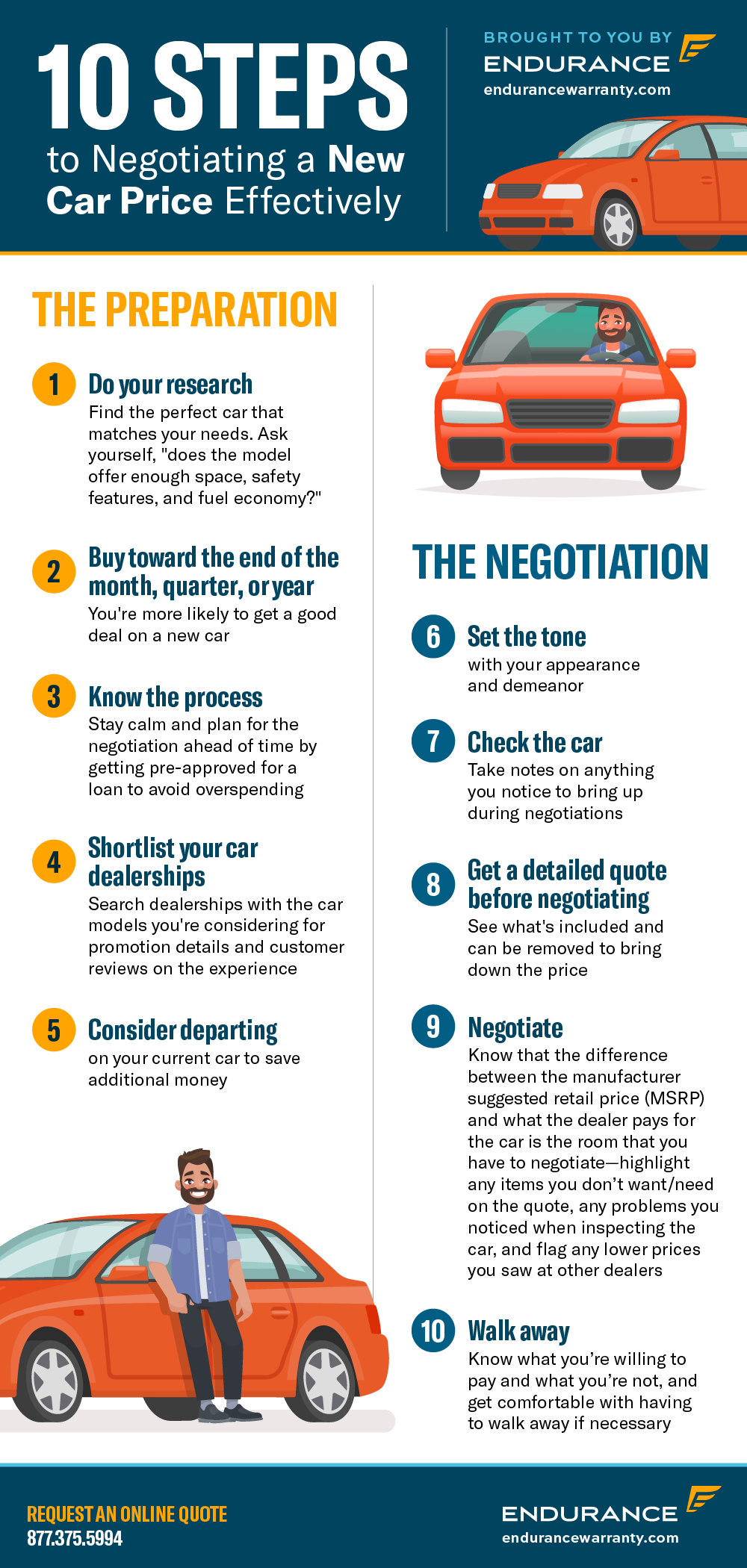
This guide explores the mechanisms of the automotive market through the lens of personal finance, providing you with the tools to navigate the dealership floor with the mindset of an investor rather than a consumer.
The Financial Foundation: Research and Market Timing
Before stepping foot onto a dealership lot, the most critical work happens at your desk. In the realm of personal finance, information is the ultimate currency. To secure a deal that favors your bank account, you must understand the distinction between what a car is “worth” and what the dealer wants you to pay.
Understanding Invoice Price vs. MSRP
The Manufacturer’s Suggested Retail Price (MSRP), often referred to as the “sticker price,” is exactly what the name suggests: a suggestion. It is designed to provide a high ceiling for negotiations. As a savvy financial actor, your focus should be on the “Invoice Price”—the amount the dealer supposedly paid the manufacturer. While dealers have additional incentives like “holdbacks” (manufacturer credits that allow them to sell at invoice and still profit), knowing the invoice price provides you with a realistic baseline for your opening bid. Tools like Edmunds, Kelley Blue Book, and Consumer Reports are essential for identifying these figures.
Timing the Market for Maximum Savings
Automotive sales operate on cyclical quotas. Dealerships and individual sales consultants are often incentivized by volume-based bonuses that trigger at the end of specific periods. To capitalize on this, aim to shop during the following windows:
- The End of the Month: Salespeople are often a few units away from a bonus tier and may be willing to sacrifice profit margin to hit their volume goal.
- Late Season (September to December): This is when new model years arrive. Dealers are desperate to clear “old” inventory to make room for incoming shipments.
- End of the Calendar Year: The final week of December is historically the most lucrative time for buyers, as dealerships strive to hit annual targets and reduce taxable inventory.
Mastering the Math: Financing and the Interest Rate Trap
One of the most common financial pitfalls in car buying is the “monthly payment” trap. Salespeople will often ask, “What can you afford per month?” This is a redirection tactic used to obscure the total cost of the loan. By stretching a loan to 72 or 84 months, a dealer can make an expensive car seem affordable while the buyer ends up paying thousands more in interest.
Pre-Approval: Your Secret Weapon
Never rely on the dealership to provide your best financing option. Before you shop, secure a pre-approval from a credit union or a local bank. Credit unions, being member-owned, frequently offer lower Annual Percentage Rates (APR) than “captive” dealership lenders. Having a pre-approval letter in your pocket effectively turns you into a “cash buyer” in the eyes of the salesperson. It also forces the dealership’s F&I (Finance and Insurance) department to beat your existing rate if they want your financing business, creating a competitive environment that works in your favor.
The 20/4/10 Rule of Car Buying
To ensure a vehicle purchase does not derail your long-term financial goals, follow the 20/4/10 rule:
- 20% Down Payment: Putting at least 20% down helps you avoid “negative equity” (being underwater), where you owe more on the loan than the car is worth.
- 4-Year Loan Term: Do not exceed a 48-month loan. Longer terms lead to excessive interest and a higher likelihood of the car breaking down while you are still paying for it.
- 10% of Income: Your total transportation costs—including loan payments, insurance, and fuel—should not exceed 10% of your gross monthly income. Adhering to this keeps your debt-to-income ratio healthy for future endeavors, such as home buying or retirement investing.
High-Stakes Negotiation: Protecting Your Net Worth

Negotiation is a psychological game, but in a financial context, it is a data-driven exercise. The goal is to isolate the variables of the deal so the dealer cannot hide costs in a “shell game.”
Separating the Trade-in from the Purchase Price
A common dealer tactic is to offer a great price on the new car while undervalued your trade-in, or vice versa. To prevent this, treat the purchase and the trade-in as two entirely separate transactions. Negotiate the “Out-the-Door” (OTD) price of the new vehicle first. Only after you have a signed agreement on the purchase price should you mention your trade-in. In many cases, you will get a better financial return by selling your old car to a third-party buyer or a dedicated used-car retailer like CarMax rather than trading it in at the dealership.
Spotting Unnecessary Dealer Add-ons and Fees
Once you reach the F&I office, you will be presented with a litany of “protections” and fees. From a wealth-building perspective, most of these are high-margin products that offer little value.
- VIN Etching and Nitrogen Tires: These are often priced at $300–$900 but cost the dealer pennies. They are almost always unnecessary.
- Gap Insurance: While important if you have a low down payment, dealerships often charge double what your personal auto insurance provider would charge for the same coverage.
- Documentation Fees: While some fees are standard, many dealerships “pad” these. Always ask for a breakdown of every line item on the final contract. If they cannot explain a fee to your satisfaction, ask for it to be removed.
Beyond the Sticker Price: Analyzing Total Cost of Ownership (TCO)
The “best deal” isn’t just about the price you pay today; it’s about what the car will cost you over the next five years. A car with a $2,000 discount might actually be more expensive than its competitor if it has higher insurance premiums and faster depreciation.
Depreciation: The Silent Wealth Killer
Depreciation is the single largest expense of owning a new car, typically accounting for more than fuel or insurance. Most new cars lose 15% to 20% of their value in the first year. To get a “deal” in the long run, research the resale value of the models you are considering. Brands with high reliability ratings tend to hold their value better, meaning your “Total Cost of Ownership” is lower because you will recoup more of your investment when it is time to sell.
Factoring in Insurance and Maintenance
Before finalizing a purchase, call your insurance agent with the Vehicle Identification Number (VIN) of the car you are considering. Performance vehicles or cars with expensive sensor-laden bumpers (common in modern safety suites) can see significantly higher premiums. Additionally, consider the maintenance schedule. Some European luxury brands require specialized service that can cost three times as much as a standard domestic or Japanese commuter car. A truly “good deal” is one that fits comfortably within your monthly budget even after the “new car smell” has faded and the first repair bill arrives.
Leveraging Incentives, Rebates, and Tax Implications
The final layer of securing a top-tier deal involves understanding the fiscal incentives provided by manufacturers and the government. These are “found money” that can drastically lower your effective purchase price.
Manufacturer Rebates and Subsidized Financing
Manufacturers often offer “customer cash” or “loyalty rebates.” Occasionally, you may have to choose between a cash rebate and 0% financing. To decide which is the better deal, use an online calculator to compare the total interest saved over the life of the loan versus the immediate cash discount. In high-interest-rate environments, 0% financing is often the superior choice, effectively acting as an interest-free loan that allows your own capital to remain invested elsewhere.

Tax Credits for Electric and Hybrid Vehicles
For those looking at EVs or Plug-in Hybrids, federal and state tax credits can act as a massive subsidy. As of current tax laws, certain vehicles qualify for up to $7,500 in federal credits. When factored into the purchase price, this can make a premium electric vehicle cost less than a mid-range internal combustion engine car. However, ensure the specific model and your income level qualify under current IRS guidelines to avoid a surprise during tax season.
In conclusion, getting the best deal on a new car is a process of discipline and mathematical rigor. By focusing on the total out-the-door price, securing independent financing, and accounting for the total cost of ownership, you transform a potentially reckless emotional purchase into a calculated financial move. In the world of personal finance, every dollar saved at the dealership is a dollar that can be put to work in your investment portfolio, fueling your long-term financial independence.
aViewFromTheCave is a participant in the Amazon Services LLC Associates Program, an affiliate advertising program designed to provide a means for sites to earn advertising fees by advertising and linking to Amazon.com. Amazon, the Amazon logo, AmazonSupply, and the AmazonSupply logo are trademarks of Amazon.com, Inc. or its affiliates. As an Amazon Associate we earn affiliate commissions from qualifying purchases.