
Football, often perceived as a sport of brute force and athletic prowess, is increasingly a game of inches, milliseconds, and meticulously analyzed data. At the heart of this intricate strategic tapestry lies a unit often overlooked by casual observers but absolutely critical to a team’s success: Special Teams. Far from being a mere collection of players waiting for their turn, special teams represent a distinct phase of the game where specialized athletes, advanced strategies, and increasingly, cutting-edge technology converge to create pivotal moments and swing game momentum.
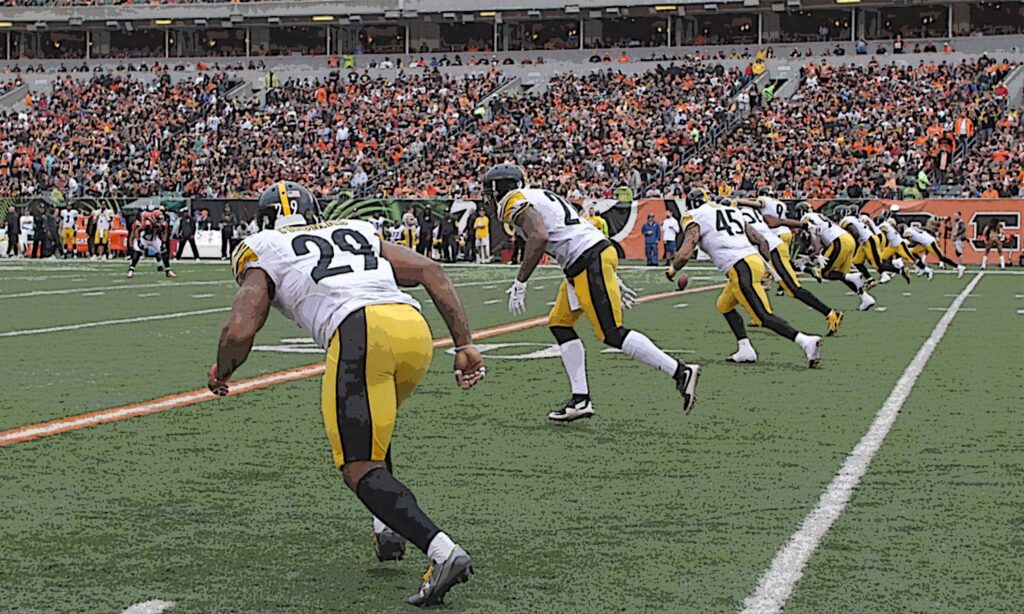
The term “special teams” encompasses all players on the field when the ball is kicked or punted, as well as the players who execute those kicking and punting actions. This includes kickoffs, punts, field goal attempts, and extra points, along with their defensive counterparts—the units tasked with blocking kicks or returning them for touchdowns. While offensive and defensive units have dedicated personnel and playbooks, special teams units are often a hybrid, drawing players from both sides of the ball, requiring a unique blend of skill sets and strategic understanding. In the modern era, the efficiency and effectiveness of a football team are significantly amplified by its investment in and understanding of the technological underpinnings of its special teams operations.
The Evolving Landscape of Special Teams and Technology
The genesis of special teams can be traced back to the early days of football, where rudimentary kicking games and punt coverage were rudimentary. However, as the sport matured, so did the complexity of these phases. The introduction of sophisticated playbooks and strategic nuances began to highlight the need for specialized roles and training. Today, the landscape of special teams is intrinsically linked to technological advancements that enable deeper analysis, more precise execution, and a greater understanding of player performance.
Data Analytics and Performance Tracking
Perhaps the most profound technological impact on special teams has been the advent of sophisticated data analytics and player tracking systems. Gone are the days of relying solely on eyewitness accounts and basic statistics. Modern NFL and collegiate teams utilize a wealth of technological tools to dissect every aspect of special teams play.
High-speed cameras, often positioned around the stadium and even on the field, capture every movement with incredible detail. Inertial measurement units (IMUs) embedded in player equipment or worn separately can track acceleration, deceleration, changes in direction, and even biomechanical efficiency. GPS tracking provides real-time data on player speed, distance covered, and work rate during kickoffs, punts, and other special teams snaps.
This data is then fed into sophisticated analytics platforms that allow coaches and analysts to:
- Quantify Player Performance: Beyond simple tackle counts or yards gained, analytics can measure the effectiveness of blockers on punt protection, the accuracy and hangtime of punters, the leg strength and directional kicking ability of kickers, and the pursuit angles and tackling efficiency of coverage units.
- Identify Tendencies and Patterns: By analyzing thousands of past plays, teams can identify opponent tendencies on special teams—how they set up blocks, their preferred return routes, or their typical defensive schemes on field goals. Conversely, they can analyze their own unit’s successful and unsuccessful patterns.
- Optimize Player Usage: Data can inform decisions about which players are best suited for specific special teams roles based on their physical attributes, speed, agility, and ability to execute specific blocking or tackling techniques under pressure.
- Develop and Refine Strategies: Analytics provide objective feedback on the efficacy of different formations, schemes, and play calls on special teams. This allows for continuous iteration and optimization of strategies. For instance, understanding the precise launch angle and spin rate of a punt can help returners anticipate its trajectory, or help punters maximize hangtime.
Specialized Equipment and Biomechanics
The pursuit of marginal gains in special teams has also led to significant technological advancements in equipment and a deeper understanding of biomechanics.
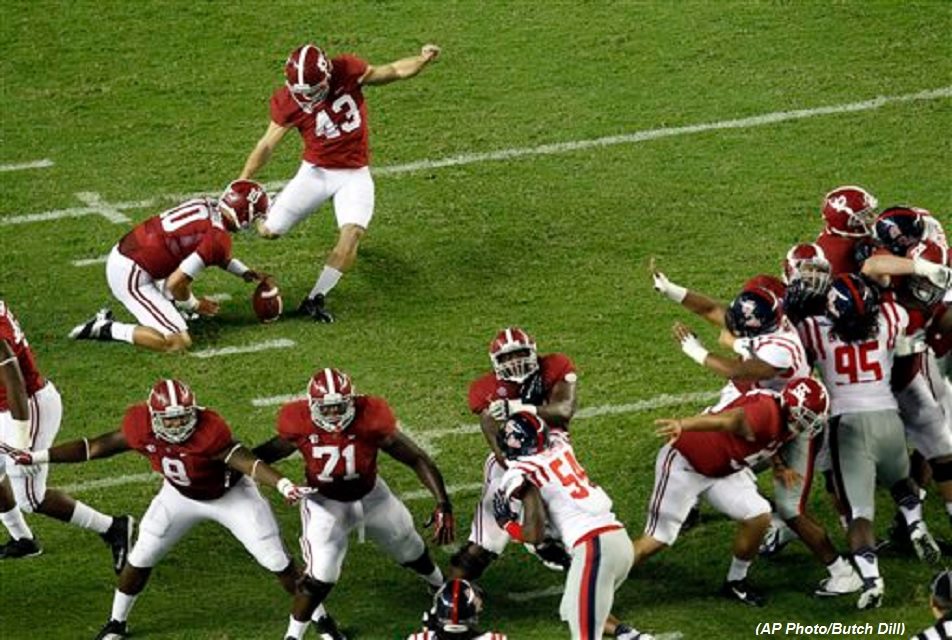
- Kicking Technology: Specialized footwear designed for kickers, incorporating advanced materials and sole designs to maximize energy transfer and kicking accuracy, are a product of technological innovation. Furthermore, tools that measure the force and angle of a kicker’s swing, combined with video analysis, allow for highly detailed biomechanical assessments and personalized training regimens aimed at improving consistency and power.
- Punting Metrics: For punters, technology can measure leg speed, swing plane, and the precise point of contact with the ball. This data, coupled with video analysis, helps refine technique to maximize both distance and hangtime, crucial for allowing the coverage unit to get downfield and prevent big returns.
- Player Protection: While not exclusively for special teams, advancements in helmet technology, shoulder pads, and other protective gear are vital for a unit that often involves high-speed collisions in open space. This technology aims to mitigate the impact of tackles and blocks, ensuring player safety and longevity.
- Wearable Technology: Beyond basic tracking, advanced wearables are emerging that can monitor physiological data such as heart rate variability, muscle fatigue, and even hydration levels. This information allows coaches to tailor practice intensity for special teams players, ensuring they are fresh and performing at their peak during games, especially for those who play multiple roles.
Strategic Applications and Technological Integration
The strategic execution of special teams plays has been revolutionized by technology. The ability to analyze vast datasets and visualize complex scenarios has empowered coaches to develop more intricate and effective schemes.
Play Design and Simulation
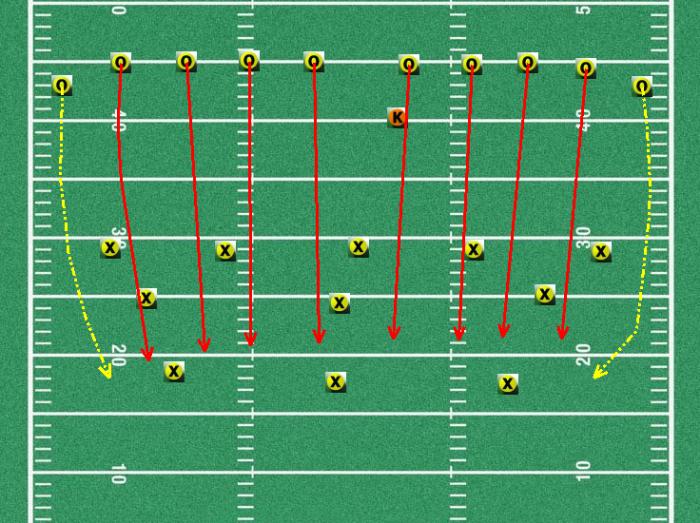
Modern playbooks are not just collections of diagrams; they are often digital assets that can be manipulated and visualized.
- 3D Playbooks and Visualization Software: Coaches use specialized software to create 3D animations and simulations of special teams plays. This allows players to visualize blocking assignments, pursuit angles, and timing with unprecedented clarity. Instead of static drawings, players can virtually walk through the play from multiple perspectives, understanding their responsibilities and the movements of their teammates and opponents.
- Virtual Reality (VR) and Augmented Reality (AR): While still emerging, VR and AR technologies hold immense potential for special teams training. Players could theoretically step into a virtual stadium and practice kick returns or punt coverage against simulated opponents, reacting to different scenarios and perfecting their execution in a risk-free environment. AR could overlay play diagrams onto the field during practice, guiding players through their assignments in real-time.
- Video Analysis Tools: Sophisticated video analysis software allows coaches to break down film frame-by-frame, isolating specific players and moments. This is invaluable for identifying subtle errors in technique, alignment, or timing that might be missed in live viewing. It also allows for objective comparisons between different players performing the same role, informing coaching decisions.
Game Management and Decision-Making
Technology plays a vital role in how special teams decisions are made during a game, impacting everything from fourth-down choices to onside kick strategies.
- Situational Analytics: During a game, analytics dashboards can provide coaches with real-time probabilities and optimal decision-making frameworks based on the game situation, opponent tendencies, and statistical models. This can inform whether to go for it on fourth down, attempt a long field goal, or try an onside kick. The likelihood of success for each of these decisions is heavily informed by historical data and advanced algorithms.
- Communication Systems: While seemingly basic, the technological advancements in coach-to-player communication systems, particularly the ability to communicate with players on the field during specific periods, have allowed for more fluid and adaptive special teams play-calling and adjustments.
- Weather and Field Condition Analysis: Advanced weather forecasting technology and sensor-based field condition analysis can provide critical insights for special teams. For example, understanding wind conditions is paramount for punters and kickers, and technology can help predict its impact with greater accuracy.
The Future of Football Special Teams: Continued Technological Evolution
The integration of technology into football, and specifically into special teams, is not a static phenomenon. It is an ongoing and accelerating evolution. As sensor technology becomes more sophisticated, data processing more powerful, and artificial intelligence more pervasive, the ways in which special teams are approached will continue to transform.
AI and Machine Learning in Special Teams
Artificial intelligence and machine learning are poised to unlock new frontiers in special teams analysis and strategy.
- Predictive Analytics: AI can move beyond analyzing past performance to predict future outcomes. Machine learning algorithms can identify subtle precursors to success or failure in special teams plays, allowing coaches to proactively adjust strategies or player training.
- Automated Scouting and Tendency Analysis: AI-powered tools can automate the tedious process of scouting opponents’ special teams units, identifying their tendencies and weaknesses with unparalleled speed and accuracy. This frees up human analysts to focus on higher-level strategic interpretation.
- Personalized Training Regimens: AI can analyze a player’s biomechanical data and performance metrics to create highly individualized training plans designed to maximize their specific strengths and address their unique weaknesses within the context of their special teams role.
- Virtual Opponents and Scenario Generation: AI can generate dynamic and adaptive virtual opponents for training simulations, providing a more realistic and challenging practice environment than static drills.
Advanced Biomechanical Analysis and Injury Prevention
The focus on player health and performance will continue to drive technological innovation in biomechanics and injury prevention.
- Real-time Biomechanical Feedback: Future wearable technology might provide real-time feedback on a player’s technique during practice or even games, offering immediate corrections to prevent injury or improve efficiency.
- Injury Prediction Models: By analyzing a combination of physiological data, biomechanical data, and training load, AI models could become even more adept at predicting a player’s risk of injury, allowing for proactive intervention.
The Human Element in a Technological Age
Despite the increasing reliance on technology, it is crucial to remember that football remains a human endeavor. Technology serves as a powerful tool to enhance understanding, refine execution, and optimize performance, but it does not replace the strategic acumen of coaches, the dedication of players, or the competitive spirit of the game. The true power of technology in football special teams lies in its ability to augment human capabilities, allowing for a more informed, efficient, and ultimately, more successful approach to this critical phase of the sport. The future of special teams is undeniably intertwined with the relentless march of technological progress, promising a more analytical, precise, and exciting spectacle for fans.
aViewFromTheCave is a participant in the Amazon Services LLC Associates Program, an affiliate advertising program designed to provide a means for sites to earn advertising fees by advertising and linking to Amazon.com. Amazon, the Amazon logo, AmazonSupply, and the AmazonSupply logo are trademarks of Amazon.com, Inc. or its affiliates. As an Amazon Associate we earn affiliate commissions from qualifying purchases.