
Civic activities, at their core, represent the ways in which individuals engage with their communities and contribute to the collective well-being of society. They are the actions, both big and small, that foster a sense of belonging, promote civic responsibility, and ultimately shape the fabric of our neighborhoods, cities, and nations. While often associated with formal political processes like voting, civic engagement encompasses a far broader spectrum of participation, extending into various spheres of community life. Understanding these activities is crucial for fostering a healthy democracy and building resilient, thriving societies. In today’s increasingly interconnected world, where digital platforms play a significant role, the nature and accessibility of civic participation are continually evolving. This exploration delves into the multifaceted nature of civic activities, highlighting their importance and the diverse avenues through which individuals can contribute.
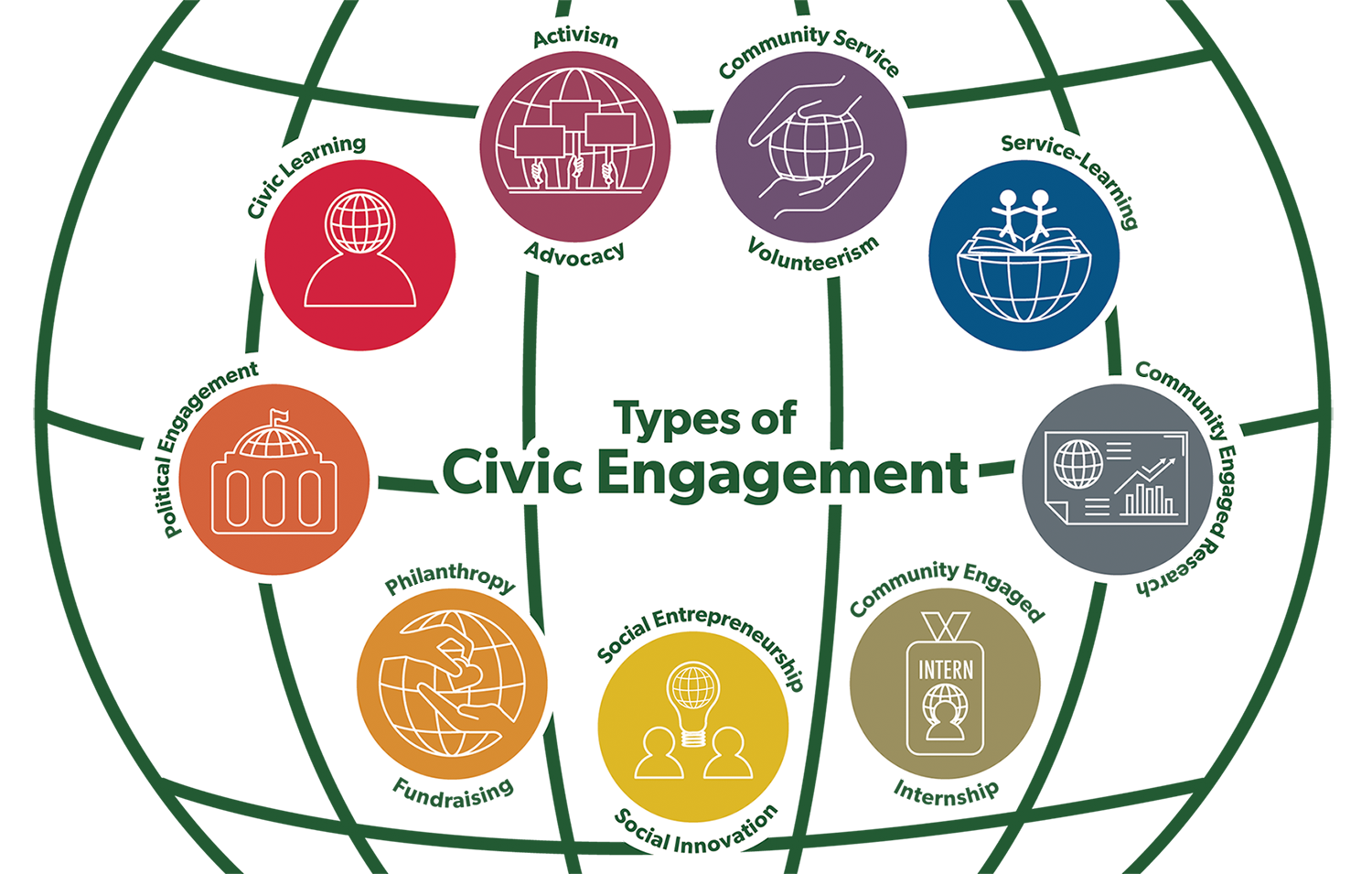
The Foundations of Civic Engagement: Understanding the Core Concepts
Before diving into specific examples, it’s essential to establish a clear understanding of what constitutes civic activity and why it matters. These activities are rooted in the principles of active citizenship and collective responsibility, forming the bedrock of democratic societies.
Defining Civic Responsibility and Participation
Civic responsibility refers to the moral or legal obligation of citizens to participate in society and to uphold the rights and freedoms of others. It’s the understanding that individual well-being is intertwined with the well-being of the community. Civic participation, in turn, is the active involvement of individuals in these responsibilities. It’s about moving beyond passive observation to become an agent of change or support within a community. This participation can take many forms, from casting a ballot to volunteering time, or even engaging in thoughtful discourse about public issues. The spectrum is wide, and every contribution, regardless of its perceived scale, plays a role in the collective effort.
The Interplay Between Individual Action and Societal Impact
The impact of civic activities is often amplified when individuals come together. A single act of kindness might touch one person, but a coordinated effort to address homelessness can transform the lives of many. Similarly, individual votes, when aggregated, determine the course of government policy. This highlights the fundamental principle that individual actions, when channeled through civic engagement, can collectively bring about significant societal change. Understanding this interplay empowers individuals to recognize the potential of their participation and to actively seek opportunities to contribute meaningfully. It underscores that even seemingly small actions can contribute to a larger, more impactful whole.
The Role of Civic Education in Fostering Engagement
A well-informed citizenry is the cornerstone of a robust democracy. Civic education plays a pivotal role in equipping individuals with the knowledge, skills, and values necessary to engage effectively in civic life. This education goes beyond memorizing historical facts; it involves understanding how government works, the rights and responsibilities of citizens, and the importance of critical thinking and respectful dialogue. It fosters an appreciation for diversity and the ability to engage constructively with differing viewpoints. Without adequate civic education, individuals may feel disempowered or uninformed, leading to apathy and reduced participation. Therefore, investing in comprehensive civic education programs is an investment in the future health of any society.
Diverse Avenues of Civic Activity: From Local to Global
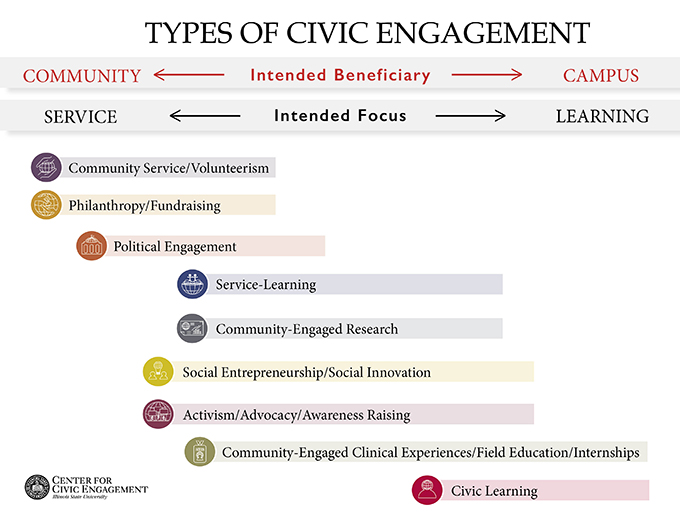
Civic activities are not confined to a single domain. They manifest across a wide range of spheres, reflecting the diverse needs and aspirations of communities. These avenues offer varying levels of commitment and impact, allowing individuals to find spaces that align with their interests and capacities.
Political Participation: The Cornerstone of Democracy
Political participation is perhaps the most recognized form of civic activity. It involves direct engagement with the political system to influence governance and policy-making.
Voting and Electoral Processes
The most fundamental act of political participation is voting. By casting a ballot, citizens exercise their right to choose their representatives and to have a say in the direction of their government. Beyond simply voting, engagement can also include registering voters, participating in campaign activities, or even running for office. Understanding electoral processes, such as ballot initiatives and referendums, further empowers citizens to directly influence policy decisions.
Engaging with Elected Officials and Advocacy
Civic activity extends beyond the ballot box to ongoing engagement with elected officials. This can involve writing letters, making phone calls, attending town hall meetings, or joining advocacy groups to lobby for specific policies or causes. These actions provide feedback to representatives, inform them of constituents’ concerns, and contribute to the democratic process by ensuring accountability.
Community Organizing and Mobilization
Community organizing is a powerful form of civic activity that brings people together to address shared concerns. It involves identifying issues, mobilizing residents, and collectively advocating for solutions. This can range from local neighborhood watch programs to large-scale movements advocating for social justice or environmental protection. The power of community organizing lies in its ability to amplify individual voices and create collective pressure for change.
Community Service and Volunteerism: Building Stronger Societies
Beyond the political arena, civic engagement thrives through acts of service and volunteerism, directly contributing to the social infrastructure of communities.
Contributing to Non-Profit Organizations and Charities
A vast network of non-profit organizations and charities addresses a multitude of social needs, from poverty and hunger to education and healthcare. Volunteering time, donating resources, or contributing specialized skills to these organizations is a direct way to make a tangible positive impact on the lives of others and the health of the community.
Local Improvement Projects and Beautification Efforts
Civic participation can also be seen in efforts to improve and beautify local spaces. This includes participating in park clean-ups, community garden initiatives, or local beautification projects. These activities not only enhance the physical environment but also foster a sense of pride and ownership within the community, encouraging further engagement.
Mentoring and Supporting Vulnerable Populations
Directly supporting vulnerable populations through mentoring programs, tutoring initiatives, or assisting the elderly is a deeply impactful form of civic activity. These actions build social capital, provide crucial support networks, and foster empathy and understanding across different segments of society.
Informational and Deliberative Engagement: Shaping Public Discourse
In the digital age, civic engagement has expanded to include a significant focus on the creation, dissemination, and discussion of information, shaping public opinion and policy debates.
Promoting Media Literacy and Combating Misinformation
As information becomes more accessible, so too does the challenge of misinformation. Civic activities in this realm involve promoting media literacy, critically evaluating sources, and actively working to debunk false narratives. This is crucial for ensuring that public discourse is based on factual information and thoughtful analysis.
Participating in Public Forums and Online Discussions
Engaging in public forums, whether in person or online, allows for the exchange of ideas and perspectives. Participating in these discussions, offering reasoned arguments, and respectfully engaging with differing viewpoints contributes to a more informed and nuanced public discourse. This deliberative aspect is vital for democratic decision-making.
Supporting and Engaging with Local Journalism
Local journalism plays a critical role in keeping communities informed about local issues, government actions, and community events. Supporting local news outlets through subscriptions, sharing their content, or even contributing to citizen journalism efforts are important civic activities that bolster transparency and accountability.
The Evolving Landscape of Civic Activity in the Digital Age
The advent of the internet and digital technologies has profoundly reshaped the ways in which individuals can engage civically. These advancements have democratized participation, amplified voices, and created new avenues for collective action, while also presenting unique challenges.
Leveraging Digital Platforms for Civic Action
Digital platforms have become powerful tools for civic engagement. Social media, online petitions, and crowdfunding platforms enable rapid dissemination of information, organization of movements, and mobilization of support for various causes. These technologies can break down geographical barriers and connect individuals with shared interests and goals, fostering a sense of global citizenship.
The Rise of Online Activism and Digital Advocacy
Online activism, or “clicktivism,” while sometimes debated for its depth of engagement, has undeniably amplified the reach of civic causes. Digital advocacy allows for swift and widespread awareness campaigns, the collection of signatures for petitions, and the pressure on decision-makers through online channels. This form of participation can be a powerful entry point for individuals to become involved in civic issues.
Navigating the Challenges of the Digital Civic Space
While digital platforms offer numerous opportunities, they also present challenges. The spread of misinformation and disinformation, online harassment, and the potential for echo chambers can hinder constructive dialogue and genuine civic engagement. Furthermore, the digital divide means that not everyone has equal access to these platforms, potentially excluding certain populations from participating fully. Responsible and ethical use of digital tools is paramount for harnessing their positive potential.
Cultivating a Culture of Civic Engagement: The Path Forward
Fostering a vibrant civic landscape requires a conscious effort from individuals, communities, and institutions. It involves nurturing the values of active citizenship and creating accessible pathways for participation.
The Importance of Continuous Learning and Awareness
Civic engagement is not a static endeavor; it requires continuous learning and awareness of the issues facing our communities. Staying informed through reliable news sources, engaging in critical thinking, and seeking out diverse perspectives are fundamental to effective participation.
Building Bridges and Fostering Inclusivity
True civic strength lies in its inclusivity. Building bridges between different groups, fostering dialogue across divides, and ensuring that all voices are heard are crucial for creating a society where everyone feels empowered to participate. This involves actively seeking out and valuing the contributions of diverse individuals and communities.

Empowering Future Generations: The Legacy of Civic Action
The future of civic activity rests with the next generation. Investing in youth civic education, providing opportunities for young people to engage in their communities, and empowering them to become active citizens are essential for ensuring a healthy and engaged society for years to come. By instilling the values of responsibility, participation, and community, we can cultivate a legacy of positive civic action.
In conclusion, civic activities are the lifeblood of any healthy society. They represent the active participation of individuals in the betterment of their communities and the collective pursuit of a more just and equitable world. From casting a vote to volunteering time, and from engaging in online discussions to participating in local clean-ups, each action contributes to the intricate tapestry of civic life. Understanding the diverse avenues of engagement, embracing the opportunities presented by the digital age, and proactively cultivating a culture of active citizenship are essential for building resilient, thriving, and democratic societies for generations to come.
aViewFromTheCave is a participant in the Amazon Services LLC Associates Program, an affiliate advertising program designed to provide a means for sites to earn advertising fees by advertising and linking to Amazon.com. Amazon, the Amazon logo, AmazonSupply, and the AmazonSupply logo are trademarks of Amazon.com, Inc. or its affiliates. As an Amazon Associate we earn affiliate commissions from qualifying purchases.