
The quest to understand and reduce our electricity consumption often boils down to a single, fundamental question: which appliance in our homes is the biggest energy hog? While many factors contribute to a household’s overall energy bill, identifying the primary culprits is the first step towards more efficient energy usage and, consequently, lower utility costs. This exploration delves into the world of home appliances and reveals the often-surprising truth about which ones demand the most electrical power, offering insights crucial for anyone looking to optimize their home’s energy footprint.
The Silent Eaters: Understanding Standby Power and Phantom Loads
Before we even identify the main contenders for “most electricity used,” it’s essential to acknowledge a pervasive, yet often overlooked, energy drain: standby power, also known as phantom load. Many modern appliances, even when seemingly turned off, continue to draw a small but continuous amount of electricity. This is to maintain memory functions, power remote controls, keep clocks ticking, or prepare for immediate activation. While individually these loads are minuscule, collectively, they can represent a significant portion of your overall energy consumption, often adding up to 5-10% of your annual electricity bill.
The Stealthy Drain: Common Culprits of Phantom Load
Certain appliances are notorious for their standby power consumption. Older televisions, particularly those with cathode ray tubes (CRTs), were significant offenders. However, modern flat-screen TVs, while generally more efficient when actively in use, still consume power in standby mode for their internal processors and to enable quick wake-up times.
- Entertainment Systems: Beyond the TV, soundbars, gaming consoles, cable boxes, and streaming devices all draw power when not actively being used. Leaving multiple of these devices in standby can quickly add up.
- Computers and Peripherals: Desktop computers, laptops, monitors, printers, and external hard drives can all consume power when in sleep mode or even fully “off” if not unplugged.
- Kitchen Appliances: Microwaves with digital displays, coffee makers with programmable timers, and even some modern refrigerators can have a constant low-level power draw.
- Home Office Equipment: Fax machines, scanners, and cordless phone charging bases are also common contributors to phantom load.
The implications of this continuous draw are twofold: firstly, it represents wasted energy, and secondly, it translates directly into unnecessary costs on your utility bill. While the individual wattage consumed might be small, the cumulative effect over thousands of hours in a year can be substantial. Awareness of these phantom loads is the first layer of defense in tackling energy inefficiency.
The Reigning Champion: Heating and Cooling Systems
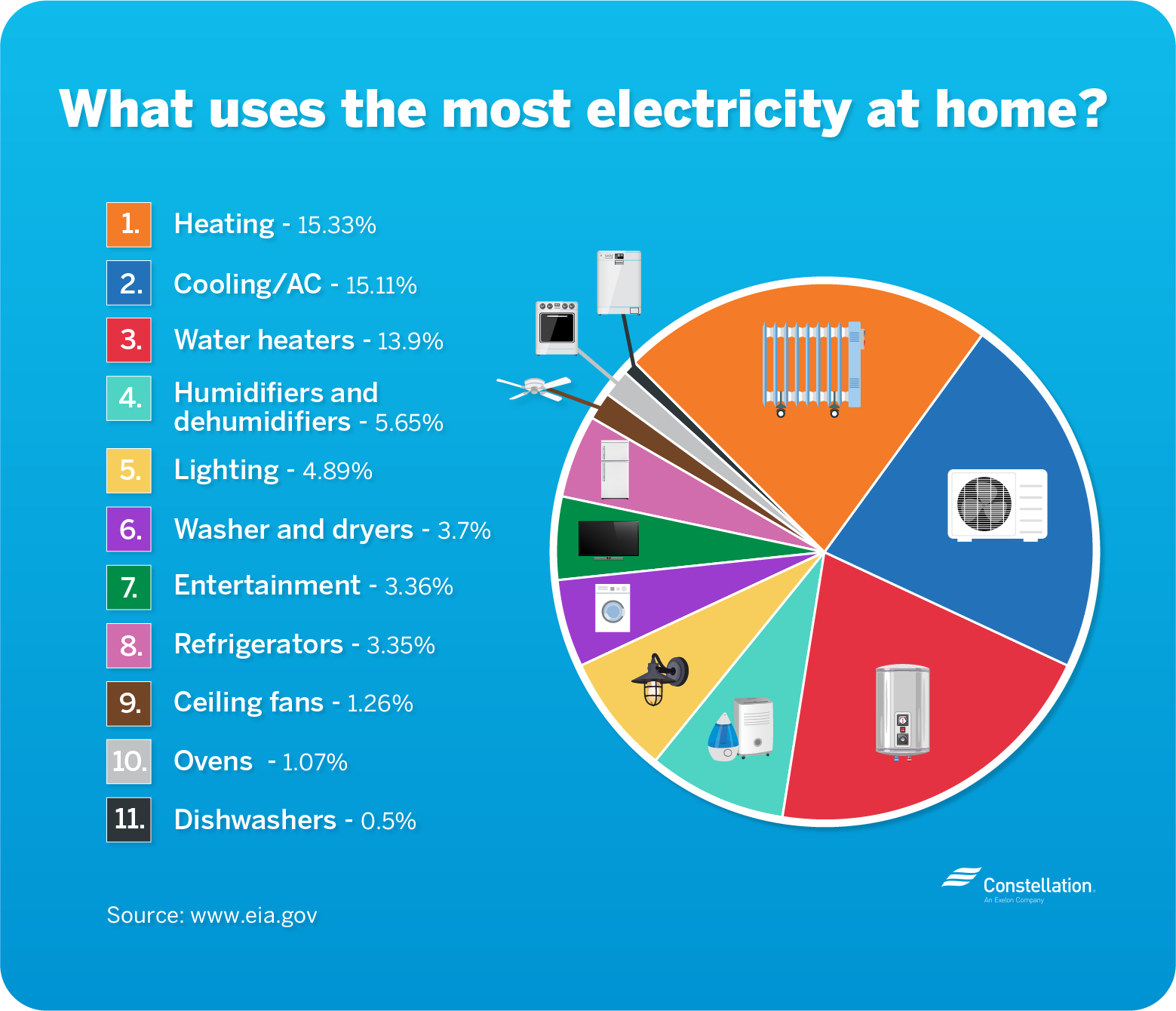
When it comes to sheer energy consumption, heating and cooling systems (HVAC) unequivocally reign supreme in most households. The amount of electricity required to alter and maintain the temperature of an entire home, especially during extreme weather conditions, is immense. This category encompasses both air conditioning units in the summer and electric furnaces or heat pumps in the winter.
The Summer Sweat: Air Conditioning’s Energy Demands
Air conditioning units, particularly central air conditioning systems, are designed to remove heat from your home’s interior and transfer it outside. This process involves powerful compressors, fans, and refrigeration cycles that are inherently energy-intensive. The size of the unit, its energy efficiency rating (SEER), the climate you live in, and how often it’s used all play a significant role in its electricity consumption.
- Compressor Power: The compressor is the heart of the air conditioning system. It’s responsible for pressurizing the refrigerant, a process that requires a considerable amount of electrical energy.
- Fan Operation: The fans, both inside (evaporator coil) and outside (condenser coil), circulate air, which also consumes electricity.
- Thermostat Settings: Every degree you lower the thermostat during hot weather directly translates to increased run time for the AC and, therefore, higher electricity usage.
- Home Insulation and Air Sealing: A poorly insulated or leaky home forces the AC to work harder and longer to maintain the desired temperature, significantly increasing energy consumption.
The Winter Chill: Electric Heating’s Power Drain
While many homes utilize natural gas or other fuels for heating, electric resistance heating and heat pumps are common alternatives, and they can be enormous energy consumers. Electric resistance heating, found in baseboard heaters, space heaters, and electric furnaces, converts electrical energy directly into heat. This process is 100% efficient in terms of converting electricity to heat, but it’s a very expensive way to generate that heat compared to other methods.
- Electric Furnaces: These are essentially large space heaters designed to warm an entire home. Their power draw can be exceptionally high, especially during the coldest months.
- Baseboard Heaters: While offering zone control, each electric baseboard heater draws significant wattage. Heating multiple rooms with them can quickly escalate electricity bills.
- Space Heaters: Portable electric space heaters, while useful for targeted heating, are notoriously inefficient for whole-room or whole-house heating. Their high wattage can rapidly drain electricity if used extensively.
- Heat Pumps: Heat pumps are more efficient than electric resistance heating because they transfer heat rather than generate it. However, they still consume electricity to operate their compressors and fans, and their efficiency decreases significantly in very cold temperatures, often requiring supplemental electric resistance heat to maintain comfort.
The Kitchen Powerhouses: Cooking and Refrigeration
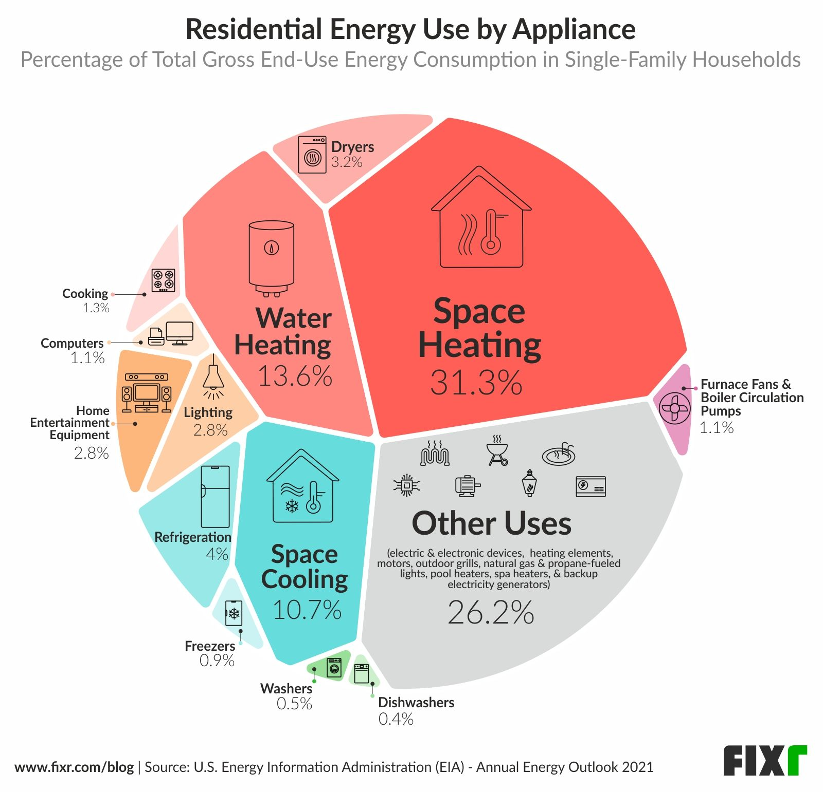
The kitchen is a hub of activity, and many of its essential appliances are significant contributors to our electricity bills. While HVAC systems typically lead the pack, the constant operation of refrigerators and the energy demands of cooking appliances make them strong contenders for the next highest positions.
The Constant Guardian: Refrigerators and Freezers
Refrigerators and freezers work tirelessly, 24/7, to keep our food cold and safe. This round-the-clock operation means they are consistently drawing power. The amount of electricity they use depends on several factors, including their size, age, energy efficiency rating (Energy Star), how often the doors are opened, and the temperature settings.
- Compressor Cycling: The compressor is the component that cools the interior. It cycles on and off to maintain the set temperature. Older models or those with less efficient compressors will cycle more frequently.
- Defrost Cycles: Automatic defrost cycles, designed to prevent ice buildup, also consume energy as they briefly heat elements to melt frost.
- Door Seals and Usage: Worn-out door seals allow cold air to escape, forcing the refrigerator to work harder. Frequent opening of the doors also lets warm air in, increasing energy demand.
- Location: Refrigerators placed near heat sources like ovens or in direct sunlight will have to work harder to stay cool.
The Culinary Competitors: Ovens, Stovetops, and Dishwashers
Cooking and cleaning up after meals are two other areas where electricity usage can be substantial.
- Electric Ovens: Electric ovens, especially those with self-cleaning functions, are major energy consumers. The heating elements required to reach and maintain high baking and broiling temperatures draw a significant amount of power. The self-cleaning cycle, in particular, uses very high temperatures (often exceeding 900°F or 500°C) for extended periods, making it one of the most energy-intensive functions in any home appliance.
- Electric Stovetops: Electric coil and smooth-top electric stovetops also require considerable energy to heat up and cook food. While generally less energy-intensive than ovens, their constant use during meal preparation can add up. Induction cooktops are significantly more energy-efficient as they heat the cookware directly.
- Dishwashers: Dishwashers use electricity for heating the water (if not connected to a hot water line), running the pump and spray arms, and often for drying the dishes. While modern dishwashers have improved their energy efficiency, their cycles, especially those involving high heat for sanitization or drying, can still be energy-intensive.
Other Significant Consumers and Energy-Saving Strategies
Beyond the primary categories of HVAC, refrigeration, and cooking, several other appliances can contribute significantly to your electricity bill, and implementing smart energy-saving strategies across your home can yield substantial reductions in consumption.
Laundry Appliances and Water Heaters
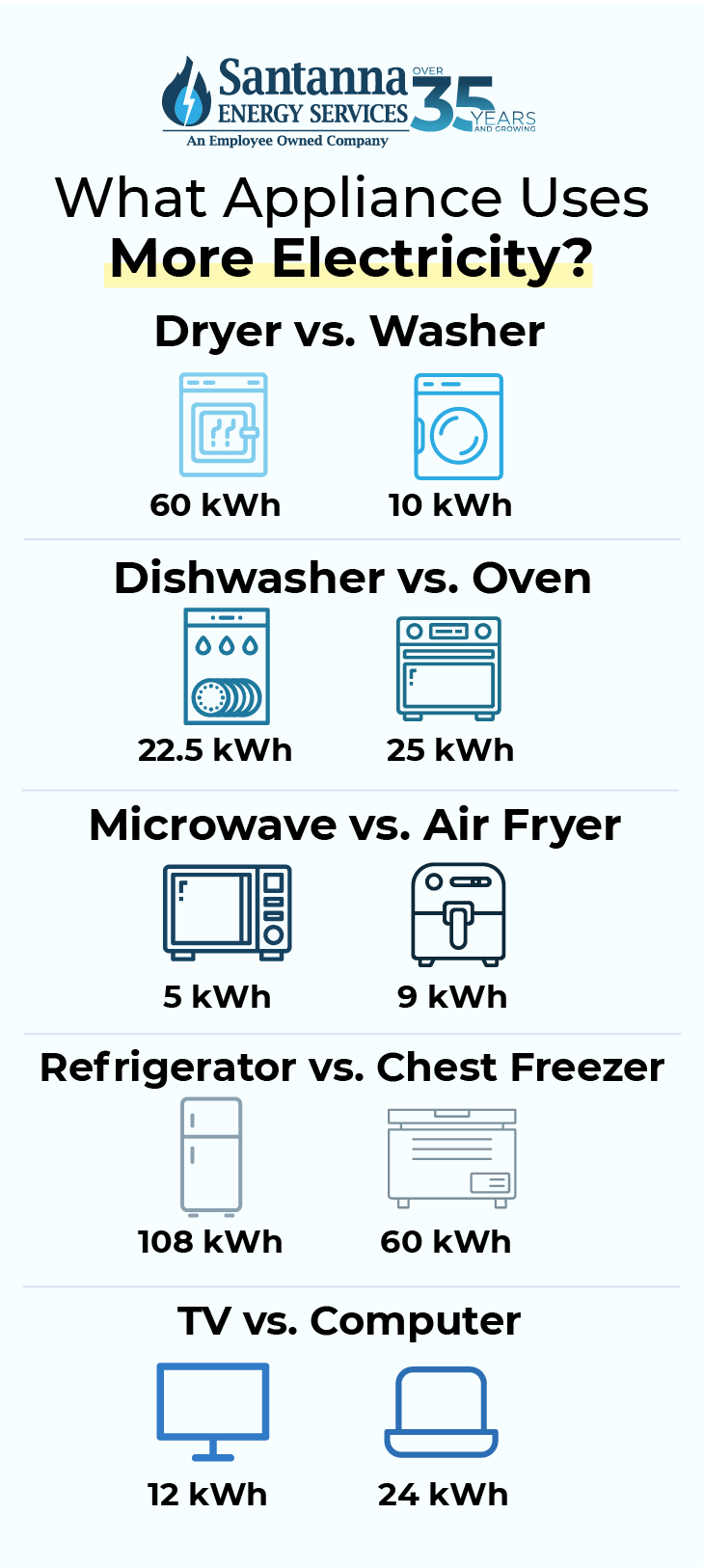
- Clothes Dryers: Electric clothes dryers are notorious energy hogs. The heating element and the motor that tumbles the clothes require a substantial amount of electricity. The longer the drying cycle and the wetter the clothes, the more energy is consumed.
- Washing Machines: While generally less energy-intensive than dryers, washing machines still use electricity for the motor, water pumps, and, importantly, for heating the water. Using cold water for laundry can significantly reduce energy consumption associated with water heating.
- Water Heaters: If your water heater is electric, it’s likely one of the largest energy consumers in your home, second only to HVAC systems. The energy required to heat and maintain a large volume of water at a set temperature is substantial. The efficiency of the heater, its size, and your household’s hot water usage all contribute to its energy draw.
Strategies for Reducing Electricity Consumption
Understanding which appliances use the most electricity is only half the battle. The real goal is to reduce that consumption.
- Energy-Efficient Appliances: When purchasing new appliances, always look for the ENERGY STAR® label. These products are designed to be significantly more energy-efficient than standard models, saving you money on your electricity bills over their lifespan.
- Smart Thermostat Usage: For HVAC systems, a programmable or smart thermostat can make a big difference. By automatically adjusting temperatures when you’re asleep or away, you can reduce unnecessary heating and cooling.
- Proper Insulation and Sealing: Ensuring your home is well-insulated and properly air-sealed is crucial for reducing the workload on your HVAC system. This is an investment that pays dividends in energy savings.
- Regular Maintenance: Keeping appliances, especially HVAC systems and refrigerators, well-maintained ensures they operate at peak efficiency. This includes cleaning coils, replacing filters, and checking for leaks.
- Behavioral Changes: Simple changes in habit can have a cumulative effect. For example, air-drying clothes when possible, using the dishwasher only when full, and being mindful of phantom loads by unplugging electronics or using smart power strips can all contribute to lower electricity bills.
- Cold Water Washing: Opting for cold water washes for laundry can save significant energy by eliminating the need to heat water.
- Reduce Water Heater Temperature: Setting your electric water heater to a slightly lower temperature (e.g., 120°F or 49°C) can reduce energy consumption without compromising comfort for most households.
By understanding the energy demands of each appliance and implementing these practical strategies, homeowners can take significant control over their electricity consumption, leading to lower bills and a more sustainable home. The key lies in informed choices, diligent maintenance, and conscious usage patterns.
aViewFromTheCave is a participant in the Amazon Services LLC Associates Program, an affiliate advertising program designed to provide a means for sites to earn advertising fees by advertising and linking to Amazon.com. Amazon, the Amazon logo, AmazonSupply, and the AmazonSupply logo are trademarks of Amazon.com, Inc. or its affiliates. As an Amazon Associate we earn affiliate commissions from qualifying purchases.