
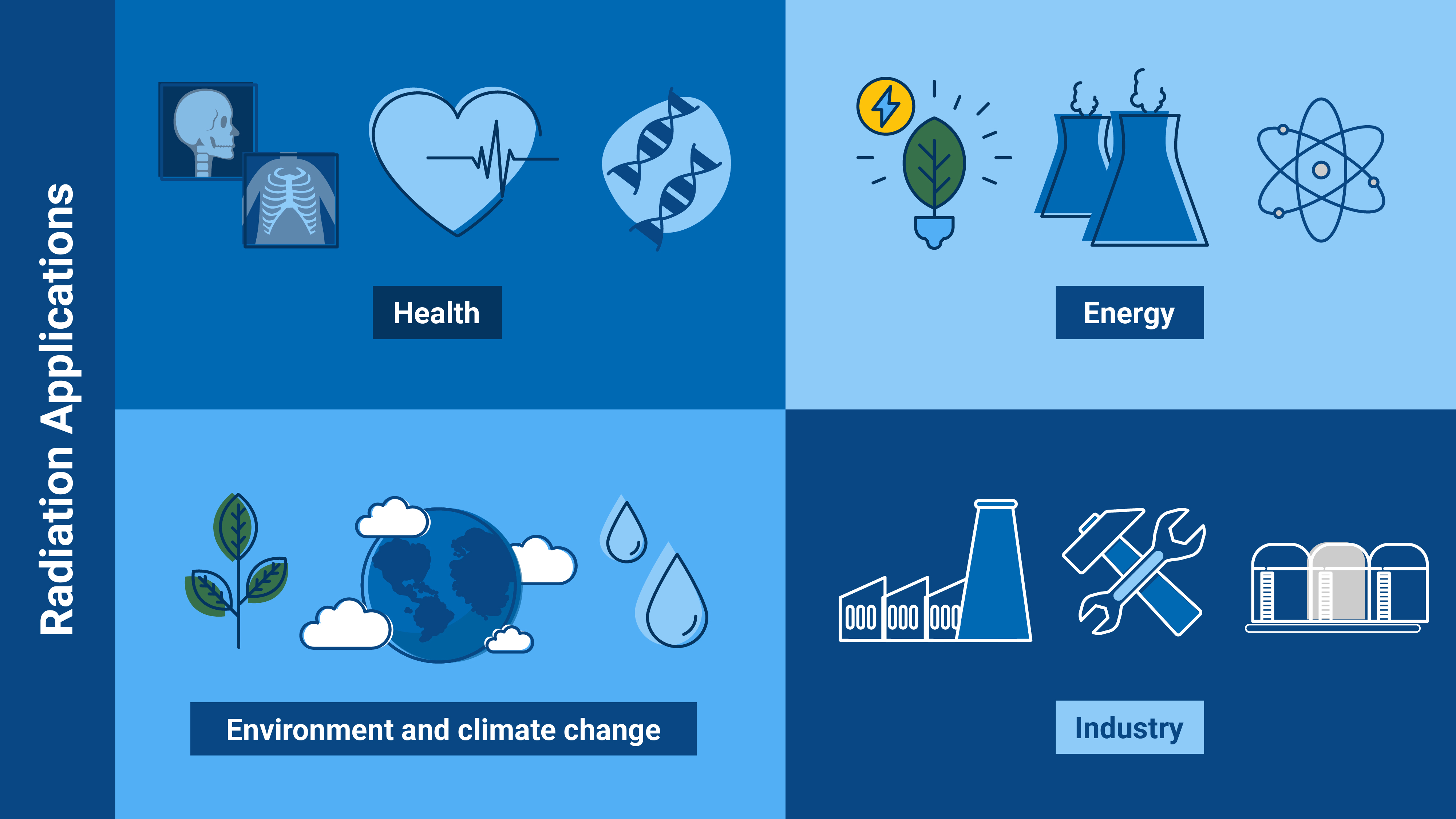
Radiation, a term that often evokes images of nuclear power plants, medical imaging, or even the eerie glow of a Geiger counter, is far more pervasive and multifaceted than commonly understood. In the realm of technology, understanding radiation is crucial, not just for its potential hazards but also for its indispensable applications that underpin much of our modern world. From the intricate workings of our electronic devices to the expansive reach of wireless communication, radiation plays a fundamental, often invisible, role. This article delves into the technological implications of radiation, exploring its various forms, how we harness it, and the critical considerations for its safe and effective use in the tech landscape.
The Electromagnetic Spectrum: A Universal Language of Radiation
Radiation, in its broadest sense, is the emission or transmission of energy in the form of waves or particles through space or through a material medium. In technology, the most prevalent form of radiation we encounter is electromagnetic (EM) radiation. This phenomenon is not a single entity but rather a vast continuum known as the electromagnetic spectrum, characterized by differing wavelengths and frequencies, each with unique properties and technological applications.
Unveiling the Electromagnetic Spectrum
The electromagnetic spectrum ranges from very low-frequency radio waves, used in long-distance communication, to extremely high-energy gamma rays, originating from radioactive decay and cosmic events. Each segment of this spectrum possesses distinct energy levels and behaviors, dictating its utility and potential impact.
Radio Waves: The Backbone of Wireless Communication
At the lower frequency end of the spectrum, radio waves are the unsung heroes of our connected world. These waves have long wavelengths and low energy, allowing them to travel vast distances and penetrate obstacles with relative ease. Technologies like AM/FM radio broadcasting, Wi-Fi networks, Bluetooth, and cellular communication all rely on radio waves to transmit information wirelessly. The precise frequencies allocated to these services are critical, ensuring that different communication channels do not interfere with each other. Advances in antenna design, signal processing, and modulation techniques continually push the boundaries of what’s possible with radio waves, enabling faster data speeds and more robust connections.
Microwaves: Powering Communication and Cooking
Moving up in frequency, microwaves possess shorter wavelengths and higher energy than radio waves. Their ability to efficiently transfer energy has led to two primary technological applications: communication and heating. Satellite communication, radar systems, and high-speed internet services like 5G utilize microwave frequencies. Within our homes, the ubiquitous microwave oven leverages the heating properties of microwaves by causing water molecules in food to vibrate rapidly, generating heat. The precise control of microwave frequency and power is essential for both efficient communication and safe cooking.
Infrared Radiation: Sensing and Security
Infrared (IR) radiation occupies a range of frequencies just below visible light. We perceive IR as heat, and its technological applications often involve sensing and thermal imaging. Remote controls for televisions and other appliances utilize IR LEDs to transmit commands. Security systems employ IR sensors to detect body heat, and thermal cameras use IR radiation to visualize temperature differences, enabling applications in building inspections, medical diagnostics, and night vision.
Visible Light: The Foundation of Sight and Imaging
The narrow band of the electromagnetic spectrum that our eyes can detect is visible light. While we perceive it as continuous, it is composed of different colors, each corresponding to a specific wavelength. Visible light is fundamental to countless technologies, including LED lighting, digital displays (LCD, OLED), cameras, and optical fibers used for high-speed data transmission. Understanding the properties of visible light, such as reflection, refraction, and diffraction, is key to designing and improving these technologies.
Ultraviolet (UV) Radiation: From Sterilization to Sunshine
Ultraviolet radiation has higher energy than visible light and is responsible for tanning and sunburn. In technology, UV radiation is used for its germicidal properties, enabling sterilization of medical equipment and water purification systems. It also plays a role in curing resins and inks in manufacturing processes. However, prolonged exposure to UV can be damaging, necessitating protective measures in applications where it is employed.
X-rays and Gamma Rays: Medical Imaging and Beyond
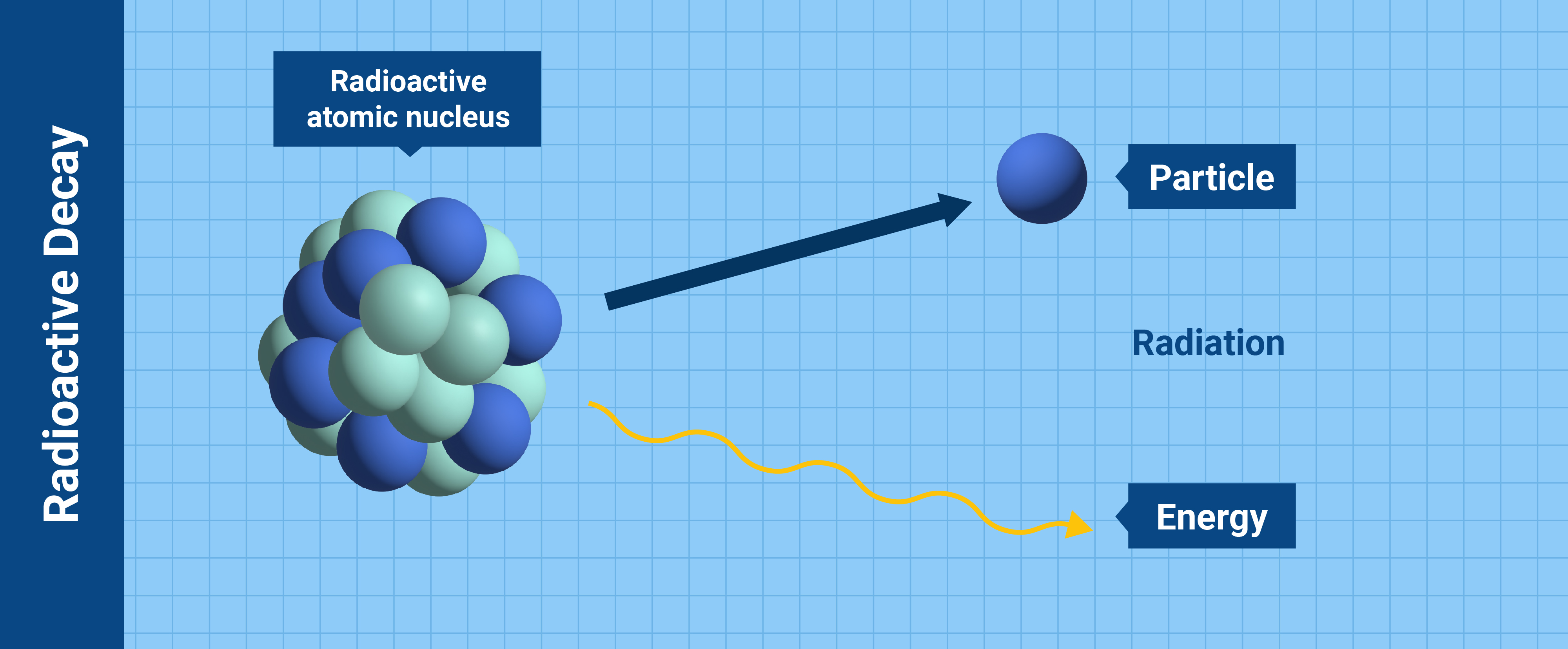
At the highest energy end of the electromagnetic spectrum lie X-rays and gamma rays. X-rays, with their penetrating power, are indispensable in medical imaging, allowing us to visualize bones and internal structures without invasive procedures. They are also used in security scanners at airports and in industrial applications for non-destructive testing. Gamma rays, even more energetic, are produced by radioactive decay and are utilized in radiotherapy to treat cancer and in industrial radiography for inspecting dense materials. The generation and detection of these high-energy forms of radiation require sophisticated equipment and strict safety protocols.
Harnessing Radiation: From Powering Devices to Enabling Communication
The technological applications of radiation are vast and continue to expand. Beyond the electromagnetic spectrum, other forms of radiation, such as particle radiation, also find critical roles. Understanding how we generate, control, and utilize these forms of energy is fundamental to technological advancement.
Ionizing Radiation: The Power and Peril of High Energy

Ionizing radiation, which includes X-rays, gamma rays, and certain types of particle radiation (alpha, beta, and neutrons), possesses enough energy to remove electrons from atoms and molecules, creating ions. This property makes it both incredibly useful and potentially hazardous.
Nuclear Technology: Energy and Medicine
Nuclear reactors harness controlled nuclear fission to generate heat, which is then used to produce electricity. This process releases significant amounts of energy, along with ionizing radiation. In medicine, radioisotopes emitting specific types of radiation are used in diagnostic imaging (PET scans, SPECT scans) and in targeted cancer therapies. The safe handling, containment, and disposal of radioactive materials are paramount in these applications, requiring stringent regulations and advanced engineering.
Particle Accelerators: Research and Applications
Particle accelerators are colossal machines designed to accelerate charged particles to near-light speeds. These high-energy particles are then used for fundamental scientific research in physics, exploring the building blocks of matter. Beyond research, particle beams are employed in medical treatments like proton therapy for cancer, offering a more precise and less damaging alternative to traditional radiation therapy. Industrial applications include sterilization of medical supplies and modification of material properties.
Non-Ionizing Radiation: Ubiquitous and Essential
Non-ionizing radiation, including radio waves, microwaves, infrared, and visible light, does not have enough energy to ionize atoms. While generally considered less harmful than ionizing radiation, understanding its interaction with matter is still crucial for technological design and safety.
Wireless Technologies: The Connected World
The proliferation of smartphones, laptops, and the Internet of Things (IoT) is powered by the sophisticated use of radio waves and microwaves. Wi-Fi, cellular networks (4G, 5G), Bluetooth, and satellite communication all rely on precise frequency allocation and efficient signal transmission. The design of antennas, the optimization of signal processing algorithms, and the management of spectrum interference are ongoing areas of technological innovation.
Lighting and Displays: Illuminating Our Digital Lives
LED technology has revolutionized lighting, offering energy efficiency and precise color control. Digital displays in our televisions, smartphones, and computer monitors are intricate arrays of pixels that emit or modulate visible light. Understanding the physics of light emission and interaction is key to developing brighter, more energy-efficient, and visually superior displays.
Safety, Regulation, and the Future of Radiation Technology
The powerful nature of radiation, regardless of its form, necessitates a robust framework of safety protocols and regulatory oversight. As we continue to develop and deploy new technologies that utilize radiation, responsible innovation and public awareness are paramount.
Understanding Exposure Limits and Risk Assessment
For both ionizing and non-ionizing radiation, established exposure limits are in place to protect human health and the environment. These limits are based on extensive scientific research and are periodically reviewed and updated. Risk assessment involves evaluating the potential for exposure, the intensity and duration of that exposure, and the known biological effects of the specific type of radiation.
Regulatory Bodies and Standards
International organizations and national regulatory agencies, such as the International Commission on Radiological Protection (ICRP) and the Federal Communications Commission (FCC) in the US, play a vital role in setting standards and enforcing regulations related to radiation. These bodies ensure that technologies utilizing radiation are developed and deployed in a manner that minimizes risk to the public and to workers.
Advancements in Detection and Shielding
Technological innovation extends to the very tools we use to detect and mitigate radiation. Sophisticated radiation detectors, ranging from portable Geiger counters to highly sensitive laboratory equipment, are essential for monitoring radiation levels and ensuring compliance with safety standards. Similarly, advancements in materials science have led to the development of more effective shielding materials for applications involving ionizing radiation, such as in medical facilities and nuclear power plants.
The Ongoing Evolution of Radiation Applications
The future holds exciting possibilities for the application of radiation in technology. From advanced medical diagnostics and therapies to novel energy generation methods and enhanced communication systems, radiation will undoubtedly continue to be a cornerstone of technological progress. Researchers are exploring new frontiers, such as using focused particle beams for advanced manufacturing and developing more efficient methods for harnessing solar energy, which is itself a form of electromagnetic radiation. The ongoing pursuit of knowledge and responsible development will ensure that radiation continues to serve humanity safely and effectively.
aViewFromTheCave is a participant in the Amazon Services LLC Associates Program, an affiliate advertising program designed to provide a means for sites to earn advertising fees by advertising and linking to Amazon.com. Amazon, the Amazon logo, AmazonSupply, and the AmazonSupply logo are trademarks of Amazon.com, Inc. or its affiliates. As an Amazon Associate we earn affiliate commissions from qualifying purchases.