
In the realm of personal finance, the most critical numbers are rarely the gross figures on a paycheck. Instead, the true indicators of financial health and future freedom are found in ratios and proportions. When individuals ask, “What is the percentage of income I should be saving?” they are looking for more than a simple digit; they are seeking a blueprint for a life free from fiscal anxiety.
Understanding financial percentages allows an individual to scale their lifestyle according to their earnings, ensuring that whether they earn $50,000 or $500,000, the foundational pillars of wealth creation remain intact. This article explores the essential percentages that define modern financial success, from the famous 50/30/20 rule to the complex allocations required for aggressive investing and business growth.
The Core Framework: Decoding the 50/30/20 Rule
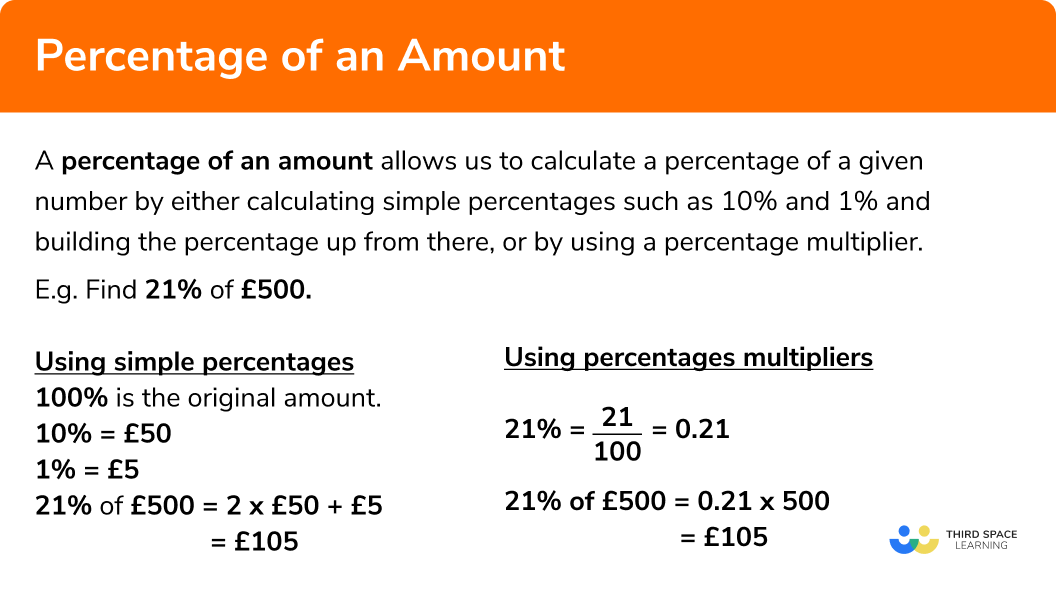
The 50/30/20 rule is perhaps the most widely recognized percentage-based budgeting tool in the world. Popularized by Senator Elizabeth Warren in her book All Your Worth, this framework provides a simplified yet robust way to view one’s after-tax income. It categorizes every dollar spent into three distinct buckets, ensuring that the individual is neither overextending on luxuries nor depriving themselves of current enjoyment.
Needs: The 50% Baseline
The first and largest percentage—50%—is dedicated to “Needs.” These are the non-negotiable expenses that are required for survival and the maintenance of one’s professional life. This includes housing (rent or mortgage), utilities, groceries, transportation, insurance, and minimum debt payments.
The challenge for many in high-cost-of-living areas is keeping this figure at or below the 50% mark. When the percentage of income spent on “Needs” creeps toward 60% or 70%, it creates a “structural deficit” that starves the other two categories. To remedy this, one must either increase their total income or aggressively downsize their fixed costs, such as moving to a more affordable residence or optimizing transportation expenses.
Wants: The 30% Flexibility Factor
One of the reasons many budgets fail is that they are too restrictive. The 50/30/20 rule allocates 30% of income to “Wants.” This category encompasses lifestyle choices: dining out, streaming services, travel, hobbies, and the latest gadgets.
By dedicating a specific percentage to “Wants,” you grant yourself “guilt-free spending.” As long as the other categories are funded, this 30% serves as a buffer that prevents burnout. Insightful financial planning recognizes that money is a tool for living, not just a metric for hoarding. However, it is vital to remember that “Wants” are the first area to be trimmed during an economic downturn or a personal financial emergency.
Savings and Debt: The 20% Engine
The final 20% is the most important for long-term wealth. This percentage is allocated to “Financial Priorities,” which include emergency fund contributions, retirement accounts (401k, IRA), and extra principal payments on high-interest debt.
While 20% is the standard recommendation, it is often viewed by financial experts as the floor rather than the ceiling. This percentage is what builds the “compounding engine.” By consistently directing one-fifth of your net income toward assets rather than liabilities, you ensure that your future self will eventually be funded by your past self’s discipline.
Scaling Your Savings: Why 20% is Just the Starting Line
While the 50/30/20 rule is an excellent starting point for the average consumer, those pursuing “Financial Independence, Retire Early” (FIRE) or high-net-worth status often find that 20% is insufficient. The percentage of income saved is the single greatest predictor of when someone can afford to stop working.
The Power of Compound Interest Over Time
The relationship between the percentage of savings and the time to retirement is exponential. If an individual saves 10% of their income, they must work roughly nine years to save for one year of living expenses. If they save 50% of their income, they save one year of living expenses for every year they work.
The “Magic of Compounding” thrives on these percentages. When you increase your savings rate from 20% to 30%, you aren’t just saving 10% more; you are effectively accelerating your wealth-building timeline by decades. This is because the more you save, the less you are accustomed to spending, which simultaneously lowers the total “nest egg” required to sustain your lifestyle in the future.
Adjusting Percentages for High Earners and FIRE Seekers
For high earners, the 50/30/20 rule can actually be counterproductive. If someone earns $400,000 a year, spending $120,000 (30%) on “Wants” may lead to significant lifestyle creep. In these instances, financial advisors often recommend an inverted model, such as the 20/30/50 rule, where 50% of income is directed toward investments.
FIRE seekers often aim for a savings rate of 50% to 70%. By keeping their “Needs” and “Wants” to a combined 30–50% of their income, they can achieve financial independence in 10 to 15 years rather than the traditional 40-year career arc. The “percentage” here becomes a badge of efficiency and a tool for temporal freedom.
Investment Allocation: What Percentage of Your Portfolio Should Be in Stocks vs. Bonds?
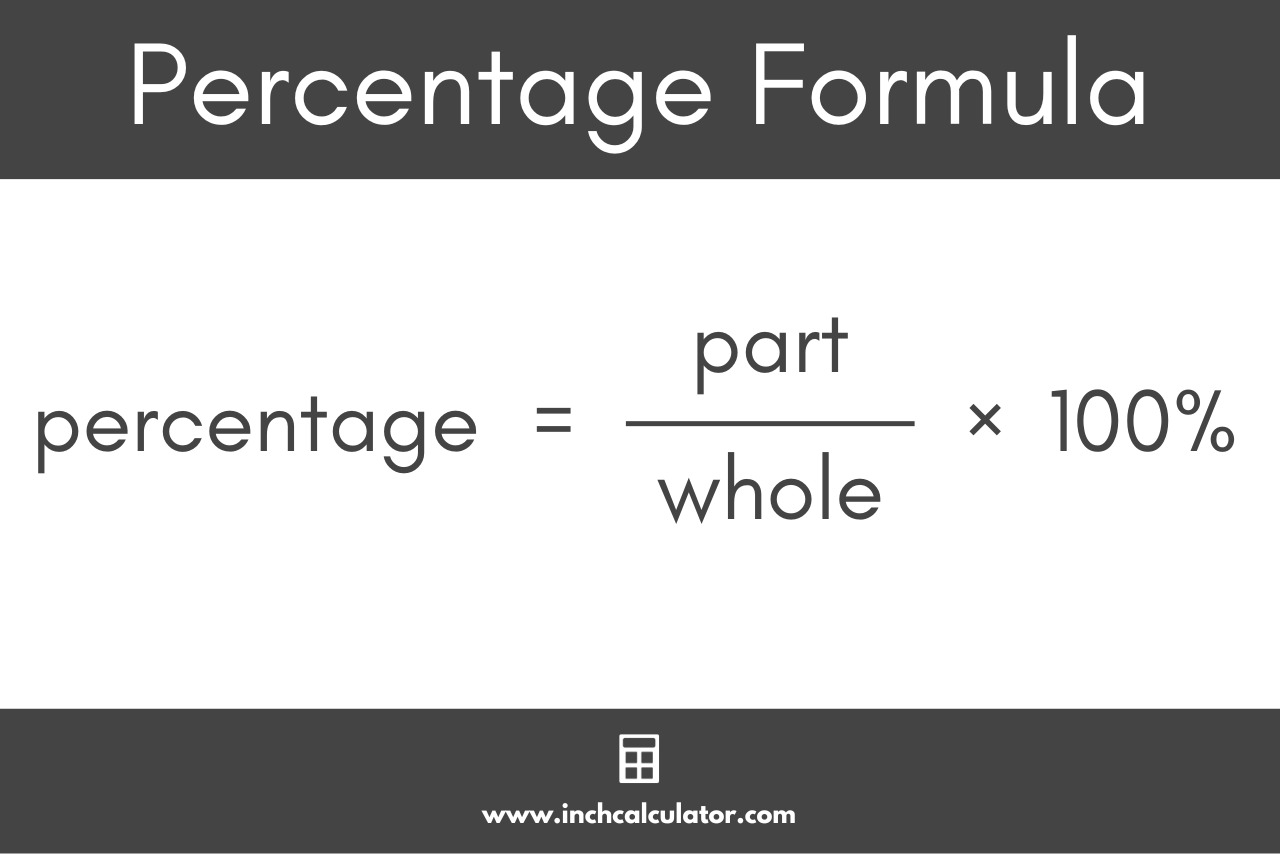
Once the percentage of income to be saved has been established, the next logical question is: “What is the percentage of my savings that should be invested in specific asset classes?” This is known as asset allocation, and it is the primary driver of portfolio risk and return.
The “Rule of 100” and Modern Variations
A traditional rule of thumb for investment percentages was the “Rule of 100.” You would subtract your age from 100 to determine the percentage of your portfolio that should be in equities (stocks), with the remainder in fixed income (bonds). For example, a 30-year-old would hold 70% in stocks and 30% in bonds.
However, with increasing life expectancies and historically low interest rates in recent decades, many advisors have shifted this to the “Rule of 110” or “Rule of 120.” For a modern 30-year-old, an allocation of 90% stocks and 10% bonds is often considered more appropriate to combat inflation and ensure long-term growth. The percentage in stocks represents your “growth engine,” while the percentage in bonds represents your “ballast” or volatility dampener.
Diversification Percentages for Risk Management
Within the equity portion of a portfolio, further percentage breakdowns are required. A common institutional-grade allocation might involve:
- 40% Large-Cap Domestic Stocks: For stability and blue-chip exposure.
- 20% International Developed Markets: To hedge against a weakening local currency.
- 10% Emerging Markets: For high-growth potential.
- 10% Small-Cap Stocks: To capture the “size premium.”
- 20% Real Estate/Alternative Assets: To provide non-correlated returns.
These percentages ensure that no single market event can decimate the entire portfolio. This “percentage-based diversification” is the only “free lunch” in finance, allowing for optimized returns relative to the risk taken.
Business Finance: What Percentage of Revenue Should Go Toward Growth?
For entrepreneurs and side-hustlers, the question of “what is the percentage” shifts from personal consumption to business sustainability. Managing the percentages of a business P&L (Profit and Loss statement) is what separates a profitable venture from a failing one.
Marketing and Customer Acquisition Costs (CAC)
In the growth phase of a business, the percentage of revenue allocated to marketing is a critical lever. Most established B2B companies spend between 5% and 10% of their gross revenue on marketing. However, B2C companies or high-growth startups might spend 20% to 50% of their revenue on customer acquisition to capture market share.
Understanding the “Percentage of Margin” is also vital. If a product has a 60% gross margin, but the cost to acquire a customer takes up 50% of the sale price, the business is left with only 10% to cover overhead and profit. Successful business owners obsess over these percentages to ensure they aren’t “growing themselves into bankruptcy.”
The R&D Allocation for Long-term Sustainability
To avoid stagnation, a business must reinvest a percentage of its profits back into Research and Development (R&D). Tech giants often reinvest 15% to 20% of their earnings into new products. For a solo entrepreneur or a small business, this might mean taking 10% of monthly income to invest in new software, professional development, or better equipment. This percentage ensures that the “Money” engine doesn’t just run today but evolves for tomorrow.
Psychological Barriers to Percentage-Based Budgeting
Despite the mathematical clarity of percentages, humans are notoriously bad at adhering to them. The “Money” niche is as much about psychology as it is about arithmetic.
Overcoming the “Lifestyle Creep” Phenomenon
Lifestyle creep occurs when an increase in income leads to a proportional increase in spending, keeping the percentage of savings stagnant. If you receive a 10% raise but increase your rent and car payment by the same amount, your financial trajectory has not actually improved.
To combat this, savvy investors use a “Save the Raise” strategy. When a salary increase occurs, they commit to directing 50% or more of that specific increase toward savings. This allows for a modest increase in lifestyle while simultaneously improving the overall percentage of income saved.
Tools to Automate Your Percentage Splits
In the modern digital age, we no longer have to manually calculate these percentages every payday. Fintech tools and banking apps now allow for “automatic sub-savings accounts.” You can set your direct deposit to automatically split: 50% to your main checking, 20% to a high-yield savings account, and 30% to a lifestyle account.
By automating the percentages, you remove the “decision fatigue” associated with money management. When the money is moved before you have the chance to spend it, you adapt your lifestyle to the remaining balance. This is the “Pay Yourself First” principle in its most efficient, percentage-based form.
Conclusion
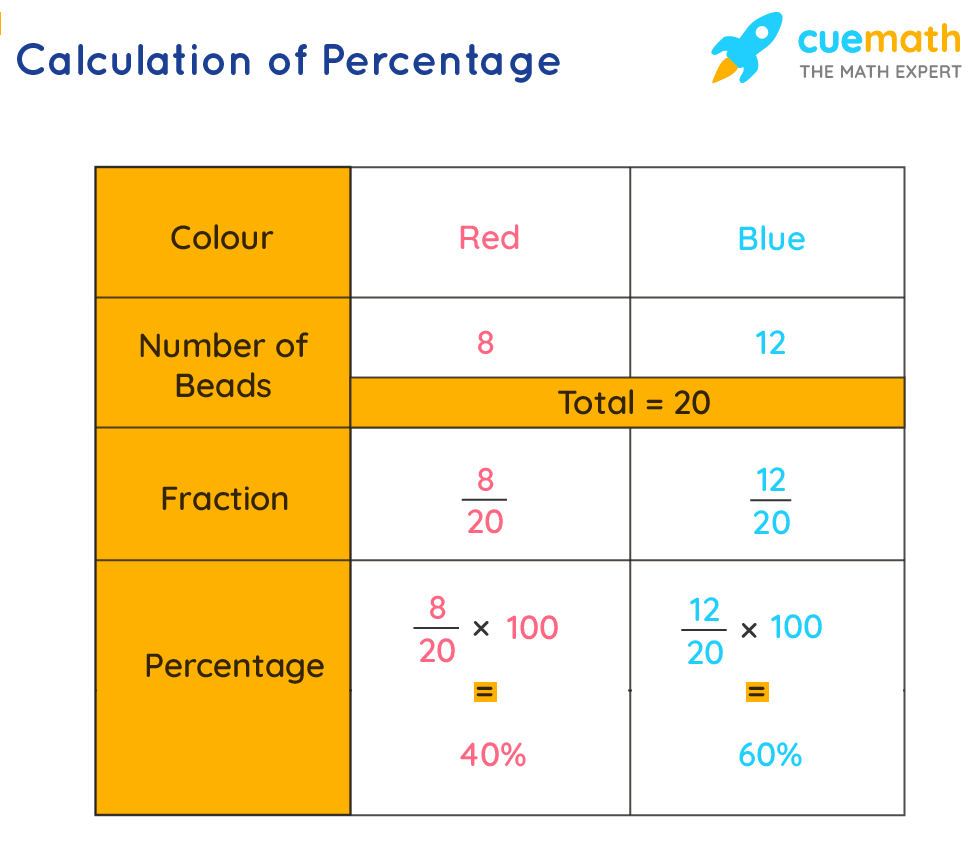
“What is the percentage of…” is a question that serves as the foundation of financial literacy. Whether it is the 50/30/20 split of a personal budget, the 90/10 split of an investment portfolio, or the 10% reinvestment in a growing business, these ratios provide the guardrails for a successful life. By focusing on percentages rather than raw numbers, you gain a scalable, adaptable, and professional approach to wealth that thrives in any economic climate.
aViewFromTheCave is a participant in the Amazon Services LLC Associates Program, an affiliate advertising program designed to provide a means for sites to earn advertising fees by advertising and linking to Amazon.com. Amazon, the Amazon logo, AmazonSupply, and the AmazonSupply logo are trademarks of Amazon.com, Inc. or its affiliates. As an Amazon Associate we earn affiliate commissions from qualifying purchases.