
The quest for a good bike for exercise is a common and highly personal one. It’s not just about finding a two-wheeled vehicle; it’s about selecting a partner for your fitness journey, a tool that will motivate you, challenge you, and ultimately help you achieve your health and wellness goals. In a world saturated with an overwhelming array of cycling options, discerning the “good” from the merely “functional” requires a nuanced understanding of your own needs, preferences, and the technological advancements that shape modern cycling equipment. This article will guide you through the essential considerations when choosing a bike for exercise, focusing on the technological aspects that enhance performance, comfort, and overall riding experience.
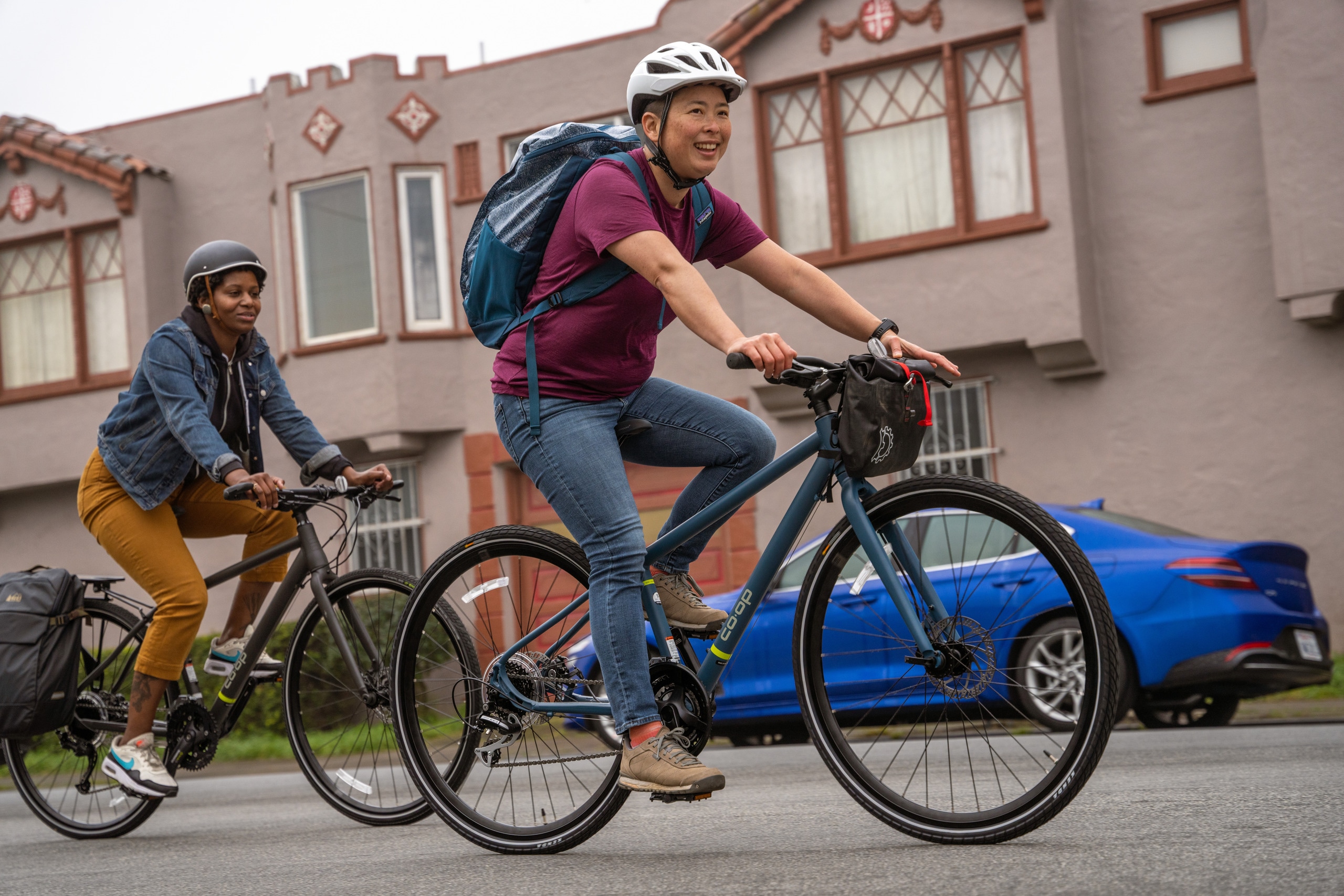
The Evolving Landscape of Exercise Bikes: Technology as a Performance Enhancer
The modern exercise bike is a far cry from the rudimentary contraptions of the past. Today, technology is deeply integrated into every aspect of bicycle design, from frame materials and suspension systems to drivetrains and connectivity. Understanding these technological advancements is crucial for making an informed decision.
Frame Materials and Design: The Foundation of Performance and Comfort
The material and design of a bike’s frame significantly influence its weight, stiffness, ride quality, and durability. Each material offers a distinct blend of characteristics that cater to different riding styles and preferences.
Aluminum Alloys: The Workhorse of Modern Cycling
Aluminum alloys have long been the backbone of mass-produced bicycles due to their excellent strength-to-weight ratio and affordability. Modern aluminum alloys are engineered to offer a comfortable ride without sacrificing responsiveness. Manufacturers employ sophisticated techniques like hydroforming to shape aluminum tubes, allowing for optimized aerodynamics and improved stiffness in key areas like the bottom bracket and headtube, while potentially incorporating thinner walls in other sections to reduce weight and enhance compliance.
- Pros: Relatively lightweight, durable, affordable, corrosion-resistant.
- Cons: Can be less compliant than steel or carbon fiber, potentially leading to a harsher ride on rough terrain.
- Best for: Budget-conscious riders, general fitness riding, commuting, and recreational trails.
Carbon Fiber Composites: The Pinnacle of Lightweight Performance
Carbon fiber has revolutionized bicycle design, offering unparalleled stiffness-to-weight ratios. This advanced material is meticulously layered and molded to create frames that are incredibly light, strong, and can be tuned for specific ride characteristics. By strategically orienting the carbon fibers, manufacturers can create areas of extreme stiffness for efficient power transfer, while simultaneously incorporating flex in other areas to absorb road vibrations and enhance comfort. This allows for a bike that feels both responsive and forgiving.
- Pros: Exceptionally lightweight, incredibly stiff for efficient power transfer, excellent vibration damping capabilities, can be molded into complex aerodynamic shapes.
- Cons: Significantly more expensive than aluminum or steel, can be more susceptible to impact damage if not handled carefully.
- Best for: Serious athletes, performance-oriented riders, long-distance cycling, and those seeking the ultimate in light weight and responsiveness.
Steel Alloys: The Classic Blend of Durability and Ride Quality
While less common in high-performance bikes today, steel remains a cherished material for its unique ride quality and durability. Modern steel alloys, often referred to as chromoly (chromium-molybdenum), offer a blend of strength, flexibility, and resilience. Steel frames are known for their ability to absorb road shock, providing a remarkably smooth and comfortable ride, especially over longer distances or on uneven surfaces. Though generally heavier than aluminum or carbon fiber, steel’s inherent compliance can make it a preferred choice for touring, commuting, and riders who prioritize comfort above all else.
- Pros: Exceptionally durable and resilient, provides a smooth and comfortable ride, repairable in many cases, classic aesthetic.
- Cons: Generally heavier than aluminum or carbon fiber, can be susceptible to rust if not properly maintained.
- Best for: Touring, commuting, randonneuring, and riders who value a plush and forgiving ride.
Drivetrain Technology: Efficiency and Precision in Every Pedal Stroke
The drivetrain is the heart of a bicycle, converting your pedaling effort into forward motion. Modern advancements in drivetrain technology have focused on improving efficiency, precision, and durability, offering a smoother and more reliable riding experience.
Derailleur Systems: The Traditional Powerhouse
Derailleur systems, with their exposed gears and external shifting mechanisms, remain the most common type of drivetrain. Recent innovations have focused on increasing the number of gears, improving shifting accuracy, and enhancing durability. Electronic shifting systems, such as Shimano’s Di2 and SRAM’s eTap, have emerged as game-changers. These systems use small motors to move the derailleurs, offering near-instantaneous, precise, and effortless shifts with the push of a button. This not only improves the riding experience by eliminating the need for manual cable tension adjustments but also allows for smoother transitions between gears, particularly under load.
- Key Technologies:
- Gear Count: Modern drivetrains offer a wide range of gears (e.g., 10, 11, 12-speed cassettes), providing optimal gearing for varied terrains and inclines.
- Electronic Shifting: Offers unparalleled precision, speed, and ease of use, reducing rider fatigue and enhancing control.
- Clutch Rear Derailleurs: Reduce chain slap and improve chain retention on rough terrain, minimizing noise and potential damage.
- Narrow-Wide Chainrings: In 1x (single chainring) systems, these feature alternating narrow and wide teeth to securely hold the chain, eliminating the need for a front derailleur and simplifying maintenance.
Internal Gear Hubs (IGH): Simplicity and Low Maintenance
Internal gear hubs house the gearing mechanism within the rear hub, offering a cleaner aesthetic and superior protection from the elements. This makes them ideal for commuting, touring, and riders who prioritize low maintenance. While historically offering fewer gears than derailleur systems, modern IGHs have become increasingly sophisticated, with some offering up to 14 gears, rivaling traditional systems. Their key advantage lies in their ability to be shifted while stationary, a significant benefit in stop-and-go traffic or when anticipating a hill.
- Pros: Excellent protection from dirt and weather, low maintenance, ability to shift while stationary, cleaner appearance.
- Cons: Can be heavier than derailleur systems, sometimes offer a less direct gear feel, repairs can be more complex.
- Best for: Commuting, touring, utility cycling, and riders who value simplicity and minimal maintenance.
Braking Systems: Stopping Power and Control in All Conditions
Effective braking is paramount for safety and confidence, especially when exercising. Modern braking technologies have significantly improved stopping power, modulation, and reliability.
Disc Brakes: The Gold Standard for Performance and All-Weather Reliability
Disc brakes have largely supplanted rim brakes on modern performance and exercise bikes, and for good reason. They offer superior stopping power, consistent performance in wet and muddy conditions, and better modulation (the ability to finely control braking force).
-
Hydraulic Disc Brakes: These use hydraulic fluid to actuate the brake calipers, offering the most powerful and consistent braking experience. They require less hand effort and provide excellent modulation, allowing for precise control of speed.
- Pros: Exceptional stopping power, superior modulation, reliable in all weather conditions, less hand fatigue.
- Cons: More expensive than mechanical disc brakes or rim brakes, can be more complex to maintain.
- Best for: All types of cycling, especially performance riding, descending, and any situation where consistent and powerful braking is crucial.
-
Mechanical Disc Brakes: These use a standard brake cable to actuate the caliper. While not as powerful or refined as hydraulic systems, they offer a significant improvement over rim brakes and are more affordable and easier to maintain.
- Pros: More affordable than hydraulic disc brakes, easier to maintain and repair with standard tools.
- Cons: Less stopping power and modulation compared to hydraulic disc brakes, performance can be affected by cable tension and condition.
- Best for: Budget-conscious riders, commuting, and those seeking an upgrade from rim brakes without the cost of hydraulics.
Rim Brakes: The Traditional and Accessible Option
Rim brakes, which apply friction to the rim of the wheel, are still found on many entry-level and older bicycles. While they are generally less powerful and perform poorly in wet conditions compared to disc brakes, they are simple to understand, maintain, and are typically more affordable.
- Pros: Affordable, simple to maintain and adjust, lightweight.
- Cons: Less stopping power, performance significantly degraded in wet or muddy conditions, can wear down wheel rims over time.
- Best for: Budget-focused riders, casual riding in dry conditions, and older bicycles.
Tire Technology: The Crucial Interface Between Bike and Ground
Tires are your bike’s direct connection to the road or trail, and their design and construction have a profound impact on grip, comfort, rolling resistance, and puncture protection.
Tread Patterns and Compounds: Tailoring Grip and Speed
Tire tread patterns vary widely depending on the intended use. Smooth, slick tires minimize rolling resistance for maximum speed on pavement. Tires with more aggressive knobs provide increased grip on loose surfaces like gravel or dirt trails. Tire compounds, the rubber mixture used in the tire, also play a critical role. Softer compounds offer better grip and comfort but wear out faster, while harder compounds are more durable and roll faster but sacrifice some grip.
Tubeless Tire Systems: The Future of Puncture Resistance
Tubeless tire systems, where the tire is mounted directly to the rim without an inner tube, have become increasingly popular. They allow for lower tire pressures, which enhances comfort and grip, and significantly reduces the risk of pinch flats (where the inner tube is punctured by the rim or an object). A sealant is added to the tire to automatically seal small punctures, further improving reliability and reducing the need for roadside repairs.
- Pros: Reduced risk of pinch flats, ability to run lower tire pressures for increased comfort and grip, faster rolling due to elimination of friction from inner tube.
- Cons: Initial setup can be more complex than traditional tubed tires, requires tubeless-compatible rims and tires.
- Best for: Mountain biking, gravel riding, and performance road cycling where puncture resistance and ride quality are paramount.
By understanding these technological advancements in frame materials, drivetrains, braking systems, and tires, you can make a more informed and strategic decision when selecting a bike that will truly enhance your exercise experience. The right bike, equipped with the appropriate technology, will not only feel better to ride but will also inspire you to push your limits and achieve your fitness aspirations.
aViewFromTheCave is a participant in the Amazon Services LLC Associates Program, an affiliate advertising program designed to provide a means for sites to earn advertising fees by advertising and linking to Amazon.com. Amazon, the Amazon logo, AmazonSupply, and the AmazonSupply logo are trademarks of Amazon.com, Inc. or its affiliates. As an Amazon Associate we earn affiliate commissions from qualifying purchases.