
The question of when to have children is deeply personal, influenced by myriad factors from emotional readiness and relationship stability to career aspirations and societal expectations. However, underpinning all these considerations, and often dictating the feasibility of starting a family, is the crucial element of financial preparedness. While there’s no single “perfect” age, understanding the financial landscape and how it evolves with time can significantly inform this decision. This article delves into the financial implications of starting a family at different life stages, exploring the advantages and disadvantages from a personal finance perspective.
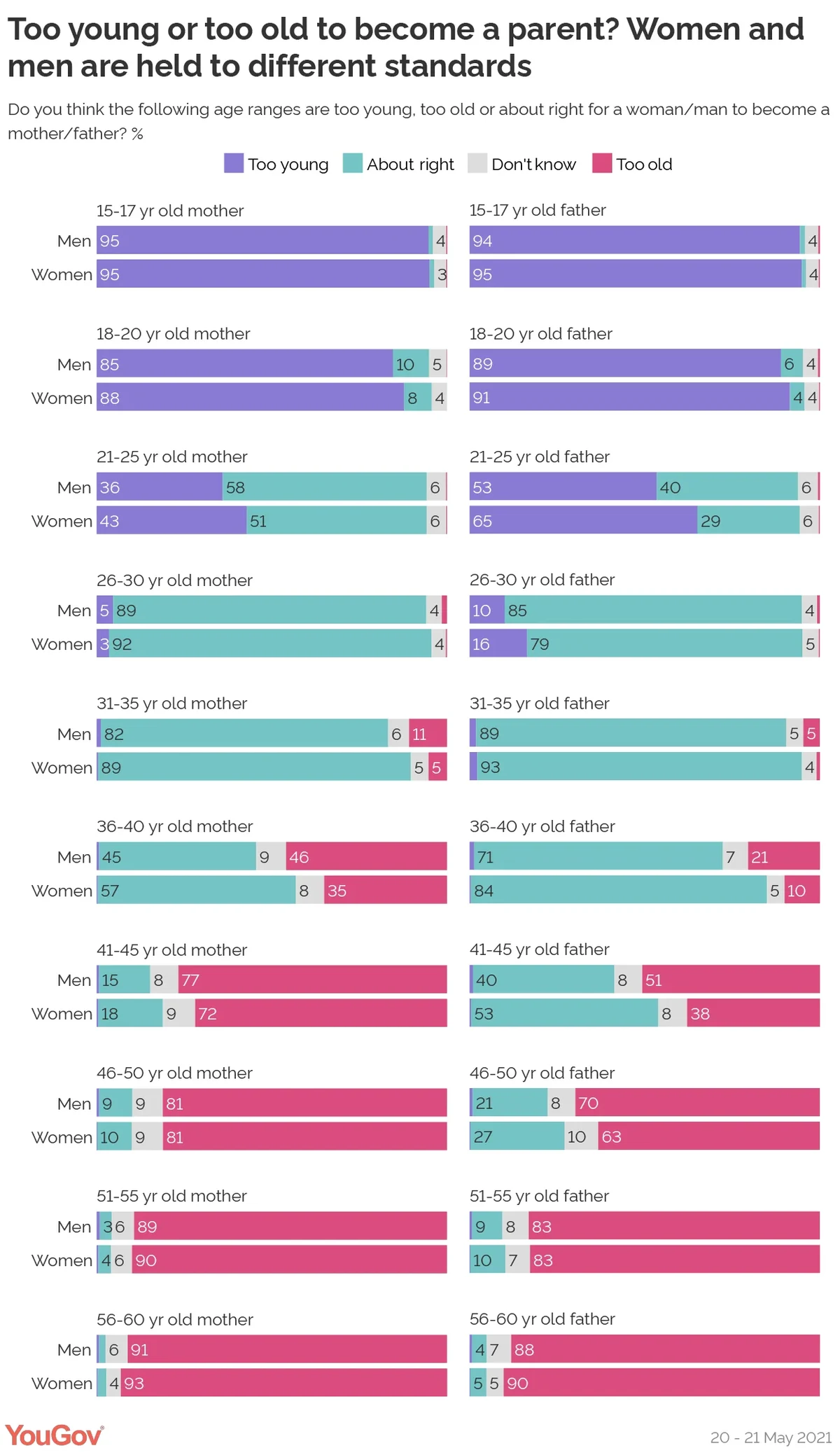
The Early Bird Advantage: Financial Opportunities and Challenges in Your 20s
Entering parenthood in your 20s presents a unique set of financial circumstances. This decade is often characterized by foundational career building, potentially lower earning potential, and the lingering effects of student loan debt or early-stage homeownership costs. However, it also offers a significant advantage: time.
Building a Foundation: Career Progression and Earning Potential
For many, the 20s are about establishing a career path. This often means starting at entry-level positions and working towards promotions and salary increases. While initial earnings might be modest, the long-term trajectory for income growth can be substantial. Having children during this phase means you have decades ahead of you to continue advancing professionally and increasing your earning capacity. This prolonged period of potential income growth can be a powerful tool for long-term financial security for your family.
The Impact of Early Career Choices: The decisions made in your 20s regarding education, skill development, and career specialization can have a profound impact on your future earning potential. Pursuing fields with higher demand and earning ceilings can provide a stronger financial base from which to raise a family. Conversely, career paths with slower growth or lower remuneration might require more diligent financial planning and potentially deferring certain lifestyle choices.
The Debt Mountain: Student Loans and Early Financial Commitments
A common reality for individuals in their 20s is the presence of student loan debt. This financial burden can feel significant, especially when coupled with the expenses associated with starting a family. Mortgages, car payments, and the general cost of living can add to this pressure.
Strategies for Managing Debt with a Growing Family: Effective debt management strategies are paramount for young parents. This might involve aggressively paying down high-interest debt before or shortly after welcoming children, or exploring debt consolidation options. Budgeting becomes even more critical, requiring careful allocation of funds towards debt repayment, essential child-rearing costs, and savings. Prioritizing needs over wants is a fundamental principle for financial stability in this stage.
Time is on Your Side: The Power of Compounding and Long-Term Savings
One of the most significant financial advantages of having children in your 20s is the immense power of compounding. The earlier you start saving and investing for your children’s future, whether for college funds, emergencies, or your own retirement, the more time your money has to grow.
Leveraging Early Investment: Even small, consistent contributions to investment accounts during your 20s can yield substantial returns over several decades. This applies not only to dedicated education savings plans (like 529 plans in the US) but also to general investment portfolios and retirement accounts. The principle of “time in the market” is a cornerstone of wealth building, and starting early maximizes this advantage.
The Lifestyle Compromise: Balancing Aspirations with Immediate Needs
In your 20s, life may still be characterized by a degree of flexibility and a focus on personal growth and exploration. Starting a family during this period often necessitates a shift in priorities and potential compromises on certain lifestyle aspirations.
Re-evaluating Goals: Travel, spontaneous purchases, and extensive personal development pursuits might need to be temporarily scaled back or re-imagined to accommodate the financial realities of raising children. This doesn’t mean sacrificing all personal goals, but rather a strategic adjustment to align them with the financial responsibilities of parenthood. Open communication and shared financial goals with a partner are essential during this phase of recalibration.
The Established Path: Financial Strengths and Considerations in Your 30s
Your 30s often represent a period of increased career stability and earning potential. Many individuals have moved beyond entry-level roles and are enjoying more established salaries and financial footing. This can make the prospect of starting a family seem more financially viable.
Career Peaks and Increased Earning Power
By your 30s, career progression often leads to higher salaries, bonuses, and potentially more comprehensive benefits packages. This increased earning capacity can provide a more comfortable financial buffer for raising children, covering expenses like childcare, education, and extracurricular activities.
Investing in Professional Development: Continuing to invest in professional development and skill enhancement in your 30s can further solidify your earning potential. This might involve pursuing advanced degrees, certifications, or taking on leadership roles, all of which can contribute to a stronger financial future for your family.
Navigating Existing Financial Commitments
While earning potential is typically higher, individuals in their 30s may also have accumulated significant financial commitments. This could include mortgages on larger homes, car loans, and potentially the beginnings of retirement savings.
Strategic Financial Planning for Families: This is a prime time for comprehensive financial planning. Creating detailed budgets that account for child-related expenses alongside existing financial obligations is crucial. It’s also an opportune moment to review and optimize existing investments, consider life insurance policies to protect dependents, and ensure adequate savings for both short-term needs and long-term goals.
The Shifting Savings Landscape: Balances and Priorities
With increased income, the ability to save and invest can be more robust in your 30s. However, competing financial priorities can also emerge, such as saving for retirement, paying down a mortgage, or funding children’s education.
Balancing Short-Term and Long-Term Savings Goals: It becomes a delicate balancing act to allocate funds across various savings vehicles. A sound financial strategy will involve prioritizing retirement savings (as it’s often the longest-term goal with the most significant compounding potential) while also making dedicated contributions to education funds and maintaining an emergency fund.
Potential for Greater Financial Stability and Flexibility
The combination of higher earnings and potentially more settled lifestyles in your 30s can offer a greater sense of financial stability and flexibility. This can translate to more choices regarding housing, education, and extracurricular activities for your children.

The Advantage of Established Resources: You may have more disposable income to invest in quality childcare, enriching educational experiences, and ensuring your children have access to opportunities that may have been financially out of reach in your 20s. This can alleviate some of the financial stress often associated with early parenthood.
The Later Bloom: Financial Realities and Strategic Approaches in Your 40s and Beyond
Deciding to have children in your 40s and beyond brings a distinct set of financial considerations. By this stage, many individuals have achieved significant career milestones, built substantial wealth, and may have fewer years left for aggressive career advancement or long-term investment compounding.
Maximizing Established Wealth and Investment Portfolios
Individuals in their 40s and 50s often have a well-established financial portfolio. This can include significant retirement savings, investments, and potentially real estate equity. This accumulated wealth can provide a strong financial foundation for raising children.
Leveraging Existing Investments for Family Needs: The existing investment portfolio can be strategically leveraged to cover child-rearing expenses, college tuition, or even to provide a comfortable lifestyle for the growing family. This might involve drawing on investment income, rebalancing portfolios, or considering asset allocation adjustments to meet these new financial demands.
The Time Crunch: Compounding and Retirement Goals
One of the primary financial considerations for later-in-life parenthood is the reduced time horizon for compounding growth. While existing investments may be substantial, there are fewer years for them to grow exponentially. This can put added pressure on retirement savings if not managed carefully.
Prioritizing Retirement Security: It’s crucial to ensure that the decision to have children does not jeopardize long-term retirement security. This might involve increasing retirement contributions, working a few extra years, or adjusting retirement spending expectations. A detailed financial plan that models various scenarios is essential to ensure both current family needs and future retirement well-being are met.
Educational Funding: A More Immediate Focus
With children born later in life, the timeline for college funding becomes more immediate. This requires a focused and potentially more aggressive savings strategy to ensure tuition fees and associated costs are covered.
Dedicated Education Savings Strategies: Utilizing dedicated education savings plans, exploring scholarship opportunities, and potentially taking on student loans for children become more prominent considerations. A clear understanding of current and projected education costs is vital for effective planning.
The Potential for Greater Financial Stability and Established Networks
Despite the time crunch on compounding, later-in-life parents often benefit from a higher degree of financial stability and a well-established support network. This can include stronger relationships with financial advisors, access to a broader range of financial products, and a more mature understanding of financial risk.
The Advantage of Experience and Resources: The experience gained over decades of financial management can be invaluable. This wisdom, coupled with access to professional financial guidance, can lead to more informed and effective financial decisions when raising a family later in life. Furthermore, established careers may come with more flexible work arrangements or the option of working remotely, which can offer a better work-life balance for parents.
The Financial Decision Framework: Key Considerations for Every Age
Regardless of the specific age, approaching the decision to have children through a financially informed lens is paramount. It’s not just about having enough money today, but about building a sustainable financial future for your family.
Budgeting and Expense Forecasting
A fundamental step is to create a detailed budget that incorporates all anticipated child-related expenses. This includes not only direct costs like diapers, formula, and clothing but also indirect costs such as increased utility bills, potential housing modifications, and the rising cost of childcare.
Realistic Projections are Key: Researching local childcare costs, educational expenses, and healthcare premiums is essential for accurate forecasting. It’s also wise to build in a contingency fund for unexpected expenses, which are inevitable when raising children.
Savings and Investment Strategies
Developing robust savings and investment strategies tailored to your age and financial goals is critical. This involves understanding different investment vehicles, risk tolerance, and the power of compounding at various stages of life.
Diversification and Long-Term Vision: Whether it’s saving for retirement, education, or an emergency fund, diversification across asset classes can help mitigate risk. A long-term vision for financial security should guide all savings and investment decisions.
Debt Management and Financial Planning Tools
Managing existing debt and implementing a comprehensive financial plan are non-negotiable aspects of preparing for parenthood. This includes exploring options for debt reduction, understanding the impact of increased expenses on debt repayment, and utilizing financial planning tools to track progress and make informed decisions.
Seeking Professional Guidance: For complex financial situations or to gain clarity on long-term planning, consulting with a qualified financial advisor can be highly beneficial. They can offer personalized strategies and help navigate the intricacies of financial planning for a growing family.
Insurance and Risk Management
Protecting your family financially in the event of unforeseen circumstances is a critical aspect of preparedness. This involves ensuring adequate life insurance coverage, health insurance, and potentially disability insurance.
Safeguarding Your Family’s Future: Life insurance policies provide a financial safety net for dependents, ensuring their financial needs are met if a primary earner passes away. Health insurance is crucial for managing the significant healthcare costs associated with raising children.
Ultimately, “a good age to have kids” from a financial perspective is when you have a clear understanding of your current financial standing, a realistic projection of future expenses, and a well-defined plan to meet those needs while simultaneously building long-term financial security. It’s a journey that requires proactive planning, disciplined execution, and ongoing adjustment, ensuring that the joy of starting a family is underpinned by a solid foundation of financial well-being.
aViewFromTheCave is a participant in the Amazon Services LLC Associates Program, an affiliate advertising program designed to provide a means for sites to earn advertising fees by advertising and linking to Amazon.com. Amazon, the Amazon logo, AmazonSupply, and the AmazonSupply logo are trademarks of Amazon.com, Inc. or its affiliates. As an Amazon Associate we earn affiliate commissions from qualifying purchases.